Hits: 0

Hits: 0
Hits: 247
20% DOWN PAYMENTS ON MORTGAGES MAKE FIRST TIME BUYERS UNABLE TO BUY WITHOUT ENOUGH AFFORDABLE RENTALS, CONDOS, CO-OPS, SINGLE FAMILY HOMES.
WPCNR COUNTY-CLARION LEDGER. By John F. Bailey. March 16, 2023:
The Westchester County Executive proposed an alternative to Governor Kathy Hochul’s Housing Compact proposal that would override local zoning power of communities.
The County Executive said local control of zoning is the right of every hamlet and metropolis. He felt you could still set quotas per community for affordable “workforce housing,” that would preserve town, village and city control of their own zoning, that the Governor has said is preventing New York State from meeting housing needs.
Currently the legislature responding to suburban community leaders’ outcries at the overriding of zoning codes by the Governor’s proposal, has pronounced the plan dead on arrival, rejecting overriding of local zoning to build affordable housing stock, and the requiring a 3% percentage of affordable housing building in communities lagging behind the percentage.
Dan Murphy of Westchester Rising asked County Executive George Latimer in the Q. A. portion that usually ends Mr. Latimer’s Monday News conferences, asked him to “comment” on Governor Kathy Hochul’s proposed Housing Compact bill and the County Executive gave a solution:
The County Executive introduced something completely new. See his complete remarks on the Governor Hochul Housing Compact and how he thinks the zoning issue can be resolved Click the red box and watch.
He said he is aware that many families are upset their children cannot afford housing in the towns they grew up in.
He said the Governor’s goals could be achieved without overriding zoning. He suggested the governor turn it over to the communities to come up with deciding how the communities could add affordable housing in their communities and where they would be built without compromising the character of the communities.
The effect: turning over the decisions on how affordable housing goals could be met (in keeping with the character, land availability and infrastructures of each town) by challenging the communities that lag in affordable housing to come up with their plans. How much time would they be given? How does the governor feel about this? How do the “anti-Hochuls” in her own party feel about that?
He is right.
The current state of the “recovery” where financial conditions change day to-day, where advisories are changed 100% from the day before, and stats are pumped out every week, up one day, down the next from Washington affects people trying to improve their lives and build a living profoundly.
The bank mortgages have risen dramatically by the Federal Reserve raising interest rates. Let’s take a look.
Professionals such as teachers, police, firefighters and young workers starting their careers (burdened additionally by student loan debt) do not have the incomes to save the money to afford the Westchester housing market.
The down payment on a 30 year mortgage is 20% in the metropolitan area according to Mortgage lenders statistics. What do you need to buy a 2-4 family home, condo, co-op and single family home on s 30 year mortgage?
Can you save a year’s salary to get a downpayment?
The average price of a 2-4 Family home at the end of the third quarter of 2022 Hudson Gateway Association of Realtors statistics was $735,000, requiring a down payment of $147,000 upfront.
The average cost of a single family home, at a median price of $872,000 at the end of the third quarter, (meaning half of single family homes sold below the median price of $872,000 in the July-August-September third quarter 2022) can be as much as a couple’s two salaries combined.
Say you want to get a 30 year mortgage at 6% for a single home priced at $500,000 that’s a down payment of $100,000.
A $650,000 home requires a $130,000 down payment.
An $872,000 (middle market price!) the down payment of 20% is $174,000.
The condominium average selling price was $546,861, requiring a down payment of $109,372. However the median sales price of condos was $460,000 showing there are more in-range condos available on the market than half-million dollar condos. Nevertheless, the down payment on a $400,000 condo mortgage of 6% would be still be $92,000.
Co-ops were the best buy in the third quarter, averaging $239,000, but as with all of these ballpark quotes on down payments banks could be making better down payment terms or worse depending on how sound the banks feel about the property. Still raising $40,000 for a down payment on a Co-op is less a burden to raise for a couple than the condo, the mult-family or the coveted single family.
Affordability of the mortage depends on whether you can swing over $2,000 a month ($25,000 a year out of a $100,000 income, with the burden of property taxes, living expenses, loan debt, car ownership and food.
That first foray in home ownership is a nightmare of financial worry for the twenty and even 30-somethings.
You are at the mercy of the banks, the sellers.
Even if you rent, locally you are paying $2,000 and up studios, $3,000 and up for two-bedrooms. That is still $25,000 in rent…equivalent to a mortgage payment.
You are forced to share apartments if you are single.
To handle a rental of up to $2,000 a month for a studio or $3,500 a month for a two-bedroom apartment (in White Plains), or purchase a median single home even by the time they hit their early 30s, plus commuting costs, car payment, rent payment it requires a great deal of discipline to save for a down payment today.
They need about a 25% down payment to take out a mortgage for a median price home and $400 3 to 4 family homes just burdens them with a massive $300,000 mortage. The banks are reaping the market.
The very lack of homes on the market keeps prices going up or not coming down.
The Home Compact bill is the Governor’s plan to jumpstart funding and building affordable housing construction and setting mandates and quotas for New York State towns villages and cities which the state finds to be short in the availability of housing for young persons, professionals starting out, professionals such as teachers, police, firefighters “work force” housing.
The County Executive said that he felt Westchester has “moved beyond” the time 50 years ago when community zoning prevented housing in the county. He said he would vigorously defend the Westchester record still ongoing of providing housing for persons who could not afford current prices of homes.
Hits: 263
\

“We are White Plains: Bridging, Belonging, & Building Community,” a groundbreaking interactive educational traveling museum exhibit Friday will debut at White Plains High School Friday afternoon, March 17.
It is produced by nonprofit Common Circles in partnership with the White Plains School District, featuring Dimensions in Testimony from USC Shoah Foundation and renowned artist Bayeté Ross Smith’s photo series Our Kind of People.
Nonprofit Common Circles’ groundbreaking traveling educational museum exhibit uses the arts, conversation, technology and storytelling to increase empathy, reduce bias, build communities of belonging, and help people get to know one another better. It is designed to meet New York State’s new mandated Holocaust education requirements by transforming the hallways and classrooms into a world-class museum.
This exhibit customized for the White Plains School District will help the students and the broader community explore identity, the Holocaust and Genocide – with the goal of building bridges – bridges between who we are and who we want to become, between the community we have and the community we want to shape, and between historical lessons of the past and actions we can take in the future.
The exhibit is a creative antidote to the rising tide of antisemitism; it also features some local survivors’ stories.
Two highlights of the exhibit include Dimensions in Testimony from USC Shoah Foundation and world-renowned artist, Bayeté Ross Smith’s series entitled “Our Kind of People”.
Dimensions in Testimony is a collection of interactive survivor biographies from USC Shoah Foundation that enable people to have conversations with pre-recorded video images of Holocaust survivors and other witnesses to genocide.**
Common Circles enlisted world-renowned artist and photographer Bayeté Ross Smith to further develop his “Our Kind of People” series. Using members of the White Plains community (including U.S. Representative Jamaal Bowman, Mayor Thomas Roach, State Senator Shelly Mayer, Superintendent of White Plains School District Joseph Ricca, Council Members, Legislators, Superintendent of
Sanitation, and White Plains’ teachers, staff, and administrators.
“Our Kind of People” examines how perception about someone’s identity, value and character is affected by appearance such as clothing, race/ethnicity, gender, complexion, and class signifiers, and
how this then informs our daily interactions and social systems.
The exhibit is meant to introduce, educate, and embrace the varied identities of the people of White Plains.
WHEN: Friday, March 17, 2023. 3:00-4:30 (speeches start promptly at 3:30; please arrive early to go through security and make sure to bring a valid photo id
Hits: 247
WESTCHESTER ACHIEVES 12TH CONSECUTIVE WEEK OF DECLINING COVID CASES AS OF SATURDAY
WPCNR COVID SURVEILLANCE. Statistics, NY STATE COVID TRACKER. NYS HEALTH DEPARTMENT. Observations. Observation & Analysis by John F. Bailey. UPDATED 11:00 EDT March 13, 2023:
As of Friday Westchester County had recorded 322 lab-verified persons with covid.
Saturday cases should be reported Monday afternoon and should amount to 351 cases, making the 12th consecutive week of the New Year that the county had reduced total new cases of covid.
The first week in January, 1,896 county residents had tested positive for covid, and that has declined to last week ended Friday March 10 at 322.
Hospitalization admissions for treatment of covid are up the last 25 days at White Plains Hospital.
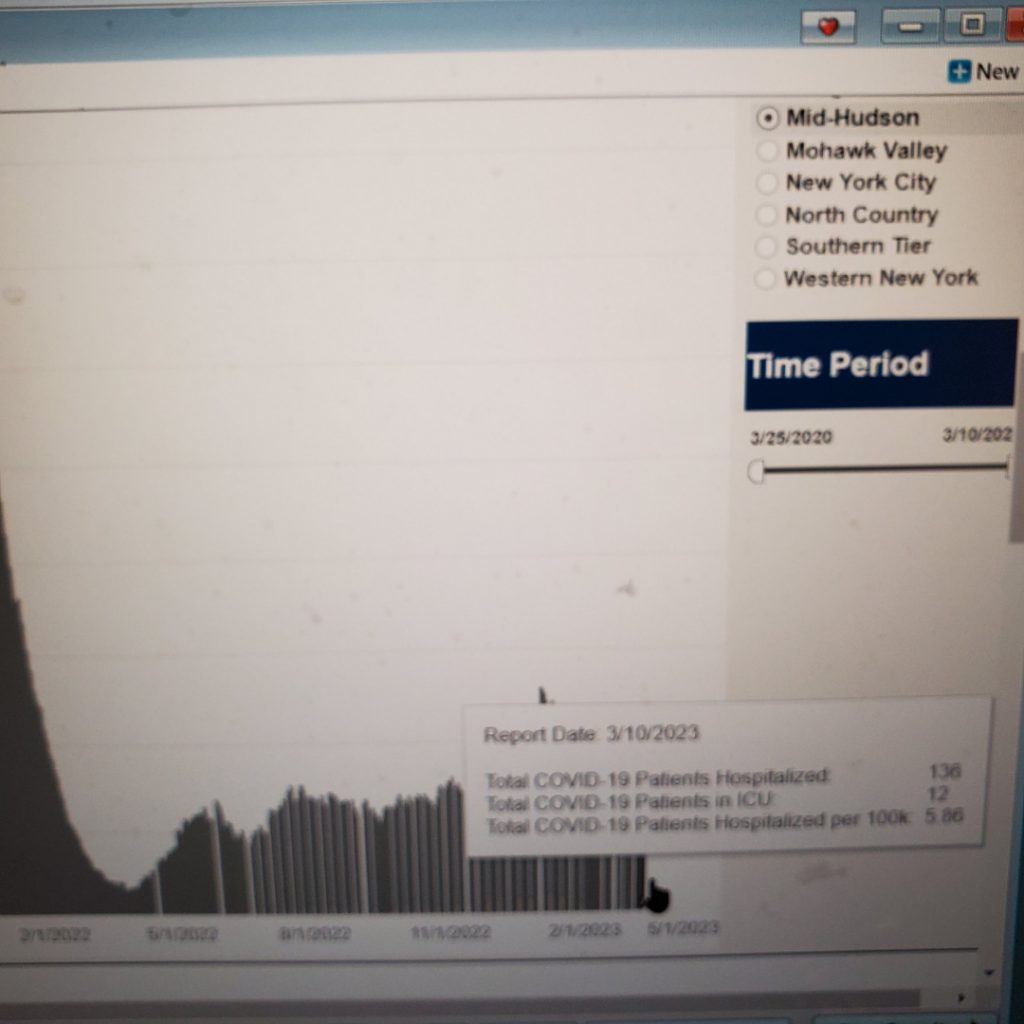
In the 2.3 Million people Mid-Hudson Valley region on Friday, 1,418 persons were reported hospitalized in the 7 counties: Westchester, Orange, Rockland, Dutchess, Ulster, Putnam and Sullivan counties.
The average 7-day Hospital admissions rate per 100,000 segment of population in the 7 counties (2,363,622 or 23.6 100,000 “segments” ) was 139 persons a day across the 7 Mid-Hudson Counties, which is 969 hospitalizations a week and in one month 3,878 hospitalizations over 7 counties.
These hospitalizations are going to hurt hospital staff morale and effectiveness, in my opinion, with the sheer number of patients coming in for covid symptoms serious enough to be admitted.
The sobering numbers computed with the state’s own average per 100,000 admissions, mean if you do not have covid now you are likely to come in contact with someone who does.
In the 31 days of January in Westchester County there were 5,973 new cases of covid or 193 a day. Last week in Westchester there were approximately 53 new covid cases a day.
Locally in White Plains, White Plains Hospital Medical Center shows hospitalizatons for treatment of covid accounting for 52% of all those officially admitted to the hospital for treatment of covid.
In the last 25 days since February 15 when 8 of 20 though persons suffering seriously enough from covid to be admitted, covid cases have accounted for 52% of patients admitted to the hospital, that does not included emergency room visits.
Of 298 persons admitted to White Plains Hospital in the 25 days (through Friday, March 10),156 or 52% were admitted for treatment of covid.
Hits: 1090

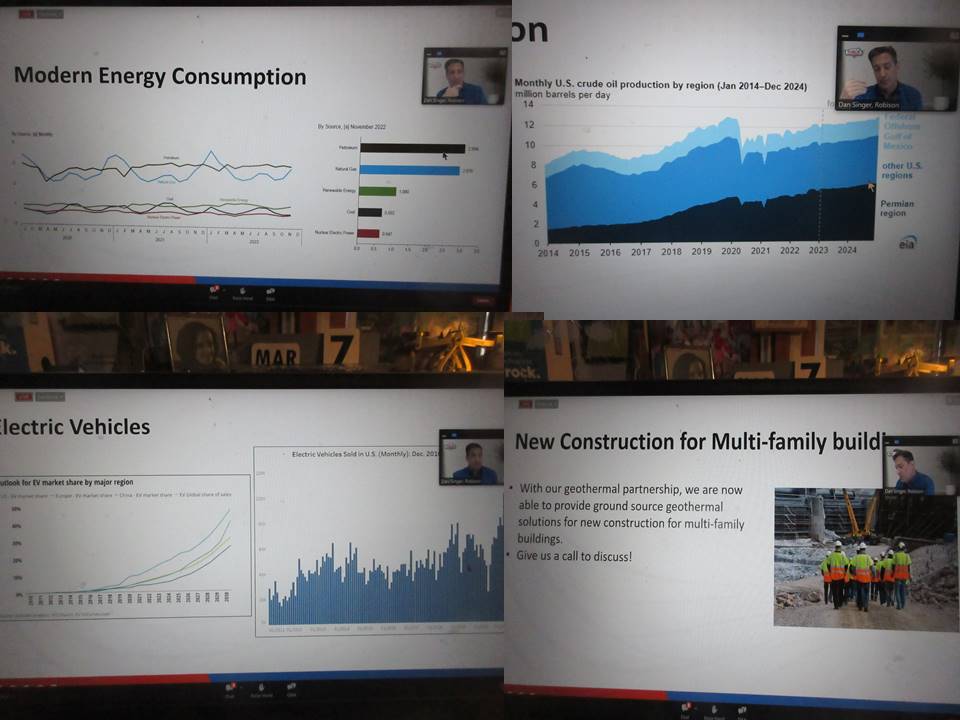
PLUS CON EDISON’S PLANS ON NATURAL GAS, CONSERVATION, CLEANING UP THEIR PLANTS. AND BATTERY STORAGE

ON WHITE PLAINS WEEK THIS WEEK
EVERY WEEK–22ND YEAR REPORTING– 2021 TO 2023
Hits: 511
 |
District 92 | News You Can Use Westchester County Senior Law Day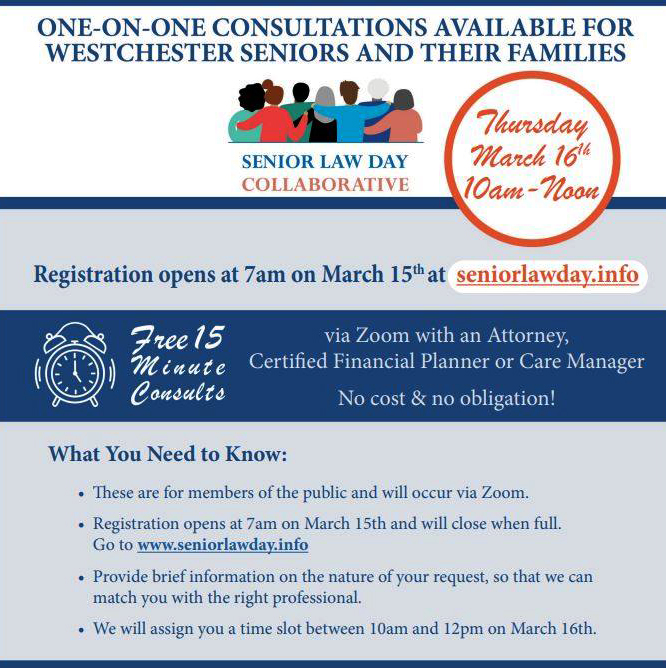 Westchester County is offering senior citizens the opportunity to have a private, 15-minute Zoom consultation with a lawyer or other professional, at no cost and no obligation. These sessions will be held from 10 a.m. to 12 p.m. on Thursday, March 16. Sign-up opens at 7 a.m. on Wednesday, March 15, at www.seniorlawday.info. |
Hits: 285
Hits: 12
White Plains Hospital sees 25 new hospitalized for covid Monday, Tuesday Wednesday Projecting to 42 a week
WPCNR COVID SURVEILLANCE. Statistics from NY Hospitalization Tracker. Observations & Analysis by John F. Bailey. March 9, 2003 UPDATED 11:59 PM:
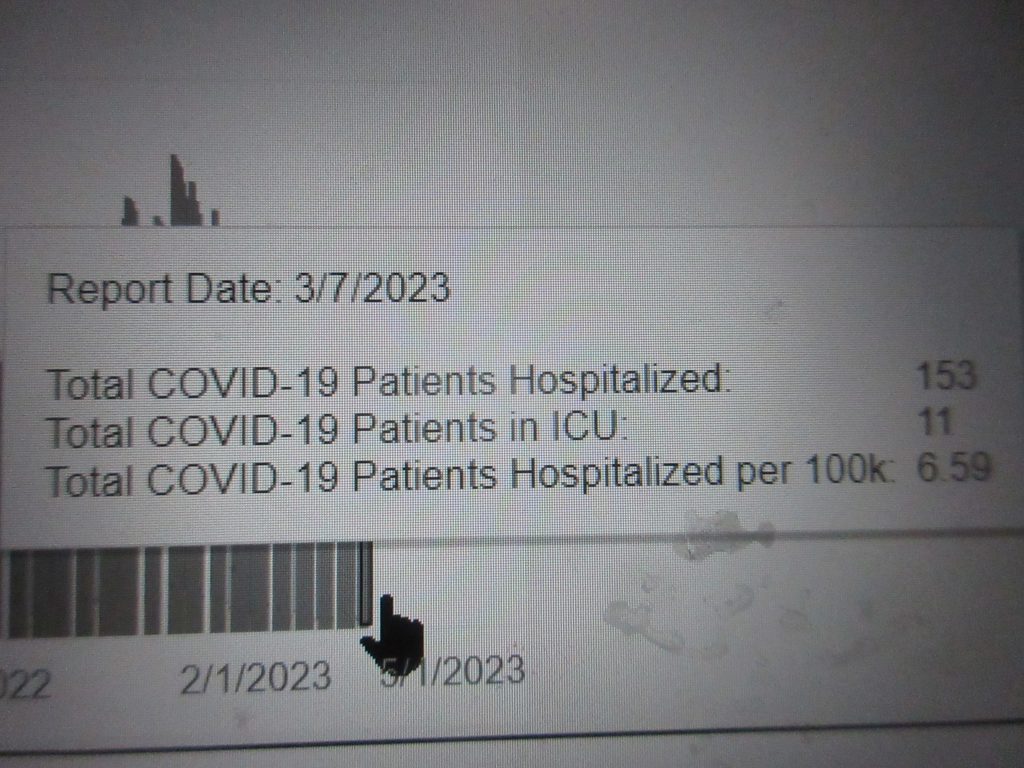
Hospitalizations analysis by the NY State Health Department reports the Mid-Hudson Region of Westchester, Orange, Rockland, Dutchess, Ulster, Putnam and Sullivan Counties ( a total 7 county population of 2,363,622) continued at the rate of 6.59 of new persons hospitalized for covid in 100,000 people per day Tuesday March 7 for covid. That 6.59 is 5 times the previous rate of less than two persons per 100,000 of a county population
The number of persons in the hospitalized Tuesday in the 7 county region was 155 on March 7. If that continues you would see 1,000 a week hospitalized for covid across the 7 counties.
Meanwhile, locally in White Plains Hospital Medical Center, on March 6, Monday there were 11 new hospitalizations, 7 of whom were admitted for treatment of Covid. On Tuesday, March 7, there were 12 new admissions, and 10 of them were admitted for covid. These hospitalizations were for treatment of covid due to covid specifically.
On Wednesday, March 8, White Plains Hospital admitted 11 persons and 8 were hospitalized with covid, bringing the covid hospitalizations total since February 15 (22 days) to 129 of 251 admitted to the hospital, a percentage 51% of admissions being specifically for covid, an average of 6 a day admitted for covid, that at that rate would result in 42 new covid patients admitted a week White Plains Hospital.
Hits: 314
Reprinted with permission. March 8, 2023
The House Select Subcommittee on the Coronavirus Pandemic has started to convene on everything from COVID-19 origins to vaccines. Last week, they called in four scientists to discuss policies, including lockdowns.
COVID-19 control measures are important to discuss. We still don’t know what policies worked best and why.
Pandemic health protections had benefits AND harms. There were trade-offs, just like with any health policy. Governments around the world used a wide variety of policies before vaccines were developed.
However, a nuanced discussion of the trade-offs inherent in pandemic control measures was not achieved last week. The Great Barrington Declaration (GBD), for example, dominated the conversation.
It looks like we are entering a new phase of the pandemic—revisionism.
In October 2020, the GBD advocated for a distinct approach: isolate the vulnerable while allowing infections to spread among lower-risk members of the population. It claimed this would ultimately achieve herd immunity without the economic and social toll of lockdowns.
The authors of the GBD didn’t include any scientific evidence or models, and it was never peer-reviewed.
The idea went viral. A few influential people listened. Trump met with the GBD authors in the Oval Office. Trump’s coronavirus czar, Scott Atlas, embraced and adopted the GBD—for example, he successfully curbed federal testing programs. Florida governor Ron DeSantis was advised by the GBD. But scientific consensus rejected the idea.
Two of the GBD authors were invited to testify last week. One congresswoman said: “History is proving [them] to be right.” But were they right?
The committee would have benefited from looking into the scientific evidence against the GBD and why, ultimately, public health dismissed their ideas.
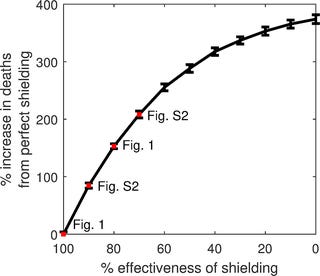
Last year mathematicians published epidemiological models to answer the question: What would it have looked like if we had actually deployed the GBD?
They found that in a town of 1 million people in England:
So, in theory, perfect shielding would save lives compared with no shielding. But theory is very different from practice. There are three major issues:
The modeling above assumes that it is actually logistically possible in the U.S. to somehow isolate tens of millions of Americans. This assumption has problems:
Many countries regrouped after the 2003 SARS pandemic, and it was incredibly helpful for their future preparedness and response. We do need to reflect on what went right during the pandemic, what went wrong, and how to do better in the future, like:
The discussion has to be serious, genuine, and balanced.
Thus far, this has not been the case.
It’s clear that achieving a healthier and smarter future isn’t the goal of this Subcommittee.
We should be very wary of those trying to rewrite history. As Zeynep Tufecki said:
“There’s an attempt to relitigate 2020 under the comfort of 2023 vaccines, treatments, [and] population immunity by people… whose policy suggestions were catastrophically wrong. They’re pretending 2023 exonerates the deaths they would cause (did cause). I find that awful.”
This Subcommittee is a huge use of resources, which, thus far, has not helped move the conversation forward. The outcome of these rabbit holes do not get us to a better place.
We need to learn lessons from the pandemic to be better and smarter next time.
But discussions need to be balanced and informed. For example, recognizing the trade-offs must include recognizing the horrors of uncontrolled transmission. Epidemiological, ethical, and logistical details can’t be left out.
Can we please have a serious conversation about the COVID-19 pandemic and how to prepare for the future? Our lives depend on it.
Love,
YLE and GMY
Dr. Gavin Yamey is a Professor of Global Health & Public Policy at Duke University and Director of the Center for Policy Impact in Global Health.
“Your Local Epidemiologist (YLE)” is written by Dr. Katelyn Jetelina, MPH PhD—an epidemiologist, data scientist. During the day she works at a nonpartisan health policy think tank and is a senior scientific consultant to a number of organizations, including the CDC. At night she writes this newsletter. Her main goal is to “translate” the ever-evolving public health science so that people will be well equipped to make evidence-based decisions. This newsletter is free thanks to the generous support of fellow YLE community members. To support this effort, subscribe below:
Subscribed
Hits: 473
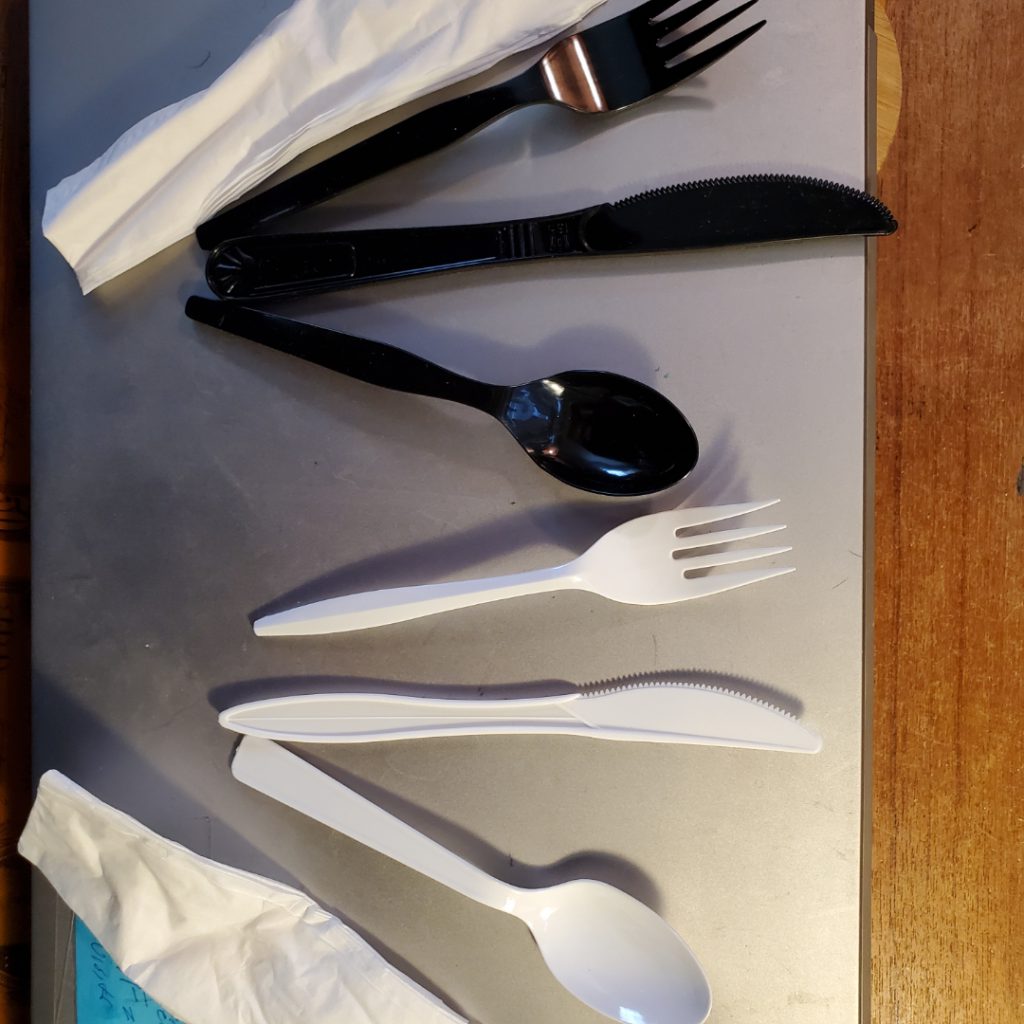
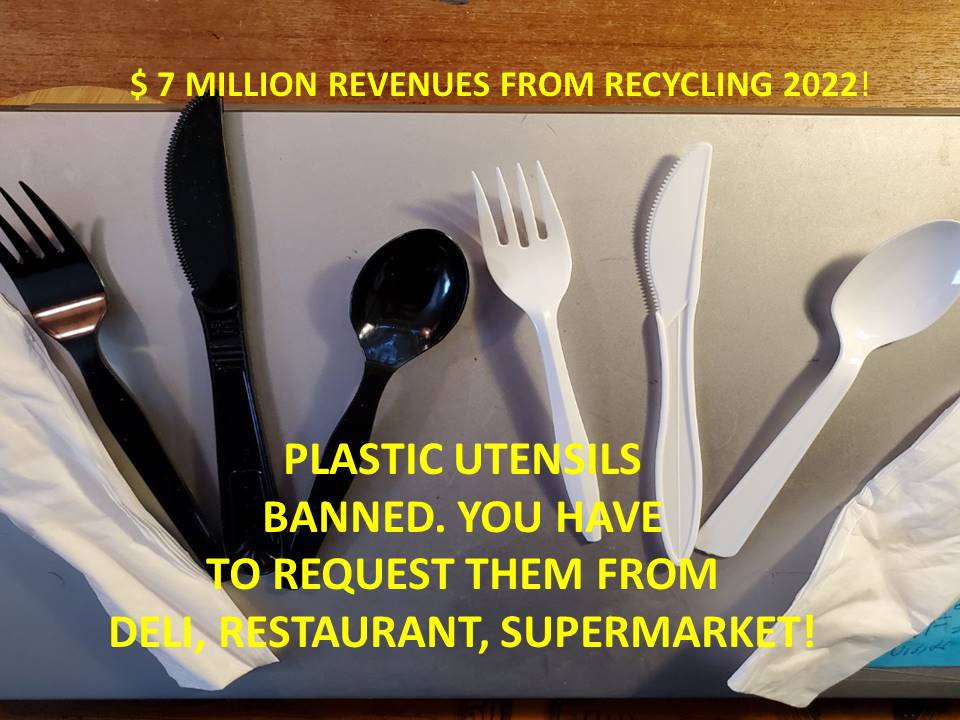
Following the Westchester County Board of Legislators unanimous passage on Monday, March 6, County Executive George Latimer is immediately signing into law a measure aimed at further reducing the amount of plastics in the County’s waste stream.
In addition to this new law, Westchester is increasing recycling and reducing waste – and while the environmental benefits of waste reduction and recycling are well known, it also makes good sense economically.
In 2022, 74,456 tons of curbside recyclables collected by municipalities within the County’s Refuse Disposal District were delivered to the Daniel P. Thomas Material Recovery Facility (MRF). Revenue from the sale of these recyclables totaled $7,006,704.59, an increase of over 95% from 2020.
Over the past 20 years, the amount of residential solid waste disposed in Refuse Disposal District No. 1 in Westchester has decreased by 21%. After peaking at 495,659 tons in 2003, the amount of residential trash was reduced to 390,243 tons in 2021, a reduction of 105,416 tons. Over this same period, Westchester’s population grew by about 6.8%, adding more than 64,000 additional residents. During that time span, the County consistently posted an annual recycling rate of at least 50%, far outpacing the national average of 32%.
The new measure limiting plastic utensils will be signed into law at a ceremony hosted outside of the Board of Legislators Chambers with the main sponsors of the legislation Legislator Erika Pierce and Chairwoman Catherine Borgia.
The law states that:
· No food service establishment shall provide single-use foodware or condiment packets to any dine-in or take-away customer unless specifically requested;
· Any single-use plastic beverage stirrers or single-use plastic beverage “splash sticks” are no longer permitted. Retail food stores may sell packages or boxes of single-use plastic beverage stirrers or single-use plastic beverage splash sticks to their customers;
· Lastly, when requested, single-use foodware items or condiment packets must be provided individually and not in a package containing multiple items.
Latimer said: “As we have highlighted time and time again, Westchester County is reducing what we are putting into our waste stream. Through commonsense measures like this, or the myriad of programs undertaken by our County’s Department of Environmental Facilities (DEF), Westchester County is leading the way on reducing waste and I am proud to sign this measure into law. I commend the work done by the Board of Legislators and Legislator Erika Pierce notably on this important yet simple measure.”
Borgia said: “Our Board is hyper-focused on making Westchester a zero-waste County, and this bill puts us in the right direction. “Upon Request” will not only reduce our carbon footprint, but it gives the added benefits of saving food service businesses money during a time of financial uncertainty. I applaud Legislator Pierce for her steadfast leadership in getting this sensible piece of legislation passed that positively affects us all and the environment around us.”
Pierce said:
“We are drowning in unnecessary single-use items, most of which are made of plastic and all of which are being paid for by our local businesses. Nationwide, billions of these food accessories are thrown away annually, many of which were only used once, and the vast majority cannot be recycled. They add to the plastic pollution crisis, litter our neighborhoods, rivers, and ocean, add to overflowing landfills, and feed incinerators. Local business owners pay for them; we pay to dispose of them, and those who live near the areas where they have been disposed of pay again. This common-sense law is a simple but bold step for Westchester: ‘Upon Request’ we will reduce waste and save our local businesses money, all while providing customers with what they need.”
Board of Legislators Vice-Chairwoman & BoL Environmental Committee Chair Nancy Barr said: “Today, Westchester is taking a firm stand to combat climate change by decreasing unwanted single-use items from the waste stream. Single-use items, mostly made from the fossil fuel byproduct plastic, account for nearly half of all discarded items. Depending on the type of plastic, those items might not even be recyclable making source reduction the most effective way to improve the environment.”
Hits: 340
WESTCHESTER COUNTY STOPS REPORTING COVID NUMBERS;. 11 CONSECUTIVE WEEKS OF LOWER COVID INFECTIONS WEEK BY WEEK IN WESTCHESTER COUNTY ACCORDING TO STATE.
424 NEW COVID CASES LAST WEEK DOWN 22%. COVID INFECTIONS JAN-MARCH 4: 3,557
WPCNR CORONAVIRUS SURVEILLANCE. Statistics from NY State Covid Tracker & Hospitalization Tracker. Observation & Analysis by John F. Bailey March 7, 2023:
On his morning report on WVOX 1460 this morning, Westchester County Executive George Latimer announced the county would no longer be reporting covd numbers to the county, citing significant decline in new infections
New Lab-Validated Covid Cases in Westchester County declined 22% from 542 the week of Feb 19-25 to 424 in the week ended Saturday March 4. New covid-infected persons daily averaged 60 a day.
The week of Feb 26 through March 4 is the 11th consecutive week cases in Westchester have declined according to lab-verified positive case statistics, from a high of 10,000 at the close of the month of July, 2022. The decline in cases has been slow but steady.
In the 10 weeks since the start of the new year, Jan 1 through March 4, 3,557 persons tested positive for covid (lab-confirmed), an average of 356 a week.
At the current rate of 400 persons coming down with covid this projects to 1,600 persons a month in March. Since the school districts in the county stopped counting cases of covid, (being relieved of that responsibility by the New York State Department of Education), we do not have a handle on covid infections per school district, whether it is up down or under control.
Currently as of Friday, Westchester County was reported to have 4.3 new cases daily per 100,000 of population. Bear with me a moment: that is only lab-verified cases. If you test positive with a home test and do not get it verified via a lab test, your positive does not count in the daily totals
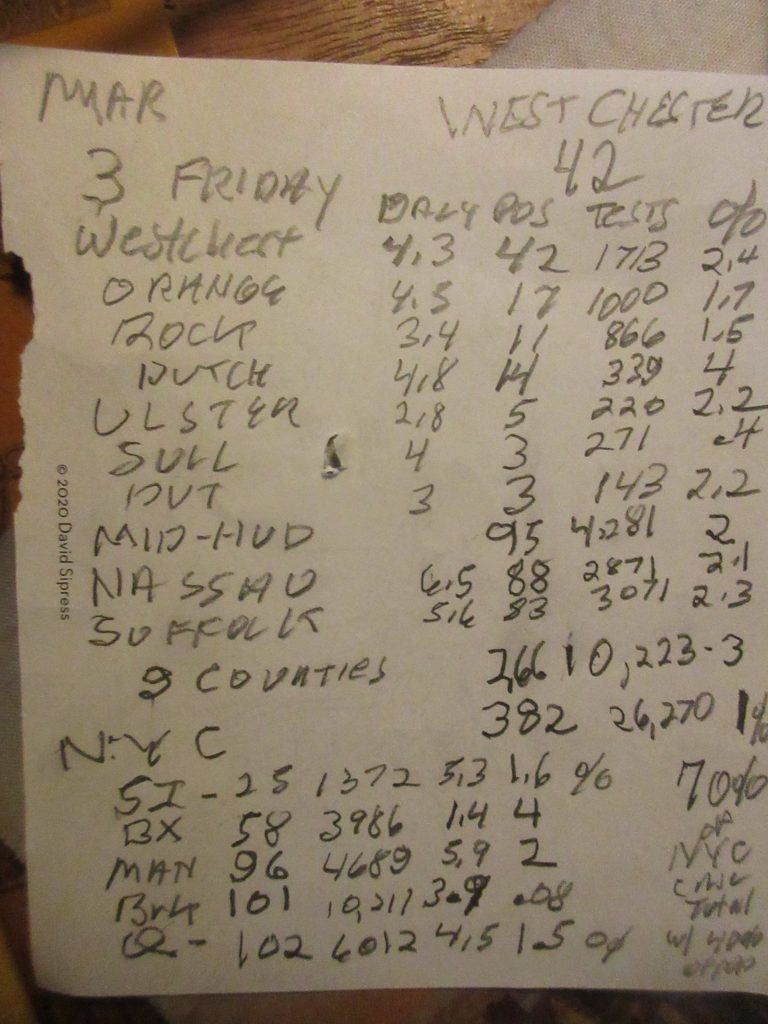
Westchester has 1,004,000 population, meaning you multiply 4.3 by 10.04 to get the real number of cases per day, 302, multiplied by 7 days gives our county 2,114 a week, or as many as 8,000 cases this coming month.
This says to me, Westchester County is getting 4 times as many cases a week than the lab-verified positive count is finding. Reducing the daily cases by counting them by 100,000 of population significantly lowers the daily Westchester count. The official thinking locally now is Westchester back to normal.
Even I, “Mr. Worry,” am being careless, not always masking when I go to Whole Foods or go out to eat. It’s perfectly understandable. But not smart on my decision making.
I tell you why I think this way: Hospitalizations.
In the Mid-Hudson Region of Westchester, Rockland, Orange, Dutchess, Ulster, Putnam and Sullivan Counties the daily hospitalization rate of new covid patients on March 2 was a 7 day average of 1.12 per 100 thousand people. Sounds great, right? It isn’t.
The Mid Hudson Valley Region has a population of 2, 363,622 persons, or 23.6 100,000 population increments.
To get a realistic handle of the spread of covid across the 7 counties, right now you have to multiply the region total by its 100,000 daily count over 7 days by 23.6.
So for the entire Mid-Hudson Valley average of 1.12/100,000 x 23.6 means last week on March 2, the Mid-Hudson Region all 7 counties reported actually 185 covid hospitalizations. (White Plains Hospital alone alone had 102 covid cases in 2 weeks of admissions , see totals at the end of this column. 185 covid hospitalizations for 7 counties has to be low. )
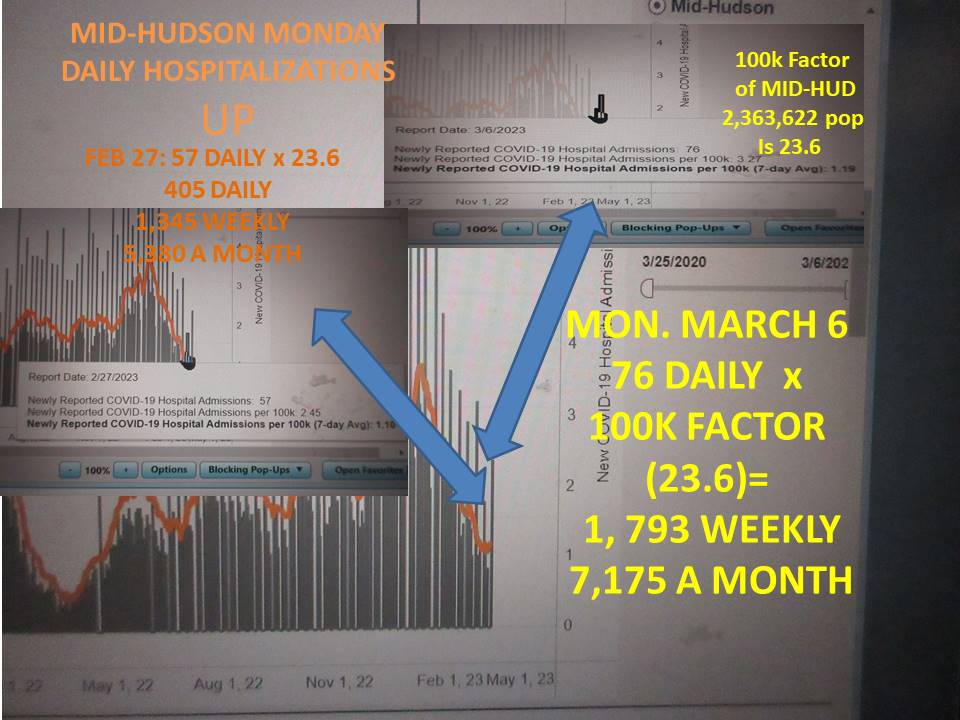
The Mid Hudson Region hospitalizations were higher two weeks ago:
One week prior to this week on February 27—the Mid-Hudson Region hospitals reported 2.45 new covid hospitalizations. Multiply that by 23.6 and the Mid Hudson region had 58 new covid hospitalizations in one day or 406 in week.
The average 7-day Mid Hudson average reported Feb 27 was 1.10 (multiply by 23.6) meaning the average hospitalizations for 7 days 2 weeks ago was 181. Reporting of daily case numbers per 100,000 (it is great to do this, but why not break it down and do the real math showing the actual figure per day?)
Multiplying the 7-day average out to a weekly projection as I have done, you see the 100,000 limitation applies attractive math cosmetics to the actual daily case/weekly rates, giving you the public, the authorities, state officials a false sense of security perhaps.
At White Plains Hospital Medical Center, It is not normal.
In the last two weeks February 15 through March 3, covid hospitalizations at White Plains Hospital make up 50% of all new admissions.
WHITE PLAINS HOSPITAL MEDICAL CENTER
ADMISSIONS TOTALS FEB 15 THROUGH MARCH 3, 2023
DAY ADMISSIONS COVID % COVID
MAR 3 13 7 54%
MAR 2 14 8 57%
MAR 1 21 10 48%
FEB 28 19 9 47%
FEB 24 21 9 43%
FEB 23 22 14 64%
FEB 22 21 10 48%
FEB 21 26 11 42%
FEB 17 19 10 53%
FEB 16 21 6 30%
FEB 15 20 8 40%
16 DAYS
ADMISSIONS
TOTALS 217 102 47%
Bottom Line as Dr. Katelyn Jetelina would say, how many more people are there out there possibly hospitalized this week because the covid they have that is making them sicker and sicker they were thinking was, “If I am positive, and I cannot work, I can’t admit I’m positive,” that is the only explanation for such obvious more cases than the official daily rates would indicate.
The Mid-Hudson region is could be on an upswing in hospitalizations.
White Plains Hospital continues to see a recurrence of covid cases being about half its care load.
These number observations may also indicate that the disease is not as easy to get over as people may think it is.