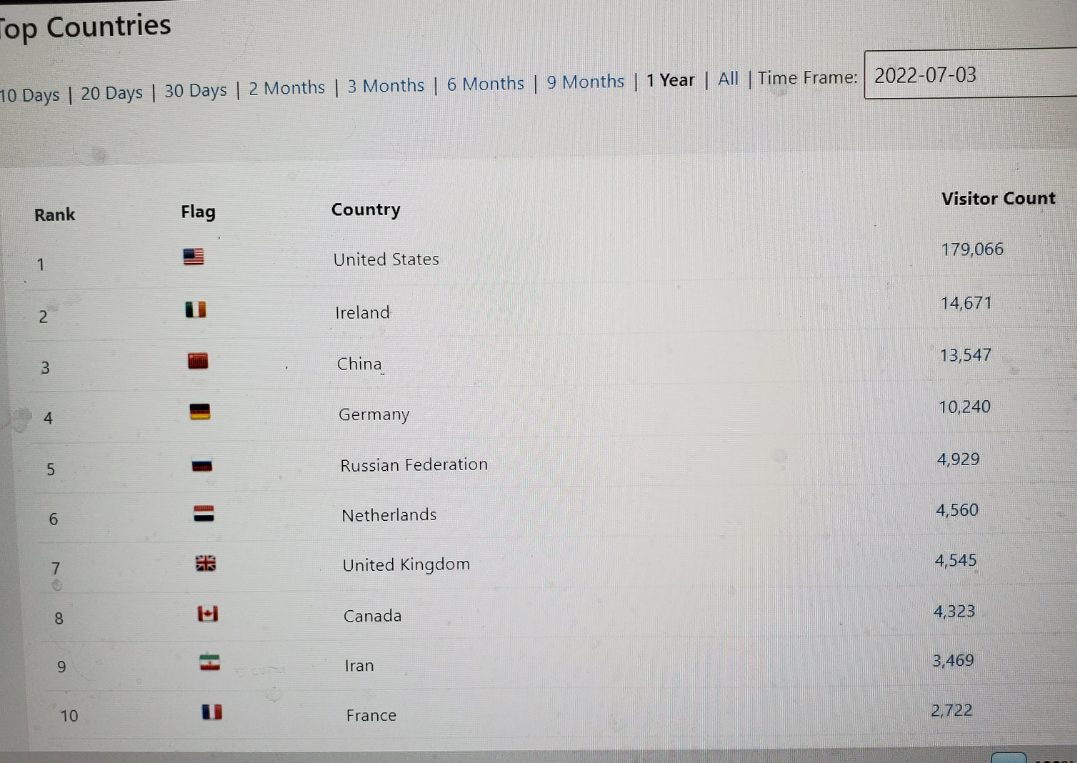
WHITE PLAINS WESTCHESTER DAILY NEWS SERVICE VISITS SINCE 2000 A.D. 25TH YEARl REPORTING THE NEWS YOU NEED TO KNOW News Service Since 2000 A.D. 2026 WILL BE OUR 26TH YEAR OF COVERING WHITE PLAINS NEW YORK USA . John F. Bailey, Editor (914) 997-1607 wpcnr@aol.com Cell: 914-673-4054. News Politics Personalities Neighborhoods Schools Finance Real Estate Commentary Reviews Policy Correspondence Poetry Philosophy Photojournalism Arts. The WHITE PLAINS CITIZENETREPORTER. TELEVISION: "White Plains Week" News Roundup, 7:30 EDT FRI, 7 EDT MON & the incisive "People to Be Heard" Interview Program 8PM EDT THURS, 7 PM EDT SAT on FIOS CH 45 THROUGHOUT WESTCHESTER AND, ALTICE OPTIMUM WHITE PLAINS CH 1300 Fighting for Truth, Justice and the American Way. TOP 10 VISITORS FROM AROUND THE WORLD :1. USA. 2.BRAZIL3.VIET NAM 4. CHINA 5. JAPAN 6.UK. 7.CANADA. 8.INDIA. 9.AUSTRALIA 10.IRELAND 11.GERMANY 12..ARGENTINA 13.BANGLADESH 14.RUSSIA. 15.NEWZEALAND. 16. FRANCE. 17.MEXICO. 18.UKRAINE. 19.SOUTH AFVRICA. 20. IRAQ.
WPCNR THE FEINER REPORT.By Geenburgh Town Supervisor Paul Feiner. March 23, 2023:
At Tuesday’s Greenburgh Town Board work session the Greenburgh Town Board spent some time meeting with our Albany lobbyist, John Emrick. We discussed seeking state funding to help the town implement one of Governor Kathy Hochul’s goals: more housing (including affordable housing) near train stations.
The 4 corners in Hartsdale (East Hartsdale Ave, Central Ave, West Hartsdale Ave) would be an excellent location for mixed use housing. But, we will need state financial help creating turning lanes and safety improvements on West and East Hartsdale Ave (to reduce traffic congestion) and will also need state funding to address flooding conditions on Central Ave.
Because housing near train stations is such a high priority for the Governor, we believe that this is a perfect opportunity to seek help from Albany. The discussion with John Emrick can be watched on the link below (first topic on work session agenda).
This is a link to the Hartsdale Neighbors Association posting about the four corners in Hartsdale: a nice history of community efforts to create mixed use housing at this site.
The Greenburgh Town Board also supports a county grant that will help us move the 4 corner redevelopment initiative forward.
Westchester County has a Downtown Improvement Grant (if chosen the County provides a Consultant no cost to carryout market studies which we would use to focus on the redevelopment potential of Four Corners; if chosen the grant also provides $250,000 for use following the market studies – this is envisioned as funding for a consultant to prepare Zoning Code language to enable redevelopment at Four Corners).
2. A resolution approving a NYSDOT contractor to rent the Town owned site on West Hartsdale Avenue for a monthly fee for 3-6 months. This contractor will be carrying out a NYSDOT project to update the traffic signal and make new ADA compliant curb ramps at each 4C intersection.
It’s been close to 6 months since the initial rollout of the fall (bivalent) booster. A lot of people are wondering: Do I need a spring booster?
The answer hinges on more questions: What is the purpose of vaccines? Does that purpose change depending on age or health status?
The purpose of the vaccines
Last month, the FDA and CDC made it clear that the primary purpose of vaccines is to prevent severe disease and death. Decreases in infection and transmission are a bonus at this point, and unfortunately, protection against infection is only temporary.
This makes sense for younger and healthier people. They are staying out of the hospital from COVID-19 for three main reasons:
Hybrid immunity. Younger people are more likely to have been infected. People with both vaccination and infection history have protection that lasts longer.
Less likely to have comorbidities. Their immune systems are less taxed.
Robust immune memories, particularly T-cells. Their thymuses (the organs that give rise to T cells) haven’t gradually degraded into useless blobs of fat, yet.
This means that even if antibodies are waning after 5-6 months, this is okay because protection against severe disease isn’t waning yet.
The story is different for immunocompromised and other very high-risk groups, like older Americans with comorbidities. The purpose of the vaccines for this group should also be to prevent severe disease and death. However, one could argue that in order to do that, we also need to prevent illness.
There’s one big reason for this: SARS-CoV-2 infection can exacerbate potentially fatal underlying illnesses, like heart failure or diabetes. Protection against viruses and underlying illnesses relies on antibodies to act quickly before the immune system is pulled in multiple directions. If it is pulled in multiple directions, it can lead to hospitalization and death.
Immunocompromised
Of the COVID-19 hospitalizations today, 25% are among the immune-compromised. (Immune-compromised make up 3% of the general population). There are really two subgroups to think about:
Non-responders to vaccines. At this point, this is a very small group of people, like organ transplant patients. Some people who did not respond to 2 or 3 doses eventually did respond to 4 or 5 doses. For the remaining non-responders, one could argue that there’s no point in boosting them, but the downsides of trying seem low.
Protection wanes quickly. The majority of immunocompromised people belong in this second group. The vaccine works, but just not as well and not as long. For them, vaccine effectiveness against hospitalization with the fourth dose peaks at 51% at 0-2 months, then drops to 28% by 2-4 months. (The bivalent booster may increase protection and duration, but we don’t know yet.)
Figure from Chemaitelly et al., Long-term COVID-19 booster effectiveness by infection history and clinical vulnerability and immune imprinting. The Lancet Infectious Diseases. Source link here.
There are few downsides to boosting this group every 6 months. It’s actually possible that the immune-compromised are somewhat protected against imprinting by virtue of their sluggish immune systems.
Older Americans with comorbidities
Those 65 years and older are contributing more and more to the proportion of deaths over time. Among adults hospitalized for COVID-19, 96% had at least one underlying condition.
This is because 2 of the 3 defense walls have more holes than those of younger people. Comorbidities also increase with age, which means the immune response in general is a lot more taxed.
So this is another group in whom we want to prevent infection in order to prevent severe disease.
The latest data from the last ACIP meeting shows waning protection against infection among this group after 4-5 months.
(ACIP slide)
The good news is that we clearly see that the risk of severe disease even in the very elderly dramatically declines with vaccination. In fact, very few people are in the hospital today who are up-to-date on vaccines. However, will this change with time? How much each booster helps (or does not help) incrementally is something that we really don’t have a good grip on prospectively.
What are other countries doing?
Canada and the U.K. have offered the bivalent vaccine to the following groups this spring. To our knowledge, this wasn’t based on any new data but rather a similar thought process as above.
Both countries used loose language: people “can” as opposed to “should” get a booster 6 months after the last dose:
People aged 65 to 79 years, particularly those with no history of SARS-CoV-2 infection
Will this be needed every 6 months until we start seeing predictable COVID-19 patterns? We don’t know. The WHO is meeting in Geneva this week to discuss global COVID vaccine recommendations going forward.
Bottom line
If you’re immunocompromised and/or an older adult with a comorbidity (and it’s been 6 months since an infection or last booster), a spring booster may be a good idea to stay ahead of the virus. Will it be official U.S. policy? We don’t know. There are rumors of FDA conversations happening behind closed doors. Hopefully, we will have an answer soon. But, as you can tell, it’s not a straightforward call.
New York State’s annual budgets are the product of a fast-moving, multistage process. When Governor Hochul presented her Executive Budget for the 2023-24 fiscal year on February 1, the Legislature had exactly two months to review the $227 billion Executive Budget, generate and present counterproposals, and negotiate with the Governor to develop the final State budget by the April 1 deadline.
Since February 1, the Assembly and State Senate have conducted 13 joint hearings on the Executive Budget, analyzed thousands of documents, and received information from seemingly countless State employees and private advocates. In the Assembly, individual and groups of Assembly members also sent hundreds of budget letters to Assembly Speaker Carl Heastie, making specific funding requests and suggesting specific means of raising revenue.
Late last week, the Assembly and the Senate reached a critical point in the process. By passing their respective One-House budget bills, each legislative house has put forward its suggested changes and revisions to the Executive Budget. At this point, negotiations will proceed among the “three people in a room” — Governor Hochul, Speaker Heastie, and Senate Majority Leader Andrea Stewart-Cousins — to come up with a final fiscal plan. Supporting those negotiations is a joint General Conference Committee process between both houses of the Legislature. (I am participating as an alternate on the subcommittee evaluating programs and funding for general government and local assistance).
The Governor and Legislature have voiced agreement on numerous major issues, including completing the Foundation Aid funding for our public schools, moving toward all-electric buildings, and raising the minimum wage. Other issues, such as the Governor’s housing proposals and her aid packages for SUNY and CUNY, have been rejected in major part by the Legislature. It remains to be seen whether there will be a comprehensive budget agreement, or if areas of disagreement will remain. The process for resolving any such disagreements is analogous to the process for other legislative disputes — the Governor can reject specific legislative appropriations and line items, and the legislature may override her decisions by a two-thirds vote of both houses.
Here is a list of some of the highlights from the Assembly’s One-House bill:
Public Schools and Childcare:
$2.6 billion for Foundation Aid (fully funding our public schools for the first time ever);
$280 million for free school meals for all students statewide;
No increase in the charter school cap;
$200 million for universal pre-K (Executive Budget proposed $125 million);
$198 million for child care funding, and two-year tax incentive for employer-provided child care
Higher Education:
No tuition hike at SUNY or CUNY;
$1.8 billion increase for SUNY funding (Executive Budget proposed an $879 million increase);
$1.3 billion increase for CUNY funding (Executive Budget proposed a $397 million cut);
Expansion of the Tuition Assistance Program income threshold from an $80,000 to $100,000;
4% increase in community college funding
Health and Mental Health Care:
$2.7 billion for Medicaid funding;
$1.32 billion for hospitals;
$266.5 million for nursing homes;
8.5% cost-of living adjustment for home care workers and direct support professionals
Housing and Development:
$1.5 billion for assistance programs for homeowners and tenants;
$500 million in housing creation incentives for villages, towns, and cities ex-New York City;
Exclusion of the Executive Budget proposals to override local zoning laws and mandate transit-oriented development within 50 miles of New York City
Environment:
All-Electric Building provisions, phasing out gas service in all new buildings by 2029;
$600 million for clean water infrastructure (Executive Budget proposed $500 million);
$435 million for the Environmental Protection Fund (Executive Budget proposed $400 million);
$400 million for energy affordability and home retrofit assistance programs
Transportation:
$1.33 billion to maintain and repair aging transportation infrastructure;
$275 million for PAVE-NY program (Executive Budget proposed $175 million);
$8.3 billion to the MTA, and no fare increase;
Exclusion of the Executive Budget’s MTA payroll tax increase for New York City and its suburbs; alternative funding proposals include an increase in the top corporate tax and fees on three remaining downstate casino licenses
Public Safety and Criminal Justice:
$275 million for discovery within the court system;
$198 million for the Office of Indigent Legal Services;
$69.3 for SNUG, GIVE, and other anti-gun violence initiatives
Workforce and Communities:
Increase in the minimum wage and indexing it to the inflation rate;
$102.5 million for the New York State Council on the Arts (NYSCA)
Happy spring! With warmer weather comes a calming of the respiratory season. Hopefully. Viruses are definitely still circulating, but we are seeing some encouraging signs.
A look back
Doctor visits for fever and a cough (i.e., “influenza-like illnesses” or “ILI”) were back to pre-pandemic levels this season, but had some uncharacteristic patterns:
Shifted to earlier in the season;
Descended as quickly as it ascended (ILI usually peters out);
Hospitalizations for respiratory viruses peaked in December, which is ~3 months early. COVID-19 continues to take the lead for hospitalizations. Interestingly, RSV, COVID-19, and flu peaked at different times. This no doubt helped our healthcare systems and makes me continue to wonder if there is some sort of virus-to-virus interaction (RSV pushes flu and then pushes COVID-19, for example).
Different age groups experienced very different risks of hospitalization this winter:
0-4 years: RSV was out of control, peaking at 65 hospitalizations per 100,000. This was 244% higher than the 2018-2019 season. (We really need an RSV vaccine for our kiddos.)
65+ years: COVID-19 clearly led hospitalizations.
Hospitalizations per 100,000. Black= overall; Green=RSV; Blue= Flu; Red=COVID (Keep in mind that the y-axis is different, which drives me insane, but beyond my control).
During this respiratory season (week 40-week 10), we lost 64,180 Americans to COVID-19. This number is higher than any pre-pandemic flu season (see yellow in graph below).
Excess deaths (red line below) continue to be above the “epidemic threshold” (black line). We haven’t had a national conversation defining the new baseline. What do we now consider normal given that we have an additional threat in our repertoire? As we move out of the pandemic phase, this black line needs to shift up.
SARS-CoV-2 in wastewater is nosediving. However, levels in the Northeast have started to plateau. If this trend continues, having a high baseline throughout the year would be incredibly inconvenient.
SARS-CoV-2 continues to mutate quickly, as expected. The international community is keeping an eye on two Omicron subvariants:
XBB.1.9- In the U.K., this is causing a slow uptick across metrics, including hospitalizations. In the U.S., the growth advantage of this subvariant is only ~35%. (As a comparison, the original Omicron had a 500% growth advantage causing the tsunami.) In other words, we shouldn’t fret.
XBB.1.16–This has a case growth advantage of ~250% in India (17% increase in deaths). But, it’s hard to tell how much this is due biased testing and/or changing behavior due to the celebration of Holi.
XBB.1.16 could possibly disrupt a quiet spring in the U.S. But, a wave is not only dependent on weather, a new subvariant, or changing behavior, but also the number of susceptible people. This precise number is incredibly difficult to grasp because it depends on a number of factors: Who has been infected, when, and by what variant?
In other words, future waves are getting harder and harder to forecast.
With COVID-19 declining, flu may have the opportunity to start inclining for an out-of-season resurgence, especially since the Flu B strain hasn’t shown its colors yet in the Northern Hemisphere. No signs yet, but time will tell.
Norovirus
Norovirus wasn’t part of the “triple-demic” winter talk, but positive tests keep going up. It’s not entirely clear how high this will go, but in pre-pandemic times it typically peaked in March. Regardless, wash your hands.
Bottom line
Every pandemic winter has been unique and, thus, created unique challenges. While disease levels may be back to normal, the usual patterns are off. It may be years until we know how COVID-19 permanently changes the landscape.
In any case, reprieve is now here. For parents, flu and RSV are in the rearview mirror. For older adults and immunocompromised people, COVID-19 is declining. It will sure be interesting to watch how the rest of the year plays out.
Love, YLE
“Your Local Epidemiologist (YLE)” is written by Dr. Katelyn Jetelina, MPH PhD—an epidemiologist, data scientist, wife. During the day she works at a nonpartisan health policy think tank and is a senior scientific consultant to a number of organizations, including the CDC. At night she writes this newsletter. Her main goal is to “translate” the ever-evolving public health science so that people will be well equipped to make evidence-based decisions. This newsletter is free thanks to the generous support of fellow YLE community members. To support this effort, subscribe below:
WPCNR QUARTERLY NEWS & COMMENT. By John F. Bailey March 24, 2023:
It is the last week of the first quarter of 2023.
This week marks the beginning of a new series of that WPCNR hopes to continue at key intervals in the year ahead.
It used to be leaders used to do State of Everythings in a county, a city, a state, but these addresses are now sporadic at best and given to favored groups and not on a regular basis.
This is a unique opportunity for me to fill the breach this comprehensive lack information gap has left you the concerned, the bewildered, eager for information, what there is of it, what reality is, and what the future can bring.
I am writing this quickly to bring you a full week’s up date on where White Plains, Westchester, New York Stage, the Mid-Hudson Regions are in coping with their lives, expectations of government, things to watch for, situations to be alarmed about. You might call the States of Life series a reality report. You may not agree that what I write is true real or what, but my observations are put forth in your best interests to sort out your personal priorities always moving forward and elicit your own personal opinions which can be forwarded to wpcnr@aol.com.
It was another busy week in Albany, with a snowstorm putting session on pause for a day, the One House Budget Resolutions being introduced and passed in each house of the Legislature, and several of my bills passing the Senate.
The Senate One House Budget Resolution represents the Senate’s priorities and policy positions. I am pleased with many aspects of our budget, including important measures for education. Read more about it below.
With the April 1 deadline approaching, negotiations continue between the Governor, Senate, and Assembly, and I remain hopeful that a final budget will be put forth with policies that are reflective of the needs of all New Yorkers, and those in District 37.
This Friday, I will co-host a Women’s History Month panel alongside Majority Leader Andrea Stewart-Cousins, featuring three women writers from Westchester County. More details on this event and how to join are below. As always, if there is anything my office can assist you with, please email me at smayer@nysenate.gov or call (914) 934-5250. Warm regards,Shelley B. MayerState Senator37th DistrictLegislative Update
One House Budget Proposals In response to the Governor’s proposed budget, the Senate and the Assembly have each presented their own budget resolutions.
Education: Our resolution proposes historic investments in schools – including the full phase in of the Foundation Aid Formula. We propose to continue and increase our investment in full-day Pre-K for four- year-olds, to provide universal free breakfast and lunch for every eligible school in New York, and to increase investments in our 853, 4201, and Special Act schools to help put them on a sustainable path for the future. I am proud to be part of a Senate Majority that believes deeply in investing in our education system that serves the next generation and supports the diverse needs of our students.
Housing Compact:
The Senate resolution also responds to the Governor’s housing proposal by rejecting the mandatory housing growth targets and the overriding of local zoning while increasing the available incentives for smart growth and creating a land use advisory council to review municipal growth over the next three years.
The Senate also included language in support of the principles of placing reasonable limits on residential rent increases and ensuring tenants are not removed from their homes without “good cause,” as well as providing $250 million for a new Housing Access Voucher Program.
We are committed to addressing the affordable housing crisis in a way that honors the unique character and existing efforts of all of our communities. Our work is not complete.
The Governor’s office, the Senate, and Assembly will begin negotiations to craft our final enacted budget, due April 1st. I will continue to fight for the needs of Westchester residents and all New Yorkers, and I look forward to providing details about the final budget. Here’s a description of the NYS budget process which shows the stages of the process
WPCNR COVID SURVEILLANCE.Statistics from NYS Covid Tracker. Observation and Analysis by John F. Bailey. March 20, 2023:
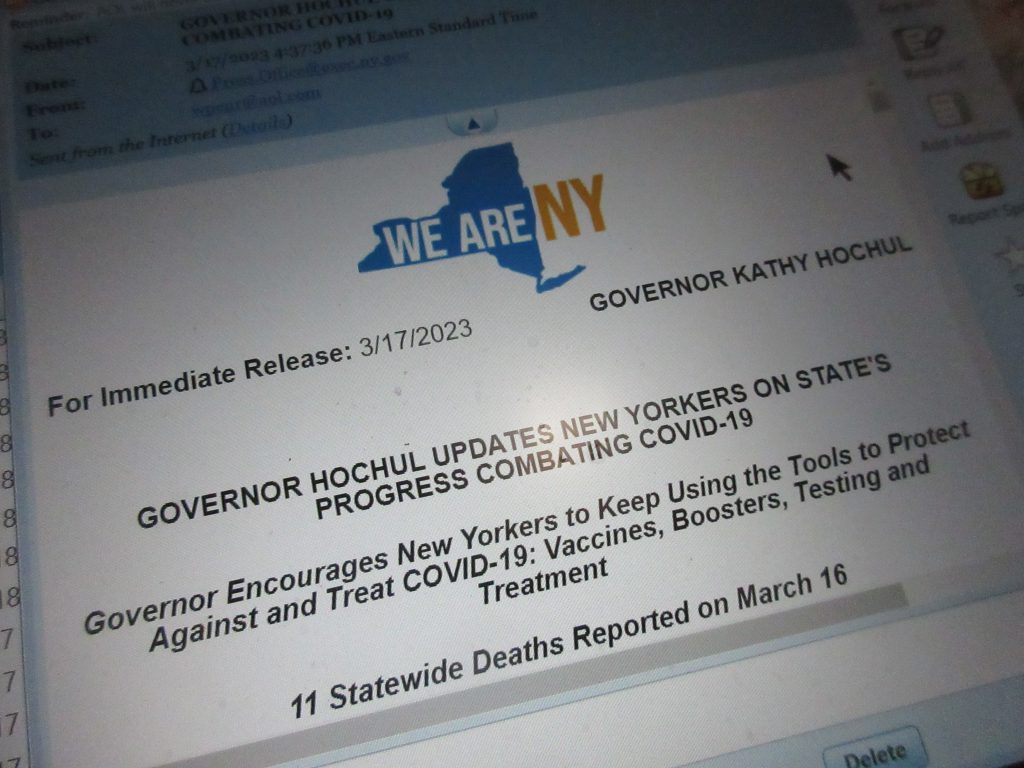
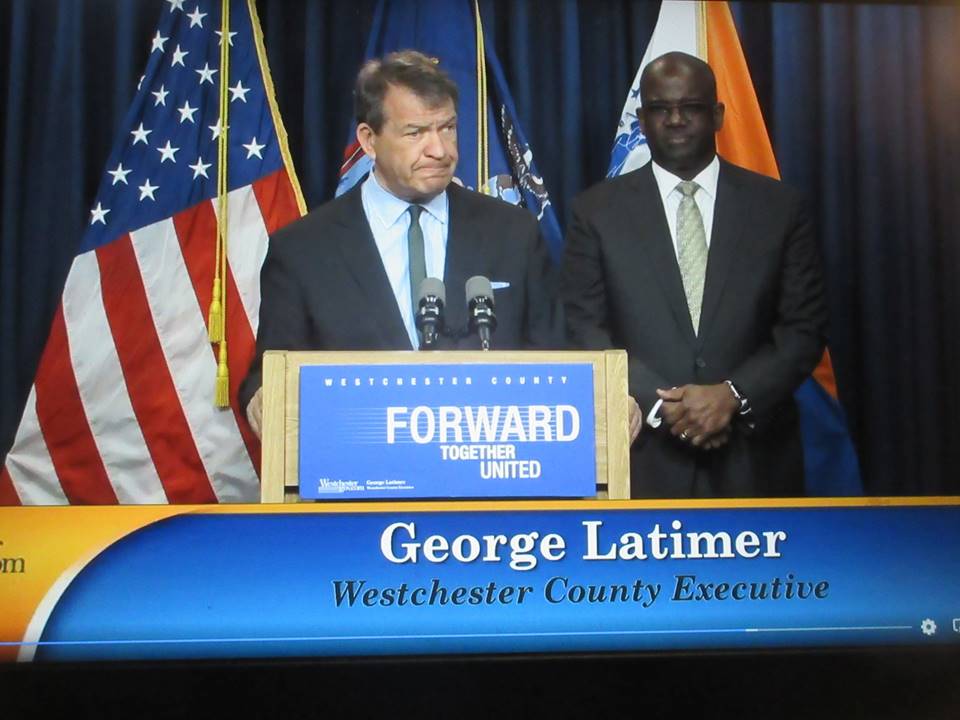
In Governor Kathy Hochul’s Friday Covid Update, (pictured above) the state announced it is cutting back on its daily covid reports of new covid cases and other statistics by county across the state to once a week on Fridays.
The reports that have been used by reporters throughout the state to monitor the rise and now 12-week decline in cases in Westchester County, will no longer be available to note trends.
This anticipated suspension of the detailed reports, first announced by the national Center for Disease Control a month ago when the covid emergency was declared over officially on May 11 by President Biden, will now hamper the public and the press abilities to tell what is going on with the pandemic.
The official notice issued Friday from the Governor’s Office reads:
“Starting today, March 17, and ahead of the federal government’s planned expiration for the COVID-19 public health emergency on May 11,
New York State’s COVID-19/vaccine news release will be issued weekly on Fridays until further notice.
The latest COVID-19 and vaccine data will continue to be available 24/7 on the New York State Department of Health’s online tracker.
Additionally, the State Department of Health is assessing changes to COVID data collection and reporting in collaboration with local health departments and health care providers, in order to alleviate the burden on providers and leverage other data sources to maintain its ability to monitor the state of the disease and health care delivery system capacity.
The agency remains committed to responding to the COVID-19 threat and continues to encourage New Yorkers to use the tools to protect against and treat COVID-19: Vaccines, boosters, testing and treatment. “
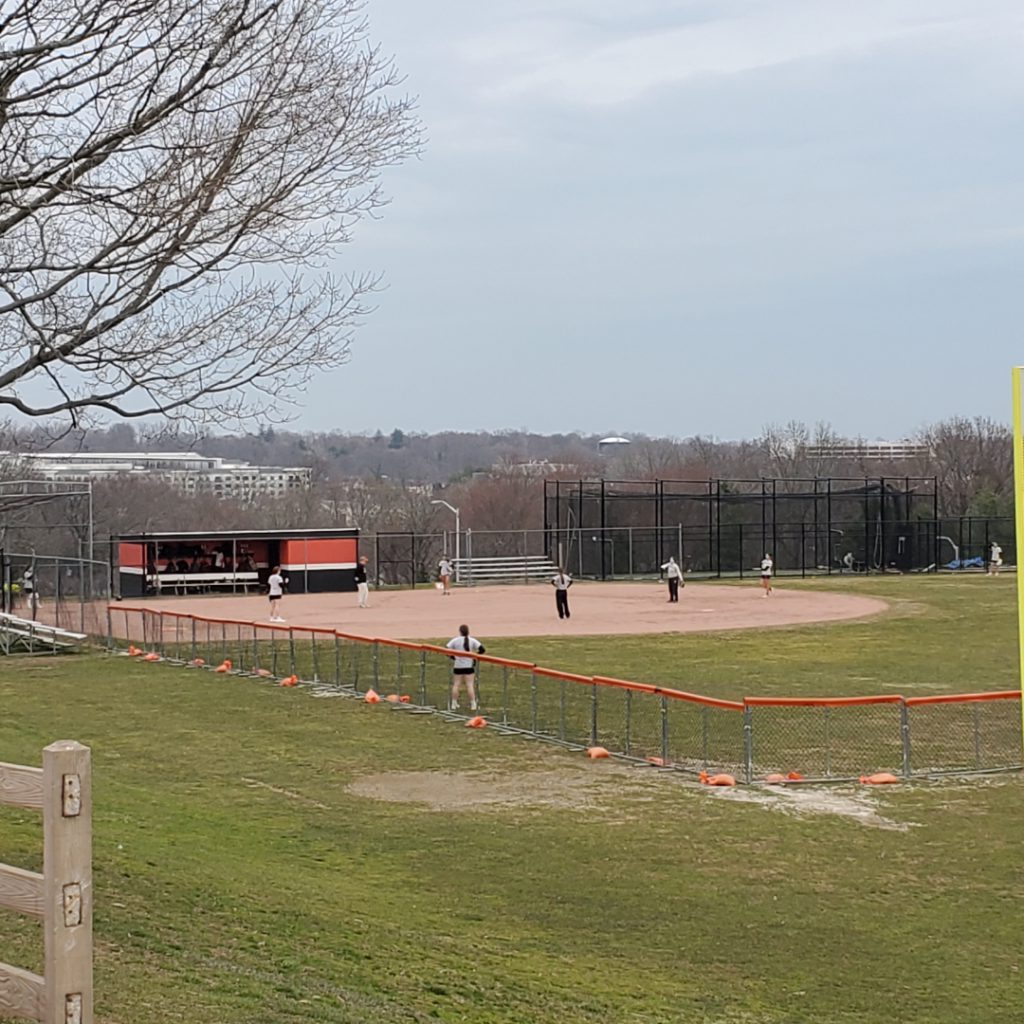
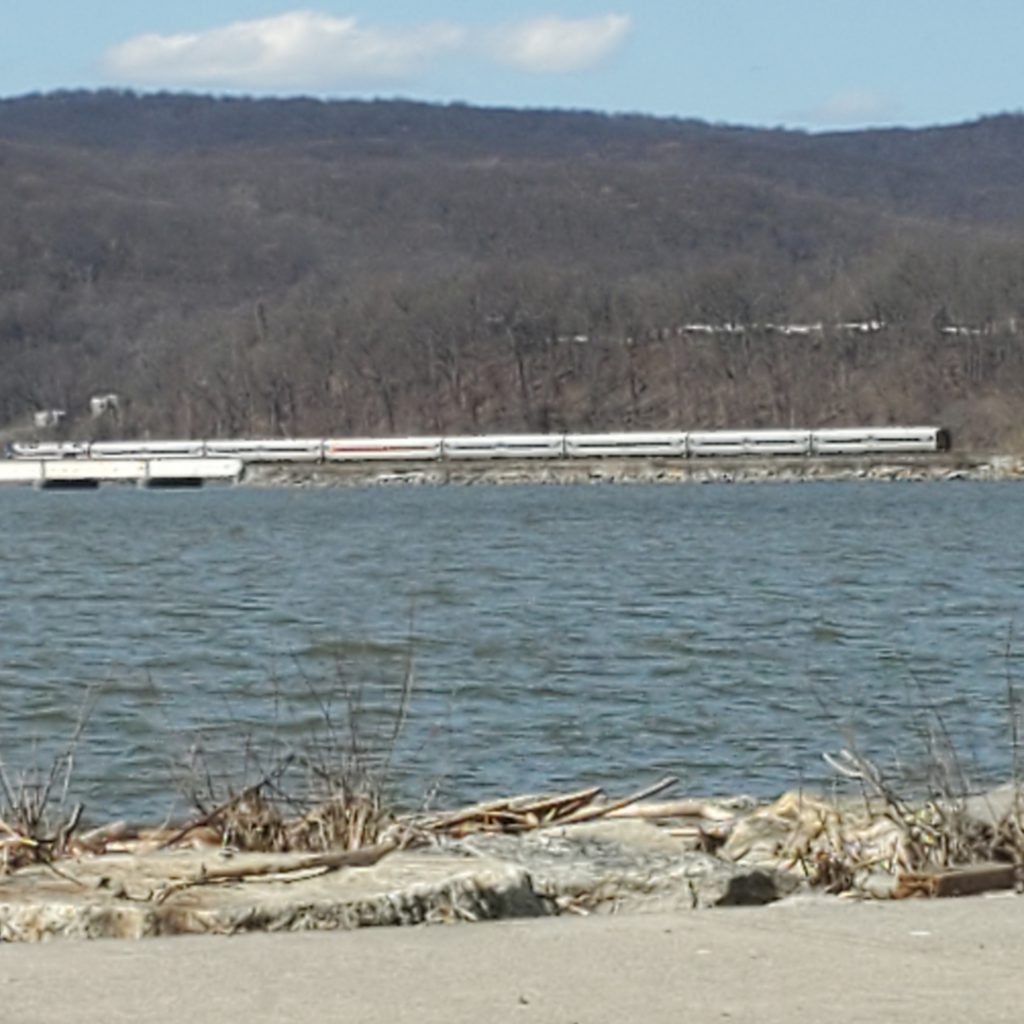
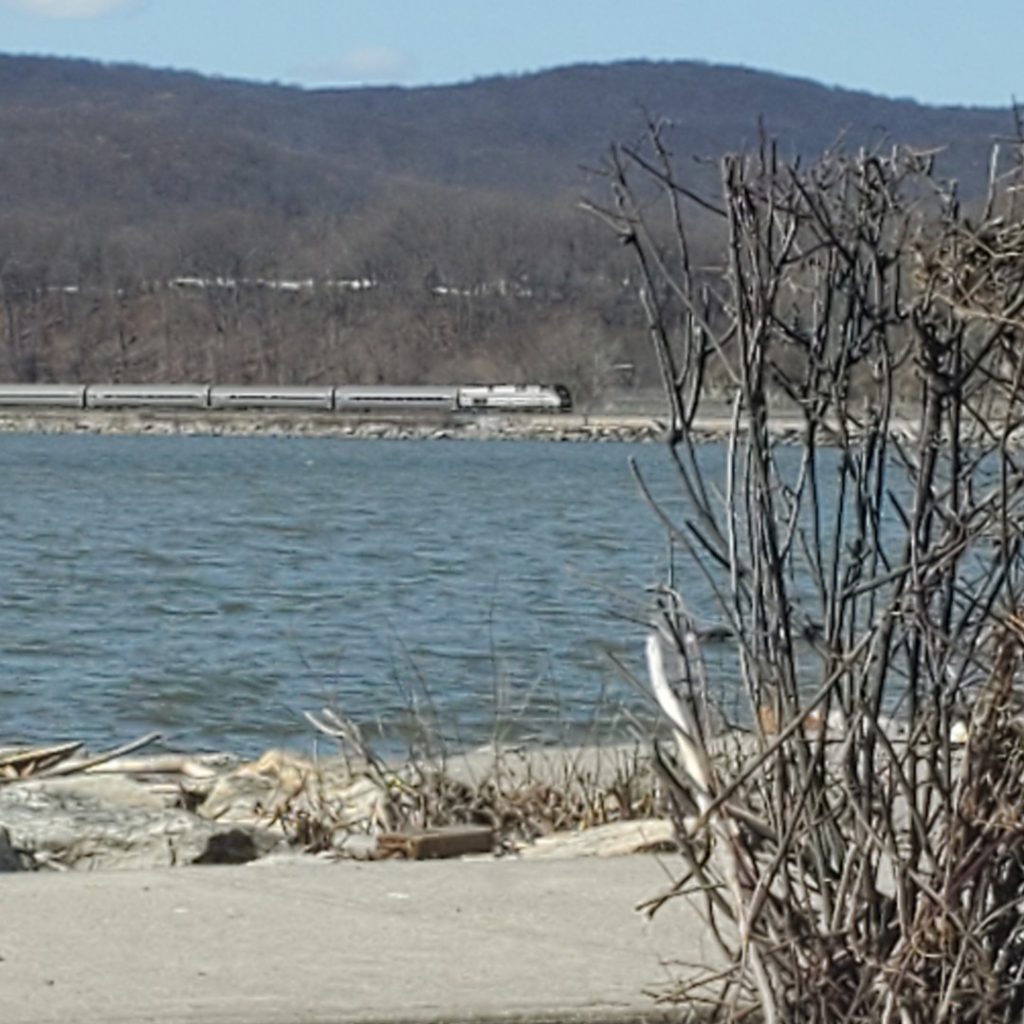
BALL IS BACK! The White Plains Varsity Softball team practicing for the first time outside Friday. The arms were firing rocket throws to first. The outfielders were ranging into the gaps on the run. Nothing like seeing a soaring blast backended on the line, a smash handled in the hole and bangout to first. Nothing gets the heart beat faster than ball up close. The Varsity working out outside arrived with the Robins this week.METRO NORTH ROLLING UP THE HUDSON RIVER LINE PEEKSKILL NY THE BEST PLACE TO TRAIN WATCH–FREIGHTS, AMTRACKING, STILL ROLLING AND NO CANCELLATIONS.AMTRACK’S MONTREALER ROLLING ROCKING THE HIGH IRON NONSTOP WITH THE BEST WHISTLE IN RAILROADING HIGH BALLING TO GRAND CENTRAL TERMINAL CROSSROADS OF THE WORLD SATURDAY.
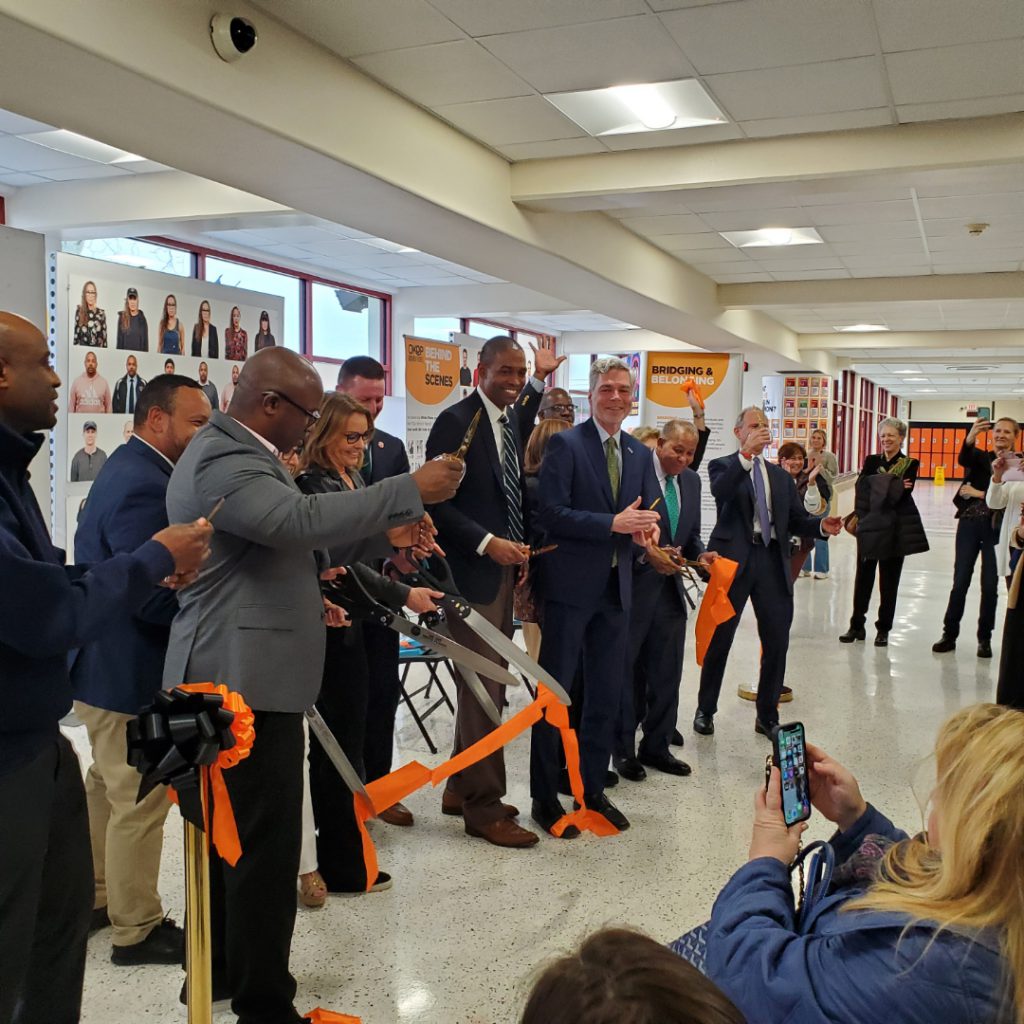
The NEW Multi-media Showcase Exposes Attitudes, Shatters Hate, Connects Students, Shows All Ages What Hate Reaps. Public views Monday at 3 PM. Eastview and Highlands Schools Host Next
WPCNR SCHOOL DAYS. By John F. Bailey. March 18, 2023:
Four hundred White Plains High School Students have seen it and come back for more.
The public gets its chance to see the exhibition Monday at 3 PM. It will move to Eastview Middle School and Highlands Middle School later in the spring. It is a meaningful hit with the students school officials related Friday afternoon at the official opening.
Mayor Thomas Roach of White Plains said that Ellen Berger had approached him with participating in the photo shoot and the idea for the exhibit to White Plains, and Dr. Joseph Ricca was enthusiastic, feeling the high school being the best place to make “We Are White Plains” message educate the children of White Plains on the consequences of hate, and the history of the Holocaust,.
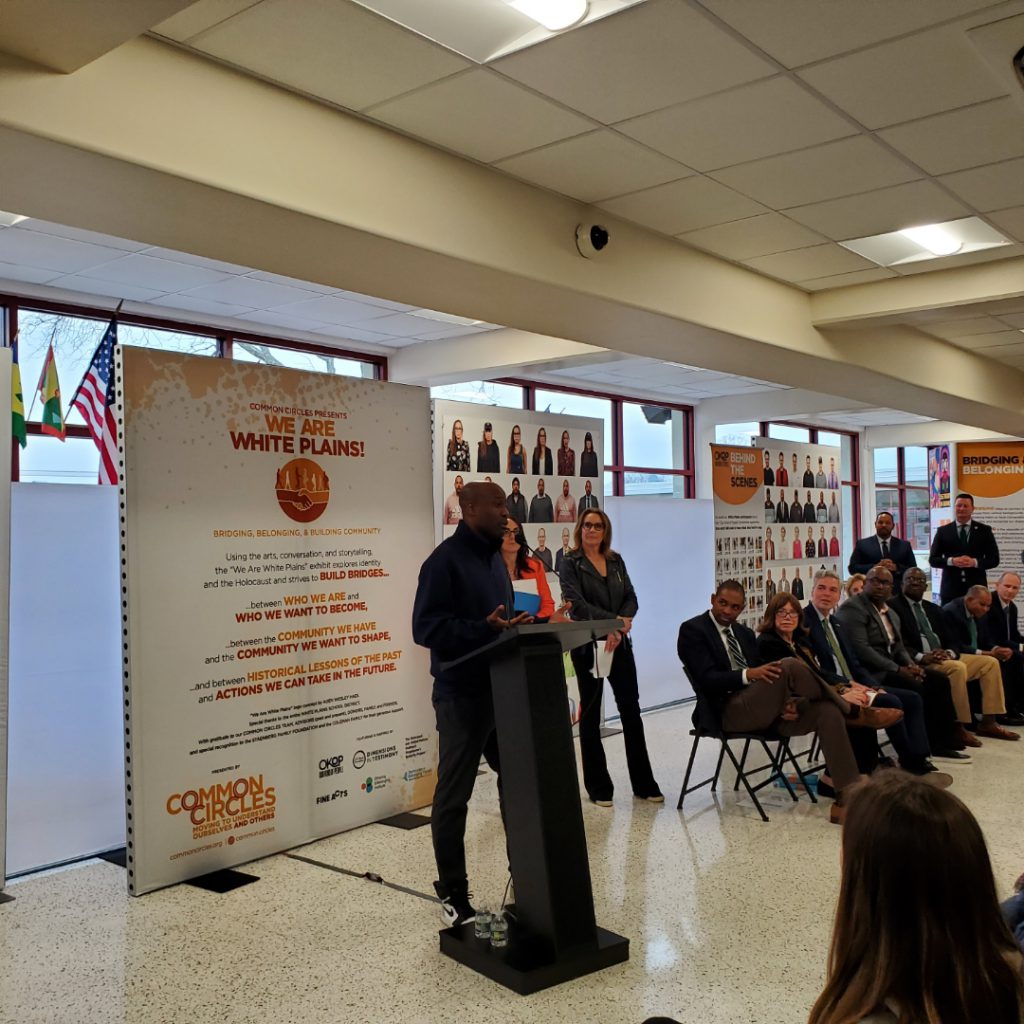
Beyete’ Ross Smith, the photographer of the pictures of local personalities displayed in the venture explained how he learned appearances can send a negative or a positive image was in college when he and his fellow classmates dressed up for a business conference they were invited to and spoke and dressed in “business talk,” and how differently they were perceived by the executives who ran the conference.
I asked him why all the photos he took were not smiling (to show a different impression of those photographs).
Mr. Ross Smith said people do not usually smile as they see you, but the appearance of how they look leaves the impression upon which impressions are based, on which initial first impressions (fear, suspicion, coldness) are formed. He is shown with the founders of Close Circles standing in the background.
Lieutenant Governor Antonio Delgado,in his opening address noted that Governor Kathy Hochul has made the Holocaust history mandated in curriculum for schools in New York State. He noted that the pictures of White Plains personalities on display in various outfits with stern faces, recalled his own youth of the rise of Hip Hop that gave expression to his generation, and observed the “traveling museum” as founders of Common Circles who custom created the show for White Plains using school and city officials, teachers, hoped to make it a traveling museum to go across the country in the future. A previous custom show was created for the Omaha Nebraska schools.
Lieutenant Governor Delgado said it would be a great traveling museum.
Dr. Joseph Ricca in his introduction to the exhibit emphasized that we all must be vigilant and fight against hate each time it rises in the community, “otherwise they win.” Ricca said the exhibit shows “where White Plains is going.”
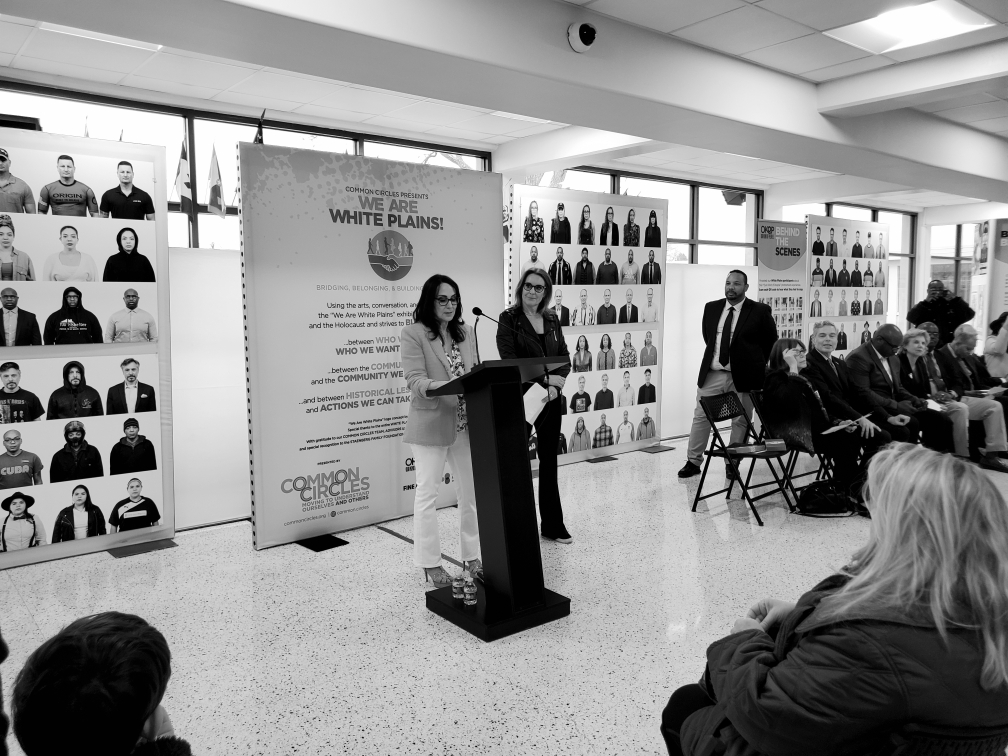
The founders of Common Circles introduced the ceremony before a crowd of well-wishers of approximately 75 people, Marla Felton, Founder,(left) and Sue Spiegel, Creative Director, explained how the concept came about. (This picture is shown in black and white to emphasize the visual point of Mr. Ross Smith’s photographs).
Ms. Felton said her uncle was a Holocaust survivor who was liberated from the Buchenwald death camp by General Dwight D. Eisenhower. “We Are White Plains is a tool for a model for schools across the nation Four hundred students have gone through the exhibit since last Wedsneday, and they want to come back.”
WPHS Principal Emerly Martinez told me the students are thrilled with the interactive nature of the show and it is very attractive to them. He said students use their free time during the school day to come back and learn from the past in an interactive little theatre in the White Plains Library, where they can listen and ask questions of
Anita Lasker-Wallfish and Alan Moskin, survivors of the Holocaust(below)
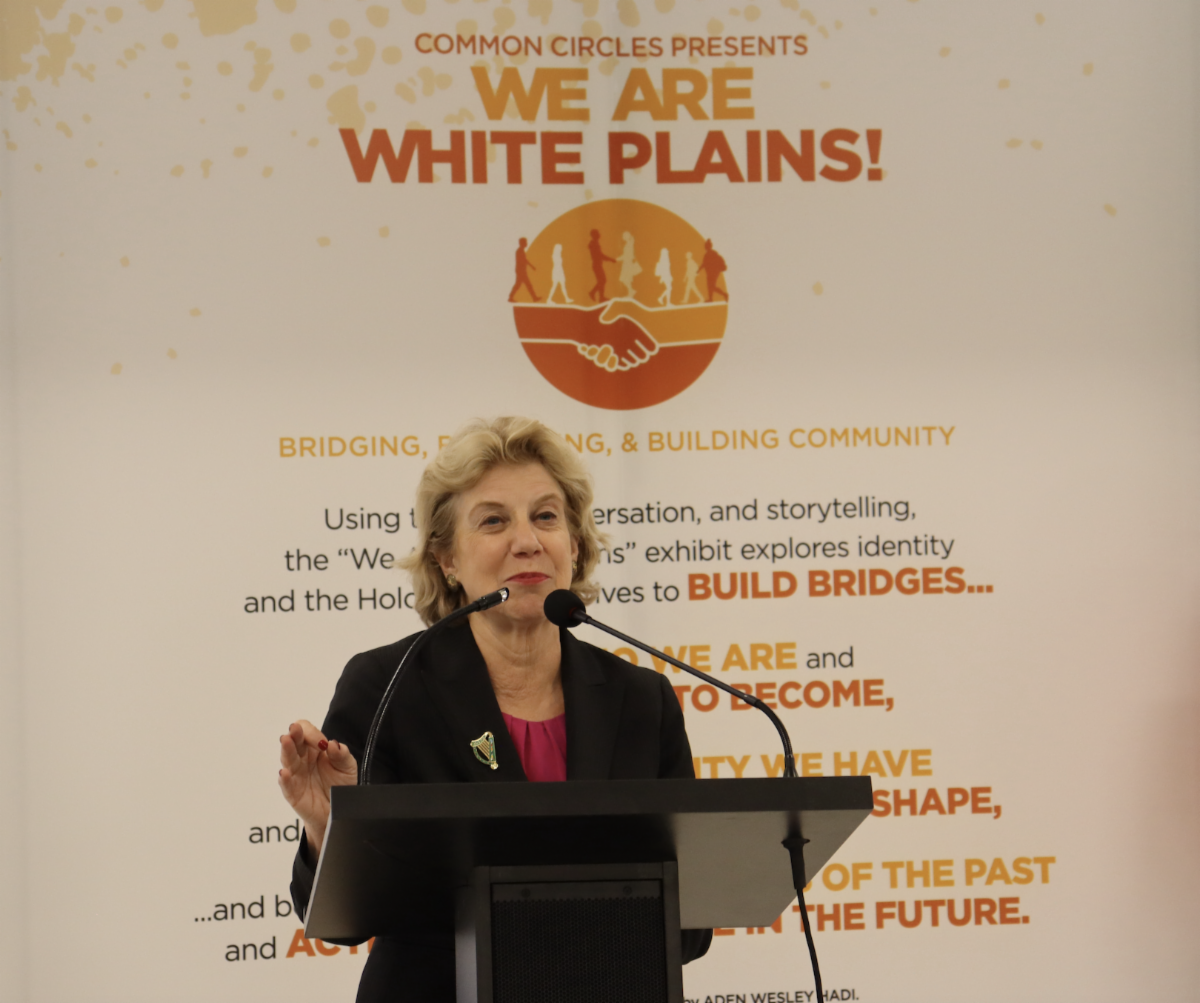
“I was honored to attend the grand opening of “We are White Plains,” a traveling, interactive exhibit that teaches about the Holocaust and focuses on identity, bridging, belonging, and building community.
I am also humbled and honored to have been featured in the exhibit, alongside other members of the Westchester community.
Students of White Plains High School have interacted with this exhibit throughout this past week, and each student has left learning more about history, empathy, and shared connections.
I applaud and thank Common Circles, the Non Profit that led this initiative, with their Founder Marla Felton and Creative Director Sue Spiegel; along with the Photographer, Bayetè Ross Smith. I also applaud the White Plains School District, the USC Shoah Foundation’s Dimensions in Testimony,and Ellen Berger for their unwavering support of this remarkable exhibit.
State Senator Shelley Mayer issued this comment on the exhibit:
I was honored to attend the grand opening of “We are White Plains,” a traveling, interactive exhibit that teaches about the Holocaust and focuses on identity, bridging, belonging, and building community.
I am also humbled and honored to have been featured in the exhibit, alongside other members of the Westchester community.
Students of White Plains High School have interacted with this exhibit throughout this past week, and each student has left learning more about history, empathy, and shared connections.
I applaud and thank Common Circles, the Non Profit that led this initiative, with their Founder Marla Felton and Creative Director Sue Spiegel; along with the Photographer, Bayetè Ross Smith. I also applaud the White Plains School District, the USC Shoah Foundation’s Dimensions in Testimony,and Ellen Berger for their unwavering support of this remarkable exhibit.
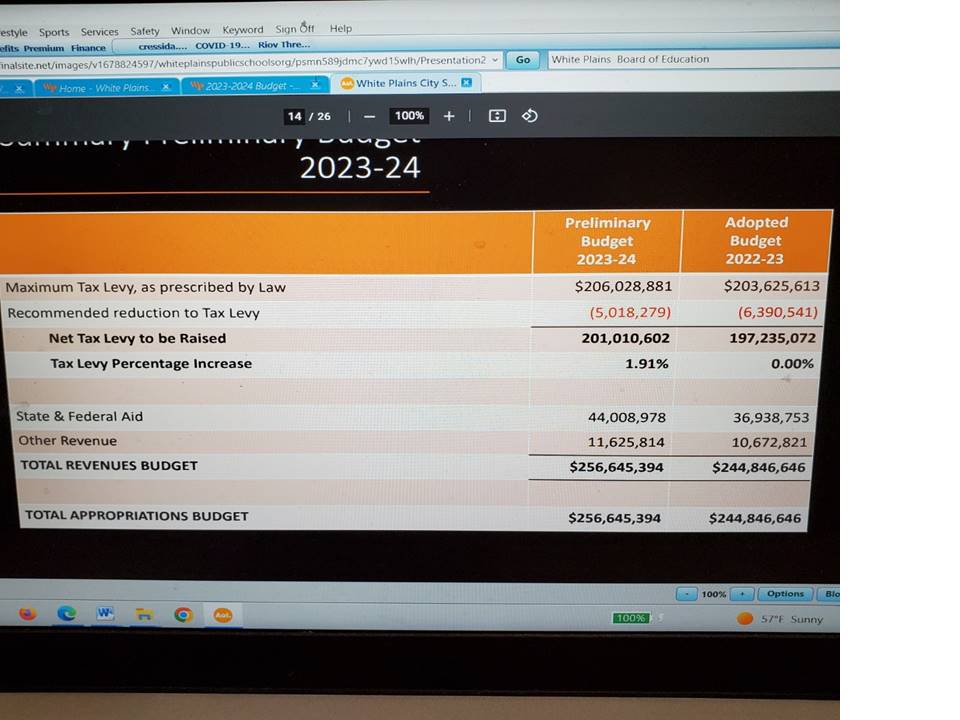
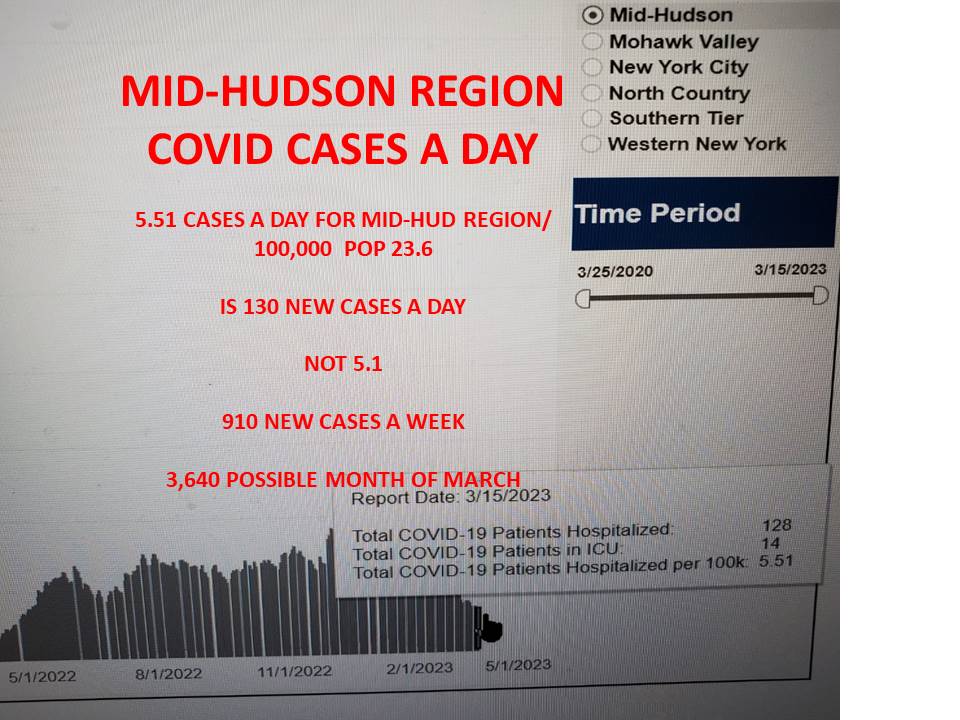
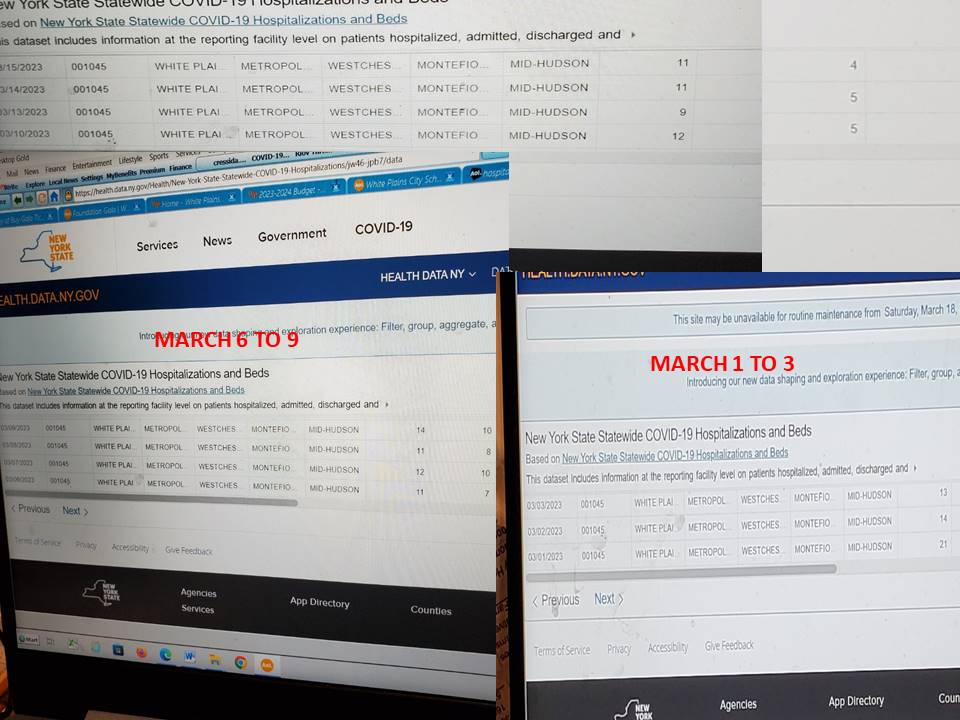
THE CITY SCHOOL DISTRICT PRESENTS THEIR 23-24 PROPOSED BUDGETGEORGE LATIMER SAYS TOWNS, CITIES SHOULD CREATE THEIR OWN AFFORDABLE HOUSING PLANS.SNOWY COLD WINDY MARCH. 1.9% TAX INCREASE IN WHITE PLAINS SCHOOL TAXES. JOHN BAILEY TAKES YOU THROUGH ITMID-HUDSON REGION COVID CASES ARE TRACKING FOR 3,000 NEW CASES IN MARCH. JOHN BAILEY SORTS IT OUTHOSPITALIZATIONS IN WHITE PLAINS HOSPITAL WITH COVID CASES EXPLAINEDWOMEN’S SUMMIT IN WHITE PLAINS COVERAGE WITH VIDEO OF APRIL RYAN’S ADDRESS







 Shelley B. MayerState Senator37th DistrictLegislative Update