DECEMBER 5– HEALTH NEWS FROM WASHINGTON: “THE UNITED STATES TOOK A STEP BACKWARD IN VACINE POLICY TODAY” DR. KATELYN JETELINA REPORTING

Hits: 195

The two-day meeting of ACIP—the committee that once guided evidence-based U.S. vaccine policy before being upended under RFK Jr.—just wrapped.

And… it was something else. Disgraceful. Unprepared. Dysfunctional. Incompetent. Terrifying. Embarrassing. Opaque.

Our children deserve better. Period.

In the end, the committee voted to move America back to pre-1991 (35 YEARS AGO) by removing the universal vaccination recommendation for the Hepatitis B infant dose despite no new evidence of harm and ignoring clear benefits.

They also recommended that parents ask clinicians for an antibody blood test to determine the need for subsequent doses, even though there’s no evidence that this works.

This ultimately shifts the burden to clinicians and parents and abdicates the responsibility of the recommending body.

While not the most catastrophic outcome, this change is going to have real consequences— with babies and families paying the price.

Where this goes from here depends on what happens next.

If confusion dominates headlines and clinical practice and falsehoods fill the void, the consequences will be serious.

But if we respond the way we saw many do today—pushing back with clarity, authority, evidence, coordination, and grassroots strength—the harm can be contained and minimized.

What actually happened and what it means to you

I’ll spare you the presentations.

Over the past two days, The Evidence Collective (TEC) counted more than 60 (we lost count after this) falsehoods, distortions, and outright lies being megaphoned from one of the nation’s highest committees. The potential damage from that alone is staggering. (The TEC debunk report is HERE; it was truly a herculean effort.)

However, there were also decisions made on your behalf. Two recommendations passed:

  • Vote 1 (translation): 
  • If the mother is Hep B-positive, get the birth dose. If Hep B status is unknown, get the birth dose. If Hep B-negative, shared clinical decision-making about the birth dose. If the patient chooses to delay, delay for at least 2 months.
    • Interpretation: This changes the universal birth dose recommendation to a risk-based one, reverting us to pre-1991.
    • This decision was not evidence-based. Hep B vaccine has one of the most well-established safety records of any vaccine. During the meeting, decades of favorable risk/benefit priorities were replaced by pseudoscience, baseless skepticism, and by non-experts.
    • Implications: We can expect to see hundreds of babies in the next decade who would otherwise not have contracted deadly chronic liver disease because of this change.
    • Importantly: If you do want a vaccine at birth, even if you don’t test positive, you still can (and should) get it and will be covered by insurance.
  • Vote 2 (translation): Parents can ask their clinicians whether to get an antibody blood test before Hep B vaccine doses 2 and/or 3.
    • Interpretation: As written, the recommendation is deeply confusing. The biggest issue: scientists do not know what antibody level guarantees long-term protection for babies, especially after just one dose. So the test can’t reliably tell families whether their child is actually protected.
    • Implications: Using a blood test to decide on Hep B vaccination means another infant blood draw, another appointment, and added costs for the health system and potentially for families.
    • And while the recommendation suggests insurers should cover this testing, ACIP has no authority over anything beyond immunization policy.
    • There’s also a practical concern: skipping Hep B doses 2 and 3 could disrupt how other routine infant vaccines are given, since many are bundled together (like DTaP and Hib). Under-immunized babies are at higher risk for preventable chronic liver disease.
    • Importantly: You can choose the standard 3-dose Hep B infant series and be confident that your baby is protected, without any extra blood draws.

A lot of us are exhausted and, unfortunately, our work is not done.

There will be increasing confusion about evidence-based vaccination options for parents, clinicians, hospital systems, and schools.

This will decrease vaccination coverage, leading to more disease and unnecessary suffering. Use your networks and voices to make sure new parents and clinicians are empowered to make evidence-informed decisions.

Why this didn’t become catastrophic — and what gives me hope

As a nation, we should strive for excellence, but the votes could have been even worse. The committee seriously considered removing the Hep B vaccine altogether or delaying it until the teen years. That didn’t happen—not because of this panel or its so-called “gold-standard evidence”—but because people, both inside and outside the room, refused to let ideology steamroll infants’ health. Their clarity, persistence, expertise, and coordination made a real difference.

A nationwide, grassroots effort leading up to this meeting helped protect science and parental choice:

  • Hep B working-group experts pushed back hard against proposals like removing the Hep B vaccine altogether, keeping discussions grounded in Americans’ freedom to access vaccines.
  • Pre-bunking teams and communication networks prepared the public and providers for falsehoods, educating them on the playbook and what to expect and to anticipate questions, concerns, and confusion.
  • Professional organizations put hours and hours and hours of work into reviewing the evidence in a balanced way, studying the impact of votes, outlining the implications of different votes, and coordinating across disciplines.

At the meeting, pushback was also on display:

  • Individuals spoke up within ACIP: There were two ACIP members—Meissner and Hibbeln—who pushed back hard on the unbalanced presentation of science, the unseriousness of the presentations, and the ridiculousness of the votes. “There were so many statements that I disagree with, it’s hard to be succinct,” Meissner said. I’m thankful they were there.
  • CDC scientists, working under impossible conditions, weren’t allowed in the room to present evidence, yet coordinated behind the scenes to protect the science. They also spoke up during the meeting. For example:
    • Adam LangerCDC’s lead on Hep B—did a truly heroic job. He was exactly what this country needed in that moment. He stood up, clearly laid out what evidence we do and don’t have, and reminded everyone that the U.S. is not Denmark. He acknowledged ACIP’s arguments, leveled with them, and then steered the discussion back to why we were there in the first place. It was a masterclass in redirecting and keeping the meeting on track. Someone please send this man some cookies.
  • Clinicians, professional societies, and trusted messengers were ready in real time to counter misleading narratives and explain the real risks and benefits to patients.
    • People like Jason Goldman at the American College of Physicians and other liaisons took every opportunity to deliver concise information when they were called upon.

Amid the dysfunction, a broad, determined coalition refuses to let ideology win.

The courage, teamwork, and clear voices proved that the scientific community and the public are not powerless.

They can still protect children’s health when institutions fail.

The people have far more power than we sometimes think.

Bottom line

The United States took a step backward in vaccine policy today,

which will have implications ranging from confusion to preventable liver disease and deaths.

But another important thing was on display: a huge grassroots effort refusing to let ideology override science. Do not come between public health, clinicians, and children’s health. We are fiercely devoted to them.

Love, YLE


Your Local Epidemiologist (YLE) is founded and operated by Dr. Katelyn Jetelina, MPH PhD—an epidemiologist, wife. YLE is a public health newsletter that reaches over 435,000 people in more than 132 countries, with one goal: to translate the ever-evolving public health science so that people are well-equipped to make evidence-based decisions. This newsletter is free to everyone, thanks to the generous support of fellow YLE community members.
Posted in Uncategorized

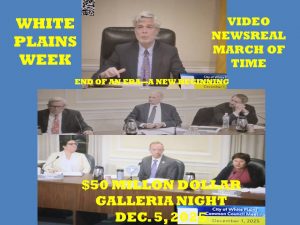
DECEMBER 5–WHITE PLAINS WEEK TONIGHT THE DEC 5 REPORT–FIOS CH 45 OPTIMUM CH 76 AND WWW.WPCOMMUNITYMEDIA.ORG ANYTIME

Hits: 154

REALLY  BIG BIG NEWSWEEK:

MAYOR ROACH

REFLECTS ON HIS 15 YEARS AS MAYOR

COUNCIL VOTES GALLERIA CITY MAY PROCEED TO NEXT STEP: A SITE PLAN.

SELLS CITY GARAGE TO DEVELOPER FOR $50 MILLION BUCKS, APPROVES LEASE FOR PARKIN RELIEF FOR 3 YEARS

TRIFECTA OF CASINOS  PLACED BY STATE IN BRONX, ASTORIA AND JAMAICA– YONKERS THE LOSER.

LOTTERY FOR AFFORDABLE HOUSING  CONDOS AND RENTALS KICKS OFF  2 LOCATIONS IN WHITE PLAINS

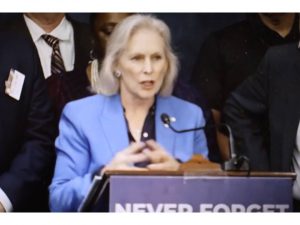
SENATOR GILLEBRAND’S ANTI TRAFFICKING RELIEF FOR VICTIMS PASSES HOUSE. SENATOR WAITS FOR SENATE TO PASS IT. 9 YEARS IN MAKING

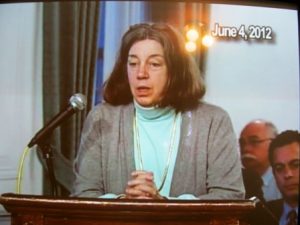
THE LEGACY OF

SUSAN HABEL 

NEVER TO BE FORGOTTEN

RELENTLESS MASTER PLANNER

SHE  CREATED THE WHITE PLAINS NEW YORK USA OF TODAY

TONIGHT ON WHITE PLAINS WEEK WITH

JOHN BAILEY

AND THE NEWS YOU NEED TO KNOW

EVERY WEEK ON WHITE PLAINS WEEK

FOR 24 YEARS

Posted in Uncategorized

DECEMBER 4—WESTCHESTER LEGISLATORS CUT PROPOSED TAX INCREASE IN 2026 PROPOSED BUDGET RESTORE SOME COMMUNITY FUNDS

Hits: 209

Legislators Reach Agreement on Changes to Budget


WHITE PLAINS, NY—The Westchester County Board of Legislators made significant revisions to the initial FY2026 County Budget, including a reduction in the County Executive’s proposed tax increase from 5.27% to 3.7%.

The Board prioritized the restoration of County funding for maternal health, the Westchester Works childcare scholarship program, and critical community-based organizations.

A diverse array of voices at the Board’s two recent public input sessions and formal public hearing this week informed legislators’ recommendations.

Legislators will vote on the FY2026 County budget at a Special Meeting on Monday, December 8th at 10:30 AM in the Board’s Legislative Chamber, 148 Martine Avenue, 8th Floor, White Plains, New York 10601.

Board Chairman Vedat Gashi (D—New Castle, Ossining, Somers, Yorktown) said, “I’m deeply grateful to the public for helping shape this budget and to my colleagues who worked tirelessly through this process. Our shared commitment to fiscal responsibility, compassion, and effective local governance has guided us every step of the way. This budget hasn’t been easy, but we’re standing up for working families, small business owners, and neighbors across Westchester.”

Legislator Jewel Williams Johnson (D—Elmsford, Greenburgh, Tarrytown, White Plains), Chair of the Board’s Budget and Appropriations Committee, said, “Our budget process is now nearing its culmination with the Board of Legislators’ Adds and Deletes Days, where my colleagues and I finalized negotiations with the County Executive and made careful changes to the proposed 2026 County budgets. This has been an especially difficult year, with deep federal cuts and decisions at the national level that have slowed the economy and led to a sharp drop in sales tax receipts—one of our primary sources of revenue. Despite these real constraints, we worked tirelessly to craft a balanced budget that protects core services and supports the programs, organizations, and communities that residents rely on every day. I am grateful to my colleagues, our staff, and our community partners for their persistence and advocacy in a challenging environment, and I remain committed to centering the needs of Westchester families as we move this budget toward final adoption.”

Majority Leader David T. Imamura (D—Ardsley, Dobbs Ferry, Edgemont, Hartsdale, Hastings-on-Hudson, Irvington) said, “I’m proud the Westchester County legislature is holding the line on taxes by cutting the County Executive’s proposed tax increase by 1.57%. In challenging times, we are working to ensure all residents can afford to live and work in Westchester.”

For more information, visit our budget dashboard HERE.

Posted in Uncategorized

DECEMBER 3–YOUR LOCAL EPIDEMIOLOGIST PREVIEWS VACCINE MEETING

Hits: 138

Tomorrow, ACIP—the advisory committee that guides U.S. vaccine policy—meets again for two days. This group has enormous influence on your access to vaccines: its decisions shape vaccine supply, insurance coverage (including Medicaid), clinicians’ understanding of what to offer you, how many doses hospitals and pharmacies stock, and the public’s confidence in what, where, when, and how to get your vaccines.

This meeting will focus on two things:

  1. Hepatitis B vaccine, including a vote that could meaningfully affect infant access in the U.S.
  2. The entire childhood immunization schedule, including its history, the number of doses, ingredients like aluminum, and whatever else they may pull out of their hat.

It’s going to be a ride. Mainly because a few months ago, RFK Jr. overhauled the committee, replacing long-standing experts with individuals ranging from longtime vaccine skeptics to Covid-19 contrarians.

So, here’s your guide to what to expect, including a proactive heads-up on the misleading claims likely to surface and a breakdown of the fallacies behind them. Whether you’re a clinician answering questions, a parent scrolling social media, or simply someone trying to find clarity in the chaos, I hope this is helpful.


Note: As I shared with paid subscribers yesterday, together with The Evidence Collective (TEC), we wrote a much deeper pre-bunk HERE that includes key background on all anticipated ACIP topics, practical communication guidance, a fallacy playbook, and a rundown of the falsehoods and rumors likely to surface. Below is a high-level summary.


What to expect

Credible sources suggest none—or very few—of the ACIP presentations will be delivered by CDC scientists or experts. Instead, external groups, including some with clear anti-vaccine track records, are slated to take the lead. This is highly unusual, and I’m incredibly concerned that data will be misinterpreted and misleading, and false claims will be presented as expert testimony.

Reviewing the timing, spacing, and risks of each vaccine requires scientific expertise because the stakes are high: get the evidence or timing wrong—or lose sight of the historical reasons behind these recommendations—and preventable diseases can come roaring back. And once falsehoods are aired in this forum, they can spread quickly, potentially amplified by one of the nation’s highest offices.

But there is good news.

  1. There is no vote for the childhood vaccination schedule as a whole. They will only discuss it. This means timing, spacing, and availability to you won’t change. The only vote is on the Hepatitis B vaccine, specifically whether to maintain the universal birth dose given within 24 hours of life.
  2. We know exactly what to expect. These players have relied on the same falsehoods and logical fallacies for decades. Their playbook hasn’t changed. That means we can prepare.

Thursday’s vote

The only vote tomorrow is on whether to keep the universal Hepatitis B birth dose, given within 24 hours of life. At September’s meeting, RFK Jr.’s ACIP proposed delaying it for infants born to mothers who test negative. This decision could significantly affect vaccine availability for infants and increase the overall number of infections.

Why the universal birth dose exists:

  • Babies are especially vulnerable—9 in 10 infants who catch it become chronically infected
  • 12–18% of U.S. pregnant women are never tested for hepatitis B.
  • Only 35% of women who test positive get recommended follow-up care.
  • The birth dose catches babies who fall through those cracks.

What the evidence shows:

  • No safety, efficacy, or long-term benefit to delaying.
  • Delaying to 2 months: 1,400+ additional infections, 480+ deaths per birth year.
  • Since 1991, the birth dose has cut pediatric hepatitis B infections by 99%.

: Reported number of acute hepatitis B cases in the United States by year, 1980-2023 and related policy milestones. Figure by CIDRAP. Annotated by Your Local Epidemiologist (red)

The birth dose exists precisely because screening isn’t perfect. The evidence doesn’t support changing that.

Then onto Friday

On Friday, the agenda is unusually broad: the entire childhood vaccination schedule. I expect it to be a waterfall of falsehoods. Here is some clarity on the topics they are likely to cover.

1. How the vaccine schedule is built—and why it exists

The childhood vaccine schedule isn’t new. The American Academy of Pediatrics (AAP) first introduced it in 1938, when just four vaccines existed: smallpox, diphtheria, pertussis, and tetanus. Those few vaccines alone prevented tens of thousands of childhood deaths each year. Over the following decades, the addition of vaccines for polio, measles, mumps, rubella, and others drastically reduced childhood illness, disability, and death.

Many diseases on today’s schedule are now rare because of vaccines. For example, once Haemophilus influenzae type b (Hib) vaccine was added in the late 1980s, cases of severe childhood meningitis and epiglottitis dropped 71% within two years. These diseases disappeared from everyday experience, not because they stopped existing, but because the schedule worked.

In 1995, AAP and ACIP created a unified national schedule, ensuring children across the country received consistent, science-based protection. Today, the schedule protects against 17 diseases. Each year, an updated version is published on CDC’s website.

2. Why vaccines are given when they are

The schedule is designed to protect children from dangerous infections as early as possible, while spacing doses to create the strongest immune response.

  • If given too early, maternal antibodies can interfere with some vaccines, or the child’s immune system may be too immature to build long-lasting protection.
  • If given too late, children remain vulnerable during the period when their risk of severe disease, hospitalization, or complications is highest.

Diseases like pertussis, measles, and pneumococcal infection are especially severe in infancy and early childhood. The schedule reflects decades of research into the biology of both children’s immune systems and the pathogens themselves.

Further spacing out vaccines doesn’t provide extra safety; it extends the window of vulnerability and makes families less likely to complete the schedule.

3. Do children get “too many” vaccines?

People hesitant about childhood vaccines often claim children receive 72 or 96 doses, but these numbers are misleading.

Children receiving vaccines according to the current schedule receive about 54 doses over 18 years, protecting against 17 diseases. And a third of those are yearly flu vaccines. Misleading and inflated counts might include every yearly flu and Covid-19 shot, count combination vaccines (like MMR) as separate vaccines, or count vaccines given to pregnant mothers. The exact number varies based on timing, catch-up schedules, health conditions, and available formulations.

Our immune systems can’t be overwhelmed, either. Today’s vaccine antigens represent a tiny fraction of what immune systems encounter daily from normal environmental exposures. For example, young children average up to 8 to 12 colds per year. Routine infections stimulate strong immune responses—thankfully, that’s how we recover from illness. Children’s bodies are made to respond and learn from what they’re exposed to, and are not “overwhelmed.”

It’s true that children born before the 1990s received fewer vaccines than today’s kids. But over the years, we’ve exposed children to fewer and fewer antigens (parts of microbes that stimulate the immune system) while protecting against more diseases. Because we target immune protection far more efficiently. In the mid-1980s, children were exposed to 3,000 antigens in vaccines. Now it’s 180.

Figure made by Your Local Epidemiologist

4. Has the entire vaccine schedule been studied?

Hundreds of studies have examined the safety of individual vaccines and common combinations, but few have evaluated the entire childhood immunization schedule. Studies in other countries that have similar vaccination schedules have found no red flags:

  • A German study compared disease rates among kids who completed the vaccine schedule to those who didn’t. As expected, unvaccinated individuals have a much higher rate of vaccine-preventable diseases.
  • U.K. study of nearly six million childhood vaccine doses found that administering vaccines according to the schedule is safe—any increase in reactions was limited to mild, temporary effects such as fever.

Ethical and feasibility considerations constrain research to the fullest extent. Randomized trials assigning children to delayed or no vaccination would require withholding proven protection, which is unethical. We continually evaluate safety through trials of each new vaccine, during which children receive the full existing schedule, effectively testing the schedule and the new product. Regulators require additional “concomitant use” studies to assess how vaccines interact when given together, ensuring they are tested in the same combinations and at the exact timing used in real life.

5. Aluminum, ingredients, and other familiar targets

Aluminum has been used safely in vaccines for more than 90 years.

Trace amounts of aluminum in shots strengthen the immune response, helping the body develop better protection. It allows vaccines to use smaller amounts of antigen and reduce the number of doses needed.

Fortunately, we have recent and high-quality data showing this is safe. A recent Danish study examined more than 1.2 million children born between 1997 and 2018, following them for up to 24 years—one of the largest vaccine safety studies ever conducted. Researchers analyzed 50 different conditions: autoimmune, allergic, and neurodevelopmental, including autism and ADHD. They tested whether greater aluminum exposure was associated with a higher risk of disease. They found no evidence of harm, no dose-response relationship, and no increased risk for any of the 50 conditions studied.

There are other options. (Currently, five adjuvants are available on the market.) However, companies would need to develop new vaccine formulations with alternative adjuvants and conduct new clinical trials. This would be expensive and difficult on a practical level (recruiting enough participants, getting enough cases of disease to determine whether the vaccines actually work as well or better than the aluminum-adjuvanted ones, etc.). Furthermore, aluminum adjuvant is already preferred in childhood vaccines because it tends to be much better tolerated than other adjuvants.

How to recognize the playbook

It’s impossible to anticipate each potential misleading or false claim that may emerge this week. DNA fragments in vaccines will likely come up. Autism almost certainly will. Responding to vaccine falsehoods and rumors, as we’ve done here, can feel like whack-a-mole—refuting one false statement after another in a never-ending cycle. So, while we work to debunk specific claims, it’s equally important to understand the underlying tactics. Recognizing patterns will help us all be more discerning, regardless of the topic.

Watch for:

  • False authority (non-experts framed as experts)
  • Appeal to fear (magnifying tiny risks, minimizing bigger ones)
  • Correlation ≠ causation
  • Cherry-picking (one flawed study vs. dozens of high-quality ones)
  • Moving goalposts (“if it’s not thimerosal, then aluminum… or DNA…”)
  • Reversing the burden of proof (demanding that others disprove a claim instead of providing evidence for it)
  • Anecdotes as evidence
  • Naturalistic fallacy (“natural immunity is better”)
  • False balance (“both sides” even when evidence is lopsided)

These tactics matter because they’re designed to confuse, overwhelm, and erode trust. Not inform.

Bottom line

These vaccine policy meetings have real-world consequences—for your access to vaccines, for how diseases show up in your community, and for the rumors and falsehoods that will inevitably flood social media, podcasts, and other information spaces.

We’ll be back with Cliff notes from the meeting and, most importantly, what it all means for you.

Love, YLE, Unbiased Science, and The Evidence Collective


Your Local Epidemiologist (YLE) is founded and operated by Dr. Katelyn Jetelina, MPH PhD—an epidemiologist, wife. YLE is a public health newsletter that reaches over 400,000 people in more than 132 countries, with one goal: to translate the ever-evolving public health science so that people are well-equipped to make evidence-based decisions. This newsletter is free to everyone, thanks to the generous support of fellow YLE community members.

Your Local Epidemiologist is a reader-supported publication. To receive new posts and support my work, consider becoming a free or paid subscriber.

Posted in Uncategorized

DECEMBER 3–WASHINGTON CUTS IN HOMELESS AIDS ENDANGER COUNTY-STATE HOMELESS

Hits: 119


WESTCHESTER COUNTY EXECUTIVE KEN JENKINS ISSUES STATEMENT

ON SUIT OVER CUTS TO HOMELESS HOUSING PROGRAM

“I want to thank Attorney General Letitia James for her leadership in standing up to the Trump Administration and fight to protect billions of dollars to fight homelessness. 

“Over 170,000 people are at risk of homelessness as a result of this new Trump policy. 

Here in Westchester, the stakes could not be higher. Based on our initial review with the Departments of Mental Health and Social Services, these new federal restrictions could result in up to $26 million in lost revenue, funding that directly supports permanent housing, rental assistance, mental health services, and critical programs for people experiencing homelessness.

This would jeopardize stability for thousands of Westchester families, individuals with disabilities, veterans and young people who rely on the proven success of the Housing First model.

“We are deeply concerned that these changes would not only dismantle effective, evidence-based programs, but also penalize providers who serve LGBTQ residents and those with mental health challenges.

“We will do all we can to ensure these cuts are stopped and that our residents continue to receive the housing and supportive services they need to live.”

Posted in Uncategorized

DECEMBER 2— DR. MARISA DONNELLY FOLLOWING THE FLU IN THE GREAT NORTHEAST

Hits: 156

Posted in Uncategorized

DECEMBER 2–YOUR LOCAL EDPIDEMIOLOGIST “PRE-BUNK GUIDE” AS VACCINE PANEL MEETS

Hits: 179

View in browser

Your ACIP pre-bunk guide

For paid subscribers

Well, folks—time to buckle up for another ACIP meeting this Thursday and Friday.

This external advisory committee shapes U.S. vaccine policy, and its decisions carry significant weight:

They influence private insurance coverage, determine what’s accessible to Medicaid patients, and drive public and clinician perceptions, access, and confusion about vaccines.

This will be the third meeting since RFK Jr. overhauled the committee, replacing long-standing members with individuals ranging from long-time vaccine skeptics to Covid-19 contrarians.

In other words, brace yourself: this week is likely to be loud with vaccine falsehoods.

I’ll be sharing a longer post with the full YLE audience tomorrow on what to expect, but I wanted to give you—a paid subscriber—a first look at a resource to help you prepare if you’re stepping into conversations.

Together with The Evidence Collective (TEC), we put together a pre-bunk that includes key background, practical communication guidance, a fallacy playbook, and a rundown of the falsehoods and rumors likely to surface around the childhood immunization schedule, Hep B, the pediatric Covid-19 vaccine–death debacle, and more.

Download the resource below!

Prebunk+dec+acip Tec+brief
4.67MB ∙ PDF file
Download

We hope this gives you the context, tools, and framing you need to engage confidently, clearly, and authoritatively in conversations—whether you’re a clinician fielding questions, a parent navigating social media, or someone looking for clarity rather than chaos.

Love, YLE and the TEC contributors*


*Marisa Donnelly, PhD; Annicka Evans, PhD; David Higgins, MD, MPH; Katelyn Jetelina, MPH, PhD; Elisabeth Marnik, PhD; Edward Nirenberg; Jessica Steier, DrPH

Your Local Epidemiologist (YLE) is founded and operated by Dr. Katelyn Jetelina, MPH PhD—an epidemiologist, wife. YLE is a public health newsletter that reaches over 400,000 people in more than 132 countries, with one goal: to translate the ever-evolving public health science so that people are well-equipped to make evidence-based decisions. This newsletter is free to everyone, thanks to the generous support of fellow YLE community members.

Posted in Uncategorized

DECEMBER 2–COUNCIL APPROVES $50 MILLION SALE OF CITY OWNED GALLERIA GARAGES APPROVES REZONING GALLERIA PROPERTY AS TRANSIT DISTRICT 2. SITE PLAN TO COME

Hits: 358

SOLD FOR $50 MILLION

MAYOR TOM ROACH, COUNCILMAN JOHN MARTIN AND COUNCILWOMAN JEN PUJA SAY FAIRWELLS. 

WPCNR COMMON COUNCIL CHRONICLE EXAMINER. By John F. Bailey. December 2, 2025:

The Common Council enabled the Galleria City rebuild of the former Galleria Mall to go forward last night with all Councilmembers lauding the project as necessary for the city to grow in the future.

The council approved selling the city-owned garages to LCOR the developer for a sum of $50 Million to be financed, and leased back for a 3 year period.

 Councilman  (and Mayor Elect) Justin Brasch  said the demolition of the garages would cost the city 25 to 30 Million dollars, which the developer will  now pay. Brasch remarked the city was assured of more affordable housing units than first provided by previous plans, and 40% more open space and that now it was time to “move on to the site plan.”

Councilman John Martin said the approval of the sale of the garages , in addition the city was offering the developer a density bonus, providing the new project with incentives for proving more affordable housing and allowing higher occupancy  buildings in return for more affordable housing units.

Councilwoman  Jen Puja noted the developer has agreed to a Project Labor Agreement that would include union and local contractors on the project.

Council President Victor Presser noted it had taken 2 years to get to this compromise, but emphasized there is “more to do” to decide what should be on that site. She said “without this rezoning, the project is dead.”

Councilman Jeremiah Frie-Pearson stressed the new Galleria would be a $2 billion project and would greatly benefit the residents of the city.

Councilman Richard Payne said the go-ahead on the project was “in the best interests of the city,” but cautioned this agreement was a “Memorandum of Understanding, and “there was  more to be negotiated.

At the beginning of the Council Meeting, John Martin Jen Puja and Mayor Roach announced they were leaving the Common Council, Mr. Martin after 14 years,Ms.. Puja to move into higher office as County Legislator for District 5 and the Mayor as newly elected County Clerk. You can hear their final addresses in the first  15 minutes of the video of last night’s council meeting at

https://whiteplainsny.new.swagit.com/videos/362255

In a public hearing on the new garage for White Plains Hospital, after several townspeople expressed concern that there was not adequate public parking on Post Road for the residences along East Post Road,  and hoped the public would be able to park in the new 8-story garage planned, William Null the Chairman of the Board of White Plains Hospital  said there would be no public parking allowed in the new garage. He said 180 spaces would be reserved for residents of Brookfield Commons, a White Plains Housing Authority site, (now about to begin its third rebuild at 159 Lexington, with two more to go).

The Council closed the public hearing of the Hospital garage and approved the project.

Posted in Uncategorized

DECEMBER 1 —HOUSE PASSES SENATOR GILLEBRAND’S ANTI- HUMAN TRAFFICKING BILL VICTIMS RELIEF

Hits: 162

GILLIBRAND, HYDE-SMITH STATEMENT ON HOUSE PASSAGE OF THEIR LEGISLATION TO SUPPORT VICTIMS OF HUMAN TRAFFICKING 


Washington, D.C. – Today, U.S. Senators Kirsten Gillibrand (D-NY) and Cindy Hyde-Smith (R-MS) released the following statement on the House’s unanimous passage of the Trafficking Survivors Relief Act, which would enable survivors of human trafficking to have nonviolent offenses that they were forced to commit vacated and expunged:

“We applaud the House’s passage of our Trafficking Survivors Relief Act, which represents a monumental step forward in supporting victims of human trafficking. This bill would help stop a vicious cycle that leaves trafficking survivors vulnerable to further exploitation, protecting those who escape their horrible circumstances from subsequently having to face criminal prosecution, imprisonment, and related problems finding employment and housing. We urge our Senate colleagues to pass this bill and get it to the president’s desk without delay.”

Senator Gillibrand first introduced the Trafficking Survivors Relief Act with a bipartisan group of colleagues in 2016. She has reintroduced the bill in every subsequent Congress, most recently with Senator Hyde-Smith in July 2025.

In addition to allowing survivors of human trafficking to have nonviolent criminal convictions or arrest records they incurred while being trafficked vacated and expunged, the Trafficking Survivors Relief Act would also:

  • Allow for an individual’s status as a victim of trafficking to be a mitigating factor for courts to consider when imposing a prison sentence for violent crimes.
  • Require U.S. attorneys to submit a report one year after enactment detailing the number of motions filed under the law.
  • Ensure that grant funding provided by the Office for Victims of Crime and the Office on Violence Against Women can be used for legal representation for post-conviction relief activities.
Posted in Uncategorized

DECEMBER 1– WPCNR WEATHERRRRRRRRRRRRRRR! 35 DEGREES AND CLEAR 6 PM “FEELS LIKE SNOW”

Hits: 180

GOVERNOR HOCHUL URGES CAUTION AS NOR’EASTER IS FORECAST TO DELIVER FIRST MAJOR SNOWFALL FOR MAJORITY OF NEW YORK

Winter Storm Watches, Winter Storm Warnings and Winter Weather Advisories in Effect for Many Areas North of New York City

Storm Will Cause Difficult and Potentially Dangerous Commutes Tuesday; Avoid Unnecessary Travel if Possible

New Yorkers Can Sign Up for Weather and Emergency Alerts by Texting 333111

Governor Kathy Hochul urged New Yorkers to exercise caution ahead of a Nor’easter system forecast to bring the first major snowfall for much of the state beginning early Tuesday morning. Winter Storm Watches and Warnings are in effect for parts of the Southern Tier, Mohawk Valley, North Country, Mid-Hudson and Capital Regions where snow totals could surpass 7 inches.

Winter Weather Advisories are in effect for parts of the Western New York, Central New York, Finger Lakes and Mid-Hudson regions which are expected to receive less than 6 inches of snow. The storm is expected to create difficult driving conditions during the Tuesday morning and evening commutes. New Yorkers should do their best to avoid unnecessary travel on roadways, however if unable to, it will be important to leave extra time for traveling and always remember to avoid crowding plows when they are servicing roadways.

“While New Yorkers are no strangers to snow, and preparedness is key to staying safe on the roads and at home,” Governor Hochul said. “Ahead of this snowfall, I’m encouraging New Yorkers to make a plan – stock your car with safety essentials and leave extra time when traveling. State agencies stand ready to assist New Yorkers throughout the storm and our plow crews will be out keeping our roadways safe, but we encourage everyone to be weather aware and closely monitor the forecast.”

Snow is possible statewide, with the highest totals across the Mid-Hudson and Capital Regions. Accumulations of four to eight inches of snow are expected, with isolated totals of up to one foot possible in the higher elevations of the Catskills. Snowfall totals will depend on elevation and daytime temperatures will be near freezing.

In addition to preparing for snow, New Yorkers should also prepare to protect against the dangers that can result from colder weather and winter activities. Under state regulation, a Code Blue is automatically in effect whenever the temperature and wind chill equal less than 32 degrees.

Local social services districts are legally required to take necessary steps to ensure those experiencing homelessness have access to shelter and that shelter hours are extended. Cold Weather tips from the Department of Health can be found here; additional tips for preventing frostbite and hypothermia can be found here; information on Carbon Monoxide poisoning can be found here; information on the proper use of generators can be found here; safe winter driving tips can be found here.

The New York State Department of Labor advises workers and employers to engage in extreme cold weather best practices such as:

  • Limit outdoor work, provide frequent breaks in warm areas and schedule outdoor work during the warmest times of the day.
  • Ensure access to clean drinking water.
  • Stay hydrated with warm beverages and avoid drinking caffeine.
  • Wear proper PPE, including at least three layers of clothing, gloves or mittens, thick socks, insulated footwear and a hat, hood or hard hat liner.

More Information on best practices for working in cold weather can be found here.

Winter Storm Watches, Winter Storm Warnings and Winter Weather Advisories have been issued, and New Yorkers should closely monitor their local forecasts and look for updates issued by the National Weather Service. For a complete listing of weather alerts, visit the National Weather Service website at alerts.weather.gov.

New Yorkers should also ensure that government emergency alerts are enabled on their mobile phones. They should also sign up for real-time weather and emergency alerts that will be texted to their phones by texting their county or borough name to 333111.

Posted in Uncategorized