532 of 3,256 White Plains Students Opt Out of NYS Math Assessment Tests

Hits: 157

WP_20170510_12_33_06_Pro

WPCNR SCHOOL DAYS. By John F. Bailey. May 10, 2017:

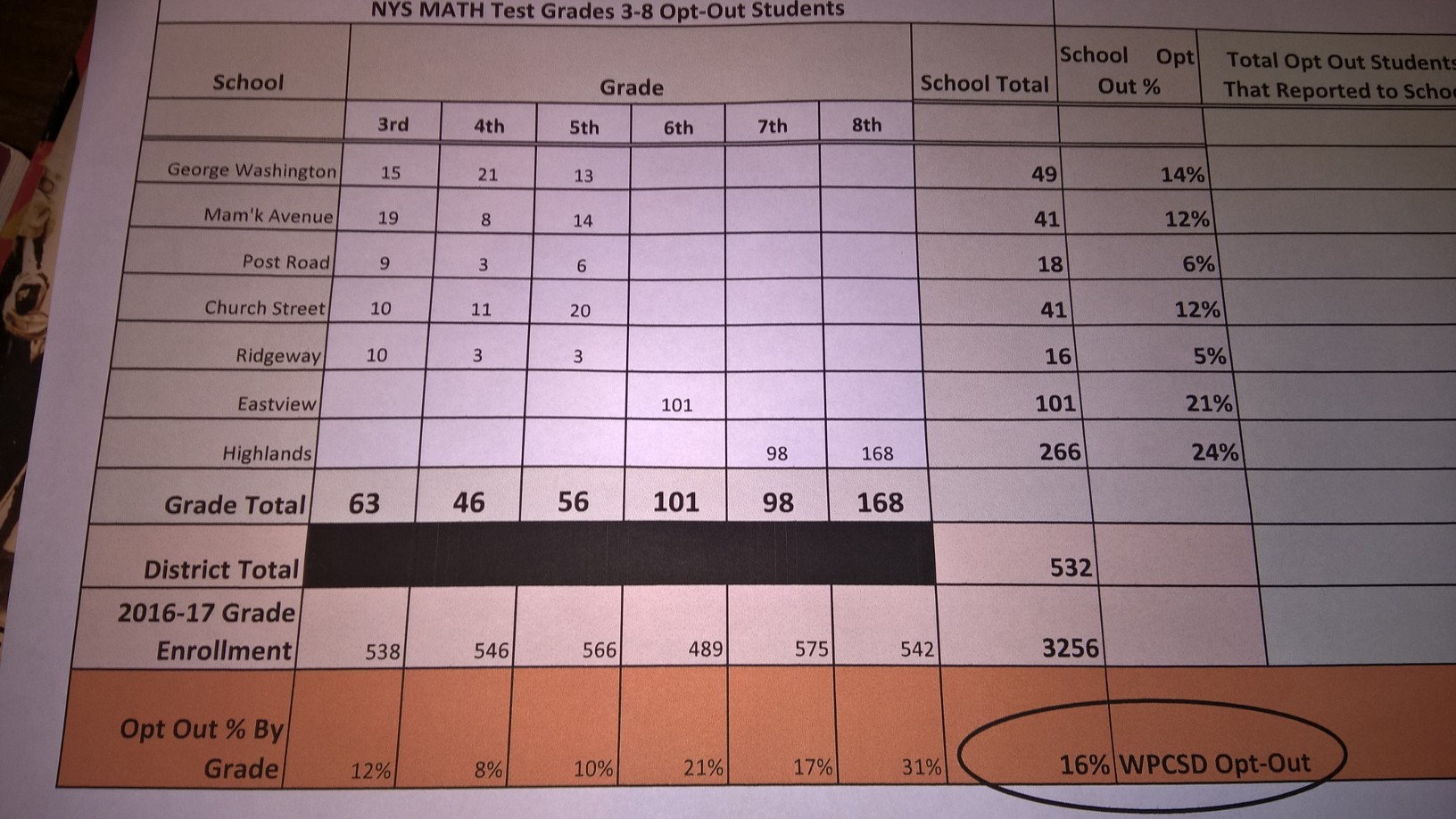
The White Plains City School District reported today that 16% of students taking the New York State 3 to 8 Grade Math Assessment Tests did not take the test, 532 of 3,256.

The majority of so-called “Opt-Outs” were in the

6th 7th and 8th grades where 367 of 1,606 – 23% were held out of the Math tests.

In the 3rd to 5th grades (elementary level), 165 of 1,650 children – 10%–were kept of the exam.

The pattern of heavy opting-out in the 6, 7th and 8th grades echoed the trend in the ELA Assessments two weeks ago.

A total of 520 of 3,256 Students in Grades 3 to 8 in the White Plains City Schools “opted-out” of the New York State English Language Assessment Tests—also 16%.

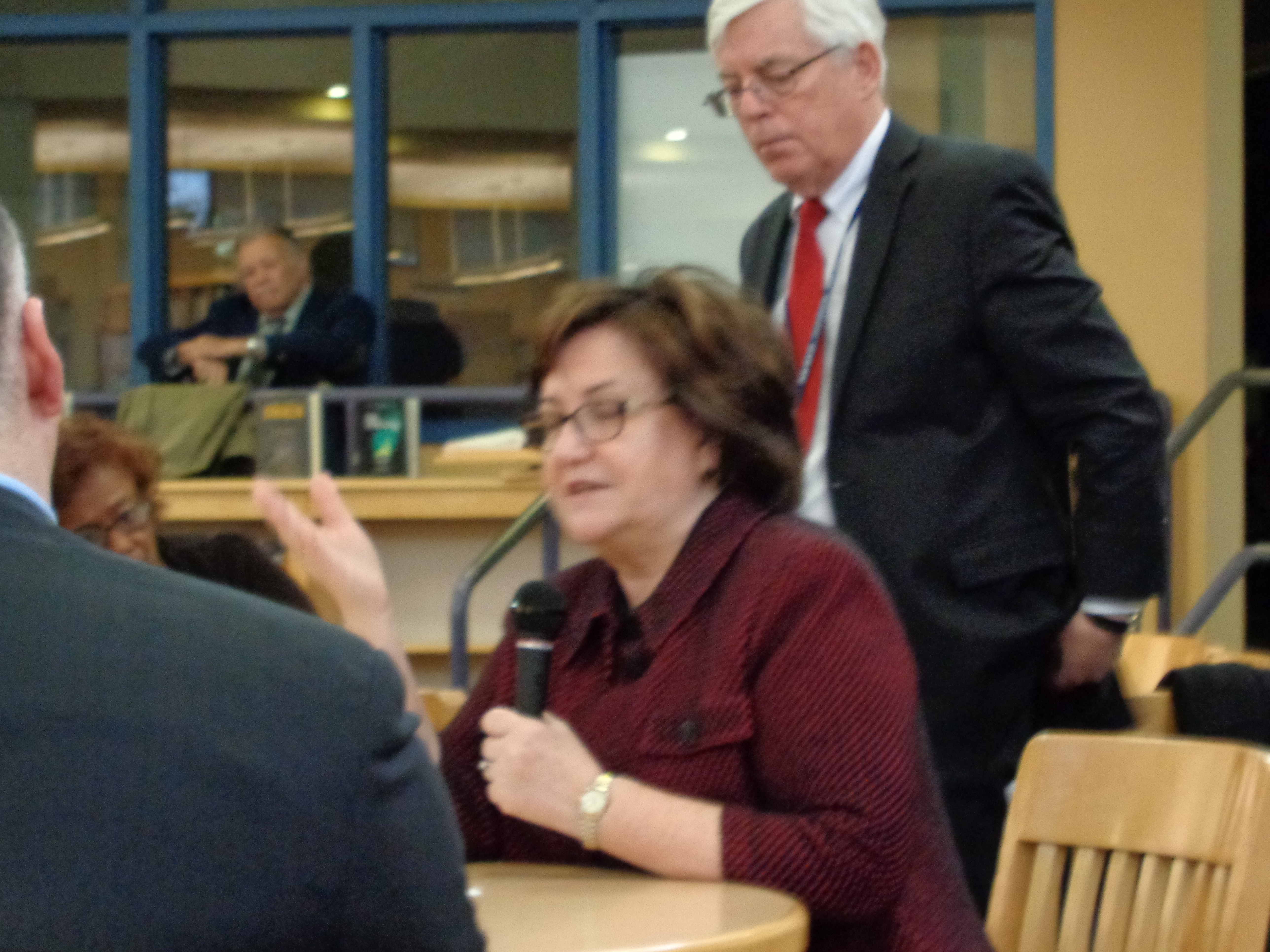
Michele Schoenfeld, Clerk to the Board of Education said two weeks ago, commenting on the ELA opt-out increase, said the increase was attributed to a large group of 8th grade students deciding among themselves “to convince their parents to let them opt-out of the test.”

A total of  205 Eighth graders of 542 in the 8th grade at the Highlands Middle School (38% considerably more than the 168 who skipped the Math Assessments) opted out of ELA testomg according to district statistics.

In 7th Grade, 91 of 575 students in Highlands “opted out” of the ELA (16%) (7 more—98 avoided the Math Test).  (Highlands teaches all 7th and 8th graders in White Plains, while Eastview School instructs all 6th graders.

In the 6th Grade at Eastview School, known as the “Prepartory Academy,” that transitions 6th graders to the Middle School routine in 7th grade, 79 of 489 6th graders opted out of the ELA ASSESSMENT (16%), while 22 more (101) stayed out of the Math Assessment last week.

Between the 7th and 8th grades, the critical preparation time for getting into the academic rigor of high school, 296 of 1,117 8th graders taking the ELA TEST opted out–a total of 26.5%.

In the elementary schools ELA tests two weeks ago, 3rd to fifth, the opt out rate was 9% in grades 3 to 5.

Posted in Uncategorized

Astorino Personally Sues State, Riverkeeper Over Indian Point Closing Without an Environmental Review. Alleges leaving Nuclear Waste Behind Doesn’t Make Indian Point Safe After Closure

Hits: 4

DSC_0130

Westchester County Executive Robert P. Astorino announcing his personal lawsuits against the state, Entergy and Riverkeeper to force an environmental review of the effects of the planned Indian Point closure by 2021. Photo, Courtesy Westchester County Dept of Communications

WPCNR COUNTY CLARION-LEDGER. From the Westchester County Department of Communications. (Edited) May 10, 2017:

Westchester County Executive Robert P. Astorino filed two personal lawsuits Tuesday to ensure that any actions to close the Indian Point nuclear power plant alongside the Hudson River in the Village of Buchanan fully comply with the state’s environmental laws and protect taxpayers, ratepayers and jobs.

“When the Democrats on the Board of Legislators decided to abandon their responsibility of protecting our local communities, I decided to act on my own. The stakes are too high not to ensure every possible step is taken to make sure our county and local communities are not left defenseless against the power of the state and wealthy special interest groups. The second lawsuit will give others time to join our effort to hold the state accountable for enforcing our environmental laws for the benefit of the public.” Mr. Astorino said in a News Conference.

To View the Video of Mr. Astorino’s News Conference Tuesday go to this link:


Citing clear and numerous breaches in the state’s environmental laws, the lawsuits detail how a  deal to close Indian Point by Governor Andrew Cuomo, Entergy and Riverkeeper, failed to comply with New York’s State Environmental Quality Review Act, known as SEQRA.

“Our lawsuit has nothing to do with the debate over nuclear energy,” said Astorino at a press conference at his office in White Plains. “It has to do with safety and the rule of law. Ultimately, the issue isn’t whether Indian Point stays open. It’s that any plan to close the plant must fully comply with the law. If our environmental laws are to mean anything, then surely they must apply to the closing of a nuclear power plant that affects the lives and livelihoods of nine million New Yorkers. If ever there was a case for the State Environmental Quality Review Act to be enforced, this is it.”

The case is simple, Astorino outlined:  The state failed, as the record clearly shows, to meet its obligations under SEQRA to conduct environmental reviews before it announced its decision in January to close Indian Point. By moving forward on the closure without the required environmental reviews, the state put the public at risk by failing to examine:

  • whether sufficient energy sources will be available to replace the loss of 2,000 megawatts of electricity (roughly 25 percent of the current supply to nine million Westchester and New York City residents) so that rolling blackouts can be avoided;
  • whether the anticipated increases in electric bills will cause economic hardships for individuals, families, and businesses, particularly among minorities, low-income residents, seniors and others on fixed incomes;
  • whether the loss of thousands of jobs and a billion dollars of economic activity will devastate local communities and the county at large. (Payment in Lieu of Taxes losses alone are estimated at $72 million for Westchester County, the Town of Cortlandt, the Village of Buchanan and the 2,500-student Hendrick Hudson School District);
  • whether replacing zero-emission nuclear power with fossil fuels will contribute to climate change;
  • whether the decommissioning of the plant will require a taxpayer bailout since current funds are estimated to be more than $1 billion short of what will be needed;
  • whether the public will be exposed to health and safety dangers from leaving spent, radioactive fuel rods on site for a period estimated to range from 60 years to forever.

“Even those who applaud the closing of Indian Point should be deeply concerned about how it is being done and the environmental and economic aftershocks to come,” said Astorino.

SEQRA is triggered for almost every basic public project, such as building pools, roads, playgrounds, purchasing computers and even renaming county facilities.  Astorino said the state is ignoring the law when it comes to one of the biggest environmental decisions in New York’s history – the closing of a nuclear plant.

“Asking us to trust them defies common sense and basic logic,” said Astorino. “To say closing the plant has no significant impact would be laughable if the consequences weren’t so critical.”

Astorino commented on the Task Forces the Governor assembled to look at the consequences of closing Indian Point, after the decision was made.

“First of all, the questions now being looked at by the Task Forces all should have been asked and answered before the state decided to close Indian Point,” Astorino said.

“And what confidence can the public have in these Task Forces since they are accountable only to the Governor, have no weight of law behind them and their recommendations can be ignored. This is not how open and transparent government is supposed to work.”

The reason for Astorino’s two-lawsuit approach is to deal with the statute of limitations.

His challenge aimed at the Closure Agreement by the state, Entergy and Riverkeeper had to be filed Tuesday.

The second suit, faulting the state’s actions in issuing a water quality permit, was also filed today but does not have to be finalized until Aug. 24, 2017, which will allow others to join it.

“When the Democrats on the Board of Legislators decided to abandon their responsibility of protecting our local communities, I decided to act on my own. The stakes are too high not to ensure every possible step is taken to make sure our county and local communities are not left defenseless against the power of the state and wealthy special interest groups. The second lawsuit will give others time to join our effort to hold the state accountable for enforcing our environmental laws for the benefit of the public.”

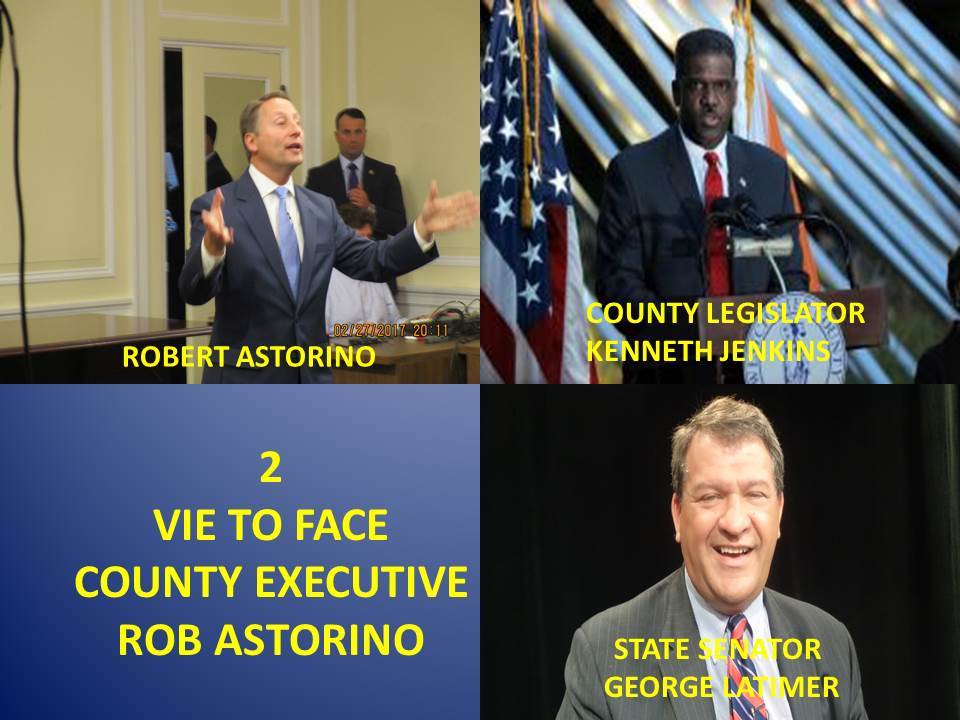
3-ASTORINO LATIMER JENKINS

The Democratic candidates for the nomination to run against Mr. Astorino wasted no time in criticizing the Astorino double suit:

Ken Jenkins, the County Legislator released this statement:

We need to work with all stakeholders to unite the community, and work on a plan for the future. Now is the time to lead instead of grandstanding to part of the solution. We need to bring the community together and work on a plan for the safety of residents in the surrounding areas. Now is the time to work together to mitigate the economic loss of the closing, and do what we can to create jobs.”

State Senator George Latimer weighed in with this comment:

“Filing a lawsuit that will not add one cent of needed revenue to the Village of Buchanan, the Town of Cortlandt or the Hendrick Hudson School District, is the height of playing politics. It’s ‘good politics’ if you’re running for the Republican nomination for Governor, but if you intend to be County Executive for the next four years, you should be meeting with New York State officials to hammer out a plan to deal with the real world problems these communities are facing. It’s one more example of how Rob has made making headlines more important than making headway on solving this problem.”

Astorino’s lawsuit will be litigated by Philip Halpern, one of New York’s preeminent trial attorneys with more than three decades of experience and the managing partner of the firm Collier, Halpern, Newberg & Nolletti, LLP. There will be no costs to the county unless approved by the Board of Legislators.

The lawsuit seeks to invalidate the agreement to close Indian Point until a full environmental review is conducted; ensure the environmental impact statement includes a comprehensive assessment of the socio-economic, energy-replacement and environmental consequences of closing the plant; and guarantee any recommendations made by the state to mitigate the consequences of closing the plant will be subject to public review and debate prior to any final deal to close the plant.

Posted in Uncategorized

PHOTOGRAPH OF THE DAY: EXPLICIT NEWS

Hits: 136

WP_20170506_20_06_21_Pro

AOL INITIATED A NEW EXPLICITNEWS PRECEDENT TODAY IN REPORTING WHO WON THE KENTUCKY DERBY. WERE THERE CATS ALSO ENTERED IN THE RACE? FORMER NETWORK NEWS COMMENTATORS? I THOUGHT THE KENTUCKY DERBY WAS A HORSE RACE. KUDOS FOR TAKING NEWS REPORTING TO A NEW LEVEL

Posted in Uncategorized

Standard Amusements Is All In For Playland BUT Contingent on Rye Litigation Being Finally Settled. Playland-Go-Round Finally Stops Maybe. No Money Yet.

Hits: 138


WP_20170427_12_55_35_Pro

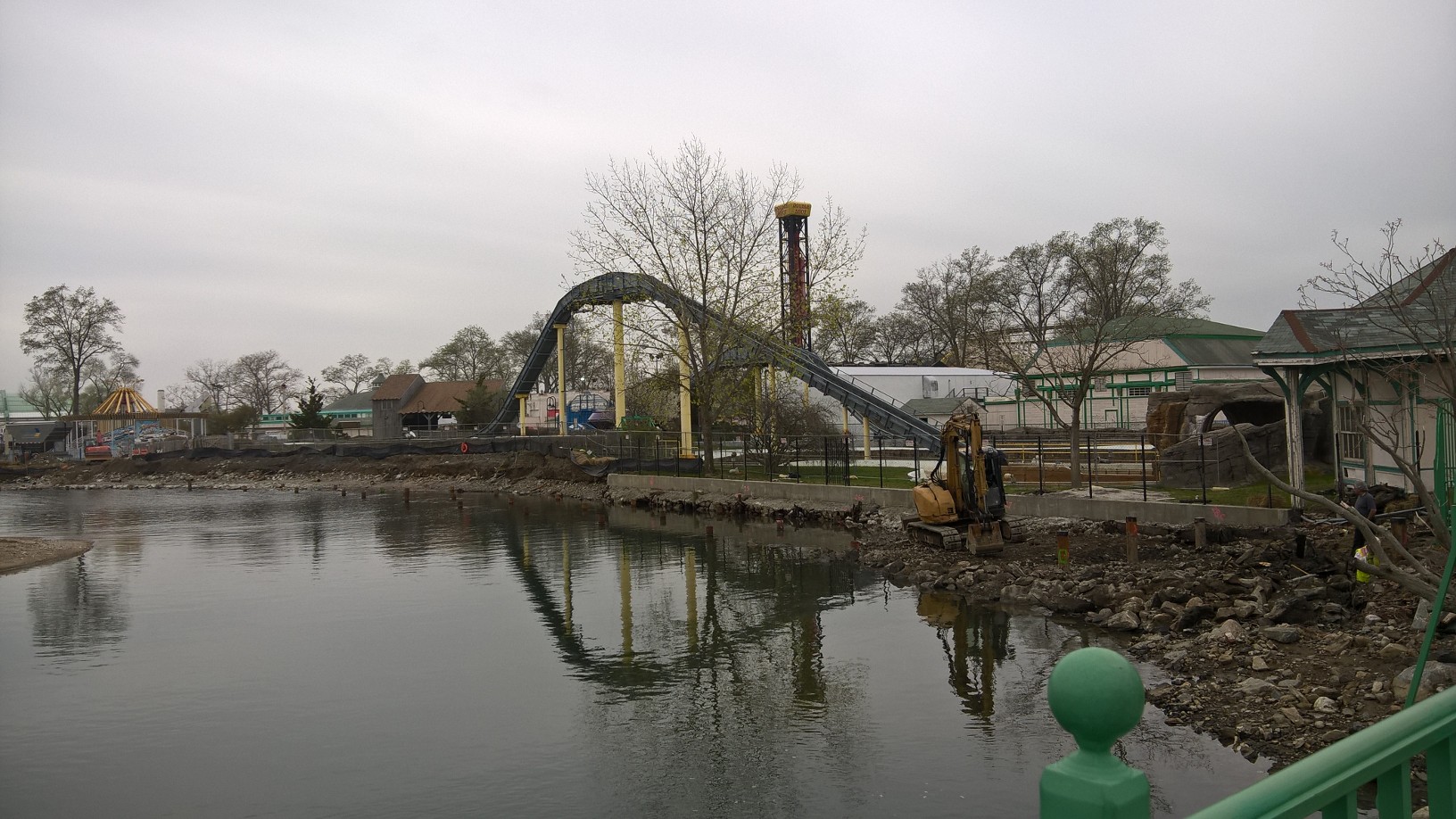
Westchester County has begun its “share” of infrastructure repairs to Playland about a month ago by repairing the Hurricane Sandy 2013 Damage to the North Broadwalk…expected to be complete by November and paid for by FEMA funds. WPCNR PHOTO APRIL 27


WPCNR PLAYLAND-GO-ROUND. From the Westchester County Department of Communications. (Edited for Organization and Content). May 5, 2017

Westchester County Executive Robert P. Astorino and Nicholas Singer of Standard Amusements announced today that they have finalized the construction timetable for making $60 million of improvements to Playland that will revitalize the iconic 100-acre amusement park in Rye and place its future on a firm financial foundation.

Specifics related to the payment schedule of Standard Amusements include:

Standard Amusements will pay the county $750,000, 60-days after a final determination is made with regards to litigation with the City of Rye.

A spokesperson for the County said that the City of Rye has filed a Notice of Appeal after a judge dismissed the city suit for final right of approval to Playland changes last month. The spokesperson said they did not know whether Rye  was organizing an appeal.

Standard Amusements will make another $750,000 payment – to be placed in a special reserve account – to be paid when the Board of Legislators adopts legislation to replace, renovate or remove the pool for future use as a concessions area.

The spokesperson for the County told WPCNR the Board of Legislators has to make that determination whether to romove the pool, that the Astorino administration has not and will not determine whether to remove the pool in order that Standard Amusements can transform the pool area into an upscale catering concession as it wants.

Such legislation must be enacted by Dec. 31, 2017.

Standard Amusements will take over operations after 50 percent of the infrastructure work is complete, which is expected by November 2018. Standard Amusement’s $30 million investment will go toward revitalizing Playland with new rides and attractions, as well as upgrading food & beverage choices, picnic areas, and restaurants and renovating grounds and buildings.

“Our efforts to save Playland and protect taxpayers through our public-private partnership with Standard Amusements are moving forward,” said Astorino. “Tangible proof is that construction is now set to get under way, and once completed, Playland will be infused with new excitement and experiences to be enjoyed alongside all the traditions, like the Dragon Coaster, that are part of growing up in Westchester.”

As part of the public-private partnership agreement reached between the county and Standard Amusements last May, design work on park improvements has already begun and will now transition into the construction phase, which will take place while the park remains fully operational.

revolution

The arrival of new rides and attractions, notably Windstarz, Revolution 32, and Unicoaster, are scheduled for 2019 with more to follow in subsequent seasons. Under the public-private partnership with Standard Amusements, Playland will remain a public, county-owned park.

“We are excited to be part of Playland’s future,” said Singer, a Harrison native. “Our goal is to focus on family fun that will create lasting memories while bringing new vitality into the park. I would like to especially thank County Executive Astorino for his perseverance and partnership.”

Playland is scheduled to open for its 89th season on May 13, 2017.

County Executive Astorino, Standard Amusements and the Board of Legislators reached agreement last May on a plan to invest more than $60 million into Playland: $30 million from Standard Amusements, which carries with it the right to operate the park for 30 years, and $30 million from the county to pay for 11 capital projects on the property, including refurbishing historic rides, improving structures for games and concessions, as well as shoreline rehabilitation.

Standard Amusements will take over operations after 50 percent of the infrastructure work is complete, which is expected by November 2018.

(Editor’s Note: Westchester County will pay for that infrastructure work, including the renovation of the North Boardwalk and the collonades. Standard will invest in the park improvements.)

Standard Amusement’s $30 million investment will go toward revitalizing Playland with new rides and attractions, as well as upgrading food & beverage choices, picnic areas, and restaurants and renovating grounds and buildings.

The management agreement provides that Standard Amusements will pay the county $2,250,000; invest $27,750,000 million of its money within five years into refurbishing the park; and make annual payments to the county starting at $300,000 and escalating 2% a year. Once Standard Amusements has recouped its initial investment, the county will participate in a sliding-scale profit sharing agreement.

Posted in Uncategorized

D.A. Announces Arrests of 18 Major Drug Dealers in White Plains and Greenburgh–8 Residents of White Plains

Hits: 698

heroinarrrest

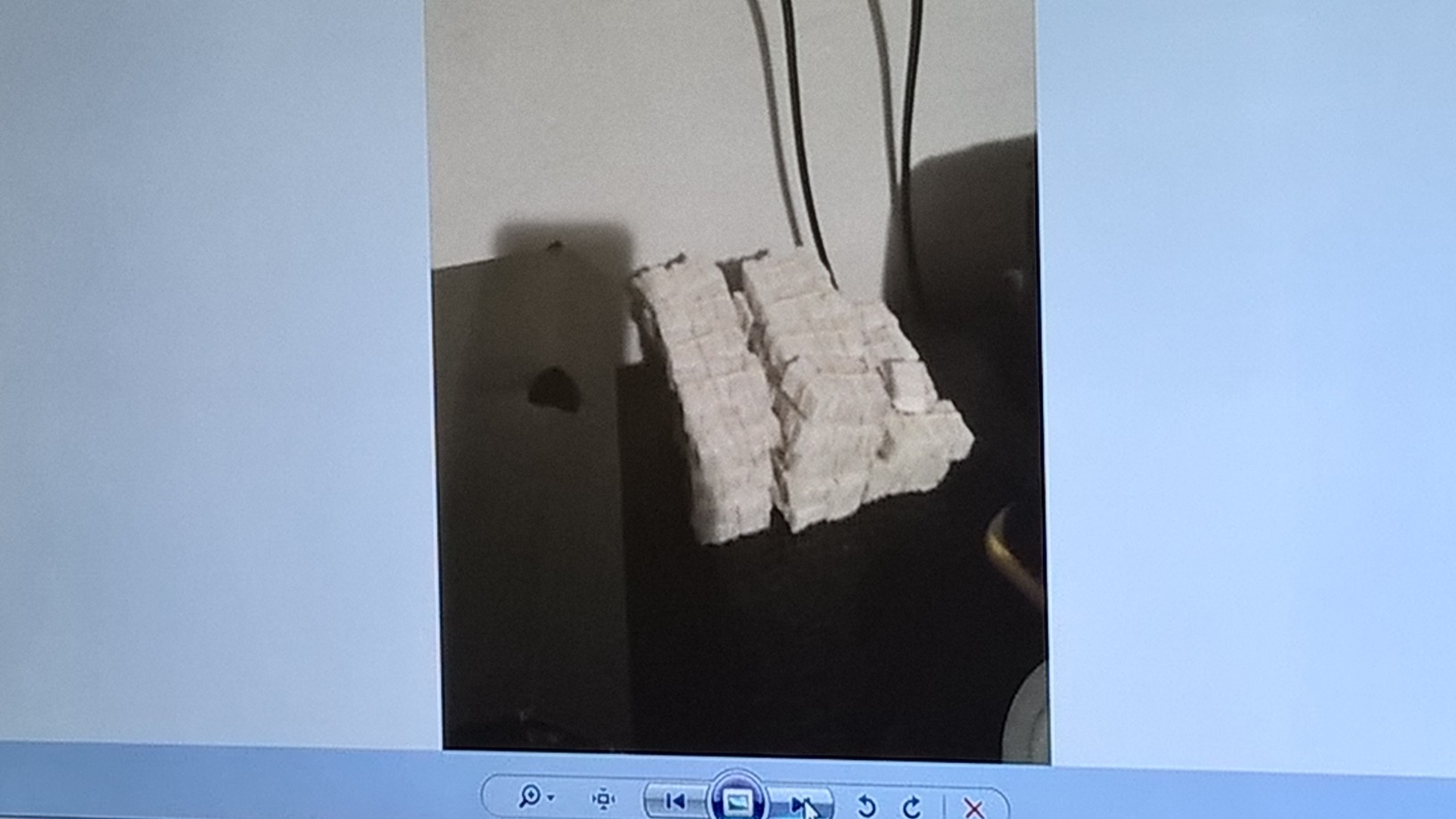
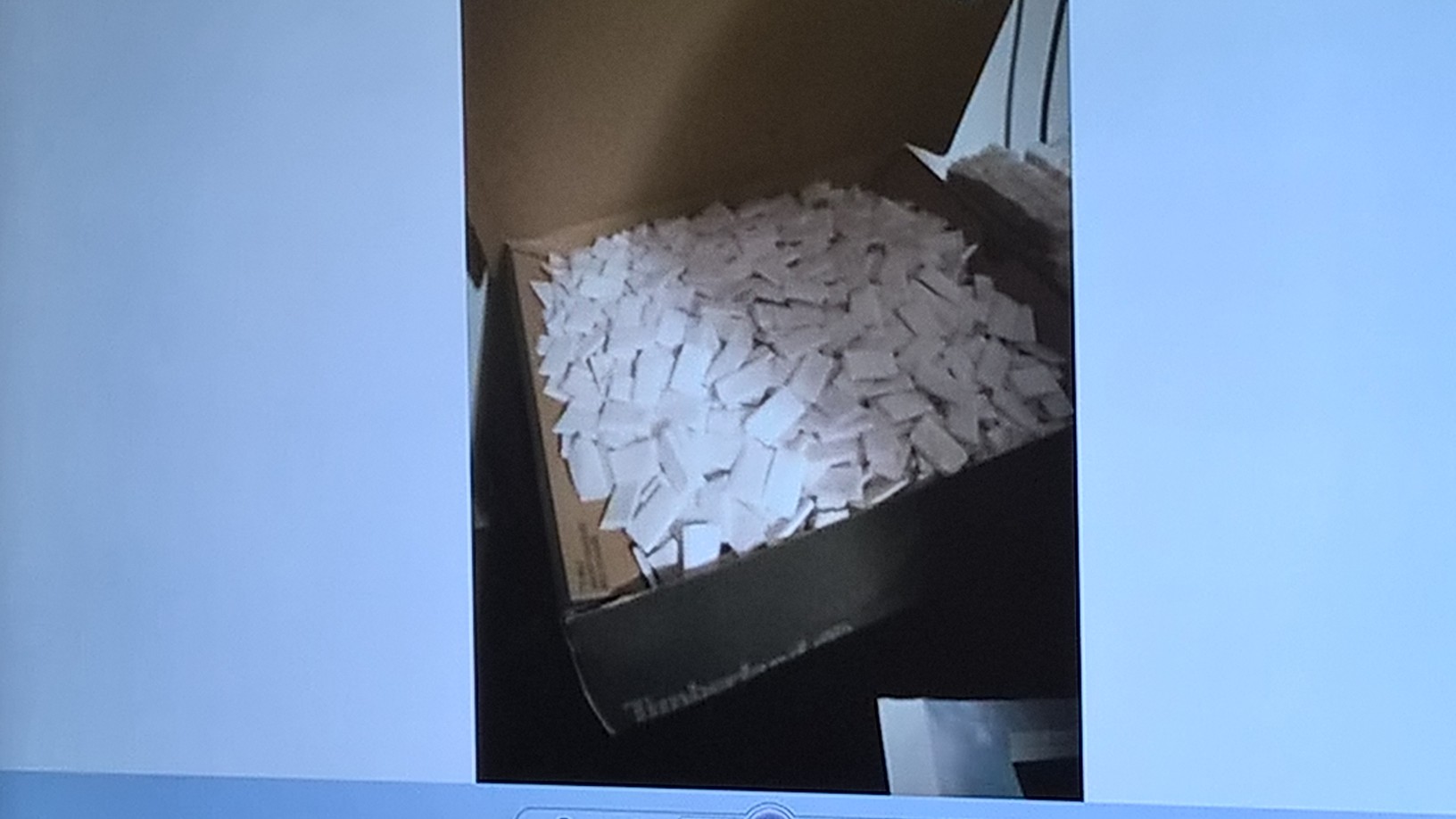
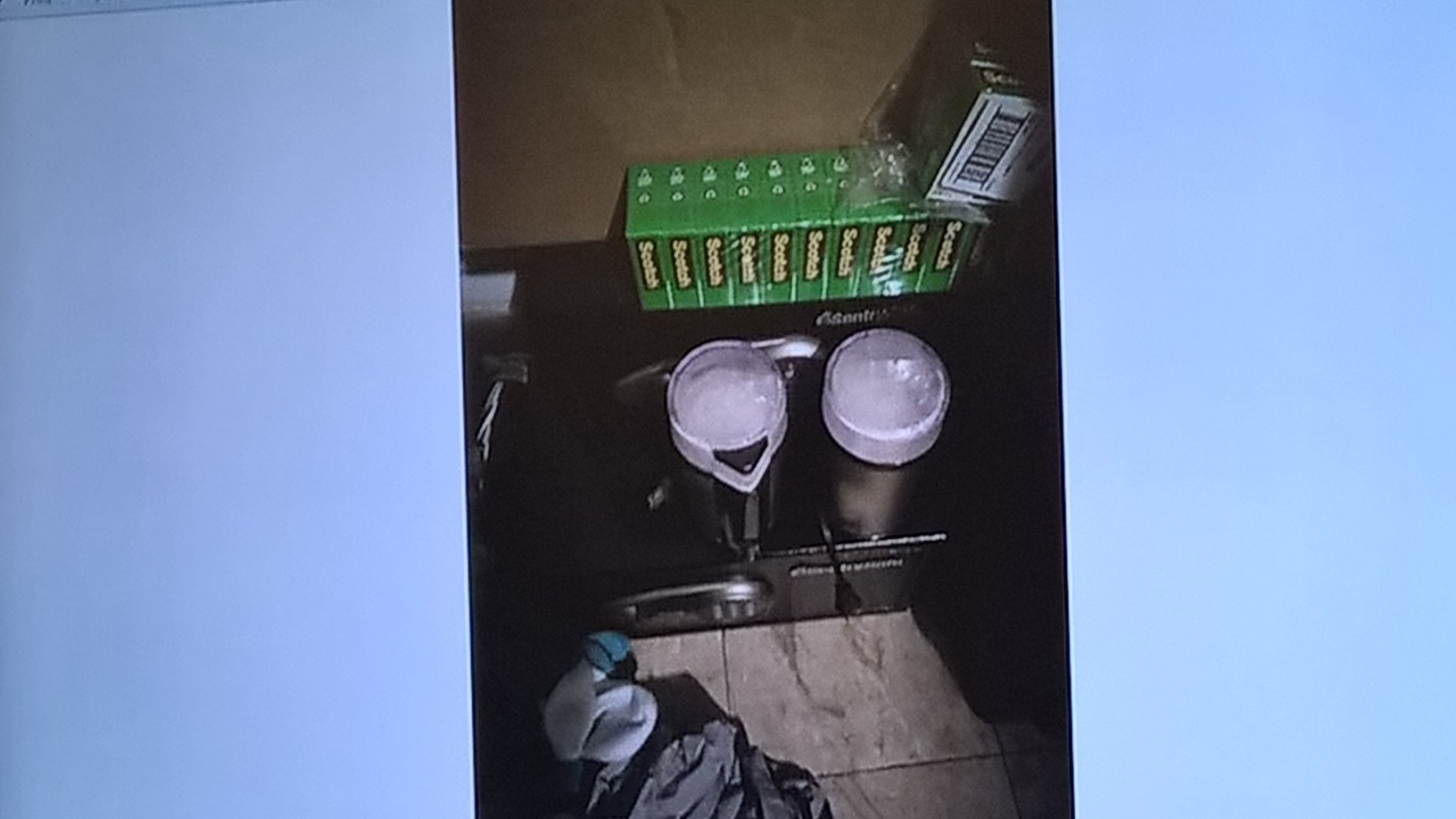
Contraband and $100,000 in cash recovered from a Bronx apartment where heroin was “cut” and prepared for distribution to the local major drug dealers in central Westchester. Indivual glassene packets of Heroin were sold for $10 each. alleged distributors and sellers, charged below sold as many 25 customers the $10 bags a day., the District Attorney said.

WPCNR POLICE GAZETTE. MAY 5, 2017:

The Westchester County District Attorney  Anthony A. Scarpino,Jr. in a news conference this morning at the Richard Daronco Courthouse in White Plains announced 18 persons were arraigned on Felony Complaints, after having been arrested in connection with street level heroin sales in the Town of Greenburgh and White Plains.

WP_20170504_09_59_20_Pro

Westchester District Attorney, Anthony A. Scarpino, Jr. (left) announcing the arrests this morning at the Daronco Courthouse.

The District Attorney said, “The defendants arrested included long-time drug dealers with lengthy felony records. This coordinated, multi-agency effort targeted the right people to take off our streets. I want to thank the White Plains, Greenburgh, Yonkers and Port Chester Police Departments, the Westchester County Department of Public Safety and the F.B.I. Safe Street Task Force for the unstinting efforts to make these neighborhoods safter. I also want to thank our Narcotics Bureau and Investigations Division who made these cases and coordinated the take down of these dealers.”

The investigation  began at the beginning of 2016 and accelerated at the start of this year.

These were “major drug dealers” the D.A. said.  Many of the defendants were selling heroin to “upwards of 25 customers, some of whom purchased heroin on a daily basis.

WP_20170504_10_27_58_Pro

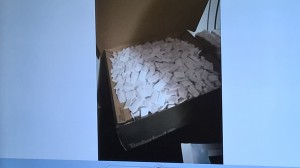
Large Packets of heroin found at 1208 Clay in The Bronx where heroin was allegedly prepared for sale to the Central Westchester Market.
WP_20170504_10_28_23_Pro


WP_20170504_10_30_30_Pro

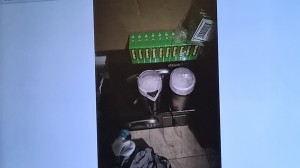
Grinders used for preparing and blending heroin found in the Bronx apartment

Two loaded handguns, 2.5 kilos of heroin with a street value of $1.5 Million and over $100,000 cash were seized in the apartment of Luis Castro, of 1208 Clay in The Bronx.

Sales of the drugs to heroin users were made at various locations on the street in White Plains, at 159 South Lexington Avenue, and in the White Plains Public Library, the District Attorney said.

District Attorney Scarpino said that the war on drugs continues and that today’s arrests were the winning of just one battle. He said the key to defeating drugs is to “reduce demand,” by helping to “wean” the persons afflicted by this “disease.”

He praised the White Plains Police Department for their policy of not charging heroin users who sought help which he said was a way to helping them gain treatment for their addiction.

CLEAR is a program begun in April by the White Plains Department of Public Safety committed to functioning as a gateway for individuals who have made the decision to obtain help in the form of detox and rehabilitation as appropriate. 

The White Plains Police Department will facilitate the assessment and placement process utilizing SOBA College Recovery 24 hour hotline and placement staff.

The White Plains Police will allow a person with a drug problem to relinquish your personal use drug contraband with amnesty of arrest. Contact the White Plains Police department, 422-6111 and ask about the CLEAR progam.

The persons arrested and arraigned in the last day were supplied their drugs from the Bronx, where a major heroin “cutting facility” was located and drugs seized, 1208 Clay Avenue in The Bronx.

The persons arrested from White Plains were

WillieJamesEdwards

Willie James Edwards 51, of 159 South Lexington Avenue
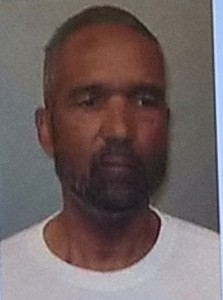
WP_20170504_10_30_45_ProOtto Armstrong, Sr.,60 of 85 South Road

The defendants Edwards and Armstrong were alleged to be the two major suppliers to dealers in the Greenburgh and White Plains area

The following White Plains residents  were also arrested:

Byron Gaynor,51, of 24 Kensico Avenue

George Jamison,48 of 110 Park Avenue

Leon Richardson, 63 of 33 Fisher Avenue

Daryl Kyle, 64 of 1 Oak Street

Clifton Monk, 55 of 24 Kensico Avenue

Bernard Pease, 59 of 129 Kensico Avenue

Also arrested were

Alonzo Thompson, 55, 186 Grace Church, Port Chester, NY

Francis Brooks, 58 of 78 Evarts Avenue, Elmsford, NY

Dwane Stennett, 57 of 12 Cottage Gardens, Yonkers, NY

The District Attorney reported charges against the above named defendants include

Criminal Sale of a Controlled Substance in the Third Degree, Class “B” Felonie

Criminal Possession of a Controlled Substance in the Third Degree, class “B” Felonies

Conspiracy in the Fourth Degree, class “E” Felonies.


Posted in Uncategorized

Area Meetings Scheduled for Public Comment on the new Common Core Revisions

Hits: 179

WPCNR SCHOOL DAYS. From the NY State Department of Education. May 3, 2017:

The New York State Education Department is seeking continuing stakeholder and public input as it develops the state Every Student Succeeds Act (ESSA) plan, Commissioner MaryEllen Elia announced today. To facilitate this, 13 public hearings will be held across the state to gather feedback on the state’s draft ESSA plan and written comments will be accepted May 9 – June 16.

“The Board of Regents and I have made it our guiding mission throughout this process to ensure that every child has equitable access to the highest quality educational opportunities, services and supports,” Chancellor Betty A. Rosa said. “By asking parents, teachers, students and community organizations for feedback during every step of the plan development, we are working to make sure New York schools provide highly effective instruction aligned to the state’s standards, as well as positive learning environments so that each child is prepared for success in college, career and citizenship.”

“We have to help schools improve performance without reducing them to a number or a letter,” Commissioner Elia said. “We reviewed more than 2,000 survey responses and feedback from more than 120 public meetings in developing our state accountability plan. We have also engaged extensively with national experts in developing this draft. After we present our draft plan to the Board of Regents, we want feedback from educators and parents across the state so we can submit a proposal to the U.S. Department of Education that best addresses the needs of New York’s children. These public hearings and the public comment period are the next step to help us do that.”

The draft plan will be presented to the Board of Regents at its May meeting and the first public hearing will be held on May 11.

To allow for as many speakers as possible, each person will have a maximum of three minutes to speak and will be asked to make their presentations in the order in which the person signed up to speak. In the event that there are more speakers at a hearing than available speaking slots, persons may submit written comments. The public also will be able to submit written comments on the draft application during a public comment period from May 10 to June 16. The Department will review all comments as it finalizes New York’s ESSA plan.

The public hearings and comment period are the latest in the Department’s efforts to collect feedback on the draft ESSA plan.  Input has also come from:

  • More than 100 ESSA Think Tank members, representing 108 stakeholder organizations, who have worked together since last July;
  • A Survey of Possible School Quality and Student Success Indicators that received more than 2,000 responses; and
  • A series of more than 120 regional meetings held statewide last fall and this winter.

For more information about the State’s work in developing the required ESSA state plan, please visit theDepartment’s ESSA website.

The complete list of public hearings is below.

-30-

Schedule of ESSA Public Hearings

Date

Location

Time

Meeting Site

Thursday
May 11, 2017
Long Island


6:00-8:30 PM

Half Hollow Hills HS East
50 Vanderbilt Pkwy
Dix Hills, NY 11746

MondayMay 15, 2017 NYC – Staten Island

6:00-8:30 PM

The Michael J. Petrides Campus
715 Ocean Terrace
Building H, Conference Room 1
Staten Island, NY

TuesdayMay 16, 2017 NYC – Bronx


6:00-8:30 PM

Bronx Borough Hall
Third Ave & Tremont Ave
Bronx, NY 10457

Saturday
May 20, 2017
NYC – Manhattan


9:00-11:30 AM

Borough of Manhattan Community College
Richard Harris Terrace
199 Chambers Street
New York, NY 10007

Wednesday
May 24, 2017


Syracuse


6:00-8:30 PM

Henninger High School
600 Robinson Street
Syracuse, NY  13206

Tuesday
May 30, 2017
Rochester 

6:00-8:30 PM

Rush-Henrietta Sr. High School
Sperry Building
1799 Lehigh Station Road
Henrietta, NY  14467

Thursday
June 1, 2017
Plattsburgh 

6:00-8:30 PM

SUNY Plattsburgh
Yokem Lecture Hall, Room 202
101 Broad Street
Plattsburgh, NY  12901

Monday
June 5, 2017
Yonkers 

6:00-8:30 PM

Lincoln High School
375 Kneeland AveYonkers, NY 10704

Tuesday
June 6, 2017
NYC – Brooklyn


6:00-8:30 PM

Prospects Heights Educational Campus
883 Classon Avenue
Auditorium
Brooklyn, NY 11225

Thursday
June 8, 2017
Buffalo


6:00-8:30 PM

Erie 1 BOCES
Building B
355 Harlem Road
West Seneca, NY  14224

Saturday
June 10, 2017
NYC – Queens


9:00-11:30 AM

Queens Borough Hall
120-55 Queens Blvd.
Hellen Marshall Atrium
Kew Gardens, NY 11424

Wednesday
June 14, 2017
Binghamton 

6:00-8:30 PM

Johnson City CSD
High School Auditorium
666 Reynolds Road
Johnson City, NY 13790

Thursday
June 15, 2017
Capital District/Albany


6:00-8:30 PM

Questar III BOCES
Administrative Building Conference Center
10 Empire State Boulevard
Castleton, NY  12033


Posted in Uncategorized

NY Education Department Previews New Teacher-Hands On Common Core Adjustments for Comment. Public May Comment Through June 2

Hits: 119

2016314schools 025

Maryellen Elia, Commissioner of the New York State Department of Education, visiting White Plains in March, 2016. She introduced revisions in the Common Core standards Tuesday.

WPCNR SCHOOL DAYS. From the New York State Education Department. May 3, 2017:

The State Education Department Tuesday released revised New York State P-12 English Language Arts and Mathematics Learning Standards that will be presented to the Board of Regents for discussion on May 9, Commissioner MaryEllen Elia announced.

The new learning standards are the culmination of a nearly two-year process that resulted in substantive changes while maintaining rigor and involved committees comprised of more than 130 educators and parents. Revision committees reviewed more than 4,100 public comments from the fall 2016 survey, as well as comments from experts, and incorporated this feedback into the revised learning standards. Public comments on the revised standards will be accepted through June 2.

“The new learning standards are the result of a thoughtful and deliberative process to reimagine our educational framework for English language arts and mathematics,” Board of Regents Chancellor Betty A. Rosa said. “The result will be improved teaching and learning in New York’s classrooms, with a greater emphasis on supporting English language learners, students with disabilities and other special populations. These standards are rigorous and will help equip children to lead successful lives in the 21st century.”

“Thanks to the hard work and devotion of so many teachers, parents, educators and experts, we have developed new learning standards while keeping the rigor as we sought and valued input from all corners of the state,” Commissioner Elia said. “With substantive changes and increased guidance for educators, teachers will be able to develop curricula and lesson plans to meet the needs of students in their classrooms. These new standards recognize the importance of preparing New York’s children for success in life and provide the foundation needed to get there.”

Two-Year Collaborative Process Results in Substantive Changes

The State Education Department released draft learning standards for public comment in September 2016 and received more than 4,100 public comments. The ELA and Math Learning Standards Advisory Committees met through a series of all-day, in-person meetings and web meetings from December 2016 through April 2017 and reviewed every learning standard, making any necessary modifications based on professional expertise as well as input gathered from public comment and child development experts.

Educators who work with students with disabilities and English language learners were actively involved in the review process as well. The committees integrated any necessary changes into the standards while ensuring that the standards continue to be rigorous and challenge New York’s students to do more.

In addition, the new standards meet the 2015 legislative requirement that the standards be reassessed with stakeholder input.

Commissioner Elia participated in the Governor’s Task Force, which made a series of recommendations(link is external) in December 2015, many of which are reflected in the revised standards including gathering input in new standards from local districts, educators and parents through an open and transparent process; ensuring the standards meet the needs of English language learners and students with disabilities; and providing additional resources for professional development of teachers.

A full timeline of the process to revise the learning standards, which began in fall 2015, is here.

English Language Arts Standards Review & Changes

Five subcommittee groups (Prekindergarten-Grade 2, Grades 3-5, Grades 6-8, Grades 9-12 and Literacy 6-12) as well as the Early Learning Task Force, all of which included parents and educators, discussed the current ELA standards to determine whether each standard meets the criteria for what a student should know and be able to do at a grade level (or grade-band) in English language arts and literacy.

In addition, multiple English Language Arts specialists and researchers reviewed the standards.  Through all-day, in-person meetings as well as web meetings over the past several months, the committees considered and discussed the public comments on every standard and integrated changes into the standards based on the feedback.

The committees substantially revised the ELA standards across all grade levels to reduce repetition of standards and to ensure clarity, appropriateness and vertical alignment. Significant changes to the ELA standards include to:

  • Add Practices to Foster Lifelong Readers and Writers to ensure students become lifelong learners who can effectively communicate. The BOCES Staff and Curriculum Development Network drafted these practices to help students exemplify and foster strong reading and writing habits from the early years through adulthood;
  • Merge the Reading for Information and Reading for Literature Standards to reduce repetitive standards, streamline classroom instruction and curriculum development, and ensure a healthy balance of both types of reading across all grades. The standards also encourage the use of a variety of texts to balance literary and informational reading and to ensure students read both full-length texts and shorter pieces, as well as to encourage reading for pleasure. Specific reading selections remain local decisions to be chosen by local educators;
  • Convene the New York State Early Learning Task Force to discuss concerns around the P-2 grades, including standards, program decisions, social emotional needs, and how the content areas/domains work togeher in the early grades.  Grade-specific changes and additions were made to provide a strong emphasis on the whole child.  The Task Force reviewed and provided feedback on the standards.  The Task Force continues to meet and now is working on recommendations to develop resources and guidance to implement the new standards for educators and parents, including resources on professional development for teachers, P-12 school supports, child development, and instructional practice, including play as an instructional strategy;
  • Revise Every Grade’s Reading Expectations for Text Complexity to clarify expectations over multiple grades. A text complexity section is also added to the introduction to underscore the importance of reading different types of texts with varying levels of difficulty;
  • Revise the Writing Standards so they are more user-friendly for educators to use for curriculum and instruction. In addition to omitting some standards, there are grade-specific changes across the grades to clarify language and ensure writing expectations are clear;
  • Streamline the Anchor Standards based upon comments from educators that the standards were too numerous and at times repetitive. Standards are merged, and included in the practices to foster lifelong readers and writers;
  • Create a NY-Specific Introduction on How to Use the Standards to help inform local curriculum and instruction. While all curriculum decisions are locally made, a set of learning standards cannot be properly used without the necessary guidance. The introduction provides information on how to use the new Lifelong Practices for Readers and Writers, strategies for using the new standards in the classroom, and strategies and supports for applying the standards to students with disabilities and English language learners; and
  • Ensure Literacy is Included in the Content Areas. For example, the committee recommended creating a new document for the Grades 6-12 Literacy in Social Studies, Science and Technical Subjects Standards. The committees separated the literacy standards for these distinct content areas to better connect the standards directly with these content areas. In addition, guidance will be developed to show connections to literacy in other content areas.

Examples of the above changes can be found here.

Mathematics Standards Review & Changes

Seven grade band/course subcommittees (PreK-Grade 2, Grades 3-5, Grades 6-8, Algebra I, Algebra II, Geometry and Plus Standards) comprised of New York State P-12 classroom teachers, special education teachers, English language learner teachers, parents, curriculum specialists, school administrators and college professors discussed and made recommendations for possible revisions or additions to the standards.

Through a series of all-day, in-person meetings as well as web meetings held over the past several months, review committees considered and discussed public comment as well as expert feedback from mathematical cognitive researchers, and made any necessary modifications to the draft standards.

In reviewing the standards, the committees sought to ensure that the mathematics learning standards continue to be rigorous and represent a level of achievement in mathematics that will enable students to successfully transition to post-secondary education and the workforce. Significant changes to the mathematics standards include:

  • Move Standards to Different Grade Levels to improve the focus of major content and skills for each grade-level and course; providing more time for students to develop deep levels of understanding of grade-level appropriate content. Based on public and expert comments, major grade movements occurred in statistics and probability at the middle level and in Algebra at the high school level;
  • Provide for Students to Explore Standards to ensure standards are grade-level appropriate. Exploring a standard allows students to be introduced to and learn a concept without the expectation of mastering the concept at that grade level. Exploring the topic recognizes the importance of building a foundation toward mastering the concept in subsequent grades;
  • Clarification of Standards so that educators, students and parents more clearly understand the expectation, without limiting instructional flexibility. For example, modifications were made to better define the progression of skills and the transition of some of the 18 shared standards between Algebra I and Algebra II;
  • Add and Consolidate Standards to improve coherence, focus and reduce redundancy among grade levels. For example, one additional standard at the Kindergarten level helps solidify pattern recognition and creation from Pre-K to Grade 2.  In addition, standards regarding time and money were added and changed to smooth the transition of building these skills at the PreK-Grade 4 level;
  • Maintain the Rigor of the Standards by balancing the need for conceptual understanding, procedural skill and application.  For example, clearly identify the fluency standards at the high school level; and
  • Create a Glossary of Verbs associated with the mathematics standards. This glossary contains a list of verbs that appear throughout the revised standards recommendations.  For example, the term “explore” is now utilized in some standards to alleviate grade-level appropriateness concerns.

Examples of the above changes can be found here.

Next Steps
The revised learning standards for ELA and Mathematics will be presented to the Board of Regents on May 9. The revised standards will be available on SED’sAIMHighNY website later today. NYSED is accepting public comment on the revised standards through June 2. It is expected the Board will vote on adopting the standards at the June meeting.

Once the Board approves the standards, the State Education Department will work with BOCES District superintendents, superintendents, the Staff and Curriculum Development Network and teacher centers to develop and provide guidance on professional development for teachers to implement the new standards. Additional resources will be forthcoming to support the new standards, including:

  • developing clear communications for parents about the standards, with an explanation about the connections among standards, curriculum and assessments;
  • guidance to show connections to literacy in other content areas after we review those standards to ensure literacy is included across all content areas;
  • resources for English Language Learners and students with disabilities;
  • a glossary of terms for ELA; and
  • crosswalks to show the main differences between the new standards and the 2011 standards.

The revised standards will be available on SED’s AIMHighNY website. NYSED is accepting public comment on the revised standards through June 2. Comments can be provided through surveys on the AIMHighNY website through June 2.

A video of teachers who participated on the Standards Review Committees, discussing the review process is available here: http://www.nysed.gov/video/new-york-state-learning-standards-review.

NYSED thanks all the educators, parents, researchers, experts and specialists that reviewed and provided feedback on the learning standards. A full list of participants that contributed to the development of the new learning standards can be foundhere.


Posted in Uncategorized

THE MINNOWS ARE BACK TO FIGHT WEST NILE VIRUS MOSQUITOES

Hits: 146

MINNOWS

Ready for Deployment in your pond. Westchester County Minnow Mosquito Swat Team is swinging into action for the second straight year to eat mosquito eggs in county water sites and for homeowners wanting to snap up the mosquitoes for the mosquitoes snap them.

WPCNR COUNTY HEALTH NEWS. From the Westchester County Department of Health. May 2, 2017:

To fight the bite and prevent mosquitoes from multiplying, the Westchester County Health Department will give away another 200 pounds of fathead minnows this Friday and Saturday to Westchester property owners who have ponds.

The minnows are part of the county’s mosquito control efforts, which include applying larvicide to county catch basins and encouraging residents to dump out standing water on their property after every rainfall to discourage mosquitoes from breeding. Mosquitoes don’t fly far, so those backyard biters probably hatched in water around your home.

“Don’t be a mosquito’s next meal,” said Sherlita Amler, MD, Commissioner of Health. “After it rains, dump and drain standing water around your home. Secure the lids on trash cans, turn over buckets and kiddy pools or store them indoors. Keep your gutters clear and tip the water out of flower pot saucers. All it takes is a teaspoon of water for mosquitoes to lay their eggs, and in about 10 days they begin to bite. Please do your part to reduce the mosquito population throughout the season to avoid mosquito-borne viruses.”

To help eliminate mosquitoes, people with ponds should bring a bucket or a pail to Loop Road, Building Two at the Westchester County Airport on Friday, May 5, 10 a.m. to 4 p.m. or Saturday, May 6, from 9 a.m. to 2 p.m. The building is the first right from the airport access road. The minnows will be distributed in watertight plastic bags.

“Fathead minnows can eat many times their weight in mosquito larvae and they can often last for several seasons, said Peter DeLucia, Assistant Commissioner for Public Health Protection. “They’re great little soldiers in the fight against West Nile Virus.”

The minnows reduce the mosquito population by eating mosquito larvae and pupae before they emerge into adult mosquitoes. They thrive in ornamental ponds that lack fish and can help reduce the spread of West Nile Virus because culex pipiens, the mosquito that can be a carrier of West Nile Virus, breeds in standing water, such as ponds and containers. They should be released right away into ponds that have a minimum of eight to twelve inches of water.

The health department will begin larviciding next week. Teams will evaluate and treat as needed all catch basins on county and municipal roads throughout the county over the next few months.

Large areas of standing water on public property that cannot easily be removed should be reported to the Health Department at (914) 813-5000.

For more information on this topic download the “Keep Healthy and Bug Off” brochure at http://health.westchestergov.com.  You can also like us at www.facebook.com/wchealthdept , follow us at www.twitter.com/wchealthdept or call us at (914) 813-5000.


Posted in Uncategorized