Hits: 339
 |
|
Hits: 339
|
|
Hits: 149
WPCNR COMPUTER SECURITY. May 12, 2017:
The Department of Homeland Security is aware of reports of ransomware known as WannaCry affecting multiple global entities. Ransomware is a type of malicious software that infects a computer and restricts users’ access to it until a ransom is paid to unlock it. Microsoft released a patch in March that addresses this specific vulnerability, and installing this patch will help secure your systems from the threat. Individual users are often the first line of defense against this and other threats, and we encourage all Americans to update your operating systems and implement vigorous cybersecurity practices at home, work, and school. These practices include:
We are actively sharing information related to this event and stand ready to lend technical support and assistance as needed to our partners, both in the United States and internationally. DHS has a cadre of cybersecurity professionals that can provide expertise and support to critical infrastructure entities.
DHS also leads the federal government’s efforts to protect civilian executive branch agency systems and networks. In partnership with each agency’s Chief Information Officer we are ensuring our own networks are protected against the threat.
For more information, DHS has previously released information on best practices to address ransomware. That information is available on our website at https://www.us-cert.gov/security-publications/Ransomware.
Hits: 103
WPCNR CAMPAIGN 2017. By John F. Bailey. May 11, 2017:
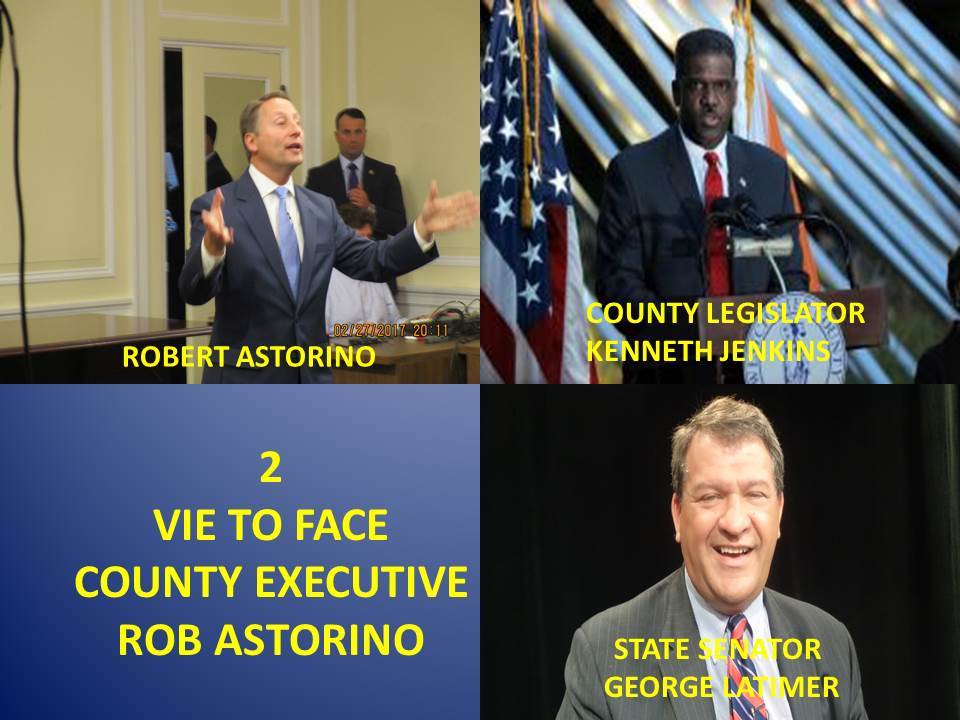
A delegate to the Westchester Democratic Party Nominating Convention at the County Center Wednesday night blamed a disorganized procedure for counting votes for several court nominations Wednesday evening for a convention that failed to nominate a candidate for County Executive.
He said “I was very disappointed in the way the convention was run. There were delays in counting the votes using laptops.
When the two County Executive candidates were nominated (County Legislator Ken Jenkins and State Senator George Latimer) the applause in the hall was overwhelming for Mr. Latimer compared to the reaction when Mr. Jenkins was nominated. I expect he will be the nominee.”
Our delegate continued describing Mr. Jenkins nominating speech as centered on his intent to run a primary against his contender for the nomination if he lost the nomination to Mr. Latimer.
The delegate described Mr. Latimer’s speech as respectful of Mr. Jenkins, and based on “values.” He said Latimer raised the theme that County Executive Robert Astorino had not governed with the values that county government mission was to help the poor, the sick, and persons who needed help.
Hits: 97
Draft Plan Emphasizes Fostering Equity in Education for All Students
Expands Measures for School Accountability & Student Success
Requires School-Level Improvement Plans for Lowest-Performing Schools Overall and Among Certain Student Populations
Public Comment Accepted Through June 16
WPCNR SCHOOL DAYS. From the New York Stated Education Department, May 10, 2017:
The New York State Education Department Monday presented to the Board of Regents and released for public review and comment the draft Every Student Succeeds Act (ESSA) plan (summary available here), Commissioner MaryEllen Elia announced.
The draft plan emphasizes fostering equity in education for New York’s students; expands measures for school support and accountability, and student success; and requires school-level improvement plans for the lowest performing schools overall as well as schools with the lowest performance for certain student populations.
The plan also includes strategies for supporting the professional growth of educators and ensuring that all students, including English language learners/Multilingual learners, immigrant students, migratory youth, homeless youth, and neglected and delinquent youth have access to a well-rounded education that supports their academic and social-emotional development.
“We must seize this opportunity to reimagine the role accountability plays in improving teaching and learning in our schools,” Board of Regents Chancellor Betty A. Rosa said. “ESSA gives us the chance to shift to a more holistic approach to accountability – an approach that looks at multiple measures of school and student success that will evolve over time. It allows us to look at critical, but often overlooked, indicators of success, like children’s social and emotional growth and development. This is about educating the whole child.”
“Over the past year and half, we have taken a deliberative, transparent and inclusive approach to develop New York’s ESSA plan,” Commissioner Elia said. “Our goal is straightforward – we will submit to the U.S. Department of Education a plan that supports the development of highly effective schools, so our children will be equipped to lead successful lives. I cannot emphasize enough that this plan is a draft – that means it’s not yet done and we want feedback on it. We will make changes to strengthen it based on those comments.”
NYSED held more than 120 stakeholder and public meetings to gather input to help inform the development of the draft plan. The Department is also hosting 13 public hearings on the plan from May 11 through June 16 and is accepting public comment on the plan through June 16.
The full draft plan and a summary are posted on the Department’s ESSA webpage. The summary document outlines the Department’s stakeholder engagement process and highlights key proposals from the full plan.
Highlights of the Draft Plan
Fostering Equity in Education
In addition to meeting ESSA requirements, New York’s draft ESSA plan supports the Board of Regents’ goal of increasing equity in educational opportunities for all students across the state. To that end, New York explicitly designed the State accountability system to require schools and districts to:
Further, under the draft plan, the state will:
School Accountability Methodologies and Measurements
New York strives for an accountability system that supports all students, is transparent, prioritizes the measures that New York’s educators and families value, recognizes the good work that schools are doing, and accurately identifies schools that need the most help. The proposed revisions to New York’s school accountability and support system will improve teaching and learning and increase educational equity.
The Board of Regents is committed to evolving the state’s accountability and support system over time to add additional measures of school quality and student success. To achieve this, the Regents will form a workgroup to make recommendations on further measures to be added in the future.
School accountability strategies New York will implement in the draft ESSA plan include to:
Supports and Improvement for Schools and Districts
Under the draft ESSA plan, every three years the State will identify Comprehensive Support and Improvement (CSI) schools based on the performance of all students and Targeted Support and Improvement (TSI) schools based on the performance of subgroups of students. CSI and TSI schools will be required to develop school-level improvement plans in partnership with stakeholders. The State will also annually recognize schools that are high performing or rapidly improving. In addition, the State will identify school districts for targeted support that have one or more CSI or TSI school or, as a district, has certain populations of students who performs at a CSI or TSI level.
The draft plan outlines the supportive role that the State will take in working with identified schools and districts and establishes a system that promotes best practices while also allowing schools to identify the most appropriate solutions to the barriers they face, rather than prescribing an abundance of one-size-fits-all requirements. The State will approach school improvement as a set of stages to be in done in partnership with identified schools and districts, as opposed to approaching school improvement as a set of stages to be imposed on schools and districts. As part of this partnership, the State will provide multiple supports and opportunities for technical assistance to help schools identify and implement the specific solutions they need to address their specific challenges.
Requirements for identified TSI and CSI schools include to:
The State will provide a robust system of supports to identified schools and districts to assist them throughout each of these stages. Additionally, after the initial year of identification, the State will prioritize its support each year to any CSI school not making gains. While this differentiated approach is intended to provide the most support to the schools that need the most assistance, should a CSI school be re-identified as a CSI school, the school will be placed in receivership whereby the district superintendent or an independent receiver will have enhanced authority to manage the school. Schools that are currently “Priority Schools” will immediately be placed under receivership if they are identified as CSI.
Supporting Excellent Educators
The Department’s efforts to improve all students’ access to effective educators includes work with preparation programs, higher education providers, districts, BOCES and educators. To support educators and improve the quality of teaching and learning, the Department will:
Supporting English Language Learners/Multilingual Learners
Of New York’s 2.6 million public school students, 8.8 percent are English language learners/Multilingual learners. New York will seek to improve teaching and learning as well as educator effectiveness by setting challenging, but attainable, goals for the state’s ELLs/MLLs. The draft ESSA Plan will enable ELLs/MLLs to develop English language proficiency, as well as access the state’s Next Generation Learning Standards, through the provision of high-quality instruction and support. The Department proposes to:
Supporting All Students
New York believes that the highest levels of learning can occur when students and educators learn and teach in environments that are safe, supportive, and welcoming to all. To support this belief, New York will:
Challenging Academic Standards and Assessments
New York is completing a two-year collaborative process with educators to revise the Next Generation English Language Arts and Mathematics Learning Standards to ensure that they continue to be rigorous and challenge New York’s students. In December 2016 New York adopted new science standards that have a focus on experiential learning; those standards become effective in 2017-18.
Once the application is released by the U.S. Department of Education, New York will apply to participate in the Innovative Assessment Demonstration Authority that will provide states the opportunity to work with selected school districts to pilot new approaches to assessment. During the pilot period these assessments can be used to meet federal participation and accountability requirements.
Stakeholder Engagement
For the past year, NYSED has coordinated and engaged diverse groups of stakeholders to solicit recommendations on how to craft an ESSA plan that best meets the needs of the state’s students, schools and communities. In these efforts NYSED established an ESSA Think Tank with representatives from more than 100 organizations, including district leaders, teachers, parents, community members and students and consulted with national education experts regarding ESSA, including Linda Darling-Hammond (Learning Policy Institute), Scott F. Marion (National Center for the Improvement of Educational Assessment), and Michael Cohen (Achieve).
In addition, NYSED held more than 120 fall and winter regional in-person meetings across the state in coordination with the state’s 37 Boards of Cooperative Educational Services (BOCES) and the superintendents of the state’s five largest City School Districts, which were attended by more than 4,000 students, parents, teachers, school and district leaders, school board members, and other stakeholders.
Next Steps & Process for Submitting Public Comment
NYSED is accepting public comment on the draft plan through June 16 in writing and at 13 public hearings. Department staff will provide a summary and response to the comments received to the Board of Regents at the July meeting. It is expected the Board will vote on adopting a final version of the ESSA State plan in September.
Once the Board approves the ESSA plan, the State Education Department will submit the plan to the USDE for review and approval on September 18, 2017. After the plan is approved by the USDE, the Department will work with BOCES District superintendents, superintendents, the ESSA Think Tank and other stakeholder groups to develop and provide guidance on implementing the ESSA plan.
Comments can be submitted via email to ESSAComments@nysed.gov(link sends e-mail) with “ESSA Comments from (sender/organization name)” in the subject line. Comments submitted via mail should be sent to the attention of Dr. Lisa Long, New York State Education Department, Office of Accountability, 4th Floor, 55 Hanson Place, Brooklyn, New York 11217. Comments will be accepted through June 16.
Hits: 125
WPCNR POLICE GAZETTE. May 10, 2017:
The Director of the City of White Plains Library issued a statement Monday afternoon to the public on the White Plains Library website, saying that only one arrest of the arrests of 18 individuals (15 of whom are residents of White Plains), involved the library as a location.
This one incident allegedly involving drugs in the library, prompted mention of the Library in the Westchester County District Attorney Joseph Scarpino, Jr. news conference on the drug arrests last Thursday. At that news conference, the D.A. mentioned the White Plains Public Library and 159 Lexington Avenue as places that were sites of alleged drug deals done by the 18 persons arrested on felony drug charges last week.
Mr. Scarpino never mentioned to the press that there was only one incident at the Library. The headlines and newscasts around the county publicized the one incident in the library, focusing on the fact that drugs were sold in the Library, the White Plains Library.
Mr. Kenney’s statement Monday indicates the notoriety of the Library was not what the media portrayed.
Brian Kenney, Director of the Library issued this statement Monday afternoon on the White Plains Public Library website:
“A recent police investigation revealed that an incident of criminal conduct took place in the White Plains Public Library.
We work hard to make the Library a safe environment, especially for children and teens. As a community, we have invested millions in our Library to create a welcoming, community-oriented, and productive space for our residents.
The incident occurred in an area frequented by adults. At no time were any patrons of the library in danger. There was no exposure to young people and the individual involved has been arrested.
We are extra vigilant of adults in the Trove, our children’s library, and the Edge, our teen library. When staff members see suspicious behavior they are quick to call law enforcement.
The White Plains Public Library is one of the safest public places in the City of White Plains. Our Public Safety Department and the staff of the Library will continue to work together to keep it that way.
Hits: 159
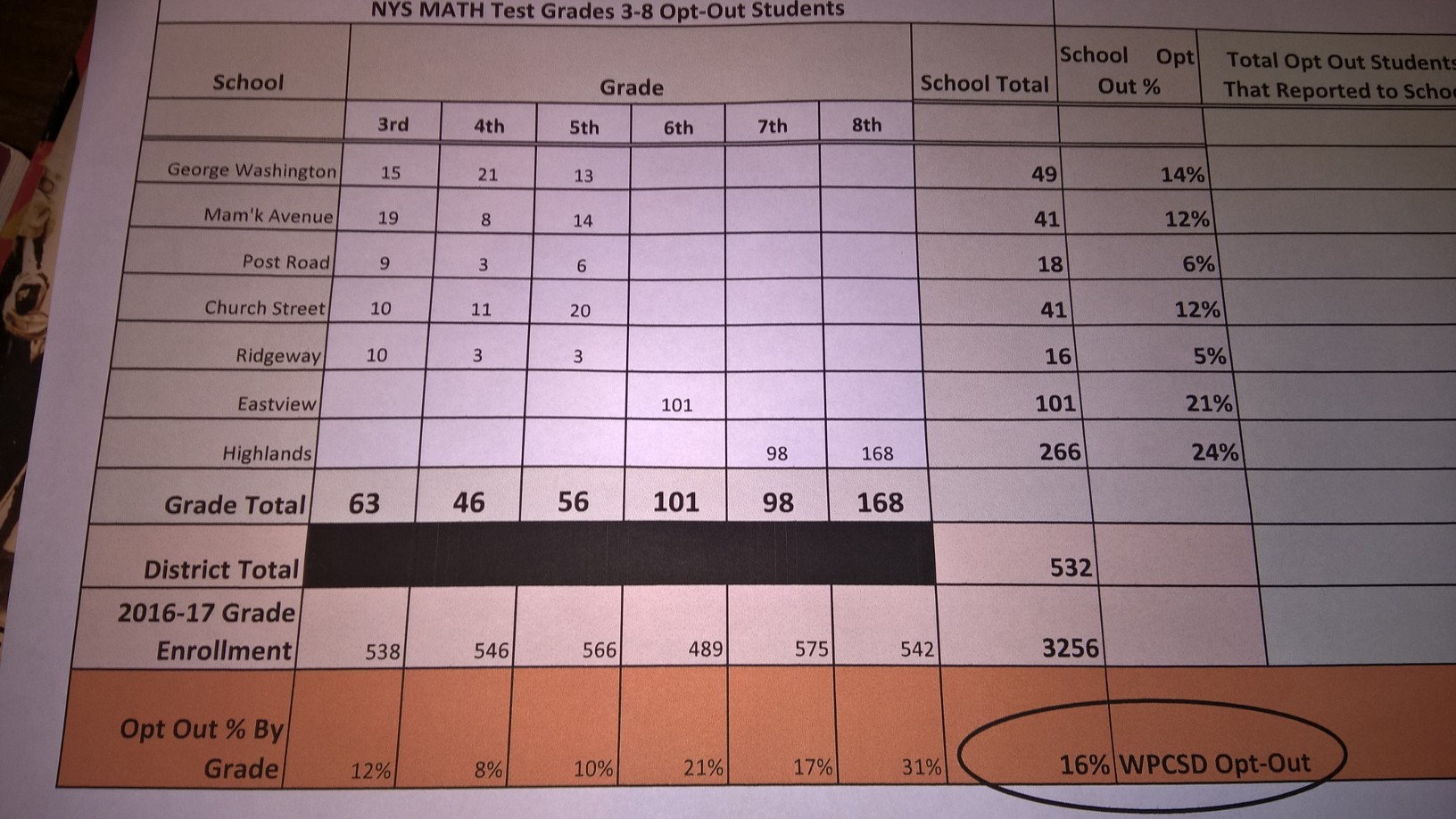
A total of 520 of 3,256 Students in Grades 3 to 8 in the White Plains City Schools “opted-out” of the New York State English Language Assessment Tests—also 16%.
Michele Schoenfeld, Clerk to the Board of Education said two weeks ago, commenting on the ELA opt-out increase, said the increase was attributed to a large group of 8th grade students deciding among themselves “to convince their parents to let them opt-out of the test.”
A total of 205 Eighth graders of 542 in the 8th grade at the Highlands Middle School (38% considerably more than the 168 who skipped the Math Assessments) opted out of ELA testomg according to district statistics.
In 7th Grade, 91 of 575 students in Highlands “opted out” of the ELA (16%) (7 more—98 avoided the Math Test). (Highlands teaches all 7th and 8th graders in White Plains, while Eastview School instructs all 6th graders.
In the 6th Grade at Eastview School, known as the “Prepartory Academy,” that transitions 6th graders to the Middle School routine in 7th grade, 79 of 489 6th graders opted out of the ELA ASSESSMENT (16%), while 22 more (101) stayed out of the Math Assessment last week.
Between the 7th and 8th grades, the critical preparation time for getting into the academic rigor of high school, 296 of 1,117 8th graders taking the ELA TEST opted out–a total of 26.5%.
In the elementary schools ELA tests two weeks ago, 3rd to fifth, the opt out rate was 9% in grades 3 to 5.
Hits: 120
Hits: 4

Westchester County Executive Robert P. Astorino announcing his personal lawsuits against the state, Entergy and Riverkeeper to force an environmental review of the effects of the planned Indian Point closure by 2021. Photo, Courtesy Westchester County Dept of Communications
WPCNR COUNTY CLARION-LEDGER. From the Westchester County Department of Communications. (Edited) May 10, 2017:
Westchester County Executive Robert P. Astorino filed two personal lawsuits Tuesday to ensure that any actions to close the Indian Point nuclear power plant alongside the Hudson River in the Village of Buchanan fully comply with the state’s environmental laws and protect taxpayers, ratepayers and jobs.
“When the Democrats on the Board of Legislators decided to abandon their responsibility of protecting our local communities, I decided to act on my own. The stakes are too high not to ensure every possible step is taken to make sure our county and local communities are not left defenseless against the power of the state and wealthy special interest groups. The second lawsuit will give others time to join our effort to hold the state accountable for enforcing our environmental laws for the benefit of the public.” Mr. Astorino said in a News Conference.
To View the Video of Mr. Astorino’s News Conference Tuesday go to this link:
Citing clear and numerous breaches in the state’s environmental laws, the lawsuits detail how a deal to close Indian Point by Governor Andrew Cuomo, Entergy and Riverkeeper, failed to comply with New York’s State Environmental Quality Review Act, known as SEQRA.
“Our lawsuit has nothing to do with the debate over nuclear energy,” said Astorino at a press conference at his office in White Plains. “It has to do with safety and the rule of law. Ultimately, the issue isn’t whether Indian Point stays open. It’s that any plan to close the plant must fully comply with the law. If our environmental laws are to mean anything, then surely they must apply to the closing of a nuclear power plant that affects the lives and livelihoods of nine million New Yorkers. If ever there was a case for the State Environmental Quality Review Act to be enforced, this is it.”
The case is simple, Astorino outlined: The state failed, as the record clearly shows, to meet its obligations under SEQRA to conduct environmental reviews before it announced its decision in January to close Indian Point. By moving forward on the closure without the required environmental reviews, the state put the public at risk by failing to examine:
“Even those who applaud the closing of Indian Point should be deeply concerned about how it is being done and the environmental and economic aftershocks to come,” said Astorino.
SEQRA is triggered for almost every basic public project, such as building pools, roads, playgrounds, purchasing computers and even renaming county facilities. Astorino said the state is ignoring the law when it comes to one of the biggest environmental decisions in New York’s history – the closing of a nuclear plant.
“Asking us to trust them defies common sense and basic logic,” said Astorino. “To say closing the plant has no significant impact would be laughable if the consequences weren’t so critical.”
Astorino commented on the Task Forces the Governor assembled to look at the consequences of closing Indian Point, after the decision was made.
“First of all, the questions now being looked at by the Task Forces all should have been asked and answered before the state decided to close Indian Point,” Astorino said.
“And what confidence can the public have in these Task Forces since they are accountable only to the Governor, have no weight of law behind them and their recommendations can be ignored. This is not how open and transparent government is supposed to work.”
The reason for Astorino’s two-lawsuit approach is to deal with the statute of limitations.
His challenge aimed at the Closure Agreement by the state, Entergy and Riverkeeper had to be filed Tuesday.
The second suit, faulting the state’s actions in issuing a water quality permit, was also filed today but does not have to be finalized until Aug. 24, 2017, which will allow others to join it.
“When the Democrats on the Board of Legislators decided to abandon their responsibility of protecting our local communities, I decided to act on my own. The stakes are too high not to ensure every possible step is taken to make sure our county and local communities are not left defenseless against the power of the state and wealthy special interest groups. The second lawsuit will give others time to join our effort to hold the state accountable for enforcing our environmental laws for the benefit of the public.”
The Democratic candidates for the nomination to run against Mr. Astorino wasted no time in criticizing the Astorino double suit:
Ken Jenkins, the County Legislator released this statement:
“We need to work with all stakeholders to unite the community, and work on a plan for the future. Now is the time to lead instead of grandstanding to part of the solution. We need to bring the community together and work on a plan for the safety of residents in the surrounding areas. Now is the time to work together to mitigate the economic loss of the closing, and do what we can to create jobs.”
State Senator George Latimer weighed in with this comment:
Astorino’s lawsuit will be litigated by Philip Halpern, one of New York’s preeminent trial attorneys with more than three decades of experience and the managing partner of the firm Collier, Halpern, Newberg & Nolletti, LLP. There will be no costs to the county unless approved by the Board of Legislators.
The lawsuit seeks to invalidate the agreement to close Indian Point until a full environmental review is conducted; ensure the environmental impact statement includes a comprehensive assessment of the socio-economic, energy-replacement and environmental consequences of closing the plant; and guarantee any recommendations made by the state to mitigate the consequences of closing the plant will be subject to public review and debate prior to any final deal to close the plant.
Hits: 104
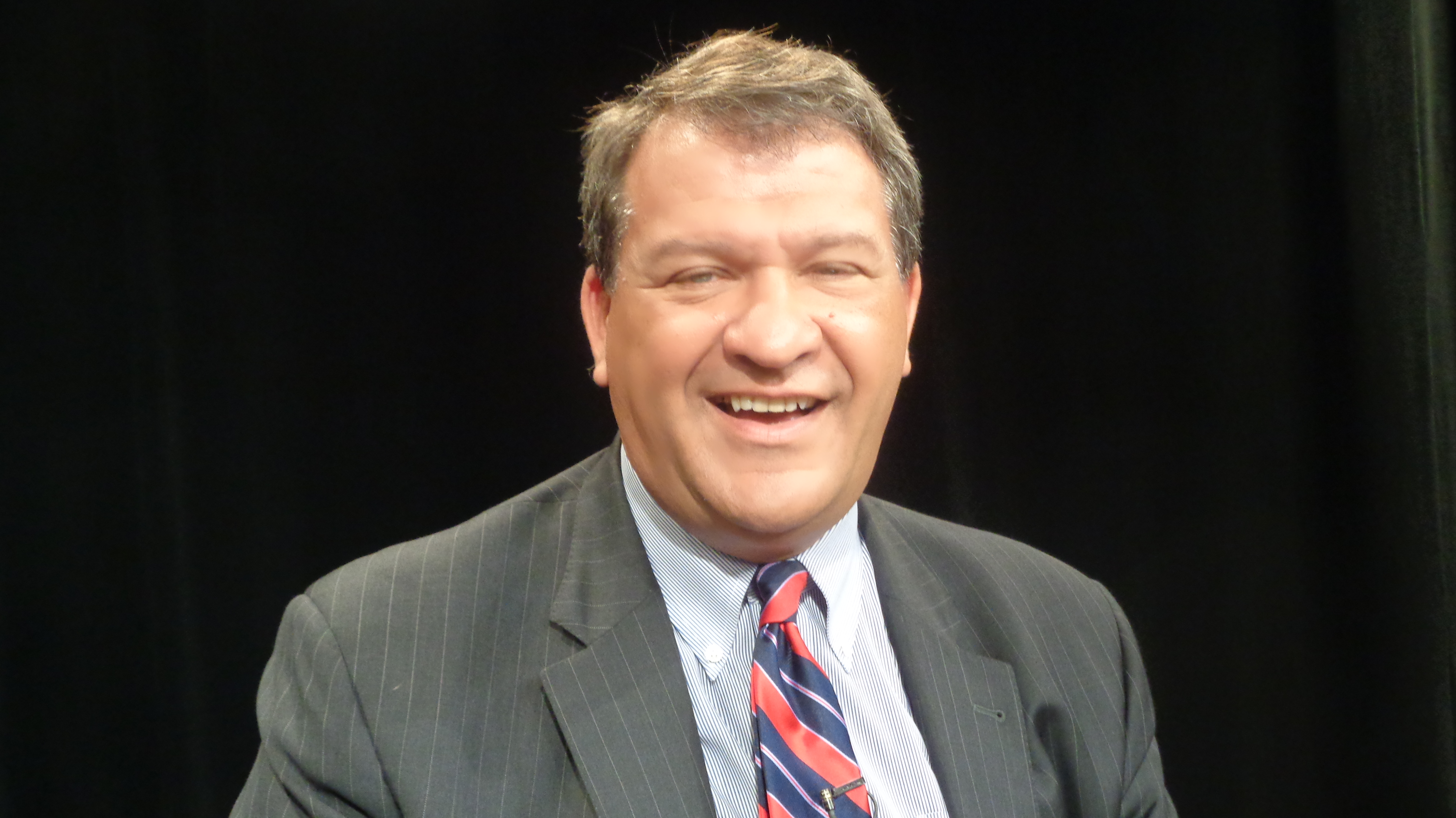
STATE SENATOR GEORGE LATIMER
TALKS TO JOHN BAILEY, PETER KATZ AND JIM BENEROFE
ON WHY HE’S
RUNNING FOR COUNTY EXECUTIVE
ON
WHITE PLAINS TV’S
PEOPLE TO BE HEARD
THE METROPOLITAN AREA MOST RELEVANT INTERVIEW PROGRAM
NOW
Hits: 136

AOL INITIATED A NEW EXPLICITNEWS PRECEDENT TODAY IN REPORTING WHO WON THE KENTUCKY DERBY. WERE THERE CATS ALSO ENTERED IN THE RACE? FORMER NETWORK NEWS COMMENTATORS? I THOUGHT THE KENTUCKY DERBY WAS A HORSE RACE. KUDOS FOR TAKING NEWS REPORTING TO A NEW LEVEL