WHITE PLAINS WEEK THE MAY 12 SHOW ON THE INTERNET NOW.

Hits: 102

THE

2015710WPW 037

LINE UP

PETER KATZ, JOHN BAILEY, JIM BENEROFE

WHITE PLAINS WEEK  for 5-12 IS ON the youtube link 
 
 
The whiteplainsweek.com link is —


ON

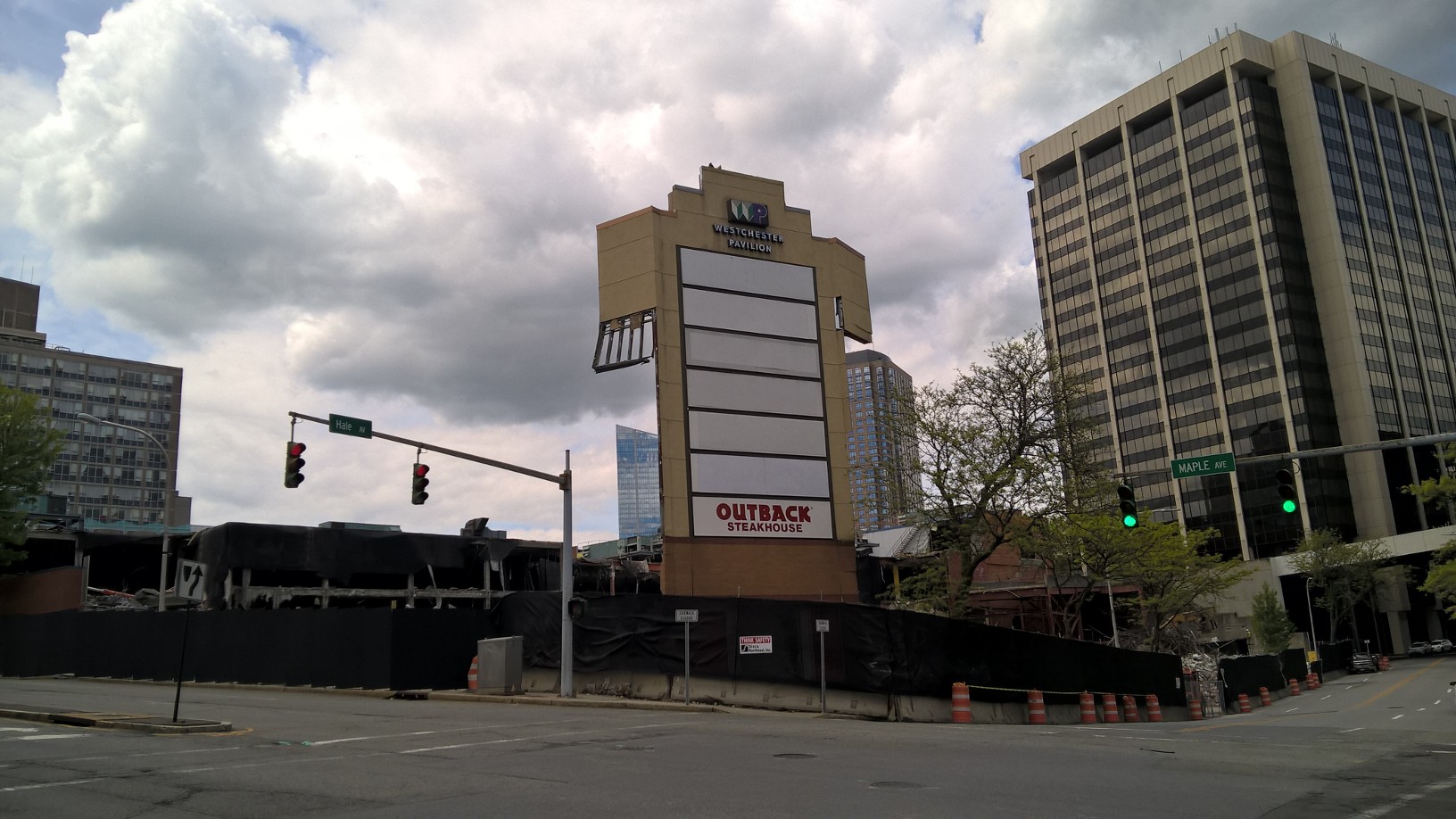
OUT WITH THE OLD WHITE PLAINS IN WITH THE NEW

HEROIN BUST  AFTERMATH–NOT WHAT MEDIA HAD INDICATED

SCHOOL BOARD INKS DR. JOSEPH RICCA FOR SUPERINTENDENT OF SCHOOLS FOR 4 YEARS

SCHOOL BUDGET VOTE COMIN UP TUESDAY

THE EMBARRASSING WHITE PLAINS MIDDLE SCHOOL OPT-OUT RATE FROM THE MATH TESTS

WESTCHESTER COUNTY EXECUTIVE SUES GOVERNOR ON INDIAN POINT FOR ENVIRONMENTAL REVIEW –VIDEO!

LATIMER

 ANOTHER QUIET WEEK IN THE NATION’S CAPITOL–

PETER KATZ REPORTS ON

TRUMP THE PRESIDENT

Posted in Uncategorized

THIS WEEK ON PEOPLE TO BE HEARD–AARON WOODIN — PERSONAL COMPUTER SECURITY EXPERT–ON THE STATE OF PERSONAL COMPUTER EXPERT ON THE INTERNET NOW.

Hits: 0

IMG_0197

JOHN BAILEY, AARON WOODIN, PRESIDENT PC VENTURES and JIM BENEROFE. Photo by “RKO” Keith Baker, White Plains Television

WESTCHESTER COUNTY’S MOST RELEVANT AND TIMELY INTERVIEW PROGRAM

YOU’VE GOT

WP_20170511_20_07_23_Pro

AARON WOODIN

WHITE PLAINS COMPUTER TROUBLESHOOTER FOR 15 YEARS

ON

THE STATE OF THE PERSONAL COMPUTER WORLD TODAY

YOUR PERSONAL COMPUTER SECURITY

CONTEMPORARY COMPUTER SCAMS TO BE AWARE

THE SIGNS YOUR COMPUTER IS ABOUT TO CRASH

WHEN YOU SHOULD CONSIDER BACKING UP, OR PURCHASING NEW COMPUTER

THE SMARTPHONE JUNGLE WHAT’S AHEAD?

WHAT ABOUT THOSE OPERATING SYSTEMS?

SHOULD YOU ACCEPT EVERY UPDATE?

WP_20170511_20_03_46_Pro

INTERVIEWED BY JOHN BAILEY AND JIM BENEROFE

ON THE INTERNET, 

www.wpcommunitymedia.org

(GO TO WHITE PLAINS WEEK PEOPLE TO BE HEARD ON THE PROGRAM LIST)


Posted in Uncategorized

Latimer’s the One by a Country Mile. Democrats Count Votes Slowly. Latimer Overwhelming Choice after 48 Hours of Counting

Hits: 334

2016911ceremoney 002

WPCNR CAMPAIGN 2017. From State Senator George Latimer’s Office. May 17, 2017:
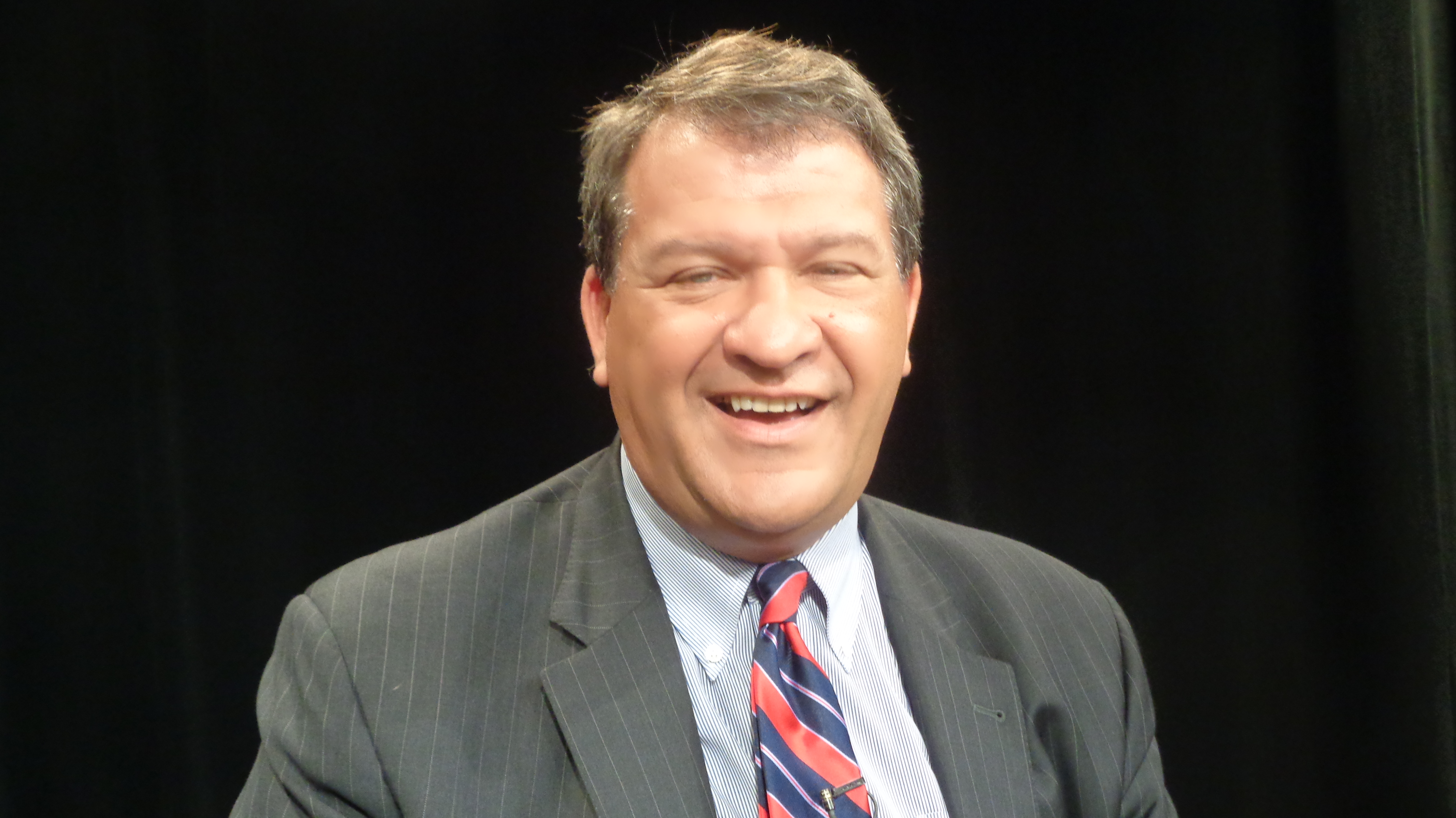
Vowing to restore the focus of the office of Westchester County Executive on the needs of families after years of statewide politicking and poor fiscal choices by incumbent Republican Rob Astorino, Democratic New York State Senator George Latimer (D – Port Chester) secured his party’s nomination to run against Astorino in the November general election.
The victory culminates weeks of coalition-building among the dozens of municipal Democratic Committees countywide that formed the base of Latimer’s formidable results, which were tallied in a post-convention meeting this afternoon.
“I am honored and humbled to accept the Democratic nomination for Westchester County Executive,” said State Senator George Latimer. “I want to thank county Democratic leaders, members of the various local committees and our entire coalition of supporters for their hard work and their trust in me as we move forward to victory in November.
“We have a County Executive who is more concerned with pushing Donald Trump’s divisive agenda and furthering his own statewide political career than working for the people of Westchester. We have an opportunity to end Rob Astorino’s disastrous leadership and restore opportunity and prosperity to our county. I will build on our growing coalition to bring new voices and new ideas into the process, and be a County Executive that serves the people, and not the other way around.”
News of Latimer’s victory came this afternoon following a vote tally by party officials at the Westchester County Democratic Committee headquarters in White Plains. Party leaders had initially gathered in the city Wednesday night at the Westchester County Center for a convention to vote to nominate a candidate for the County Executive and other political posts. However, delays in the voting process for local judicial seats pushed the County Executive vote well into the night, prompting officials to postpone the vote count to Friday.
In terms of weighted votes, Latimer received 51,443 to Jenkins’ 20,585.5, giving the State Senator a substantial 71.42% of the total tally. Latimer ran the board across large swaths of the county, picking up 100% of the vote for the committees out of Bedford, Harrison, Mamaroneck, North Castle, Pound Ridge, Rye Town, Scarsdale, Rye City, and North Salem.
The State Senator also achieved a solid victory in many of the county’s cities, picking up 74% in New Rochelle, 81% in White Plains, and 75% in Peekskill.
Most notably, Latimer’s final tally included a strong showing in Yonkers, where Jenkins was heavily favored to win. In the end, Latimer held his opponent to a narrow loss of 55% to 45%.
This final count demonstrated deep, countywide support for Latimer, who got into the race late but mounted an aggressive and successful campaign to gather support among the county’s 45 local Democratic committees. This earned Latimer the support of a dozen committees and numerous local elected officials. The extent of this support was evident as party leaders stood to nominate Latimer’s candidacy at the convention.
“I’ve seen George in action fighting for the people in our communities. He has shown his kindness and warmth to everyone he meets. He is the leader needed to make Westchester County government reflect the needs of everyone, and not just the wealthy or powerful,” said Bianca Lopez, Port Chester District Leader in nominating Latimer.
“George Latimer’s vision for Westchester includes a county government that is here to work for all our residents and will advance the progressive values that really make up Westchester,” said David Imamura, former chair of Irvington Democratic Committee, who seconded Lopez’s nomination.
In his address to the convention, Latimer declared his intentions to work towards unifying the party going into the November election. This, Latimer noted, would be crucial in leading the party to victory in a race in which Democrats hold a 2-to-1 advantage in voter registration over Astorino and county Republicans.
At the same time, Astorino faces mounting pressure over the policies of Donald Trump, and criticism from Latimer and Democrats for his inattention to county needs as a past and possibly future gubernatorial candidate.
Latimer also took the time to address the likely primary challenge Jenkins is expected to mount. In an email message sent by the Jenkins campaign in the hours leading up to the convention, Jenkins Campaign Manager Joe Montalto told supporters that the candidate would follow “tradition in participating in the convention,” but ultimately intended to break with what he considered the tradition of having the party nominee face a Republican challenger in the general election. Latimer praised the work of convention delegates and welcomed the challenge as an opportunity to strengthen the party.
“The convention process isn’t just pageantry; I’m grateful for the Democratic leaders who come together from every corner of the county to voice their thoughts on how to lead this party forward and build a better, stronger future for the whole county,” said Latimer.
“My opponent plans to continue through the primary, and that’s a good thing. Primaries make our party stronger by giving voters choices and encouraging the best candidate to step forward and lead our party to victory. I fully intend to be that candidate, and I look forward to making the case to voters in the coming months.”
Posted in Uncategorized

Department of Home Security Statement on Ransomeware

Hits: 139

WPCNR COMPUTER SECURITY. May 12, 2017:

The Department of Homeland Security is aware of reports of ransomware known as WannaCry affecting multiple global entities.  Ransomware is a type of malicious software that infects a computer and restricts users’ access to it until a ransom is paid to unlock it.  Microsoft released a patch in March that addresses this specific vulnerability, and installing this patch will help secure your systems from the threat. Individual users are often the first line of defense against this and other threats, and we encourage all Americans to update your operating systems and implement vigorous cybersecurity practices at home, work, and school.  These practices include:

  • Update your systems to include the latest patches and software updates.
  • Do not click on or download unfamiliar links or files in emails.
  • Back up your data to prevent possible loss, whether you are at a home, work, or school computer.

We are actively sharing information related to this event and stand ready to lend technical support and assistance as needed to our partners, both in the United States and internationally.  DHS has a cadre of cybersecurity professionals that can provide expertise and support to critical infrastructure entities.

DHS also leads the federal government’s efforts to protect civilian executive branch agency systems and networks. In partnership with each agency’s Chief Information Officer we are ensuring our own networks are protected against the threat.

For more information, DHS has previously released information on best practices to address ransomware. That information is available on our website at https://www.us-cert.gov/security-publications/Ransomware.

Posted in Uncategorized

No White Plume of Smoke from the County Center! County Democrat Convention Fails to Count Votes for County Executive. Tally Expected Friday

Hits: 99

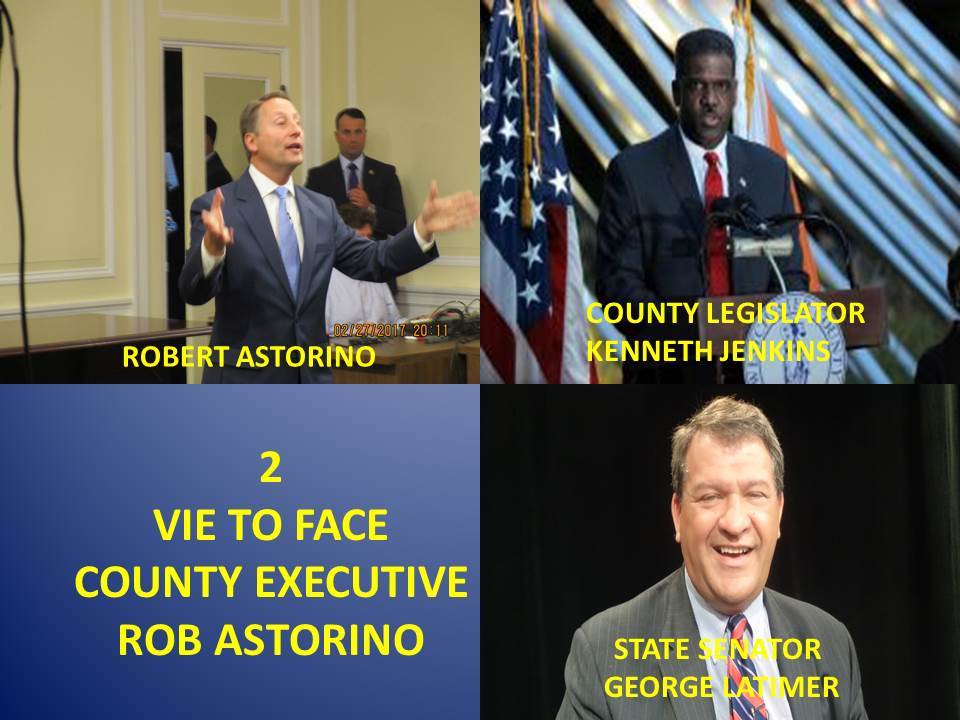
3-ASTORINO LATIMER JENKINS

WPCNR CAMPAIGN 2017. By John F. Bailey. May 11, 2017:

A delegate to the Westchester Democratic Party Nominating Convention at the County Center Wednesday night blamed a disorganized procedure for counting votes for several court nominations Wednesday evening for a convention that failed to nominate a candidate for County Executive.

He said “I was very disappointed in the way the convention was run. There were delays in counting the votes using laptops.

When the two County Executive candidates were nominated (County Legislator Ken Jenkins and State Senator George Latimer) the applause in the hall was overwhelming for Mr. Latimer compared to the reaction when Mr. Jenkins was nominated. I expect he will be the nominee.”

Our delegate continued describing Mr. Jenkins nominating speech as centered on his intent to run a primary against his contender for the nomination if he lost the nomination to Mr. Latimer.

The delegate described Mr. Latimer’s speech as respectful of Mr. Jenkins, and based on “values.” He said Latimer raised the theme that County Executive Robert Astorino had not governed with the values that county government mission was to help the poor, the sick, and persons who needed help.


Posted in Uncategorized

NYS EDUCATION DEPARTMENT RELEASES DRAFT EVERY STUDENT SUCCEEDS ACT PLAN FOR PUBLIC COMMENT

Hits: 96


Draft Plan Emphasizes Fostering Equity in Education for All Students

Expands Measures for School Accountability & Student Success

Requires School-Level Improvement Plans for Lowest-Performing Schools Overall and Among Certain Student Populations

Public Comment Accepted Through June 16 

WPCNR SCHOOL DAYS. From the New York Stated Education Department, May 10, 2017:

The New York State Education Department  Monday presented to the Board of Regents and released for public review and comment the draft Every Student Succeeds Act (ESSA) plan (summary available here), Commissioner MaryEllen Elia announced.

The draft plan emphasizes fostering equity in education for New York’s students; expands measures for school support and accountability, and student success; and requires school-level improvement plans for the lowest performing schools overall as well as schools with the lowest performance for certain student populations.

The plan also includes strategies for supporting the professional growth of educators and ensuring that all students, including English language learners/Multilingual learners, immigrant students, migratory youth, homeless youth, and neglected and delinquent youth have access to a well-rounded education that supports their academic and social-emotional development.

“We must seize this opportunity to reimagine the role accountability plays in improving teaching and learning in our schools,” Board of Regents Chancellor Betty A. Rosa said. “ESSA gives us the chance to shift to a more holistic approach to accountability – an approach that looks at multiple measures of school and student success that will evolve over time. It allows us to look at critical, but often overlooked, indicators of success, like children’s social and emotional growth and development. This is about educating the whole child.”

“Over the past year and half, we have taken a deliberative, transparent and inclusive approach to develop New York’s ESSA plan,” Commissioner Elia said. “Our goal is straightforward – we will submit to the U.S. Department of Education a plan that supports the development of highly effective schools, so our children will be equipped to lead successful lives. I cannot emphasize enough that this plan is a draft – that means it’s not yet done and we want feedback on it. We will make changes to strengthen it based on those comments.”

NYSED held more than 120 stakeholder and public meetings to gather input to help inform the development of the draft plan. The Department is also hosting 13 public hearings on the plan from May 11 through June 16 and is accepting public comment on the plan through June 16.

The full draft plan and a summary are posted on the Department’s ESSA webpage. The summary document outlines the Department’s stakeholder engagement process and highlights key proposals from the full plan.

Highlights of the Draft Plan

Fostering Equity in Education

In addition to meeting ESSA requirements, New York’s draft ESSA plan supports the Board of Regents’ goal of increasing equity in educational opportunities for all students across the state.  To that end, New York explicitly designed the State accountability system to require schools and districts to:

  • reduce gaps in performance among certain populations for students;
  • incentivize districts to provide opportunities for advanced coursework to all high school students;
  • continue to support students who need more than four years to meet graduation requirements; and
  • work with students who have left school so that they can earn a high school equivalency diploma.

Further, under the draft plan, the state will:

  • publish annual reports on per-pupil spending and equitable access to effective teachers per district;
  • identify inequities in resources available to schools and require districts to address these inequities in their improvement plans;
  • use Title I School Improvement Funds to increase diversity and reduce socio-economic and racial/ethnic isolation in schools;
  • develop state and local policies and procedures to ensure homeless youth are provided equal access to appropriate educational supports, services and opportunities;
  • create uniform transition plans for students exiting juvenile justice facilities; and
  • leverage the creation of P-20 partnerships to improve the quality and diversity of the educator workforce.

School Accountability Methodologies and Measurements

New York strives for an accountability system that supports all students, is transparent, prioritizes the measures that New York’s educators and families value, recognizes the good work that schools are doing, and accurately identifies schools that need the most help. The proposed revisions to New York’s school accountability and support system will improve teaching and learning and increase educational equity.

The Board of Regents is committed to evolving the state’s accountability and support system over time to add additional measures of school quality and student success. To achieve this, the Regents will form a workgroup to make recommendations on further measures to be added in the future.

School accountability strategies New York will implement in the draft ESSA plan include to:

  • expand accountability measures beyond English language arts and mathematics to also include science, social studies, acquisition of English proficiency by English language learners/Multilingual learners, and chronic absenteeism.
    • expand access to advanced coursework, particularly for students in less-affluent school districts, through the creation of a College, Career and Civic Readiness index;
    • add additional measures of school quality and student success over time. These could include such measures as students access to specific learning opportunities such as in the arts, science or technology courses; high school readiness for middle level students; postsecondary success of high school graduates; school climate and supports for students’ social, emotional and academic learning, as measured by student surveys and suspension rates; student access to highly qualified teachers; student access to diverse learning environments; and measure of student civic engagement;
  • establish five-year, long-term goals for closing achievement gaps; and
    • ensure a continued focus on students who need extra time to meet graduation requirements by including five- and six -year graduation rates in the accountability system.

Supports and Improvement for Schools and Districts

Under the draft ESSA plan, every three years the State will identify Comprehensive Support and Improvement (CSI) schools based on the performance of all students and Targeted Support and Improvement (TSI) schools based on the performance of subgroups of students. CSI and TSI schools will be required to develop school-level improvement plans in partnership with stakeholders. The State will also annually recognize schools that are high performing or rapidly improving. In addition, the State will identify school districts for targeted support that have one or more CSI or TSI school or, as a district, has certain populations of students who performs at a CSI or TSI level.

The draft plan outlines the supportive role that the State will take in working with identified schools and districts and establishes a system that promotes best practices while also allowing schools to identify the most appropriate solutions to the barriers they face, rather than prescribing an abundance of one-size-fits-all requirements. The State will approach school improvement as a set of stages to be in done in partnership with identified schools and districts, as opposed to approaching school improvement as a set of stages to be imposed on schools and districts.  As part of this partnership, the State will provide multiple supports and opportunities for technical assistance to help schools identify and implement the specific solutions they need to address their specific challenges.

Requirements for identified TSI and CSI schools include to:

  • undergo a Comprehensive Diagnostic Needs Assessment that examines school quality, school data and resource allocation;
  • develop an annual improvement plan based on the Needs Assessment;
  • provide professional development connected to the improvement plan; and
  • determine the effectiveness of their improvement efforts through an annual review and parent, teacher and student surveys.

The State will provide a robust system of supports to identified schools and districts to assist them throughout each of these stages.  Additionally, after the initial year of identification, the State will prioritize its support each year to any CSI school not making gains. While this differentiated approach is intended to provide the most support to the schools that need the most assistance, should a CSI school be re-identified as a CSI school, the school will be placed in receivership whereby the district superintendent or an independent receiver will have enhanced authority to manage the school. Schools that are currently “Priority Schools” will immediately be placed under receivership if they are identified as CSI.

Supporting Excellent Educators

The Department’s efforts to improve all students’ access to effective educators includes work with preparation programs, higher education providers, districts, BOCES and educators. To support educators and improve the quality of teaching and learning, the Department will:

  • leverage partnerships among institutions of higher education, other preparatory programs and public schools to create additional opportunities for candidates in teacher and school building leader preparation programs to have robust, field-based experiences that allow them to apply what they learn in the classroom and demonstrate that they have acquired the necessary knowledge, skills and abilities to provide effective instruction and effective leadership earlier in their careers.
  • examine existing pathways to certification for both teachers and school leaders to ensure that existing structures are not creating unintended barriers for promising candidates to enter the profession.
  • assist school districts in creating comprehensive systems of professional learning, support and advancement for all educators – including those who are new to the field – along the entire continuum of their careers.

Supporting English Language Learners/Multilingual Learners

Of New York’s 2.6 million public school students, 8.8 percent are English language learners/Multilingual learners. New York will seek to improve teaching and learning as well as educator effectiveness by setting challenging, but attainable, goals for the state’s ELLs/MLLs. The draft ESSA Plan will enable ELLs/MLLs to develop English language proficiency, as well as access the state’s Next Generation Learning Standards, through the provision of high-quality instruction and support. The Department proposes to:

  • exempt recently arrived ELLs/MLLs in their first year of enrollment from the ELA exam. In addition, New York will propose to use such students’ ELA scores in the second year of enrollment only to set a baseline for future growth and achievement in the third year. In past practice, ELLs/MLLs’ ELA scores in the second year were used to measure achievement, rather than to set a baseline;
  • use a Transition Matrix Table for incorporating ELLs/MLLs’ growth toward attainment of English language proficiency into state accountability determinations; and
  • determine each district’s effectiveness in providing ELLs/MLLs with academic instruction that meets their needs through a self-evaluation tool.

Supporting All Students

New York believes that the highest levels of learning can occur when students and educators learn and teach in environments that are safe, supportive, and welcoming to all.  To support this belief, New York will:

  • support districts to reduce bullying, harassment and the overuse of punitive and exclusionary responses to student misbehavior while promoting positive disciplinary practices, improving school climate and providing students with social-emotional supports;
  • work with districts to build positive school climates based on inclusive, equitable school cultures that recognize student diversity;
  • promote strategies to effectively engage parents and family members in their child’s education at the state, district and school levels; and
  • require schools and districts to collaborate with relevant community partners when conducting a comprehensive needs assessment and creating improvement plans based on such assessments.

Challenging Academic Standards and Assessments

New York is completing a two-year collaborative process with educators to revise the Next Generation English Language Arts and Mathematics Learning Standards to ensure that they continue to be rigorous and challenge New York’s students. In December 2016 New York adopted new science standards that have a focus on experiential learning; those standards become effective in 2017-18.

Once the application is released by the U.S. Department of Education, New York will apply to participate in the Innovative Assessment Demonstration Authority that will provide states the opportunity to work with selected school districts to pilot new approaches to assessment. During the pilot period these assessments can be used to meet federal participation and accountability requirements.

Stakeholder Engagement

For the past year, NYSED has coordinated and engaged diverse groups of stakeholders to solicit recommendations on how to craft an ESSA plan that best meets the needs of the state’s students, schools and communities. In these efforts NYSED established an ESSA Think Tank with representatives from more than 100 organizations, including district leaders, teachers, parents, community members and students and consulted with national education experts regarding ESSA, including Linda Darling-Hammond (Learning Policy Institute), Scott F. Marion (National Center for the Improvement of Educational Assessment), and Michael Cohen (Achieve).

In addition, NYSED held more than 120 fall and winter regional in-person meetings across the state in coordination with the state’s 37 Boards of Cooperative Educational Services (BOCES) and the superintendents of the state’s five largest City School Districts, which were attended by more than 4,000 students, parents, teachers, school and district leaders, school board members, and other stakeholders.

Next Steps & Process for Submitting Public Comment

NYSED is accepting public comment on the draft plan through June 16 in writing and at 13 public hearings. Department staff will provide a summary and response to the comments received to the Board of Regents at the July meeting.  It is expected the Board will vote on adopting a final version of the ESSA State plan in September.

Once the Board approves the ESSA plan, the State Education Department will submit the plan to the USDE for review and approval on September 18, 2017. After the plan is approved by the USDE, the Department will work with BOCES District superintendents, superintendents, the ESSA Think Tank and other stakeholder groups to develop and provide guidance on implementing the ESSA plan.

Comments can be submitted via email to ESSAComments@nysed.gov(link sends e-mail) with “ESSA Comments from (sender/organization name)” in the subject line. Comments submitted via mail should be sent to the attention of Dr. Lisa Long, New York State Education Department, Office of Accountability, 4th Floor, 55 Hanson Place, Brooklyn, New York 11217. Comments will be accepted through June 16.

 

Posted in Uncategorized

White Plains Library Director Says Only One Drug Suspect Arrested in D.A.’s Alleged Drug Dealer Roundup involved in only one alleged drug deal in White Plains Library.

Hits: 115

WPCNR POLICE GAZETTE. May 10, 2017:

The Director of the City of White Plains Library  issued a statement Monday afternoon to the public on the White Plains Library website, saying that only one  arrest  of the arrests of 18 individuals (15 of whom are residents of White Plains), involved the library as a location.

This one incident allegedly involving drugs in the library, prompted mention of the Library in the Westchester County District Attorney Joseph Scarpino, Jr. news conference on the drug arrests last Thursday.  At that news conference, the  D.A.  mentioned the White Plains Public Library and 159 Lexington Avenue as places that were sites of  alleged drug deals done by the 18 persons arrested on felony drug charges last week.

Mr. Scarpino never mentioned to the press that there was only one incident at the Library. The headlines and newscasts around the county publicized the one incident in the library, focusing on the fact that drugs were sold in the Library, the White Plains Library.

Mr. Kenney’s statement Monday indicates the notoriety of the Library was not what the media portrayed.

Brian Kenney, Director of the Library issued this statement Monday afternoon on the White Plains Public Library website:

Statement from the Library Director

A recent police investigation revealed that an incident of criminal conduct took place in the White Plains Public Library.

We work hard to make the Library a safe environment, especially for children and teens. As a community, we have invested millions in our Library to create a welcoming, community-oriented, and productive space for our residents.

The incident occurred in an area frequented by adults. At no time were any patrons of the library in danger. There was no exposure to young people and the individual involved has been arrested.

We are extra vigilant of adults in the Trove, our children’s library, and the Edge, our teen library. When staff members see suspicious behavior they are quick to call law enforcement.

The White Plains Public Library is one of the safest public places in the City of White Plains. Our Public Safety Department and the staff of the Library will continue to work together to keep it that way.

Categories: Director’s Corner and Homepage.
Mr. Kenney’s is the first statement on the drug arrests matter by officials of the City of White Plains.
Posted in Uncategorized

532 of 3,256 White Plains Students Opt Out of NYS Math Assessment Tests

Hits: 142

WP_20170510_12_33_06_Pro

WPCNR SCHOOL DAYS. By John F. Bailey. May 10, 2017:

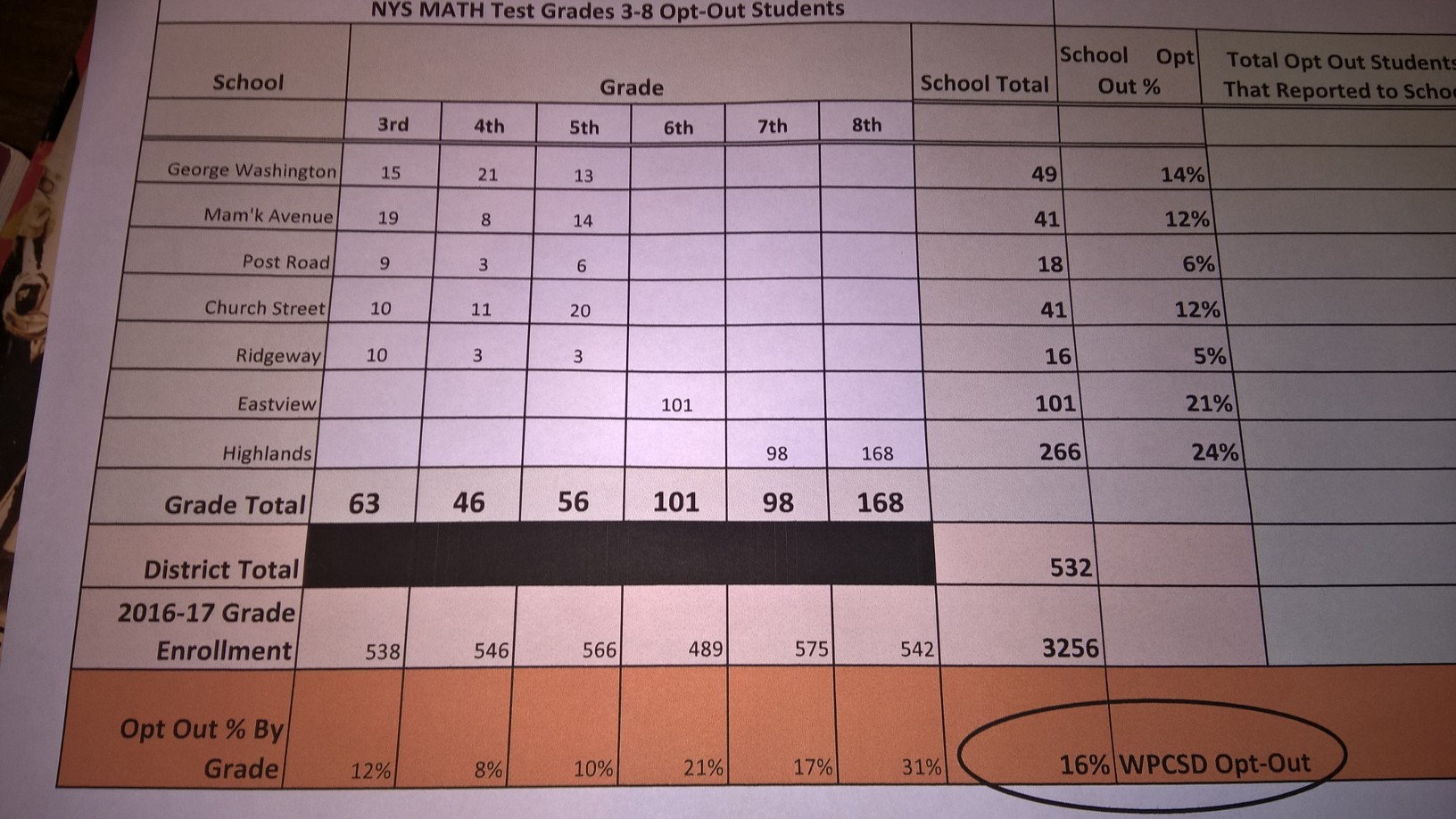
The White Plains City School District reported today that 16% of students taking the New York State 3 to 8 Grade Math Assessment Tests did not take the test, 532 of 3,256.

The majority of so-called “Opt-Outs” were in the

6th 7th and 8th grades where 367 of 1,606 – 23% were held out of the Math tests.

In the 3rd to 5th grades (elementary level), 165 of 1,650 children – 10%–were kept of the exam.

The pattern of heavy opting-out in the 6, 7th and 8th grades echoed the trend in the ELA Assessments two weeks ago.

A total of 520 of 3,256 Students in Grades 3 to 8 in the White Plains City Schools “opted-out” of the New York State English Language Assessment Tests—also 16%.

Michele Schoenfeld, Clerk to the Board of Education said two weeks ago, commenting on the ELA opt-out increase, said the increase was attributed to a large group of 8th grade students deciding among themselves “to convince their parents to let them opt-out of the test.”

A total of  205 Eighth graders of 542 in the 8th grade at the Highlands Middle School (38% considerably more than the 168 who skipped the Math Assessments) opted out of ELA testomg according to district statistics.

In 7th Grade, 91 of 575 students in Highlands “opted out” of the ELA (16%) (7 more—98 avoided the Math Test).  (Highlands teaches all 7th and 8th graders in White Plains, while Eastview School instructs all 6th graders.

In the 6th Grade at Eastview School, known as the “Prepartory Academy,” that transitions 6th graders to the Middle School routine in 7th grade, 79 of 489 6th graders opted out of the ELA ASSESSMENT (16%), while 22 more (101) stayed out of the Math Assessment last week.

Between the 7th and 8th grades, the critical preparation time for getting into the academic rigor of high school, 296 of 1,117 8th graders taking the ELA TEST opted out–a total of 26.5%.

In the elementary schools ELA tests two weeks ago, 3rd to fifth, the opt out rate was 9% in grades 3 to 5.

Posted in Uncategorized

Astorino Personally Sues State, Riverkeeper Over Indian Point Closing Without an Environmental Review. Alleges leaving Nuclear Waste Behind Doesn’t Make Indian Point Safe After Closure

Hits: 0

DSC_0130

Westchester County Executive Robert P. Astorino announcing his personal lawsuits against the state, Entergy and Riverkeeper to force an environmental review of the effects of the planned Indian Point closure by 2021. Photo, Courtesy Westchester County Dept of Communications

WPCNR COUNTY CLARION-LEDGER. From the Westchester County Department of Communications. (Edited) May 10, 2017:

Westchester County Executive Robert P. Astorino filed two personal lawsuits Tuesday to ensure that any actions to close the Indian Point nuclear power plant alongside the Hudson River in the Village of Buchanan fully comply with the state’s environmental laws and protect taxpayers, ratepayers and jobs.

“When the Democrats on the Board of Legislators decided to abandon their responsibility of protecting our local communities, I decided to act on my own. The stakes are too high not to ensure every possible step is taken to make sure our county and local communities are not left defenseless against the power of the state and wealthy special interest groups. The second lawsuit will give others time to join our effort to hold the state accountable for enforcing our environmental laws for the benefit of the public.” Mr. Astorino said in a News Conference.

To View the Video of Mr. Astorino’s News Conference Tuesday go to this link:


Citing clear and numerous breaches in the state’s environmental laws, the lawsuits detail how a  deal to close Indian Point by Governor Andrew Cuomo, Entergy and Riverkeeper, failed to comply with New York’s State Environmental Quality Review Act, known as SEQRA.

“Our lawsuit has nothing to do with the debate over nuclear energy,” said Astorino at a press conference at his office in White Plains. “It has to do with safety and the rule of law. Ultimately, the issue isn’t whether Indian Point stays open. It’s that any plan to close the plant must fully comply with the law. If our environmental laws are to mean anything, then surely they must apply to the closing of a nuclear power plant that affects the lives and livelihoods of nine million New Yorkers. If ever there was a case for the State Environmental Quality Review Act to be enforced, this is it.”

The case is simple, Astorino outlined:  The state failed, as the record clearly shows, to meet its obligations under SEQRA to conduct environmental reviews before it announced its decision in January to close Indian Point. By moving forward on the closure without the required environmental reviews, the state put the public at risk by failing to examine:

  • whether sufficient energy sources will be available to replace the loss of 2,000 megawatts of electricity (roughly 25 percent of the current supply to nine million Westchester and New York City residents) so that rolling blackouts can be avoided;
  • whether the anticipated increases in electric bills will cause economic hardships for individuals, families, and businesses, particularly among minorities, low-income residents, seniors and others on fixed incomes;
  • whether the loss of thousands of jobs and a billion dollars of economic activity will devastate local communities and the county at large. (Payment in Lieu of Taxes losses alone are estimated at $72 million for Westchester County, the Town of Cortlandt, the Village of Buchanan and the 2,500-student Hendrick Hudson School District);
  • whether replacing zero-emission nuclear power with fossil fuels will contribute to climate change;
  • whether the decommissioning of the plant will require a taxpayer bailout since current funds are estimated to be more than $1 billion short of what will be needed;
  • whether the public will be exposed to health and safety dangers from leaving spent, radioactive fuel rods on site for a period estimated to range from 60 years to forever.

“Even those who applaud the closing of Indian Point should be deeply concerned about how it is being done and the environmental and economic aftershocks to come,” said Astorino.

SEQRA is triggered for almost every basic public project, such as building pools, roads, playgrounds, purchasing computers and even renaming county facilities.  Astorino said the state is ignoring the law when it comes to one of the biggest environmental decisions in New York’s history – the closing of a nuclear plant.

“Asking us to trust them defies common sense and basic logic,” said Astorino. “To say closing the plant has no significant impact would be laughable if the consequences weren’t so critical.”

Astorino commented on the Task Forces the Governor assembled to look at the consequences of closing Indian Point, after the decision was made.

“First of all, the questions now being looked at by the Task Forces all should have been asked and answered before the state decided to close Indian Point,” Astorino said.

“And what confidence can the public have in these Task Forces since they are accountable only to the Governor, have no weight of law behind them and their recommendations can be ignored. This is not how open and transparent government is supposed to work.”

The reason for Astorino’s two-lawsuit approach is to deal with the statute of limitations.

His challenge aimed at the Closure Agreement by the state, Entergy and Riverkeeper had to be filed Tuesday.

The second suit, faulting the state’s actions in issuing a water quality permit, was also filed today but does not have to be finalized until Aug. 24, 2017, which will allow others to join it.

“When the Democrats on the Board of Legislators decided to abandon their responsibility of protecting our local communities, I decided to act on my own. The stakes are too high not to ensure every possible step is taken to make sure our county and local communities are not left defenseless against the power of the state and wealthy special interest groups. The second lawsuit will give others time to join our effort to hold the state accountable for enforcing our environmental laws for the benefit of the public.”

3-ASTORINO LATIMER JENKINS

The Democratic candidates for the nomination to run against Mr. Astorino wasted no time in criticizing the Astorino double suit:

Ken Jenkins, the County Legislator released this statement:

We need to work with all stakeholders to unite the community, and work on a plan for the future. Now is the time to lead instead of grandstanding to part of the solution. We need to bring the community together and work on a plan for the safety of residents in the surrounding areas. Now is the time to work together to mitigate the economic loss of the closing, and do what we can to create jobs.”

State Senator George Latimer weighed in with this comment:

“Filing a lawsuit that will not add one cent of needed revenue to the Village of Buchanan, the Town of Cortlandt or the Hendrick Hudson School District, is the height of playing politics. It’s ‘good politics’ if you’re running for the Republican nomination for Governor, but if you intend to be County Executive for the next four years, you should be meeting with New York State officials to hammer out a plan to deal with the real world problems these communities are facing. It’s one more example of how Rob has made making headlines more important than making headway on solving this problem.”

Astorino’s lawsuit will be litigated by Philip Halpern, one of New York’s preeminent trial attorneys with more than three decades of experience and the managing partner of the firm Collier, Halpern, Newberg & Nolletti, LLP. There will be no costs to the county unless approved by the Board of Legislators.

The lawsuit seeks to invalidate the agreement to close Indian Point until a full environmental review is conducted; ensure the environmental impact statement includes a comprehensive assessment of the socio-economic, energy-replacement and environmental consequences of closing the plant; and guarantee any recommendations made by the state to mitigate the consequences of closing the plant will be subject to public review and debate prior to any final deal to close the plant.

Posted in Uncategorized