




WPCNR CORONA VIRUS Surveillance. From the Westchester County Department of Communications. October 27, 2022:
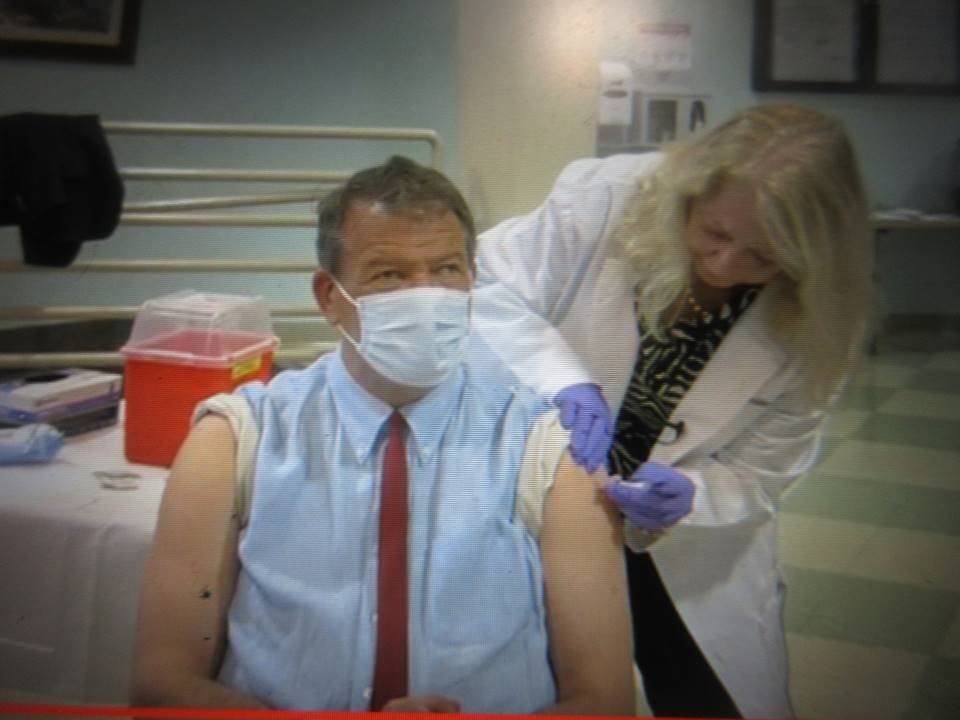
The Westchester County Department of Health is offering Pfizer COVID-19 boosters for children ages 5-11 starting tomorrow Friday, October 28.
Health Commissioner Sherlita Amler, MD, said: “I encourage parents to schedule their children’s boosters as soon as possible. We anticipate an uptick in COVID-19 cases after Halloween and through the upcoming holidays, just as we experienced the past few years. These boosters will extend your family’s protection against serious COVID-19 symptoms, and help you avoid exposing more vulnerable family and friends.”
Flu season is here, and families can also schedule flu vaccines at the same time at the Health Department Clinic in White Plains.
The Westchester County Health Department will offer both the flu vaccine and pediatric COVID-19 bivalent boosters by appointment, as follows:
· Fridays, Nov. 3 and 18, 1 p.m. to 3 p.m., at 134 Court Street, White Plains
· Thursday, Nov. 3, Yonkers Riverfront Library, 2 p.m. to 6:30 p.m.
· Monday, Nov. 14, 4 p.m. to 7 p.m. at 134 Court Street, White Plains
· December Friday appointments will be added later, so please check back.
Amler added: “Combining vaccines is safe and it is more convenient to schedule both at the same time. Children often receive multiple shots at once, and you are much less likely to skip a vaccine if both are given together. Vaccines for flu and COVID-19 offer the best protection we have to fight these diseases, so the sooner you get vaccinated, the better.”
Go to www.westchestergov.com/health to book your vaccine visit.
In the U.S., flu activity is usually highest between December and February, but can last into May. One flu vaccine now provides protection all season long and can prevent illness or reduce the severity of flu symptoms. The vaccine becomes fully effective after about two weeks.
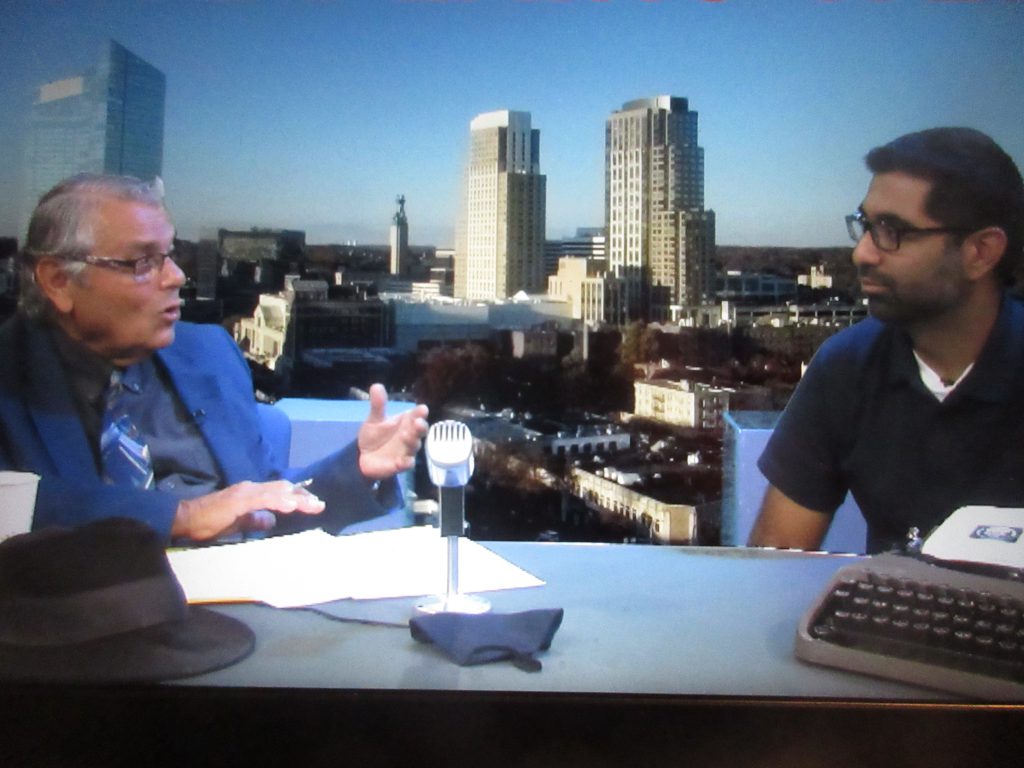
WPCNR WHITE PLAINS LAW JOURNAL. By Dan Seidel. October 27, 2022:
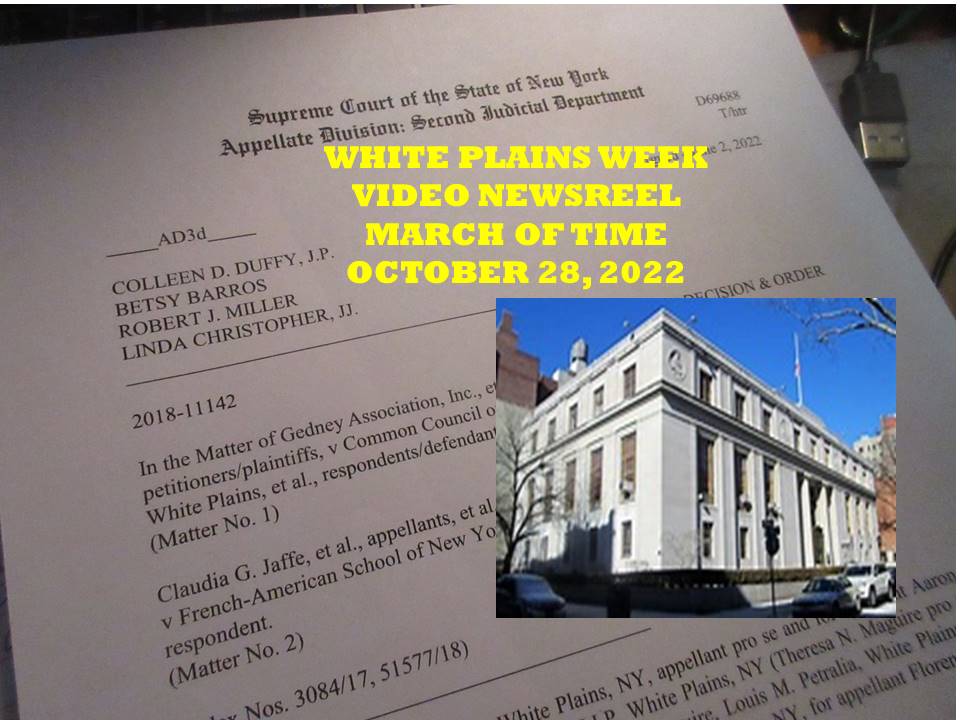
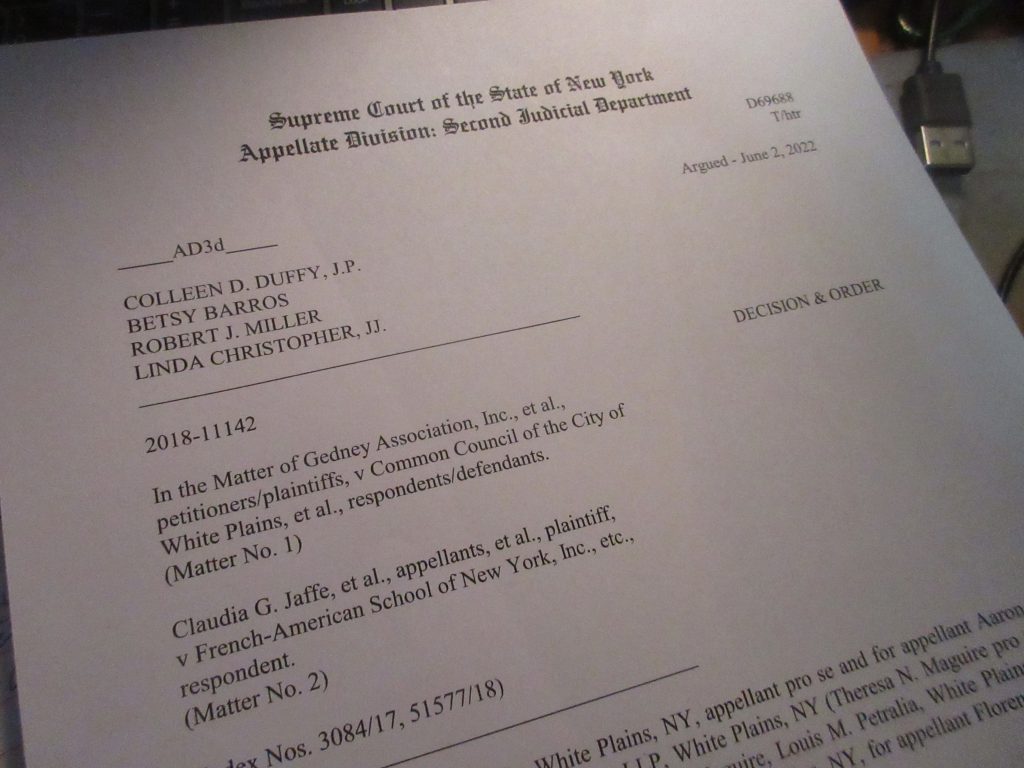
(Editor’s Note:) The Appellate Court 2nd Department in Brooklyn has upheld the legal binding of the 1925 covenant attached to the Ridgeway Country Club property in a decision issued Tuesday
Dan Seidel, in the statement below, the attorney who handled the Action 1 of the Appeal, which he and John Sheehan filed on the involving environmental issues on the property explains the impact of the decision to WPCNR this morning in this analysis:
“Yesterday, the Appellate Division, 2nd Dept., published its decision in the “2nd part” of the Appeals filed against Judge Lefkowitz’s decision to allow FASNY to build its school on the old Ridgeway Country Club property.
There were 2 appeals: one by Gedney Association, John Sheehan and me. Dan Seidel, on SEQRA/Environmental/Common Council issues and a second (called “Action #2) contesting the school placement on the property due to a “deed restriction” in Gedney Farms deeds concerning “institutional use”.
When the Ridgeway property was sold in its entirety to Farrell Builders, without contingencies, the property zoned 3/4 acre single family use, as of right, Gedney Assoc, Sheehan and Seidel made a prompt decision to withdraw their appeal as their issues were now moot – it would be a waste of the Court’s time to read all the papers and hear the matter if the matter was moot.
If Action #1 was NOT withdrawn and the Court was made to read papers on moot issues, there was a very good chance Gedney, Sheehan and Seidel COULD be sanctioned and have to pay costs (statutory and printing) to FASNY.
The Action #2 Appeal was not withdrawn, was prosecuted and the decision published yesterday was issued on their arguments, the Appellate Court deciding that Judge Lefkowitz made the correct decision/conclusion, but should have afforded those plaintiffs in Action #2 a chance to prosecute a “declaratory judgment” on the definition of “institution” – again the Appellate Court deciding that a school could be considered legit under a vague and undefined deed restriction.
The Appellate Court decided against the plaintiffs in Action #2, Action #1 having already been withdrawn with no costs to be awarded to any party, and DID award costs AGAINST the plaintiffs in Action #2 (the deed restriction appeal) to be paid to the defendant FASNY. The Appellate Court “sent the case back to Supreme Court” for the assessment and awarding of costs to FASNY.
The costs of the Appellate printing could be in the tens of thousands of dollars – receipts for those costs must be produced to the Clerk of the Supreme Court, Judgments Section.
The plaintiffs in Action #2 can appeal that award of costs, but the same Appellate judges will be assigned THAT appeal (if filed) and may render a harsher decision on THAT appeal against those plaintiffs, IF an appeal is undertaken.
Bottom line is that White Plains won, kept the property development as “low impact environmentally sensitive grounds” and will get yearly property and school taxes from the McMansions to be built. The action against Judge Lefkowitz’s decision, I am assuming, is finally over.
This is my take on the decision.
The decision may be read at this link: https://www.nycourts.gov/courts/AD2/Handdowns/2022/Decisions/D69688.pdf