

WPCNR PERSPECTIVE ’26. As InternetCast on White Plains Week of August 7, 2026:
TODAY AUGUST 9 IS THE DAY THE U.S.A DROPPED THE SECOND ATOMIC BOMB ON NAGASAKI JAPAN DESTROYING THAT CITY, EFFECTLY IMMEDIATELY IN THAT JAPAN SURRENDERED UNCONDITIONALLY.
THIS WAS 3 DAYS AFTER THE FIRST ATOMIC BOMB ANNILHILATED HIROSHIMA JAPAN.
I ALWAYS REMEMBER THESE TWO DAYS. BECAUSE THEY HIGHLIGHTS FOR ME WHY NUCLEAR WEAPONS SHOULD NOT BE SPREAD OR BE ACCEPTED AS LEGITIMATE WEAPONS WORLDWIDE.
THIS DETERENT THINKING HAS GOTTEN US INTO WARS, MOST SIGNIFICANTLY THE IRAN WAR OVER IRAN TRYING TO ACQUIRE ENTRICHED URANIUM TO MAKE AN ATOMIC BOMB
HOWEVER ISRAEL DOES HAVE A NUCLEAR BOMB.
AS I RERAN THE PIECE I WROTE YEARS AGO TO COMMEMORATE AUGUST 6 I GOT TO WONDER ABOUT CHERNOBYL.
THIS MORNING READING THE FRONT PAGE OF THE TIMES THIS MORNING ON THE MISSILE GAP THE U.S. HAS WITH CHING AND RUSSIA AND THE NEED FOR MORE, AS WELL AS THE OVERWHELMING NUMBER OF NUCLEAR WEAPONS MANY NATIONS HAVE. AS WELL AS THE RANGE OF MISSILES TODAY. i HAD THESE THOUGHTS:
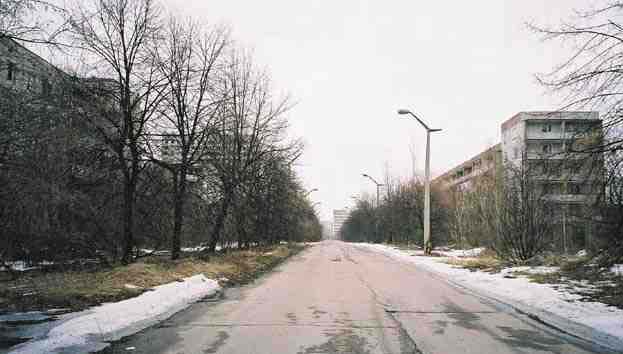
THAT NUCLEAR PLANT IS IN THE UKRAINE. THE ACCIDENT IN 1986 THAT TOOK PLACE THERE HAS MADE THE PLACE STILL UNINHABITABLE 50 MILES IN EITHER DIRECTION.
JAPAN RECOVERED FROM THE 2 NUCLEAR BOMBS THEY SUFFERED IN HIROSHIMA AND NAGASAKI. THE NATION WAS FUNCTIONING BY 1950. bUT THEY WERE MUCH SMALLER BOMBS THAN THE BOMBS TODAY.
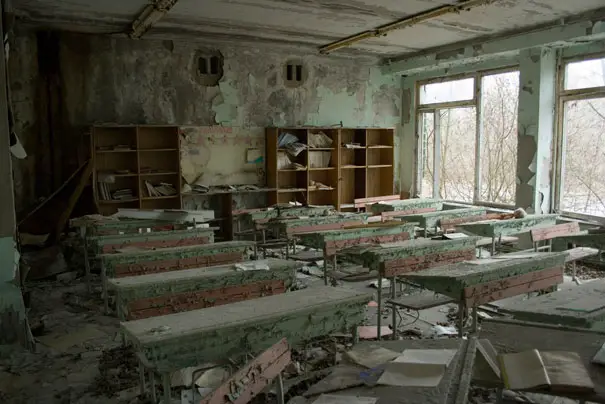
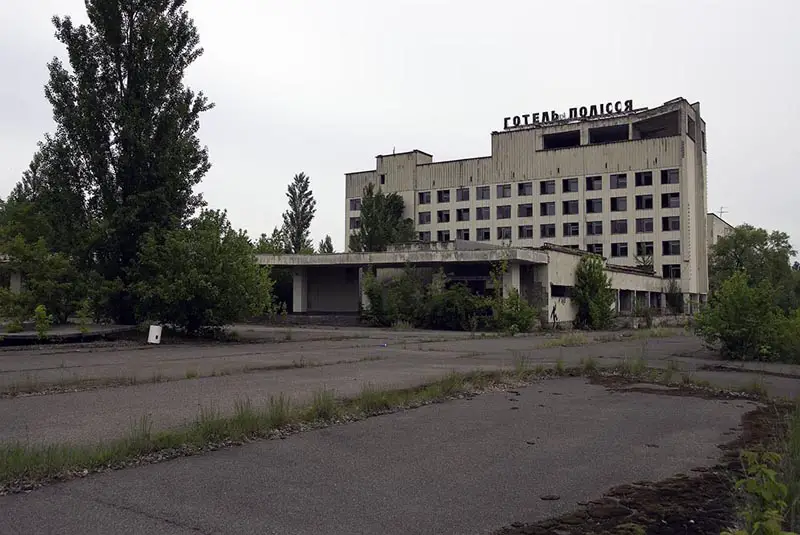
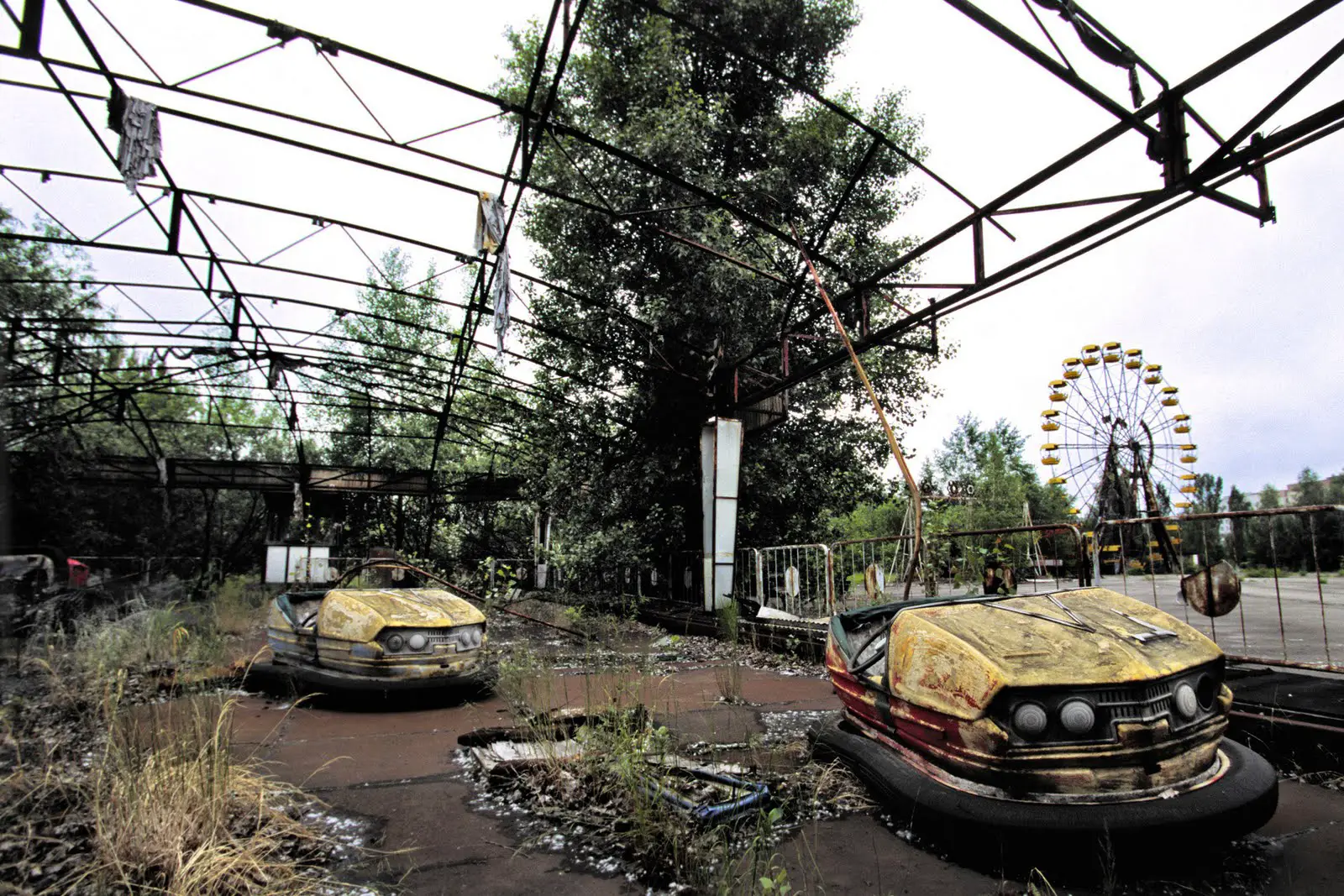
CHERNOBYL IS STILL UNINHABITABLE AFTER 50 YEARS.
THE FOLLOWING IS AN ANALYSIS OF PRESENT CHERNOBYL AND ITS AFTERMATH WRITTEN BY
AUTHOR: ORIOL PLANAS – TECHNICAL INDUSTRIAL ENGINEER
PUBLICATION DATE: MAY 25, 2017
LAST REVISION: SEPTEMBER 25, 2020
CURRENTLY, THE GENERATED NUCLEAR WASTE AT CHERNOBYL IS STORED IN ABOUT 800 DIFFERENT SITES INSIDE AND OUTSIDE THE 30-KILOMETER EXCLUSION ZONE AROUND.
THESE NUCLEAR WASTES ARE PARTIALLY STORED IN CONTAINERS OR BURIED IN TRENCHES AND MAY CAUSE A RISK OF CONTAMINATION OF GROUNDWATER.
GREENPEACE TECHNICIANS REPORTED THAT RADIOACTIVITY READINGS IN TOWNS 225 KILOMETERS AWAY EXCEED BETWEEN 5 AND 12 TIMES THE OFFICIAL LIMIT.AT
ACCORDING TO THIS STUDY, THE FORECAST WAS THAT THIS EXCESS RADIATION WOULD REMAIN ABOVE THIS LEVEL BEYOND 2040.
MUCH OF THE RADIOACTIVE MATERIAL RELEASED IN THE CHERNOBYL DISASTER DISINTEGRATED AND NO LONGER POSES A THREAT. THE MAIN DANGER NOW COMES FROM AN ISOTOPE, CESIUM-137, WHICH PERSISTS LONGER. THIS ISOTOPE ACCUMULATES IN VEGETATION AND CAN ENTER THE FOOD CHAIN.
(EDITOR’S ASIDE: THIS, THE WORST ACCIDENT IN THE HISTORY OF NUCLEAR ENERGY. IT WAS NOT EVEN A NUCLEAR BOMB NOR THE EQUIVALENT CONVENTIONAL BOMBS ON MISSILES TODAY. Now back to Mr. Planas’ text)
MILLIONS OF PEOPLE WERE AFFECTED BY THE HIGH LEVELS OF RADIATION EMITTED BY THE CHERNOBYL NUCLEAR POWER PLANT. EVACUATIONS OF PRIPYAT COMMENCED ABOUT 36 HOURS AFTER THE ACCIDENT HAD OCCURRED.
THE CHERNOBYL ACCIDENT TOOK PLACE ON APRIL 26, 1986. TO THIS DAY, AFTER MORE THAN 30 YEARS (NOW 40 YEARS), THE CURRENT SITUATION IN CHERNOBYL REMAINS DELICATE.
THE SARCOPHAGUS (erected over the grounds of the nuclear plant to contain nuclear waste) AND THE PROLIFERATION OF WASTE STORAGE SITES HAVE BEEN ASSESSED AS A DANGEROUS SOURCE OF RADIOACTIVITY IN NEARBY AREAS. SOME NEA EXPERTS FEARED THAT THE COLLAPSE OF THE CRASHED REACTOR COULD SERIOUSLY DAMAGE THE ONLY REACTOR IN OPERATION (NUM. 3).
A DECADE AFTER THE NUCLEAR CATASTROPHE, THE CASE WAS STUDIED AT THE VIENNA INTERNATIONAL CONFERENCE. THE CONCLUSION WAS THAT IN CHERNOBYL HUMAN ERRORS WERE CONCATENATED WITH THE TECHNICAL AND MATERIAL FRAGILITY OF THE REACTOR. FINALLY, THEY AGREED THAT THE TOTAL REHABILITATION OF THE AREA WAS NOT POSSIBLE.
IT WAS POINTED OUT THAT IT WAS NECESSARY TO ESTABLISH A SECURE CONFINEMENT SYSTEM FROM AN ECOLOGICAL POINT OF VIEW. THE NEW CONFINEMENT OF THE PLANT SHOULD PREVENT THE INFILTRATION OF RAINWATER INTO ITS INTERIOR. PLUS, IT SHOULD PREVENT THE COLLAPSE OF THE EXISTING SARCOPHAGUS
N 2016, A SECOND GIGANTIC SARCOPHAGUS WAS COMPLETED. IT PREVENTS MORE THAN 200 TONS OF RADIOACTIVE MATERIAL FROM ESCAPING TO THE OUTSIDE IN THE LONG TERM. IT IS EXPECTED IT CAN WORK FOR A CENTURY.
THE CONSTRUCTION COST 1,426 MILLION EUROS, TOO MUCH FOR UKRAINE. HOWEVER, THE RISK OF CHERNOBYL WAS REAL FOR EVERYONE. AS CONSEQUENCE, THE FUNDING CAME MAINLY FROM THE EUROPEAN INVESTMENT BANK AND EUROPEAN GOVERNMENTS.
THE EUROPEAN COMMISSION PAID FOR ALMOST A THIRD OF THE CONSTRUCTION.
THE SACRUM WAS MOUNTED NEXT TO THE DAMAGED REACTOR. ONCE FINISHED, IT MOVED ALONG SOME RAILS UNTIL IT REACHED ITS FINAL LOCATION
WHAT IS THE NEW CHERNOBYL SARCOPHAGUS LIKE TODAY?
THE SARCOPHAGUS IS SHAPED LIKE AN ARCH. ITS DIMENSIONS ARE 108 METERS HIGH, 162 METERS LONG, 275 METERS OF ARC AND WEIGHS 36,000 TONS.
THE CURRENT CHERNOBYL SARCOPHAGUS WAS BUILT BY THE NOVARKA CONSORTIUM, UNDER WHOSE UMBRELLA THE FRENCH COMPANIES BTP VINCI AND BOUYGUES APPEAR. THE METAL PLATES THAT MAKE UP THE ARCH WERE BUILT IN ITALY.
THE SARCOPHAGUS WILL HOUSE THE NUCLEAR REACTOR UNITS 3 AND 4 OF THE CHERNOBYL NUCLEAR POWER PLANT. IT WILL HAVE AN INTERNALLY PRESSURIZED DOUBLE-WALLED WATERPROOF WALL AND WITH A 27-METER-DEEP FOUNDATION.
THE ARCHES ARE CONSTRUCTED OF TUBULAR STEEL MEMBERS AND ARE CLAD EXTERNALLY WITH THREE-LAYER PANELS. A VACUUM WAS CREATED BETWEEN THE ROOF SECTIONS KEPT WARMER THAN THE OUTSIDE AIR TO PREVENT CORROSION. CONDENSATION IS PREVENTED BY MAINTAINING A TEMPERATURE DIFFERENCE.
AUTHOR: ORIOL PLANAS – TECHNICAL INDUSTRIAL ENGINEER
PUBLICATION DATE: MAY 25, 2017
LAST REVISION: SEPTEMBER 25, 2020
In light of the ignition of a new missile race in The New York Times article Sunday morning, I think some thinking on the part of the anti-American leaders of the world is in order as well as the leaders of the United States.
THIS CHERNOBYL HISTORY IS CHILLING.
WHAT IT TELLS ME: THE LEADERS OF NATIONS TODAY WHO EVEN THINK A NUCLEAR ATTACK OR A RAIN OF MISSILES WITH CONVENTIONAL ORDINANCE IS AN OPTION…..
….THEY HAVE TO REALIZE ABSOLUTELY TO USE NUCLEAR BOMBS OR SUPER BOMBS IN A RAIN OF MISSILES TO AVENGE, DESTROY MILLIONS IN A REGION YOU CREATE A DEAD LAND.
…….IF YOU CONSIDER WHAT A NUCLEAR ACCIDENT HAS DONE TO THE PEOPLE SURROUNDING CHERNOBYL IN 50 YEARS
……..YOU HAVE TO THINK HARDER
……..YOU MUST REALIZE THAT YOU CREATE A DEAD LAND.
……..NUCLEAR ATTACKS — MISSILES RAINING DEATH WILL DESTROY EVERYTHING YOU HAVE TO GAIN BY DESTROYING AN ENEMY AND ITS PEOPLE.
……..TO LEAD YOU NEED TO LEAD WITH REASON AND RESTRAINT—TWO QUALITIES I AM NOT SEEING IN MANY LEADERS AND INTERIM LEADERS — PEOPLE WHO HAVE THE BRAINS TO KNOW BETTER.
IF ISRAEL USES ITS NUCLEAR CAPACITY ON IRAN OR SAUDI ARABIA THE STRENGTH OF THE NUCLEAR BOMBS TODAY WILL SIMPLY DESTROY THE OIL THE WORLD NEEDS. THE OIL ISRAEL NEEDS. IF IRAN IN THEIR PRESENT STATE OF BRAVADO HAD A NUCLEAR BOMB NOW THEY WOULD USE IT.
THE TRUTH IS A NUCLEAR ATTACK WILL DESTROY THE MIDDLE EAST REGION OR WHATEVER COUNTRY THEY AIM THEIR MISSILES AT.
NUCLEAR AND CONVENTIONAL WEAPONS DISARMAMENT.
THE POLICY THAT BEGS TO COMPROMISE IS NUCLEAR AND CONVENTIONAL WEAPONS DISARMAMENT BY ALL NATIONS THAT HAVE FIREPOWER TO DISTROY.
iT IS TIME
ISRAEL SHOULD SURRENDER THEIR NUCLEAR ARSENAL AND IRAN SHOULD END ITS NUCLEAR PROGRAM. THOSE NATIONS HAVE BEEN HATING LONG ENOUGH.
OF COURSE THIS IS NOT GOING TO HAPPEN BECAUSE THE LEADERS OF THOSE NATIONS WILL NOT DO IT. KEEPING HATE ALIVE KEEPS MARTINETS IN POWER. CULTIVATING FEAR KEEPS THEM IN THEIR POSITIONS.
YOU SEE IT IN WASHINGTON D.C., TEL AVIV. TEHERAN AND IN THE TERROR GROUPS.
PETE SEEGER’S SONG, LAST NIGHT I HAD THE STRANGEST DREAM WAS SO RIGHT. MEN WILL NEVER PUT AN END TO WAR.
BUSINESSES WILL NEVER STOP CHEATING THE CONSUMER AND FIRING PEOPLE AND RAISING PRICES AND WHEN THEY FAIL THEY DON’T PAY THEIR BILLS THANKS TO THE BANKRUPTCY LAWS.
POLITICIANS WILL NEVER TELL YOU THE TRUTH WILL NEVER SERVE ANYONE BUT THEMSELVES. EVERYTHING THEY DO ALWAYS BENEFITS THEM. YOU BELIEVE IN THEM AT YOUR PERIL.
NUCLEAR WEAPONS ARE JUST AS INDIFFERENT AS POLITICIANS BUT INFINITELY MORE POWERFUL AND HORRIFYINGLY EFFECTIVE.
THE NUCLEAR WEAPON IF ACTIVATED DESTROYS THE ATTACKED NATION AND THE NATION LAUNCHING THE ATTACK.
LEADERS MUST CONSIDER DISARMAMENT TALKS BEFORE MISSILES RAIN IN A CONFLICT THAT WILL DESTROY THE VIABILITY OF THE DESTROYED WHICH WILL BE USELESS TO THE WINNERS, WHO WILL BE EQUALLY RUINED.
Song by Pete Seeger
I dreamed the world had all agreed
To put an end to war
A room was full of men
And the paper they were signing said
They’d never fight again
And a million copies made
They all joined hands and bowed their heads
And grateful prayers were prayed
Were dancing ’round and ’round
And swords and guns and uniforms
Were scattered on the ground
I’d never dreamed before
To put an end to war
A room was full of men
And the paper they were signing said
They’d never fight again
I’d never dreamed before
I dreamed the world had all agreed
To put an end to war

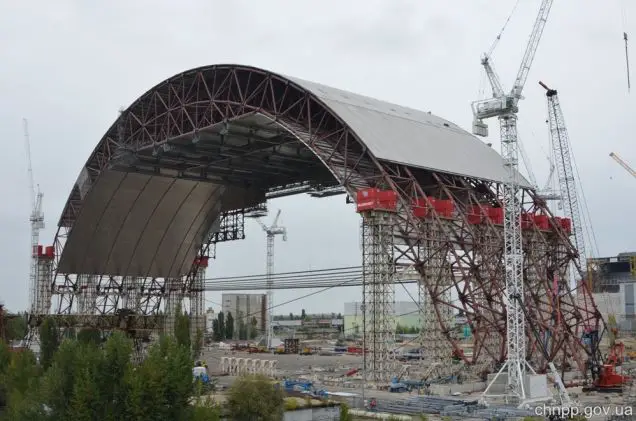 In 2016, a second gigantic sarcophagus was completed. It prevents more than 200 tons of radioactive material from escaping to the outside in the long term. It is expected it can work for a century.