Hits: 154
|
Hits: 154
|
Hits: 189
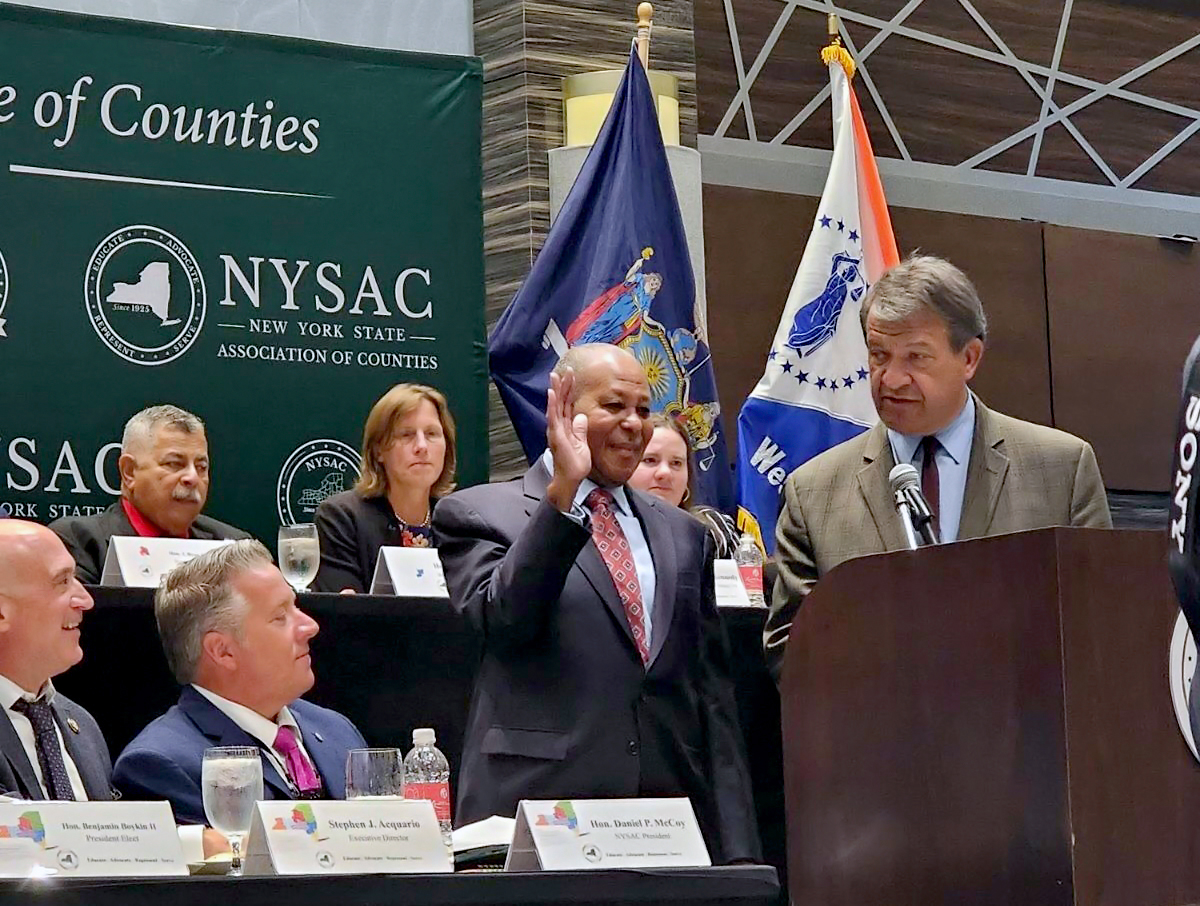
The ceremony will include a message from Mayor Roach, a wreath laying and placement of flower bouquets by members of the White Plains Common Council, and a moment of silence to reflect on this day.
Residents are invited to join us for this special ceremony.
Please call the Department of Recreation and Parks at 914.422.1336 if you have questions regarding accessibility
Hits: 206
Si quiere leer la versión en español, pulse aquí. Does everyone *really* need routine vaccinations?Your questions on Hep B, HPV, rubella, measles, and U.S. universal vaccinations
In Friday’s “The Dose” article, YLE noted that routine vaccinations are declining. Afterward, we received many great comments centered around a root question: I understand vaccines have saved many lives, but does everyone really need them? In many ways, vaccines are victims of their success. Given the drama and polarization surrounding vaccines, it can be hard to find answers that aren’t simplistic, defensive, or angry. And, as everyone discovered during the pandemic, disease risks are often not uniform. Here are a few of your top questions answered! “Why are vaccines mandated for diseases that aren’t endemic, like rubella?”Rubella is the “R” in the MMR vaccine. It’s caused by a virus that spreads in airborne droplets from coughing or sneezing. It’s not endemic in the United States anymore. So yes, the risk is extremely low. Yet, it is mandated for children in all 50 states. Why? Think of population immunity like a water dam built to prevent flooding. Once it’s built, we won’t have flooding anymore. But if the next generation comes along and says, “Hey, there’s not flooding anymore—do we really need this dam?” and decides to get rid of it, the flooding would return quickly. Rubella is still alive and well in other parts of the world. In the U.S., we have rubella cases yearly, but only from international travelers. However, outbreaks don’t happen often in the U.S. because population immunity—an invisible shield—stops them in their tracks. In other words, vaccination is the reason rubella isn’t endemic. Once a virus is eliminated and has no risk of returning—like smallpox—we stop vaccinating for it. “The NYT image you shared has always bothered me because it doesn’t consider the probability of getting measles is very low. If we consider that, do the vaccine’s benefits still outweigh risks?”This is a fantastic question. The calculation is mathematically and ethically tricky. This is because the individual decision to get vaccinated changes the risk-benefit calculation for everyone. In other words, your probability of encountering measles is low because so many people around you are vaccinated. But you’re right—the risk of exposure makes a difference. Let’s look at two scenarios: nobody vaccinated and everybody vaccinated. Before the measles vaccine, nearly every child in the U.S. got measles by age 15, because it’s so contagious. So risk of exposure was near 100% (to be conservative, say 95%). At 100% vaccination, the risk of measles goes to zero. Using the risks in the NYT image, here’s what we get after accounting for exposure risk during childhood:
Is there a situation where the probability of an individual getting a complication from measles infections roughly equals the likelihood of an adverse event from a vaccination? The math to calculate this is really tricky — it depends on not just vaccination coverage, but the risk of an outbreak, the density of the population, the size of an outbreak, etc. Even if this scenario happened, the average vaccine side effect isn’t equivalent to the average measles outcome—for example, fever-related seizures, while understandably scary to watch, fortunately often don’t require hospitalization or result in long-term problems. At the community level, the benefits of measles vaccination far outweigh the risks. Fighting against infectious diseases is a team sport. “Could you comment on babies getting the Hep B vaccine even if they aren’t high risk?”The highest risk factor for Hep B (or HBV) is a history of sexually transmitted infections or multiple sex partners. So, if you’ve only had one partner for a decade, is this even applicable to your baby? Yes, because the hep B virus is a tricky booger:
The HBV vaccine induces protective immune responses in nearly everyone (80-100%). The vaccine risks are extremely low—the only safety signal found is rare allergic reactions (1 severe allergic reaction for every 2-3 million doses). “Are there any long-term studies on whether HPV vaccine impacts infertility?”Some of these concerns stemmed from a case series that was published in 2012, describing six girls who developed primary ovarian insufficiency (POI) from 8 months to 2 years after they received the first human papilloma virus (HPV) vaccine dose. This stirred public concern that the HPV vaccine could cause infertility. However, case series often generate more questions than answers because they can’t assess causality (correlation doesn’t equal causation). Fortunately, no rigorous lab or epidemiological follow-up studies have found a link:
“Why does the U.S. have sweeping recommendations when other countries have more targeted vaccine recommendations?”It’s fair to wonder why. We are all high-income countries. We all have the same vaccines. We are all looking at the same data. How could public health officials come to different conclusions across countries? Three main reasons:
Bottom lineThe effect of vaccines is often invisible—infections prevented, childhood deaths that never happened. It’s important to look back and remember why we do what we do. Thank you for your questions, and keep them coming! We’re here to answer them. Love, KP and YLE In case you missed it Big thanks to Ed Nirenberg’s immunity and vaccine-related contribution to this post. Kristen Panthagani, MD, PhD, is a resident physician and Yale Emergency Scholar, completing a combined Emergency Medicine residency and research fellowship focusing on health literacy and communication. View belong to KP, not her employer. “Your Local Epidemiologist (YLE)” is founded and operated by Dr. Katelyn Jetelina, MPH PhD—an epidemiologist, wife. The main goal of this newsletter is to “translate” the ever-evolving public health science so that people will be well-equipped to make evidence-based decisions. This newsletter is free to everyone, thanks to the generous support of fellow YLE community members. To support this effort, subscribe below: |
Hits: 201



We are trying out something new! This week’s top 5 public health nuggets, whether or not they made headlines, explained for you.
FDA approved Novavax’s updated fall Covid-19 vaccine. This vaccine is the only protein-based (i.e., traditional) option with an updated formula targeting the latest circulating Covid-19 subvariants. Check out YLE’s guide to fall 2024 vaccines to decide if this vaccine is right for you.
We are having a bad measles year, and whooping cough is exponentially increasing. A new analysis found HPV vaccine uptake is dipping among teenagers. As a society, we are moving backward.
The beginning of the school year is a great time for trusted messengers to discuss routine vaccinations. It’s clear many people have lost trust and have many questions about vaccines:

Over the past 50 years, childhood vaccines have saved more than 150 million lives. And yes, they are safer than the diseases themselves.

A pretty amazing analysis from Scotland earlier this year showed NO cases of cervical cancer in women vaccinated at 12 or 13 years of age. The HPV vaccine is remarkably safe and effective.
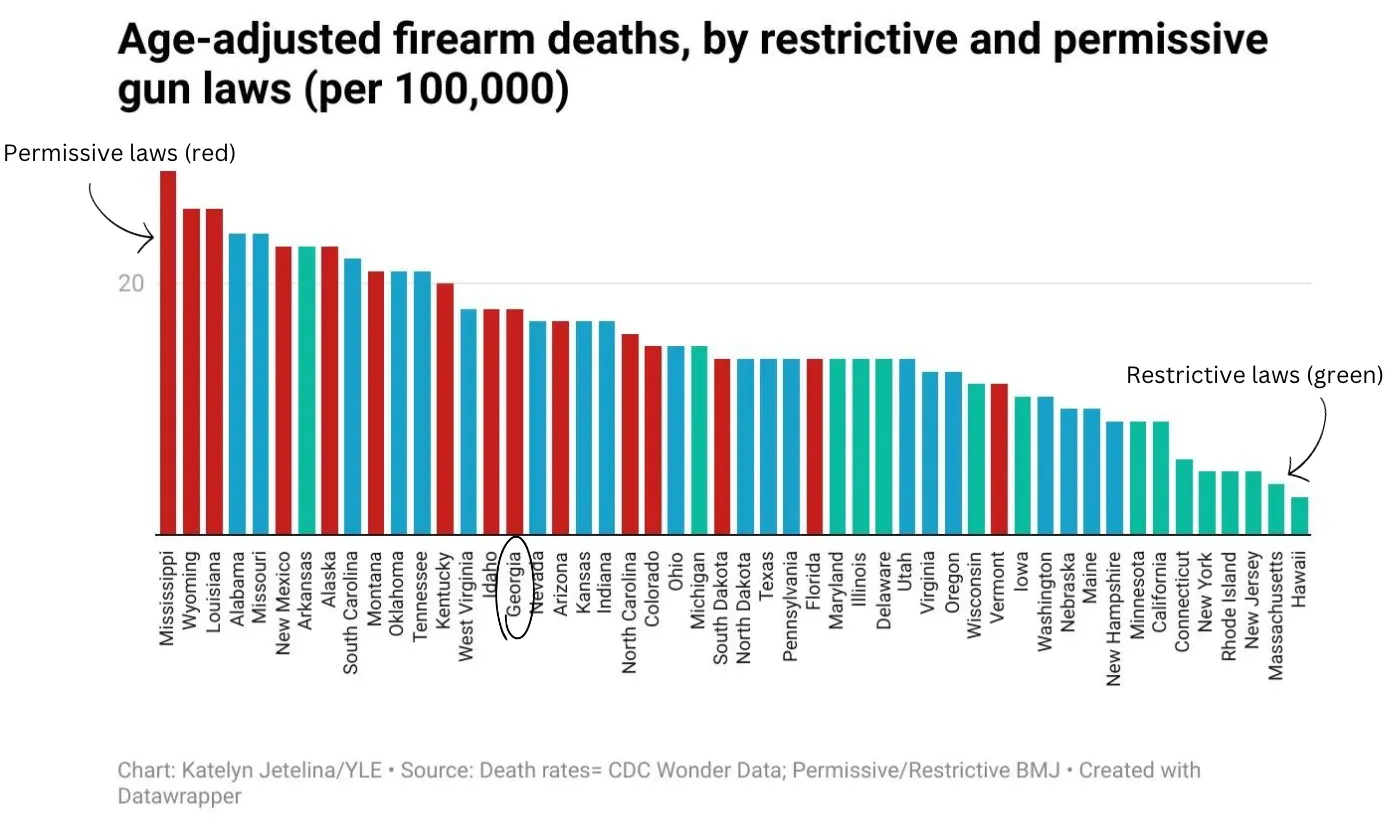
We, parents, have enough anxiety about sending our kids to school. Hearts sank, and frustrations brewed with news of four people murdered and many wounded after a shooter opened fire in a Georgia high school. This adds to the growing list of more than 200 school shooting incidents this year in the United States.
Georgia is ranked #46 of 50 in terms of its gun laws’ strength—the state does not require background checks or purchase permits to own a gun. States with more permissive laws have more firearm deaths, overall. Georgia ranks #16 for age-adjusted firearm deaths.
Concern is stirring after a new report found fluoride impacts children’s IQ by 2-5 points. As Jess Steier wrote in Unbiased Science, “Fluoride is having a rough day in the court of public opinion.”
Read her great deep dive here. TL;DR:
The American Academy of Pediatrics (AAP) agrees that water fluoridation is effective and safe and works to prevent tooth decay.
In this week’s YLE State of Affairs, we highlighted that WHO has started vaccinating for polio in Gaza after the first infant case was detected due to deplorable conditions.
One reader asked: “I am surprised because I had thought that polio was generally rare, worldwide, except for a few regions. And also because few people are being allowed in or out of Gaza. So, how could the virus have entered Gaza?”
The poliovirus detected in Gaza is vaccine-derived. This means someone was vaccinated with a polio oral live vaccine, and because there’s a live virus in the vaccine, that person sheds the virus in their feces. Then, due to low sanitation and low community immunity, it started spreading like wildfire. The vast majority (90%) of polio infections are asymptomatic, but transmission gives the virus opportunities to replicate and offers much more time to attack the nervous system among unvaccinated.
Another reader asked: “Why does the modified live oral vaccine revert to wildtype in the feces? Why is it then infectious?”
A critical part of the virus must be present for polio to cause paralysis. When we make the live oral vaccine, we change this spot so it doesn’t cause paralysis after vaccination. The issue is that as soon as it starts spreading (due to low immunity and poor sanitation, like in Gaza), the virus starts mutating and can undo this change, giving it the ability to cause paralysis again. The WHO is working to deploy a newer vaccine in Gaza that makes this reversion much harder.
You’re now caught up with this week’s public health bites. Have a great weekend!
Love, the YLE team
P.S. Drop your thoughts below on this Dose format! Curious to hear your thoughts.
“Your Local Epidemiologist (YLE)” is founded and operated by Dr. Katelyn Jetelina, MPH PhD—an epidemiologist. The main goal of this newsletter is to “translate” the ever-evolving public health science so that people will be well-equipped to make evidence-based decisions. This newsletter is free to everyone, thanks to the generous support of fellow YLE community members. To support this effort, subscribe below:
Hits: 168
THE WHITE PLAINS URBAN RENEWAL MOVE TO EMINENT DOMAIN PROPERTIES AGAIN ON EAST POST ROAD

A LOOK BACK AT THE LAST ATTEMPT BY THE CITY TO ACQUIRE PROPERTIES 8 YEARS AGO

THE NEW PROPOSAL
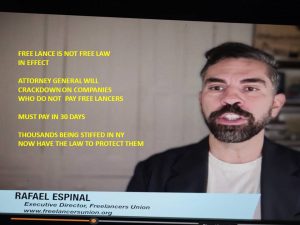
HEAD OF FREELANCERS UNION ON THE NEW LAW THAT GIVES FREELANCERS DIRECT ACCESS TO ATTORNEY GENERAL WHO WILL TELL CLIENTS WITHOLDING PAY TO PAY IN 30 DAYS AND DOUBLE THE PAYMENT SEE THE COMPLETE INTERVIEW AT WWW.WPCOMMUNITYMEDIA.ORG
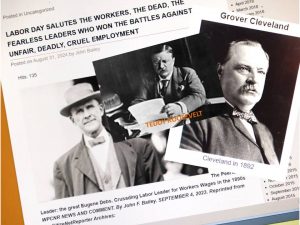
EUGENE DEBS THE LABOR CRUSADER, TEDDY ROOSEVELT THE TRUST BUSTER AND GROVER CLEVELAND’S ROLE IN ESTABLISHING LABOR DAY AFTER THE PULLMAN STRIKE MASSACRE BY FEDERAL TROOPS
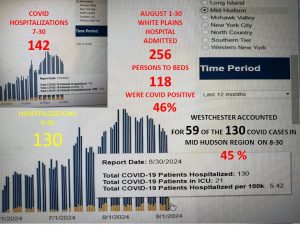
THE COVID SURGE IN THE MED-HUDSON REGION CASES DECLINE FOR THIRD STRAIT WEEK, HOSPITALIZATIONS GROWING, DISEASE NOT CAUSING AS MUCH ILLNESS. MORE CASES THAN A YEAR AGO IN AUGUST

LIBERTY PARK 9-11 REMEMBRANCE SEPTEMBER 11.
JOHN BAILEY AND THE NEWS
EVERY WEEK ON WHITE PLAINS WEEK
SINCE 2001 A.D. 24TH CONSECUTIVE YEAR
SEE THIS WEEK’S REPORT AT
www.wpcommunitymedia.org
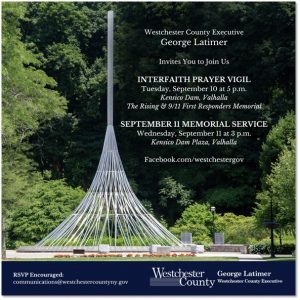
COUNTY REMEMBRANCE
Hits: 153
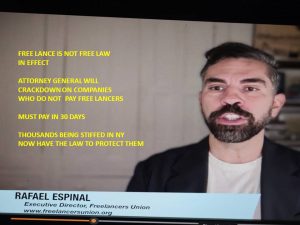
JOHN BAILEY INTERVIEWS RAFAEL ESPINAL OF THE FREELANCERS UNION ON
WHAT COMPANIES HAVE TO DO NOW.
HOW THEIR FINES DOUBLE IF THEY FAIL TO PAY A FREE LANCER WITHIN 30 DAYS
THE CONTRACTS THEY HAVE TO PUT INTO EFFECT.
THE THOUSANDS OF FREE LANCE ARTISTS, WRITERS, PHOTOGRAPHERS PREVIOUSLY VICTIMIZED BY UNSCRUPULOUS COMPANIES
THE IMPACT OF THE NEW LAW
TONIGHT AT 8
Hits: 191
WPCNR WHITE PLAINS LAW JOURNAL. From WikIpedia. September 5, 2024:
Hachette Book Group, Inc. v. Internet Archive, No. 20-cv-4160 (JGK), 2023 WL 2623787 (S.D.N.Y. 2023), is a case in which the United States District Court for the Southern District of New York determined that the Internet Archive, a registered library, committed copyright infringement by scanning and lending complete copies of books through controlled digital lending mechanisms.
Stemming from the creation of the National Emergency Library (NEL) during the onset of the COVID-19 pandemic, publishing companies Hachette Book Group, Penguin Random House, HarperCollins, and Wiley alleged that the Internet Archive’s Open Library and National Emergency Library facilitated copyright infringement.
The case primarily concerns the fair use of controlled digital lending (CDL) of complete copies of certain books.
The case does not concern the display of short passages, limited page views, search results, books out of copyright or out of print, or books without an ebook version currently for sale.[1]
On March 25, 2023, the court ruled on the case.[2]
In August 2023, the parties reached a negotiated judgment, including a permanent injunction barring the Internet Archive from lending complete copies through CDL of some of the plaintiffs’ books.[3]
The Internet Archive appealed the decision but it was upheld by the appellate court in September 2024.
Hits: 222
WPCNR THE LETTER TICKER. From Paul Feiner, Greenburgh Town Supervisor. September 5, 2024:
ANNOUNCING A NEW MONTHLY NEWS PROGRAM PRODUCED BY STUDENTS
THE GREENBURGH STUDENT NEWS NETWORK
Blake Feinstein, a Junior at Edgemont High School, is starting the Greenburgh Student News Network (GSNN), a monthly show airing on Cablevision and online. He plans to build a team of high school student reporters, writers, editors, and film crew members from throughout Greenburgh. Students would also take on leadership roles of producer and director for each episode.
The student team will collaborate to plan topics for each episode. Filming will take place in studio (Greenburgh Town Hall) and on location. Students will be able to conduct interviews and report on local news, school, sports, and community activities. The show will embrace various student viewpoints, including controversies.
A SAMPLE OF THE KIND OF NEWS STORY THAT GREENBURGH STUDENT NEWS WILL REPORT ON
LAST WEEKENDS GREENBURGH DIAPER DASH (watch 2-minute video)
Blake recently reported on the Greenburgh Diaper Dash and produced this two minute video: https://youtu.be/GjwqFWXWG2s?si=GjfjGoDI5H5fUL7j
The TV show would include this kind of segment, as well as other features like longer interviews and student discussions.
“The student perspective is usually absent from local news, but students are an important part of the community with concerns and interests,” Blake explains. “I want to create an engaging show that serves the community by sharing student viewpoints, while giving opportunities for students to grow their film, reporting and writing skills.”
ARE YOU INTERESTED IN JOINING THE GREENBURGH STUDENT NEWS NETWORK TEAM?
If you are interested in joining the team or learning more, please email Blake at greenburghstudentnews@gmail.com. The first GSNN team meeting will take place in mid-September at Town Hall.
Paul Feiner
Greenburgh Town Supervisor
Hits: 184
WPCNR THE LETTER TICKER. From Fight for the Future September 5, 2024:
Hey, in case you’re covering yesterday’s ruling in Hachette v Internet Archive, wanted to flag our statement and photos of recent actions in support of the internet archive and against surveilling readers.
Happy to chat more on this or connect you to librarians on these issues.
Statement + photos on ruling in Hachette v Internet Archive: this can’t stand
Photos and videos from recent author and activist actions in support of the Internet Archive can be found here, and press outlets are welcome to use them with attribution: https://drive.google.com/drive/folders/1Jae8vHU5dks9nXu1pPzt_p2qUNMBovfq?usp=sharing
The following statement can be attributed to Lia Holland (they/she), Campaigns and Communications Director for Fight for the Future, a queer women and artist led human rights organization:
“From saving the entirety of MTV News to archiving the digital record of each presidential administration, the nonprofit Internet Archive is providing invaluable service to humanity by offering everyone around the world equitable and surveillance-free access to preserved knowledge and history. While we’re still analyzing the ruling, we are profoundly disappointed that libraries, diverse authors, and the readers who love them have suffered such a myopic and dangerous blow from a federal court today. With more people than ever before opting to read digitally, the Internet Archive has been fighting a very important battle for the future of reading against some of the world’s most powerful corporations. Big Tech’s greed has infected Big Publishing, causing them to abandon the concept of ownership for digital books, and to force all libraries and readers to buy licenses that lock them into spyware-ridden apps that turn data on readers into a new product for publishing.
Make no mistake, this suit is about taking away the right to own popular book formats and the right to be safe reading them.
A queer person who isn’t out to their family, someone seeking an abortion, Black youth wanting to learn about movements for justice, or a mom looking for gender-affirming care for her kid are all placed under greater threat when what they read, who they are, where they live, and more sensitive personal data is gobbled up by Big Publishing and Big Tech. Such data can be sold on to the data brokers that fuel vigilantes and extortionist scammers, be subpoenaed by state attorney generals looking for a ready-made list of people to investigate and prosecute, or used by racist, bigoted algorithms to assess the so-called risk of offering someone a lease or a bank account. People know that apps are spying on them. Now, they’re going to be more cautious than ever in even picking up a diverse book, or one on a topic that they might face consequences for reading down the road. With libraries being such a major purchaser of diverse books, this spying bodes poorly for the future of diverse perspectives in publishing.
By scanning and loaning the print books they own, the Internet Archive maintained the only meaningful digital reading alternative to this system of surveillance, and hope for a future where libraries might build alternatives that center the privacy needs of their patrons and the literary community at large.
Now, 500,000+ books that the Internet Archive offered are gone. Libraries used to defend and celebrate reader privacy, but with publishers forcing expensive digital book licenses on them and now this decision, it looks like they simply can’t anymore. It’s a sad day for book people, particularly for disabled, rural, and low income readers who rely on libraries, and all those who want to write without the threat of erasure or read without the fear of surveillance and punishment, including 25+ civil and human rights organizations like GLAAD, Color of Change, and Presente.org.
Further, it’s absurd to think that a library or a used bookstore or a reader with a shelf full of print books might need permission from a publisher to loan or sell their property—and yet that is the world this decision moves us toward.
One where ownership of books no longer exists and book banners putting the pressure on can force publishers to revoke access to, edit, or delete every copy of a digital book with no transparency. We can’t let this decision threaten the vital records of our time that are held in digital books, or threaten the future of libraries. No one wants a world where libraries are just some Netflix spewing out whatever content Big Publishing and Big Tech allow them to temporarily license. In the wake of this decision, we’re going to strengthen our fight for state and federal legislation to restore libraries’ and readers’ rights to own, preserve, and access all books, regardless of what format they’re published in or who might want to censor them.
With information on the Internet less trustworthy than ever and book bans sweeping the nation, we need real and equitable sources of accurate information now more than ever. Namely, we need empowered libraries and empowered librarians more than ever. Instead, we’re getting the opposite, and that can’t stand.”
Hits: 329
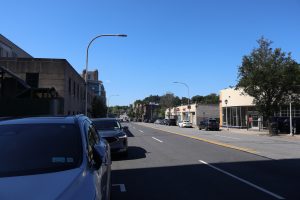
PARKING FOR WINBROOK AND WHITE PLAINS HOSPITAL ENVISIONED FOR FORMER FIRESTONE BUILDING, MEDICAL SUPPLY STORE AND BP STATION, LOCATED OPPOSITE WHITE PLAINS HOSPITAL ON LEFT. Photo by WPCNR
Hits: 0

WPCNR EAST SIDE STORY. From White Plains URBAN RENEWAL AGENCY Minutes. September 1, 2024:
The previously stymied efforts of the City of White Plains to acquire privately owned properties along East Post Road that were rejected by private owners, proceeded in another direction last week.
The White Plains Urban Renewal Agency voted 4-0 to use eminent domain to acquire 42-44 East Post Road have been resumed after a vote last Monday, August 26.
The agency voted 4-0 to acquire the former BP gas station, a medical supply building and the Firestone retail outlet a 431 foot stretch of property on East Post Road.
Commissioner of Planning Christopher Gomez of the Planning Department in the minutes of that meeting made a statement as an explanation for the hiring of AKRF an environmental issues consultant to conduct an environmental review of the planned acquisitions:
“The primary purpose of the land sale is to finalize the consolidation of parcels along the East Post Road corridor in order to construct a municipal parking structure that will cater to the parking needs of the immediate area, including Brookfield Commons, White Plains Hospital, and local businesses.
Before any land sale proceeds, a thorough environmental review must be conducted. This review will include a traffic analysis, address any potential contamination, and include other relevant analyses to evaluate the impacts and public benefits of selling Authority land. Additionally, suitable mitigation measures where appropriate will be provided.”