WHITE PLAINS WESTCHESTER DAILY NEWS SERVICE VISITS SINCE 2000 A.D. 25TH YEARl REPORTING THE NEWS YOU NEED TO KNOW News Service Since 2000 A.D. 2026 WILL BE OUR 26TH YEAR OF COVERING WHITE PLAINS NEW YORK USA . John F. Bailey, Editor (914) 997-1607 wpcnr@aol.com Cell: 914-673-4054. News Politics Personalities Neighborhoods Schools Finance Real Estate Commentary Reviews Policy Correspondence Poetry Philosophy Photojournalism Arts. The WHITE PLAINS CITIZENETREPORTER. TELEVISION: "White Plains Week" News Roundup, 7:30 EDT FRI, 7 EDT MON & the incisive "People to Be Heard" Interview Program 8PM EDT THURS, 7 PM EDT SAT on FIOS CH 45 THROUGHOUT WESTCHESTER AND, ALTICE OPTIMUM WHITE PLAINS CH 1300 Fighting for Truth, Justice and the American Way. TOP 10 VISITORS FROM AROUND THE WORLD :1. USA. 2.BRAZIL3.VIET NAM 4. CHINA 5. JAPAN 6.UK. 7.CANADA. 8.INDIA. 9.AUSTRALIA 10.IRELAND 11.GERMANY 12..ARGENTINA 13.BANGLADESH 14.RUSSIA. 15.NEWZEALAND. 16. FRANCE. 17.MEXICO. 18.UKRAINE. 19.SOUTH AFVRICA. 20. IRAQ.
WPCNR CAMPAIGN 2019.From the White Plains Democratic City Committee. February 15, 2019:
At a heavily attended meeting last night at the White Plains YWCA, the White Plains Democratic City Committee endorsed what is believed to be its first all-female slate of candidates for City office.
Common Council Member Nadine Hunt-Robinson, an attorney who was appointed, and then elected, to the Council in 2014 and re-elected for a full four-year term in 2015, was endorsed for re-election by an overwhelming margin.
Also endorsed by an overwhelming margin was Victoria Presser, a career public-information officer for governmental and non-profit agencies, who is now the public-information officer for the Scarsdale Board of Education.
In a close contest for the third position on the slate, Jennifer Puja, Director of the Westchester-Putnam AFL-CIO Central Labor Body, was endorsed over Richard Payne, an information-technology specialist at St Vincent’s Hospital in Harrison.
In addition, the City Committee unanimously endorsed Ben Boykin, Chair of the Westchester County Board of Legislators, for re-election as County Legislator for the 5th District and Alfreda Williams, Vice Chair of the County Board, for re-election as County Legislator for the 8th District.
WPCNR CONNECTIONS. From Westchester Biotech Project.(EDITED) February 14, 2019:
Joanne Gere, Executive Director of the Westchester Biotech Project, announced Tuesday that the Project has signed a Memorandum of Understanding (MOU) with Dr. Philippe Salphati, President and CEO of AYA Consulting (Tefen Group), to create Westchester Biotech Project Europe from his base in southern France, near Nice.
“With the recent lease signing for the North 60 project, Westchester County is now positioned to grow as a magnet for the international biotech community,” Ms. Gere noted. “This is a perfect moment to strengthen international ties, and leverage lessons learned from emerging discovery-to-commercialization models. By building partnerships that endure, we can realize profound biomedical progress, and even cures.”
One of those partnerships wll be Sophia Antipolis, a 6,000-acre technology campus near Nice. Known as the “French Palo Alto,” Sophia Antipolis is regarded as an research and technology start-up hub, with 2,500 companies, 4,500 researchers and 5,500 students from more than 64 countries located there. Sophia Antipolis specializes in computing, electronics, pharmacology and biotechnology.
Based in White Plains, the Westchester Biotech Project (WBP) is a nonprofit organization that brings together researchers, engineers, physicians, data scientists, and life science professionals to facilitate medical and scientific breakthroughs. As it expands, WBP is playing a key role in developing Westchester County as a life science hub.
Said Ms. Gere, “This collaboration positions the organization to expand its reach by more deeply engaging with international scientists and innovation centers.” She noted that the MOU came at just the right time.
“After many discussions and seeing firsthand the fine work produced by the Westchester Biotech Project, we believe this is the beginning of an incredible partnership,” Dr. Salphati said. “This relationship will bring together investors and industry experts from both sides of the Atlantic Ocean to accelerate market access for solutions addressing unmet life-threatening medical needs.”
Dr. Salphati has over 25 years of global leadership experience in major life science companies, including Sanofi, which brought him to Rye for several years. He holds a Doctor of Pharmacy degree from the School of Pharmacy, Paris XI, and an MBA from the International University of America in San Francisco.
Formed in 2017, the Westchester Biotech Project regularly convenes a growing network of scientists and medical researchers, supporting Westchester’s emerging biotechnology industry. To stimulate interaction among regional and international thought leaders, WBP convenes programs that draw scholars and scientists from North America and beyond, including a Rare Disease Symposium, Roundtables with leading experts on intellectual property, translating data science, artificial intelligence, and other issues affecting the industry.
“The pace of innovation is accelerating at such a rapid speed,” said Michael Welling, co-founder of the Westchester Biotech Project. “We believe this is the right forum to make incredible advances throughout the world. We couldn’t be more pleased to be working with our friends in Europe on this partnership.”
County Executive Latimer Will Request State Legislature to Raise County Sales Tax 1% Effective July 1 To Balance Budget, Rebuild Reserves, Fund 41 Towns and Municipalities and school Districts. Will Hold Line on Property Taxes in 2020 and 2021.
WPCNR COUNTY CLARION-LEDGER. By John F. Bailey. February 14, 2019 UPDATED WITH VIDEO 2/15 BELOW:
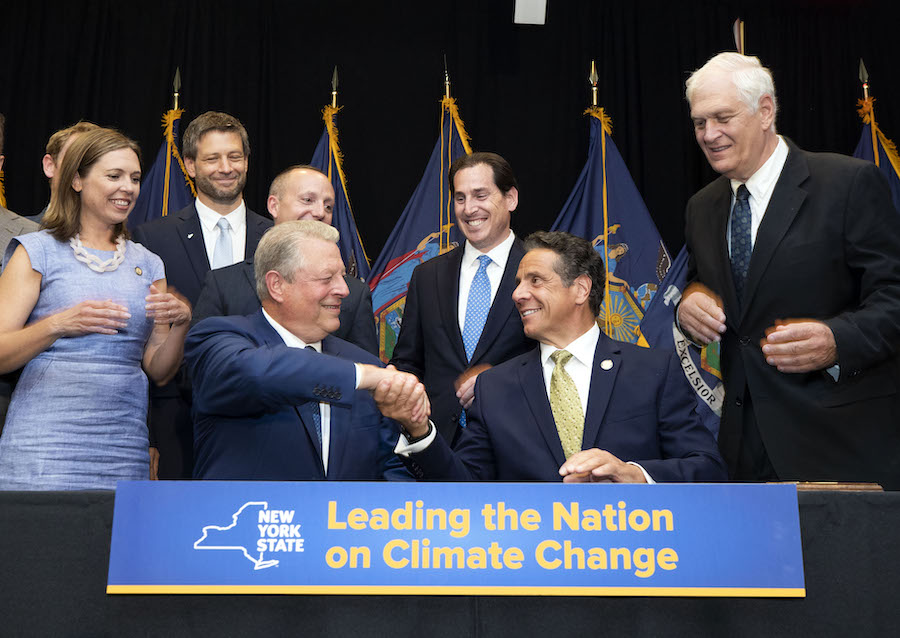
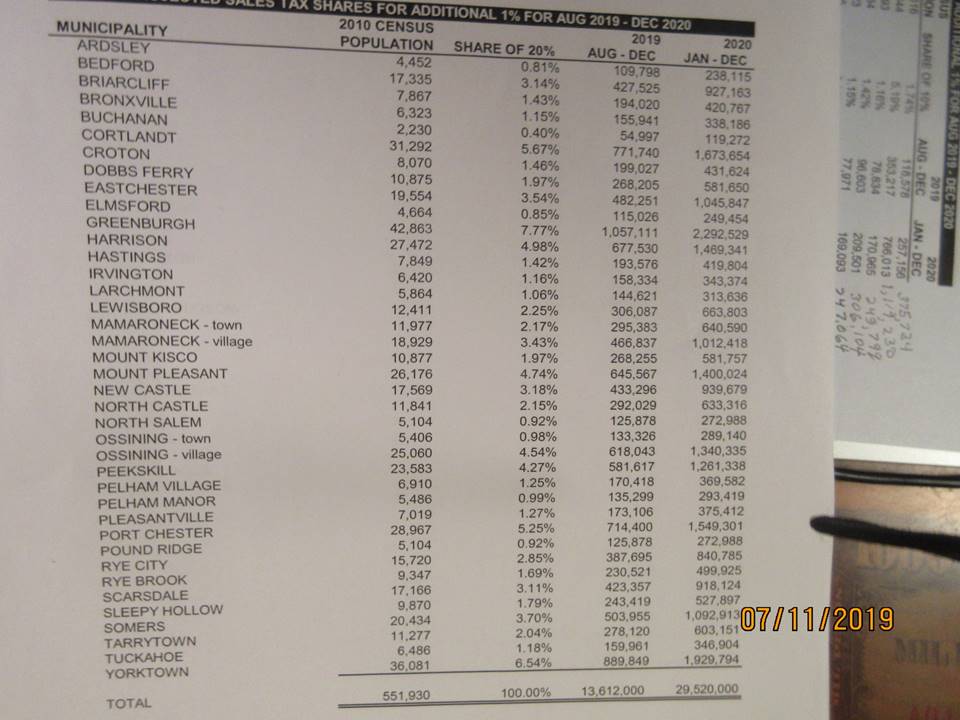
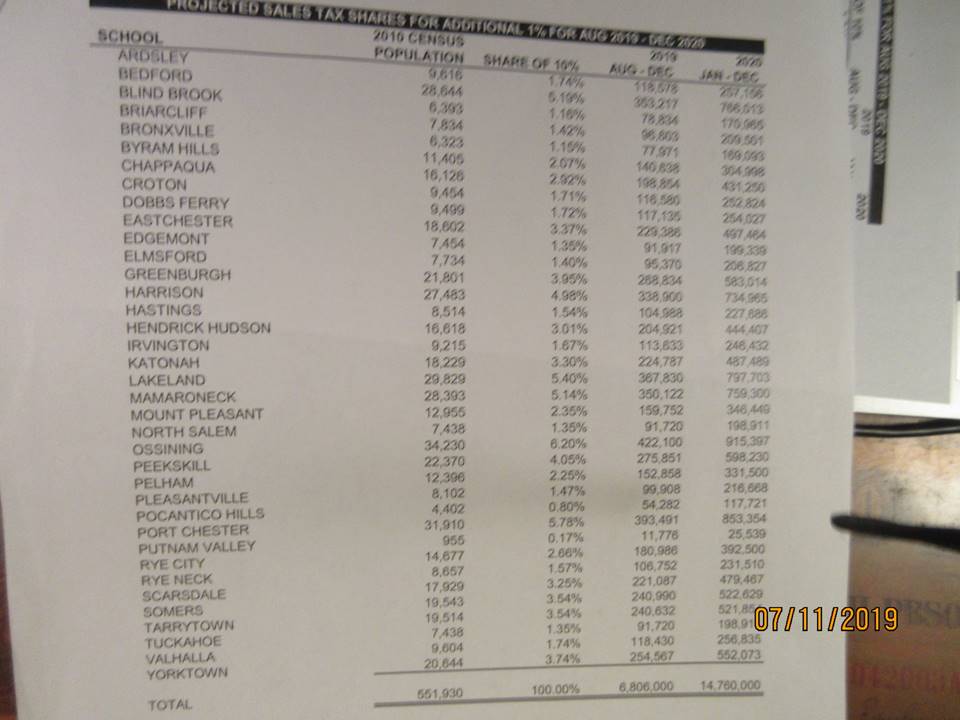
County Executive George Latimer announced Thursday he would ask the State Legislature to raise the County sales tax 1% to 8-3/8% in all towns and cities, except White Plains, Mount Vernon and New Rochelle (all three of which are already at 8-3/8%.
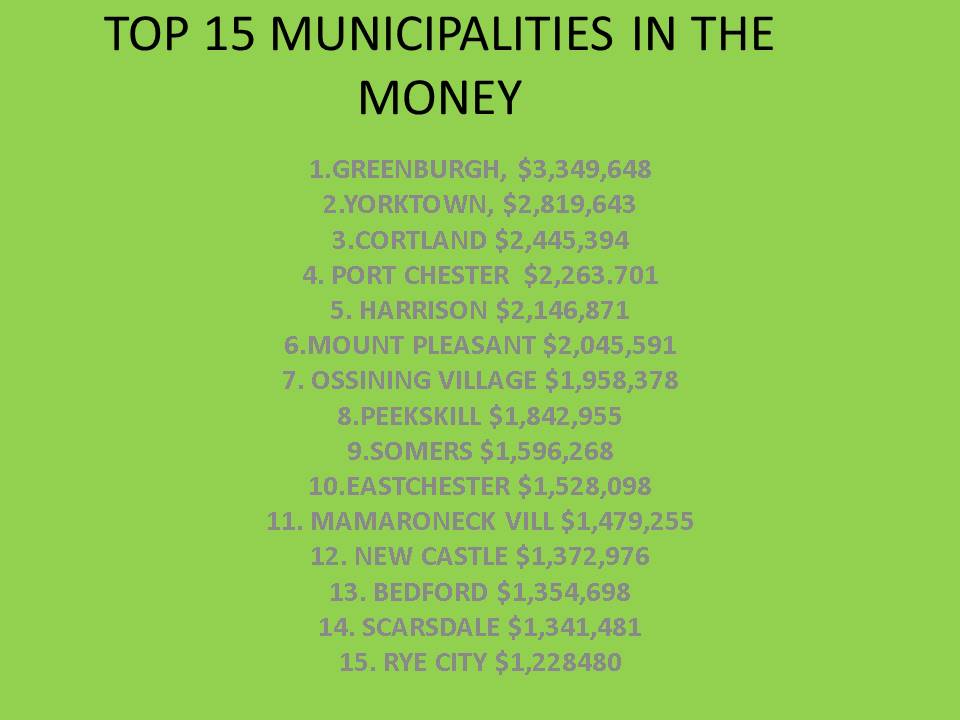
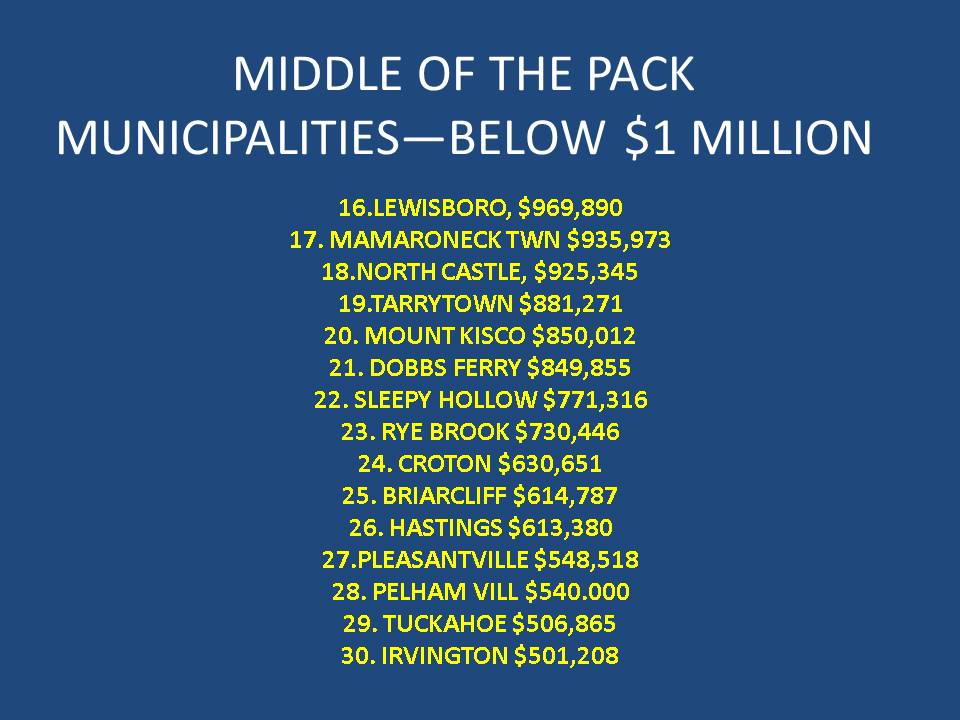
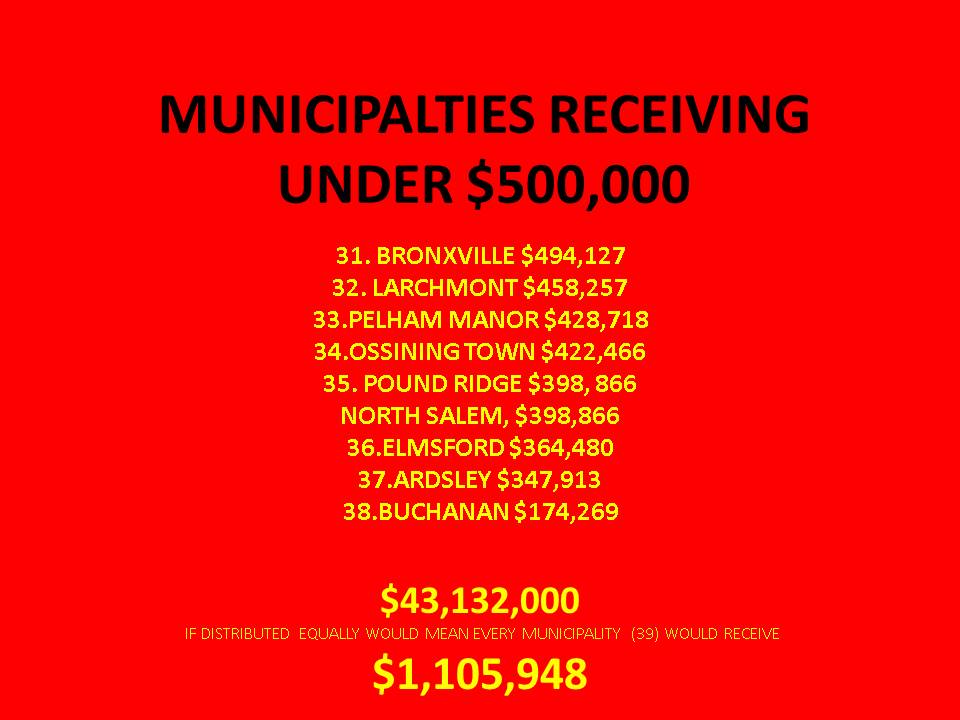
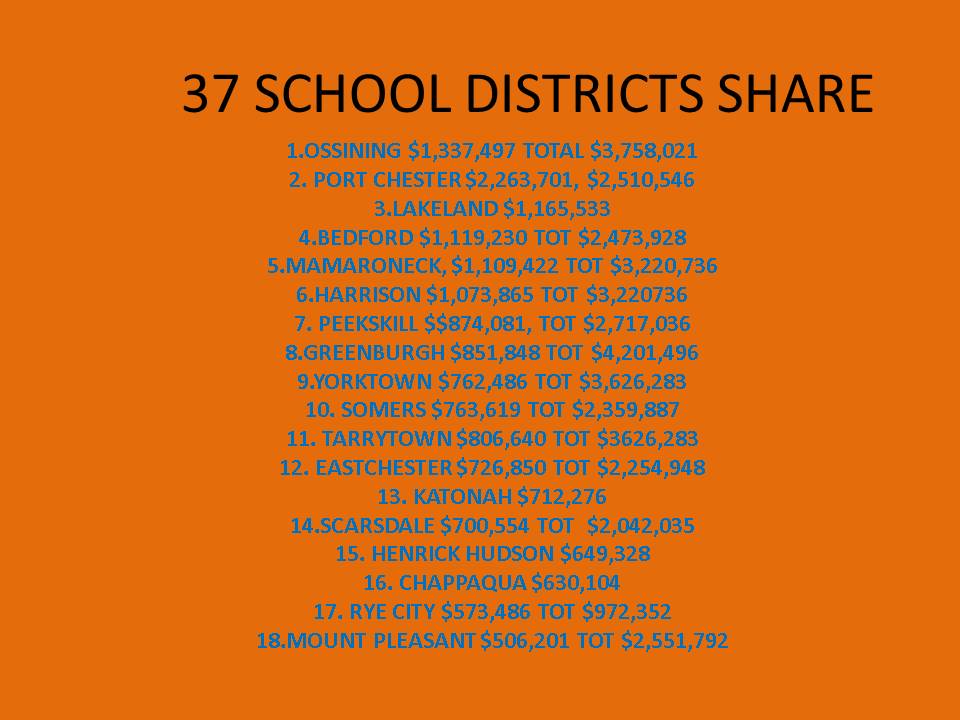
Latimer said the raise in sales tax would be accompanied by freezing county property taxes in 2020 and 2021; allocating 30% of the new sales tax revenue to local governments and school districts; devote a portion of the sales tax increase to restoring the county’s reserve fund (an amount he estimates to be $15 Million, adding $8 Million this year and $30 Million the next two years, getting reserves up over $100 Million, which it is hoped will earn the county a Triple A bond rating from the rating services, Latimer said).
George Latimer makes the case for his proposed 1% Sales Tax Thursday,.Video by WPCNR
WPCNR SCHOOL DAYS. Exclusive Interview with White Plains Superintendent of Schools, Dr. Joseph Ricca. February 13, 2019:
WPCNR’ John Bailey interviewed Dr. Joseph Ricca and Ann Vaccaro-Teich, Assistant Superintendent for Business for the White Plains School District this morning at Education House on the historic settlement with the White Plains Teachers Association.
In the interview below he said the settlement overwhelmingly approved by the teachers has made it possible to bring stability and sustainability on future budgets. In the interview Ms. Vaccaro-Teich provides a preview of what White Plains taxpayers can expect in increased taxes at this time. Here is the video of that interview:
WPCNR NEWS & COMMENT. By John F. Bailey. February 12, 2018 From the WPCNR ARCHIVES UPDATED.
Today marks the birthday of Abraham Lincoln, whose Presidential performance during the Civil War (1861-1865) was perhaps the most admirable of any American President.
When I strode through the official “White House of the Confederacy” in Richmond, Virginia sometime ago, where President Lincoln met generals. I felt his giant shadow over the decades.
The “White House of the Confederacy,” Richmond, Virginia.
President Abraham Lincoln met with one of his Generals in the Library (lighted window)within hours after Union troops had secured Richmond.
In being in that room, I was awestruck by the spirit of the President and the spirits of the Confederate opposition that discussed strategy with Jefferson Davis the President of the Confederacy in the room on the second floor…a conference room:
Lee, Jackson, the Confederate Generals. That room is on the second floor of this house. The ghosts in this historic home speak to us today.
Lincoln had to create things as he went, dealing with a complex political issue: slavery, while deciding to fight a war to preserve a divided nation.
How did Abraham Lincoln handle pressure and political opportunists?
He did not have press agents and spinmasters and talk show hosts and superior punditry critiquing his every move and loading him up with advice.
Though he did have the “crusading editors” and “editorial boards” of his day. Let’s take a look at the Big Guy from Illinois
In the days of Lincoln, media coverage was simply print media. However, the amount of reporting on the burning issues of the day was far more detailed than today with dozens of newspapers presenting the chronicles of burning issues. People read. For Lincoln’s presidency was the presidency of the nation’s greatest crisis in its eighty-five year history (until World War II, 9/11, and perhaps, now):
The Civil War.
It is interesting to note how President Lincoln conducted himself in dealing with America’s interests, its factions, pulling him to free the slaves.
When Lincoln was running for the Presidency in 1860 at the Republican Convention in riproaring Chicago, he was up against James Seward, a powerful New York politician.
However, the western states at the time were highly distrustful of the New York political machine. (Has anything really changed? They are still distrustful today!)
Lincoln won over support by taking a position of what was good for the nation as a whole.
Taking a Position and Working To it
Lincoln first gave notice of his potential for the Presidency when he impressed Horace Greeley, influential editor of the New York Tribune with a fiery speech at the Cooper Union (still standing today) in February, 1860, delivering a sharp criticism of the South, hard on the heels of South Carolina’s secession from the Union. The speech included these words,
You say you will not abide the election of a Republican President. In that supposed event, you say, you will destroy the Union; and then, you say, the great crime of having destroyed it will be upon us! (The northern states) That is cool. A highwayman holds a pistol to my ear, and mutters through his teeth, “Stand and deliver, or I shall kill you, and then you will be a murderer!”
Greeley printed the speech in his Tribune the next day, scooping the other New York papers, by simply asking Lincoln for a copy of the speech. The subsequent printing in the popular Trib, sent Mr. Lincoln on his way. As William Harlan Hale’s biography of Mr. Greeley (Horace Greeley: Voice of the People)describes the scene at “The original Trib’s” offices, as remembered by Amos Cummings, a young proofreader:
Amos Cummings, then a young proofreader, remembered the lanky westerner appearing over his shoulder amid the noise of the pressroom late at midnight, drawing up a chair, adjusting his spectacles, and in the glare of the gaslight reading each galley (of the Cooper Union speech) with scrupulous care and then rechecking his corrections, oblivious to his surroundings.
A Comeback President
Lincoln had been a highly successful politician from Illinois in the 1830s and 1840s. He was three times elected to the state legislature, and The Kunhardts’ The American Presidency reports he was —
“a recognized expert at forming coalitions…he learned how to keep secrets, how to trade favors, how to use the press to his advantage. And he cultivated his relationship with the party hierarchy.”
Graff’s book writes that Lincoln was described as “ruthless,” that he “handled men remotely like pieces on a chessboard.” Humor and frankness were character traits.
Lincoln was elected a congressman, only to serve just one term.
Lincoln had been practicing corporate law privately and had lost interest in politics by 1854, until the repeal of The Missouri Compromise, which had restricted slavery to the southern states.
Lincoln felt stirred to come back. He spoke out against the spread of slavery, running for the senate in 1858 against William Douglas, unsuccessfully.
Saving the Union His Mantra
As the furor over slavery and the South’s threats to secede grew, a crisis of spirit and purpose in this nation (which, in my opinion, make today’s concerns about terrorism as a threat to America, pale in comparison, Lincoln realized that the Union was the larger issue.
He expressed this in response to Horace Greeley, editor of the New York Tribune, an influential figure at the Republican (Whig) Convention in Chicago in 1860.
Greeley was the kingmaker at the 1860 Chicago convention who eventually swung the western states for Lincoln, giving the man from Illinois the nomination on the third ballot over William Seward, the candidate of the Thurlow Weed “New York Machine.”
Greeley tried to influence the President-Elect to free the slaves. (Lincoln was being lobbied by the still-powerful Weed-Seward faction to compromise with the southern states on the issue of slavery).
Standing Tall Against Pressure.
Lincoln refused to free the slaves as one of the first acts of his presidency, standing firm to hold the union together, when he announced his attention not to do so, on his way to Washington after being elected. His words in this time of international tension, are worth remembering Lincoln said:
I have often inquired of myself what great principle or idea it was that kept this Confederacy (the Union, he means), so long together. It was not the mere matter of separation of the colonies from the motherland, but that sentiment in the Declaration of Independence which gave liberty not alone to the single people of this country, but hope to all the world, for all future time. It was that which gave promise that in due time the weights would be lifted from the shoulders of all men, and that all should have an equal chance.
Today, I teared up when I read this again. I tear up for the short-sighted, the selfish, the hollow souls who have profited from life in America, and now wish to keep suffering immigrants out. They support jailing children. How can anyone do that? I reject this fear that has been used as a weapon. What do you think Lincoln would say?
Seeing the Big Picture.
After Fort Sumter was fired upon, Lincoln was pressured harder to free the slaves. Still, Lincoln held firm. Mr. Greeley published a blistering open letter to the President, he called “The Letter of Twenty Millions,” meaning his readers (slightly exaggerated)in The New York Tribune.
Greeley’s letter took the President to task for not freeing the slaves now that the Civil War was on, writing, “all attempts to put down the rebellion and at the same time uphold its inciting cause are preposterous and futile.”
President Lincoln responded with an open letter which Greeley published in The Tribune. President Lincoln’s letter is instructive as to how a President moves in crisis, when a nation is ripped apart to calm and state his position. He begins with a conciliatory tone, calming Greeley’s bombast:
…If there be perceptible in it (Greeley’s letter) an impatient and dictatorial tone, I waive it in deference to an old friend whose heart I have always supposed to be right.
As to the policy I “seem to be pursuing,” as you say, I have not meant to leave any one in doubt. I would save the Union. I would save it in the shortest way under the Constitution.
The sooner the national authority can be restored the nearer the Union will be – the Union as it was.
If there be those who would not save the Union unless they could at the same time save slavery, I do not agree with them.
If there be those who would not save the Union unless they could at the same time destroy slavery, I do not agree with them.
If I could save the Union without freeing any slaves, I would do it – if I could save it by freeing all the slaves, I would do it – and if I could do it by freeing some and leaving others alone, I would also do that.
What I do about slavery and the colored race, I do because I believe it helps to save this Union, and what I forbear, I forbear because I do not believe it would help to save the Union.
I shall do less whenever I shall believe what I am doing hurts the cause, and I shall do more whenever I believe doing more will help the cause.
I shall try to correct errors when shown to be errors, and I shall adopt new views so fast as they shall appear to be new views.
I have here stated my purpose according to my views of official duty, and I intend no modification of my oft-expressed personal wish that all men everywhere could be free, Yours
A. Lincoln
(Editor’s Note:That is Presidential! It leaves no doubt as to who is in charge and who is responsible and why. How refreshing!)
Wearied by War
Horace Greeley described the toll the Civil War had taken on Mr. Lincoln, seeing him in person shortly before General Robert E. Lee surrendered. Greeley wrote:
Lincoln’s face had nothing in it of the sunny, gladsome countenance he first brought from Illinois. It is now a face haggard with care and seamed with thought and trouble…tempest-tossed and weatherbeaten, as if he were some tough old mariner who had for years been beating up against the wind and tide, unable to make his port or find safe anchorage…The sunset of life was plainly looking out of his kindly eyes.
The White Plains Teachers Association announced on their website that the membership has approved the Memorandum of Agreement negotiated with the White Plains School District by 599 votes to 29 against.
The vote paved the way for the Board of Education to approve the contract last night.
The new agreement approves a 1-1/2 increase on all step levels (based on degree and longevity) in each year of the contract,.
It raises the amount teachers must pay for health care from 14.25% to 14.5% in year one; 14.75% in year 2 of the contract, and to 15% in the third year. This is an approximate increase of $30/ for a single teacher, and $65 for a teacher with a family per year, according the White Plains Teachers Association,
The contract preserves labor peace through June 2022, and is very similar to raises in other school districts.
Settlements of surrounding School Districts, From White Plains Teachers AssociationThe salary changes in 2019-20; 20-21, 21-22 Approved by the White Plains Teachers Association Vote. Below are this year’s salary chart followed by the salary changes in 2019-20, 2020-21 and 2021-22 From the White Plains Teachers AssociationTHIS YEAR’S (2018-2019) TEACHER STEP LEVELS /DEGREE SALARIESSALARIES EFFECTIVE JULY 1, 2020, BEGINNING SECOND YEAR OF NEW CONTRACTSALARIES BEGINNING JULY 1 OF 2019, FIRST YEAR OF NEW CONTRACTSALARIES EFFECTIVE JULY 1, 2021—BEGINNING THE THIRD YEAR OF NEW TEACHERS’ CONTRACT All salary charts from the White Plains Teachers Association
WPCNR THE LETTER TICKER.From Anthony Pilla. February 10, 2019:
The City of White Plains will be voting on 3 seats on the Common Council this year.White Plains needs a balanced voice to keep City Hall open and accountable to all it’s residents. Please contact Brian Maloney ASAP if you would like to be considered.
Or, forward the name(s)of potential candidates who you would like to be considered to represent you in White Plains.Circulating of nominating petitions begins on February 26th.Thank you for your prompt attention to this very important matter, as well as your dedication to our city.
The Ghost of Old Al Lang Field, St. Petersburg, Florida where we join Bull Allen, Harry and the Ol’ Redhead reminiscing about Spring Training which opens this week.
WPCNR VIEW FROM THE UPPER DECK By “Bull” Allen with Harry and Red from St. Petersburg Florida. February 9, 2019 UPDATED WITH CORRECTION:
Now for something really important:
Hello there, everybody, this is Bull Allen, coming to you
from 1957 the Voice of Seasons Past.
I’m all alone in the gondola pressbox at legendary Al Lang
Field on the shores of Tampa, waiting for spring training to start.
The field is a rich green. You need your sunglasses if
you’re shagging flies. You’ll break a sweat doing wind sprints, and the
blue smoke from my White Owl Wallop is
drifting gently in the warm breeze from the bay. Sailboats are out there, and
some of the players are reporting early.
But as I was having breakfast today at the Gulf Paradise hotel, reading the New
York Times, I noted the new Commissioner of Baseball is promoting two changes
in our game. Harry Carey, Red and I were debating this new whippersnapper of a
Commissioner not only for his inviting gambling into the game, but for his
fundamental lack of understanding of the game.
It is too slow, the television networks say. Doesn’t keep
viewers glued to their sets with excitement. Ratings are down. The games are
too long. We need the games to speed up.
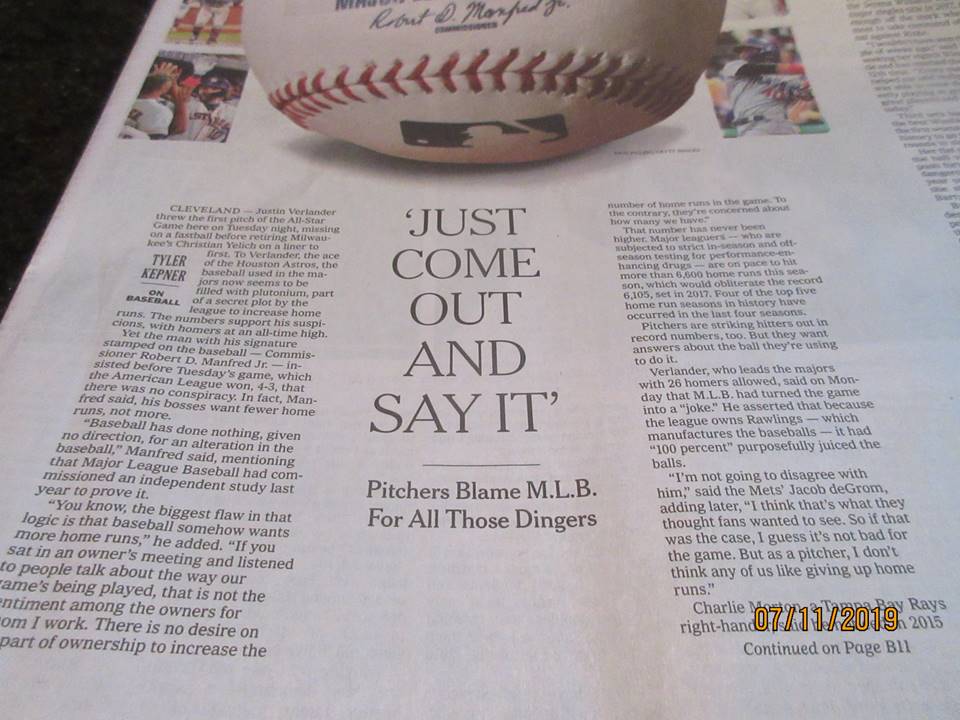
According to the Times, the new Commissioner Rob Manfred, wants to force relief pitchers to throw to at least three batters before being replaced; force a pitcher to throw the ball within 20 seconds (to speed up the game), and God knows what kind of bets and wagers will be made on in-game situations via the scoreboard.
Red even suggested
they could bring back the subway race video between the subway lines running to
Yankee Stadium back, fans could place bets on who wins and would win money if
they had the winning train.
I dropped my cigar out of my mouth on the weathered press
box table beside the PIX mike.
I imagined games this coming season when fans could bet during the game on whether a pitcher carrying a no-hitter would keep it or lose it, or what inning he would lose it.
Fans could bet on whether a slugger could win the game in extra innings on a homer, and what inning.
The management could arrange bets on whether or not a closer would close or blow the lead like the old Vulture, Phil Regan. In addition to snack bars, cafes and restaurants, management could set up “Stadium Bets” where current in-game bets could ne placed.
We play-by-play announcers would have in addition to the action would announce “The Bet of the Inning” brought to you by MGM, and fans could phone in from wherever, or text in their bet. Suzyn Waldman the best color analyst in baseball could announce the “Yankee Bet of the Game.”
Then announcers would when the competitive situation being wagered on was over, would announce the result. This could bring a whole new legion of “fans” to the game. It would add to the color commentary.
Heaven forbid, goes the apology for bringing betting into baseball.
The last time gamblers got into baseball, eight White Sox threw the World Series in 1919. How about betting on batting titles, whether a pitcher would win 20 games. Break Dimaggio’s streak. Break Pete Rose’s hits record. The opportunities for compromising the integrity of the game are unlimited. Gambling will cheapen the games.
Now regarding the Commissioner’s suggestions for speeding up
the game.
The game is not too slow for fans at the game. The pauses in the game allow strategy to be discussed, challenges of the late innings when there is a slim lead, defensive changes. I will not forget the Met playoff game with the Diamondbacks in 1999, when the Arizonas had a 1-run lead on the Mets in the bottom of the 8th.
Going into the last of the 8th, the manager, Buck Showalter replaced his pitcher, but pulled a double switch, moving his all-star shortstop into right and batting the pitcher in the former rightfielder’s spot.
As luck would have it a Met sliced a twisty high fly ball down the rightfield line at the former shortstop, not used to playing rightfield. He misjudges it! The Mets get the tying run in on and get a run in the 10th to win.Discussing strategy, thinking about the danger of double-switches which weaken defense, it’s part of the mystique of the game.
The Commissioiner wants to tinker with pitching rules,
beginning in 2021 according to The Times.
He wants relief pitchers to throw a minimum of 3 batters when brought in to pitch to a batter. This is a distinct advantage to the hitting team. Nowadays the style is to go lefty-righty-lefty-righty in a batting order.
The manager can now lift a pitcher he brings in to face a lefty, and go to a righty to get the right hand hitter, and then bring in another lefthander to get the higher percentage matchup. Commissioner Manfred’s suggestion blows this defensive advantage up.
It may save three pitching changes, but sometimes this works. Of course this gives the hitting team manager the ability to pinch hit a lefty to face a righty on the first batter.
The three batter minimum loads the dice for the hitting team manager.
He can pinch hit 3 straight lefty hitters against a righty, or pinch hit three righty- hitters to face a lefty. It will really cut down pitching changes and proceed to institute changes in the middle of an inning instead of the beginning of the inning, or in the middle of a rally.
This will mean a whole different mindset for pitching changes. And more talented relief specialists.
We no longer will see the “Hold” pitcher, the second “Hold” pitcher and the “Closer” start the 7th, 8th and 9th innings to hold a lead. You’ll have a starter go 6 if the defensive team is lucky, maybe push him to the 7th…to see if you can squeeze another inning.
It is back to the 50s and the 60s again. But…But…But… BACK IN THE 50’S AND 60’S, you had to have pitchers who could “put out the fire” with runners on the bases. Pitchers who could throw strikes!
The relievers today, used to coming in with bases empty are not good with ducks on the pond. Management style popularized by Sparky Anderson in the mid-70s, is going 5 innings with a starter , if that, then, 6th, 7th, 8th and 9th with different pitchers. The art of getting out of a jam is lost.
With the three batter minimum rule as the Commissioner suggests, you’re going to see more implosions, and see more incidents of “throwing gasoline on the fire.”
Pitching coaches in the minors are going to have to teach the art of “putting out the fire.” Throw out pitch counts. Teach them pitching strategies with runners on.
You’ll have to bring in a fireballer (like Ryne Duren, or Dick Raditz, to go after the pinch batter if the offensive manager decides to make a lefty right switch.
This is the subtlety of baseball substitution. Today, an aggressive pinch hitter like the great Gates Brown or Smokey Burgess against a left hander or a right hander respectively, move can be countered by a pitcher who throws from the same side as the hitter bats, especially if the hitter is weak against right-handers or lefties.
If the Commissioner 3-batter minimum is adopted, the opposite side batter can stay in the game and feast on the pitcher who will be coming into him instead of pitching him away– a distinct offensive advantage.
The hitter is also given an advantage by the Commissioner’s 20-second pitch clock. Hitters will love this because the can be primed to hit as soon as the stretch of the pitcher comes to the belt, relaxing until the pitcher comes to a full stop. A good pitcher who works quickly keeps a hitter off balance. Atlanta’s pitchers worked quickly and their four-man rotation was adept at not giving hitters time to adjust.
If a pitcher has to pitch within 20 seconds, it will enhance the running game, because you can only throw over to first once within 20 seconds without rushing the actual delivery.
There has to be an adjustment to the 20 second pitch rule with a fleet runner at first. If not, a walk or a single is a sure double for the fast runner who gets to first .
The 20-second rule for a pitcher to deliver will not speed up the game it will make for much bigger innings and more runs and a lot more pitchers. The baseball men in the Commissioner’s office should tell him this. I do not want baseball to become the NBA.
I also want the Designated hitter done away with. The players want universal designated hitter in both leagues.
If you let the pitcher hit, there is more strategy, and the offensive manager has to think more, how long he stays with his starter. That the Commissioner does not want to change the DH rule back to pitcher hitting in both leagues shows his lack of appreciation for the subtleties of the game.
Baseball attendance was down last season at the ballparks. That was primarily due to a very rainy summer, and a preponderance of lousy ballgames due to diluted pitching and pitching by committee, and slavish devotion to pitch count restrictions.
As my favorite pitcher, Warren Spahn, said arm strength is built by throwing every 3rd day before starting on the fourth day. Spahn could pitch 10 innings in a start, when he was in his late 30s. He also won the most games as a lefthander.
So let’s pay attention to what this new commissioner wants
to do. We have to educate him about the beauty of the game and the depth of it.
Baseball is absolute. It cannot be tweaked like the law or interpreted like the
law because when you change baseball, you take away from the natural balance of
the game that depends on performance.
After this thinking and thinking how the 20 second rule and the
3-pitch minimum rule can be manipulated for advantage, I need a Ballantine Ale.
JACKIE ROBINSON’S 100TH BIRTHDAY WAS CELEBRATED LAST WEEK. TONIGHT BASEBALL HISTORIAN JOHN VORPERIAN DISCUSSES JACKIE’S LEGACY THAT MUST ALWAYS BE CELEBRATED, REMEMBERED AND TAUGHT HIS LEGACY. HIS COURAGE. HIS INSPIRATION HIS TOUGHNESS HIS CHARACTER. A MAN WHO UPLIFTED OTHERS AND STILL DOES TODAY. A BLACK HISTORY MONTH REMEMBRANCE OF NUMBER 42
ptbh with vorperian has been posted the youtube link is