SATURDAY AT 7 A SPECIAL REPORT ON “PEOPLE TO BE HEARD” A SPECIAL “INSIDE THE DECISION” ON WHERE THE REVISED NEW YORK CONCEALED CARRY LAW GOES NOW AFTER BEING DECLARED UNCONSTITUTIONAL. FORMER SUPERINTENDENT OF NY STATE POLICE TELLS YOU WHAT’S BEEN STRUCK DOWN; WHAT THE LEGISLATURE HAS TO DO; HOW THE BAIL LAWS ARE BEING ENFORCED AND THE EFFECT ON CRIME. “INSIDE THE DECISION” WITH

JOHN BAILEY INTERVIEWS DONALD CHESWORTH FROM ROCHESTER NY-LEADING EXPERT ON WHERE CONCEALED CARRY IN NEW YORK IS NOW ON WHITE PLAINS OPTIMUM CH 76, FIOS CH 45 COUNTYWIDE AND ANYTIME ON www.wpcommunitymedia.org
Posted in Uncategorized

HOCHUL WINS. MARGIN HOLDS THROUGH THE NIGHT. GOVERNOR KATHY HOCHUL AT 1:00 A.M. LED LEE ZELDIN 53% TO 47%, 335,631 MARGIN. 87% OF VOTE IN. HOCHUL LOST NASSAU AND SUFFOLK BUT LIMITED THE DAMAGE. NYC, WESTCHESTER, GIVE HER BIGTIME MARGINS. CNN PROJECTED MS. HOCHUL AS WINNER AT MIDNIGHT. SHE IS THE FIRST WOMAN ELECTED GOVERNOR OF NEW YORK STATE. “HERE TO MAKE A DIFFERENCE,” THE GOVERNOR SAYS.

WESTCHHESTER STATE SENATORS SHELLEY MAYER, ANDREA STEWART-COUSINS RETAIN SEATS. CONGRESSMAN JAMAAL BOWMAN WINS 16TH CONGRESSIONAL DISTRICT.

FLASH! LAWLER COMES BACK IN THE 17TH CONGRESSIONAL DISTRICT!

SEAN MALONEY LOSES IN 17TH CONGRESSIONAL DISTRICT, FADES. CONCEDES RACE TO REPUBLICAN MIKE LAWLER AT 12:15 P.M TODAY. LAWLER SCHEDULES VICTORY ADDRESS AT 2 PM

WPCNR CAMPAIGN 2022, November 8  11:55 P.M. UPDATED 12:17 A.M. EST. November 9, 2022. UPDATED 12:37 A.M. with Nassau Suffolk results. Amplified at 12:51 A.M. UPDATED NOVEMBER 9 8:15 A.M. UPDATED 12:35 PM.

Governor Kathy Hochul with 87% of votes AS OF 1:00 A.M. was leading Lee Zeldin, her Republican Challenger. Her margin of 6% (335,631 votes) held up through the night.

In a “Victory Statement,” at her Manhattan headquarters, Hochul pledged to protect reproductive rights, make the state a more affordable place to live, and make streets and subways safe.

“You made me the first woman ever elected as governor in New York,” she said, “But I’m not here to make history. I’m here to make a difference.”

Mr. Zeldin declined to concede, saying he would wait until all votes were counted.

The margin is 335,631 votes between the two contenders. Governor Hochul as of 1 A.M. EST. had received 2,885,204 votes to Lee Zeldin’s 2,519,573.. Governor Hochul had a 6% lead.

In Nassau County, an expected Zeldin stronghold, Mr. Zeldin with 87% of the votes counted polled 248,631 votes to Governor Hochul’s 208,214. Zeldin with 50% of Suffolk County reporting AT 1 A.M. has gathered 202,569 votes to the Governor’s 155,605 (in Suffolk County)..

Mr Zeldin received 451,260 votes from Nassau and Suffolk as of 12:30 A.M. this morning and the Governor 363,819.

The differential on Long Island’s two counties between the two candidates was 87,441 for Mr, Zeldin. Governor Hochul held her own and limited the damage.

The Governor piled up votes in New York City:

Ms. Hochul has picked up 82% of Manhattan, 72% of the Bronx vote; 72% of Brooklyn and 63% of Queens which presently is her sustaining margin at this hour (1 A.M.)

With 72% of the votes in, 378,897 Brooklyn voters went Hochul; 347,606 Manhattan residents voted for her. Those two boroughs account for her winning margin. Bronx residents contributed 148,877 votes and Queens, 259,748. Staten Island was the only Borough Mr. Zeldin won with 45,930 votes.

Attorney General Letitia James is leading Michael Henry 55% to 42% in the Attorney General contest. Thomas DiNapoli is leading Paul Rodriguez  55% to 42% for the Comptroller office. Senator Charles Schumer  is leading his challenger Paul Rodriguez by 60% to 40%.

The Westchester County results, usually fully counted after 11 P.M. are lagging this year  because of heavy turnout. A fine courteous job by election personnel at District 1 in White Plains in one of the heaviest turnouts I have witnessed. You were checked in promptly, courteously in one of the smoothest operations at the high school polling station ever. It was a non-stop never ending stream of voters from 6 AM into the night.

Results so far show Jamaal Bowman defeating Miriam Flisser by 58% to 39% for the White Plains-Scarsdale-Harrison-portion of Yonkers District 16.

In the 17th Congressional District, 64% of districts reporting, Democrat Sean Maloney with 64% of districts reporting, had a  5,210 vote lead over Michael Lawler, 25,970 votes to 20,760  56% to 44% which he has built in the last hour from midnight to 1 A.M. As of 1:30 PM no updated totals have beenposted to the Westchester County Board of Elections website since 1:15 A.M. (added at 1:28 PM today)

Overnight Mr. Maloney’s lead evaproated, and was scheduled to concede to Mr. Lawler at 12:15 this afternoon. Returns on the Board of Elections site have not been updated to reflect the final numbers this turnaround victory.

Mr. Lawler is holding a Victory announcement at 2 PM today

In Assembly District matchups, Chris Burdick at this hour has a 60% to 40% margin over Gary Lipson in the Assembly District 93. Amy Paulin has a commanding lead in the 88th Assembly district over Thomas Fix 62% to 38%.

Nader Sayegh  Democrat incumbent in the 90th Assembly District with 50% of the vote in  of the votes counted is trailing Michael Breen the Republican-Consertive by 341 votes, Breen has 5,492 votes, Sayegh, 5,151. Hezi Aris of the Yonkers Tribune reports Sayegh has come back and appears to have retained his seat

Posted in Uncategorized

DATA ON A POST-DOBBS WORLD


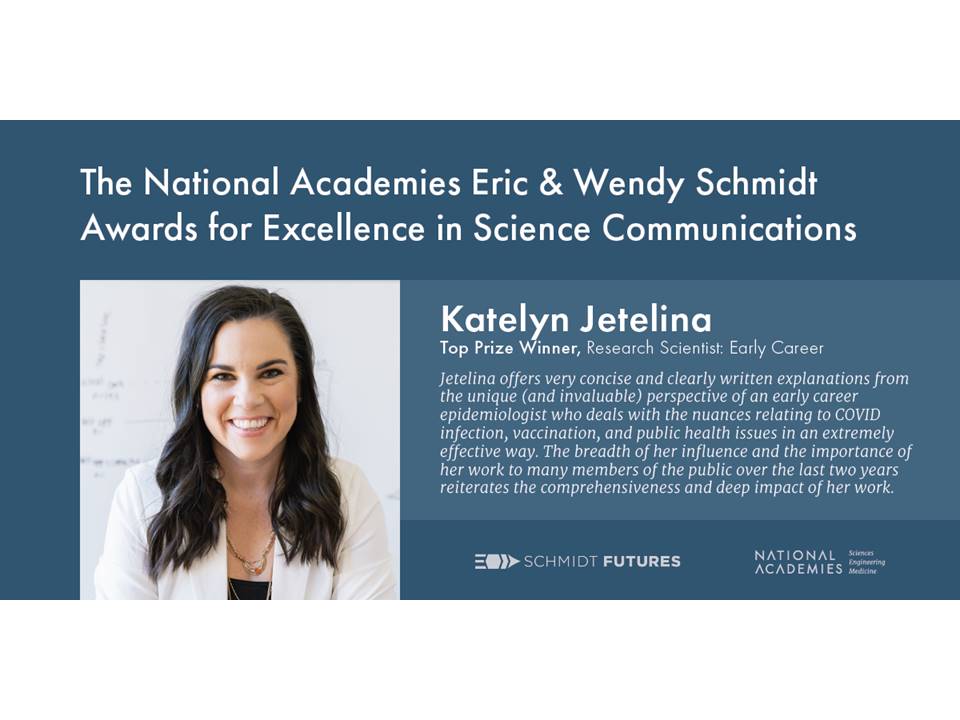
WPCNR YOUR LOCAL EPIDEMIOLOGIST By Dr. Katelyn Jetelina. November 7, 2022. Reprinted with permission.

Public health touches on all aspects of our lives, not just during a pandemic. Thanks to your feedback, this newsletter will continue with COVID updates but will start touching on other epidemiological topics, too.


Last week 5 new studies provided a first look into Dobbs v. Jackson’s impact on access to abortion care. This was largely thanks to JAMA Network that published a special issue on this topic. This is the story that data is telling.

Shift in location of abortions

Just like with COVID-19, data fragmentation touches nearly every other public health problem, including abortion. The Society of Family Planning anticipated this problem and started counting clinical abortions (i.e. at a physical location) beginning in 2022. They coin this effort #WeCount.

They just released their first report:

  • Two months post-Dobbs, 10,600 fewer people had clinical abortions—a 6% decrease on a national level.
    • Among states that banned or severely restricted abortion, there was a 95% decrease.
  • States with the largest percent increases in abortions included North Carolina (37%), Kansas (36%), Colorado (33%), and Illinois (28%). California experienced virtually no change (1%), although still had the most abortions.
    • This was an interesting pattern. Some states with restrictions in place (like North Carolina) experienced a surge because they were just closer in distance to states that banned abortion altogether, such as Indiana and Georgia. States on the East and West coasts, though, experienced little to no change.

A JAMA Network publication looked solely at Texas (remember Texas passed a highly restrictive before Dobbs in September 2021 called SB8). Specifically, scientists counted all abortions in the state of Texas from September 1, 2020 to February 28, 2022 and evaluated whether abortions increased, decreased, or stayed the same after SB8:

  • Over the entire time period, there were 68,820 Texas facility–based abortions and 11,287 out-of-state abortions among Texas residents.
  • After SB8, documented abortions among Texas residents decreased 33%.
  • After SB8, out-of-state abortions among Texas residents increased from 17% to 31%. In other words, out-of-state abortions did not fully offset the overall decrease in facility abortions post-SB8.

Requests for medication abortion increase

Clinical abortion is not the only option for women. There is a very safe and effective alternative that people can access online and take at home—medication abortion. Another JAMA Network study looked at requests for medication before Dobbs, after Dobbs leaked, and after the Dobbs formal announcement. They found:

  • More than 42,000 requests for abortion medications across 30 states.
  • Requests in every state, regardless of policy, increased after the leak and the formal announcement.
  • States with total bans had the highest increase in requests. Louisiana had the most medication requests followed by Mississippi, Arkansas, Alabama, and Oklahoma.

Travel time increases

Clinics closed, which increased travel times for people seeking in-person abortion care. A study in JAMA Network assessed exactly how much:

  • Travel times to abortion facilities, on average, increased by three times.
  • The largest increases were across the South (see figure below). In Texas, for example, the new travel time to the nearest abortion facility increased by almost a full workday.
  • American Indian or Alaska Native, Black, and Hispanic populations experienced large absolute increases in travel time to abortion facilities.

Travel Time to Nearest US Abortion Facility Before and After Dobbs v Jackson Women’s Health US Supreme Court Decision. FromRader et al., JAMA Network. Source here.

Pregnancies among young girls are risky

A news story post-Dobbs went viral after an Indiana doctor provided abortion services to a 10-year-old Ohio rape victim. A recent study published the risks of pregnancy to the youngest of girls. The scientists looked at the negative impact (morbidity, mortality, and delivery outcomes) of over 90,000 pregnancy hospitalizations among the youngest of girls (under age 13 years) compared to older females. They found that compared to other pregnancies, pregnancies among 10-13 year olds led to:

  • More preterm births
  • More C-sections
  • More preeclampsia cases
  • More ICU admissions
  • No difference in stillbirths

It’s clear the youngest girls who give birth face significant medical risks.

Bottom line

Early data shows Dobbs significantly changed the way in which people access abortion care in the U.S.: where to go, how to get it, what barriers they’ll face, and who can get it (health inequities). In just four short months post-Dobbs, thousands of women’s lives were impacted. This is just the beginning of the story, but we have the power to decide how medical care for women, and this map, look going forward. Go vote.

Abortion Laws by State (Source: Center for Reproductive Rights)

Posted in Uncategorized