WHITE PLAINS WESTCHESTER DAILY NEWS SERVICE VISITS SINCE 2000 A.D. 25TH YEARl REPORTING THE NEWS YOU NEED TO KNOW News Service Since 2000 A.D. 2026 WILL BE OUR 26TH YEAR OF COVERING WHITE PLAINS NEW YORK USA . John F. Bailey, Editor (914) 997-1607 wpcnr@aol.com Cell: 914-673-4054. News Politics Personalities Neighborhoods Schools Finance Real Estate Commentary Reviews Policy Correspondence Poetry Philosophy Photojournalism Arts. The WHITE PLAINS CITIZENETREPORTER. TELEVISION: "White Plains Week" News Roundup, 7:30 EDT FRI, 7 EDT MON & the incisive "People to Be Heard" Interview Program 8PM EDT THURS, 7 PM EDT SAT on FIOS CH 45 THROUGHOUT WESTCHESTER AND, ALTICE OPTIMUM WHITE PLAINS CH 1300 Fighting for Truth, Justice and the American Way. TOP 10 VISITORS FROM AROUND THE WORLD :1. USA. 2.BRAZIL3.VIET NAM 4. CHINA 5. JAPAN 6.UK. 7.CANADA. 8.INDIA. 9.AUSTRALIA 10.IRELAND 11.GERMANY 12..ARGENTINA 13.BANGLADESH 14.RUSSIA. 15.NEWZEALAND. 16. FRANCE. 17.MEXICO. 18.UKRAINE. 19.SOUTH AFVRICA. 20. IRAQ.
MINNOWS ARE PROVIDED IN PLASTIC BAGS WITH OXYGENATED WATER. RESIDENTS NEED TO BRING PAILS TO HOLD THE BAGS TO AVOID BAGS POSSIBLY BREAKING IN TRANSIT IN RESIDENTS’ CARS.
WPCNR HEALTH ALERT. From the Westchester County Department of Health. May 3, 2019:
To prevent mosquitoes from multiplying, the Westchester County Health Department will give away another 200 pounds of fathead minnows this Friday and Saturday, to Westchester property owners who have ponds or water features. The Health Department will also offer mosquito dunks and other strategies to prevent the spread of mosquito-borne diseases like West Nile Virus.
The minnows and mosquito dunks will be available at the Westchester County Airport, 2 Loop Road, West Harrison, 10604 as follows: • Friday, May 18, 9 a.m. to 4 p.m. • Saturday, May 19, 9 a.m. to 2 p.m.
Ornamental ponds that lack fish offer mosquitoes an ideal breeding spot. When fathead minnows are added to the water, the minnows eat mosquito larvae and pupae, so they can’t mature into biting adults. Dunks serve the same purpose in birdbaths, rain barrels and unused pools.
Residents who plan to pick up minnows should bring a bucket or pail. Minnows will be distributed in watertight plastic bags. To keep them viable, residents should plan to bring them straight home and release them immediately into ponds with at least eight inches of water.
“Don’t be a mosquito’s next meal,” said Sherlita Amler, MD, Commissioner of Health. “If you have a pond, add some fathead minnows. You can also prevent mosquitoes from breeding in your yard by keeping your gutters clear and removing buckets, pails and toys that collect standing water. After it rains tip the water out of flower pot saucers, and check your yard for standing water.”
Large areas of standing water on public property that cannot easily be removed should be reported to the Health Department at (914) 813-5000. For more information, download the “Keep Healthy and Bug
WPCNR SCHOOL DAYS. From the Westchester-Putnam Workforce Development Board. May 1, 2019:
According to the National Skills Coalition, middle-skills jobs, which require education beyond high school but not a four-year degree, make up the largest part of America’s and New York’s labor market.
Key industries in New York are unable to find enough sufficiently trained workers to fill these jobs. Demand for these jobs is expected to remain strong through 2024 with 45% of openings to be in middle skills.
The Westchester-Putnam Workforce Development Board will host a high-level learning and panel discussion on Monday, May 20thto address the shortage of middle and soft skills training, as well as illuminate options for mapping out sector specific career paths through stackable credentials as a viable choice for high school students.
School board presidents, superintendents, guidance counselors, employers, higher education professionals, and others who work with students are encouraged to attend.
The event is free and will be held at White Plains High School (The Media Space inside the library, 550 North Street, White Plains, NY 10605). Breakfast and registration will take place at 8:30am and the program will run from 9:00am – 10:00am. Online registration is requested (https://career-pathway-breakfast.eventbrite.com).
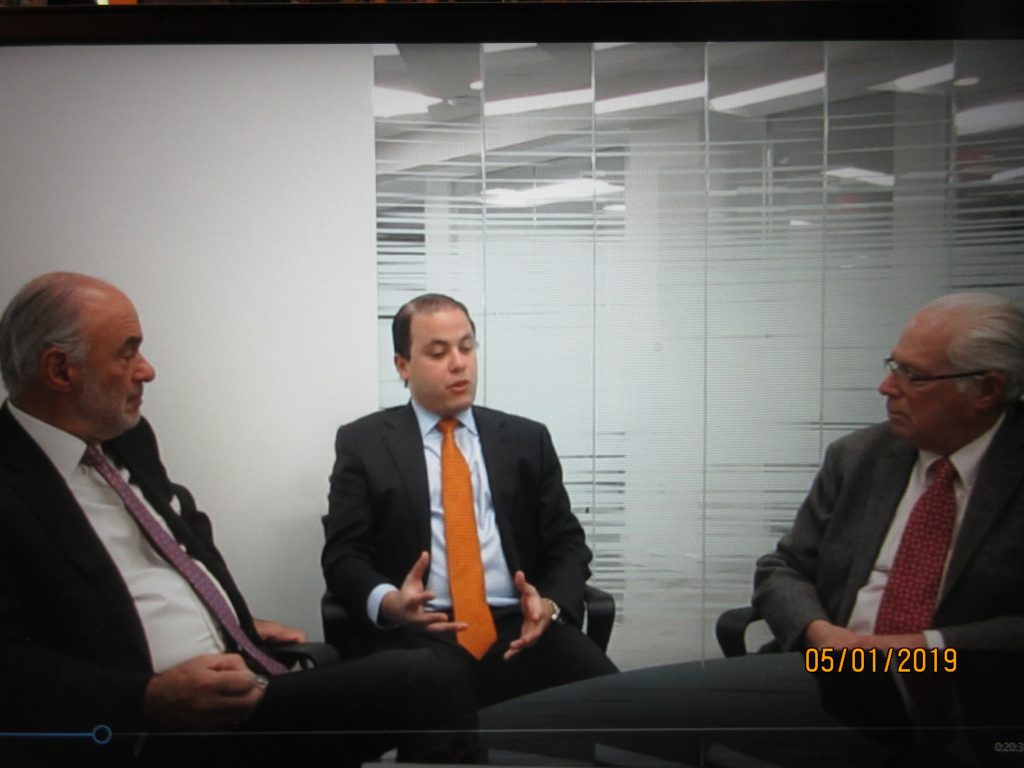
The May 20th panel will be moderated by Thom Kleiner, Executive Director, Westchester-Putnam Workforce Development Board,
with panelists Dr. Michael Baston, President, Rockland Community College; Dr. Joseph Ricca, Superintendent of Schools, White Plains Public
Schools; Dr.
LaTasha Hamlett-Carver, Career Center Program Specialist; Teresita B. Wisell, Vice
President, Workforce Development and Community Engagement, Westchester
Community College; Carolyn Chieco, High School Guidance Counselor and Consultant,
Daniel Bonnet, Deputy Executive Director, The Centers for College & Careers at
the Guidance Center of Westchester, and Orane
Barrett, Chief Executive, Kool
Nerd Club.
“We are seeking to clarify the various options that exist for
finding and pursuing a career while at the same time gathering information from
those who work with students and parents. With the high cost of a 4-year
college degree looming large for many families, we want to shed light on the
alternatives and encourage students to consider careers they have a passion for
and can gain credentials and experience in, without the expense of a
traditional four-year college degree,” stated Thom Kleiner.
“At Rockland Community College we are totally committed to
providing middle skills programs and stacked credentials through career
pathways so that those interested in a career that doesn’t require a four-year
degree, can get the training they need and get into the workplace sooner,”
stated Dr. Baston. “We want to shift the mindset to one that embraces viable
choices and options dependent upon the interests of the individual. No one
should feel as though choosing a path that doesn’t require a four-year degree
is somehow less significant. Our goal is to show that it is a better choice for
many not simply based on cost, but also based on a swifter entrance into the
workforce,” added Baston.
WPCNR HEALTH ADVISORY.From the Westchester County Department of Health. April 30, 2019:
Health Department staff identify trends in Lyme disease, ehrlichiosis and other tickborne diseases through reports received annually from physicians and laboratories. These reports assure that the Health Department has an accurate picture of Lyme disease and other tickborne diseases in the county.
Other tickborne diseases, including ehrlichiosis, anaplasmosis, babesiosis, Powassan/Deer Tick Virus and Borrelia miyamotoi, continue to spread in Westchester County. Education, prevention of tick bites and recognition and treatment of early signs and symptoms remain our best weapon in the battle against tickborne diseases.
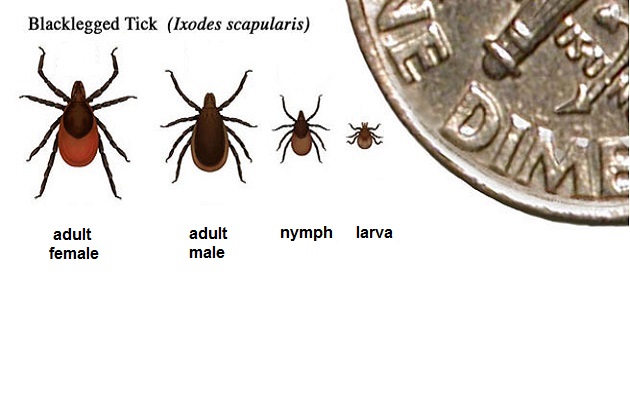
The Lyme disease bacterium, Borrelia burgdorferi, is spread through the bite of infected ticks. The blacklegged tick (or deer tick, Ixodes scapularis) spreads the disease in the northeastern, mid-Atlantic, and north-central United States. The western blacklegged tick (Ixodes pacificus) spreads the disease on the Pacific Coast. Ixodes ticks are much smaller than common dog and cattle ticks. In their larval and nymphal stages, they are no bigger than a pinhead.
Ticks feed by inserting their mouths into the skin of a host and slowly taking in blood. Ixodes ticks are most likely to transmit infection after feeding for 36 to 48 hours. Ticks generally need to be attached for at least 24 hours before they can pass along infections such as Lyme disease, but are capable of transmitting some infections when attached for shorter periods of time. For this reason, you should bathe or shower as soon as possible after coming indoors (preferably within two hours) to wash off and more easily find ticks that are crawling on you. You can also tumble dry clothes in a dryer on high heat for 10 minutes to kill ticks on dry clothing after you come indoors.
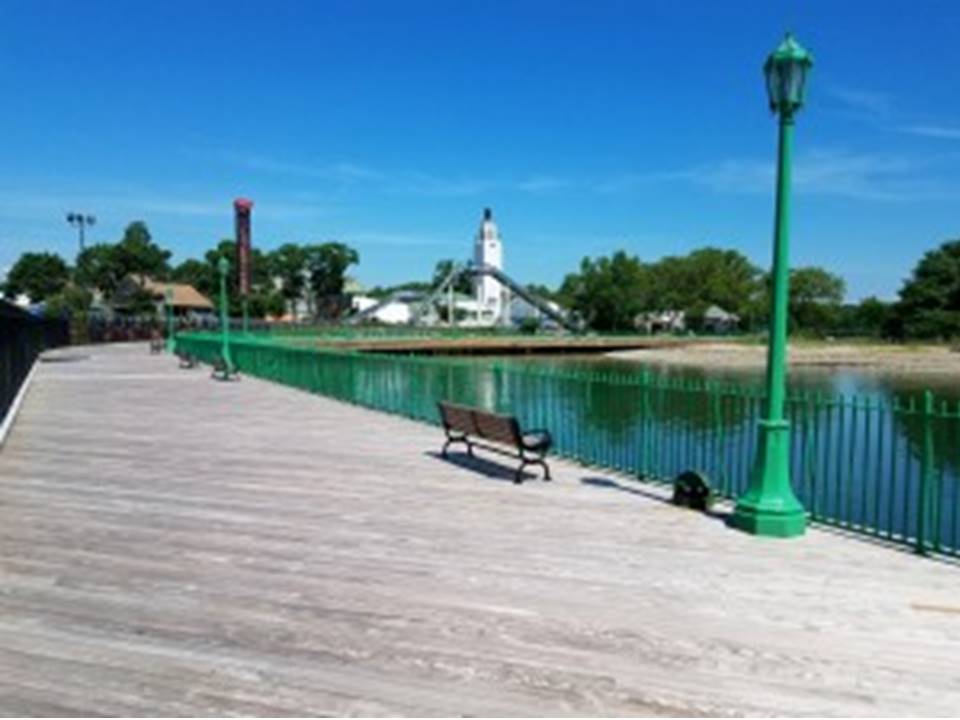
WPCNR PLAYLAND GO ROUND. April 29, 2019: Westchester County Executive George Latimer held a news conference Monday morning going over his reasons for announcing his intentions to terminate the Playland agreement with Standard Amusements negotiated by the Robert Astorino adminisration. Afterwards he answered questions from reporters.
WPCNR PLAYLAND GO ROUND.From the Westchester County Department of Communications. April 28, 2019:
Westchester County has notified Standard Amusements’ legal counsel that the County has elected to terminate the agreement with Standard Amusements. This decision comes after an extended review and discussion of the provisions of the agreement made by the prior Administration three years ago, and more recently, after extended negotiations between counsel for the County and Standard Amusements.
Westchester County Executive George Latimer said:
“We are unhappy with the way this has all turned out; we never wanted this kind of conflict. However, we are simply not satisfied with what we have been seeing. We wanted to see the energy, excitement and drive in Standard Amusements’ vision for Playland – we didn’t want just a real estate deal.
“This Administration believes in Playland and its future; we are not looking to liquidate the park as a liability, as some feel. We want what is best for Playland – to see it succeed and thrive.
“At the heart of that assessment is whether this arrangement developed three years ago, under different decision makers and that ends County management of the park, will somehow deliver that energy and excitement. After 16 months, we believe this arrangement will not deliver a better tomorrow for Playland.
“The County has been negotiating with Standard Amusements in good faith, seeking to recast our arrangement into a different focus, one where Standard’s professed commitment to the park’s future would be manifest by its ability to help shape a management and marketing commitment, not primarily a capital commitment, followed by management of the park.
“We are unhappy that instead, we have seen leaks of false information to the press; the hiring of a high-priced public relations firm and the hiring of a legal firm committed to defending the company’s corporate interests rather than spending those resources delivering a detailed marketing plan.
“The energy spent by Standard to influence lawmakers to defend their original agreement could have been better spent in a more wide ranging effort to win over those in the community that did not want to see a corporate entity take over a public park facility.
“But, at the core of the County’s election to terminate isn’t emotion – it is the fact that Standard Amusements is in material breach of our contract.
“Standard Amusements has improperly claimed that it invested money in Playland, when in reality that money was not spent on purposes allowed under the agreement. Standard Amusements is wasting taxpayer dollars at the end of the day.”
While the County said ( in the official county statement issued 6:30 PM E.D.T.) has been negotiating in good faith to restructure the agreement, Standard Amusements has been operating with an agenda that led the County to conclude Standard Amusements was not interested in renegotiating the terms of their relationship in a way that makes sense for the County.
The election to terminate is based on Standard Amusements’ failure to cure its various material defaults under the contract that were laid out in the County’s letter to Standard Amusements on December 7, 2018. Those defaults included:
Manager’s Investment
Standard Amusements has improperly claimed millions of dollars as part of its contractually defined Manager’s Investment obligation, which is supposed to represent capital improvements at Playland.
At the time of our letter to Standard Amusement, the company had claimed it invested over $5.7 million in the park, but an audit had proven otherwise. Instead, this money was spent on salaries, meals, travel, advertisements, marketing, consulting fees, and legal fees (including fees to raise investment capital it claimed to have at the time it negotiated the agreement with the County).
Since receiving our December letter, (the county alleged in the statement) Standard Amusements has continued to claim expenses that do not qualify as part of the Manager’s Investment (including its legal expenses related to our negotiations), for a total of $7.7 million according to its last monthly report.
Audit
The County is entitled to an annual audit of Standard Amusements’ books and records under the agreement; however, Standard Amusements has prevented the County from completing the audit and has refused to provide necessary documentation.
Latimer said: “This agreement has Westchester taxpayers on the hook for $125 million dollars with Standard committed for $27.5 million. My job is to make sure Westchester taxpayers come first.The County’s relationship with Standard Amusements must come to a close. We cannot have confidence in Standard Amusements based on its actions. The company has not proven it has been serious about Playland succeeding.”
While there have been claims by Standard Amusements that the County has been in breach of the contract, the reality is ( the county statement continued) the County has performed under the agreement and done everything it reasonably could.
As the County has explained to Standard Amusements, the company’s interference in the design process and underestimation of the costs of capital improvements, upon which the County relied, directly caused the County not to timely meet its required level of capital investment.
Furthermore, the County has never indicated to Standard Amusements that it intended not to meet its obligations under the contract.
As required under the agreement, the County is giving Standard Amusements 30 days’ written notice. May 28, 2019 has been selected as the date the agreement will terminate in all respects.
WPCNR SCHOOL DAYS.From the Westchester Putnam Work Force Development Board April 28, 2019:
According to the National Skills Coalition, middle-skills jobs, which require education beyond high school but not a four-year degree, make up the largest part of America’s and New York’s labor market.
Key industries in New York are unable to find enough sufficiently trained workers to fill these jobs. Demand for these jobs is expected to remain strong through 2024 with 45% of openings to be in middle skills.
The Westchester-Putnam Workforce Development Board will host a high-level learning and panel discussion on Monday, May 20th to address the shortage of middle and soft skills training, as well as illuminate options for mapping out sector specific career paths through stackable credentials as a viable choice for high school students. School board presidents, superintendents, guidance counselors, employers, higher education professionals, and others who work with students are encouraged to attend.
The event is free and will be held at White Plains High School (The Media Space inside the library, 550 North Street, White Plains, NY 10605). Breakfast and registration will take place at 8:30am and the program will run from 9:00am – 10:00am. Online registration is requested (https://career-pathway-breakfast.eventbrite.com).
The May 20th panel will be moderated by Thom Kleiner, Executive Director, Westchester-Putnam Workforce Development Board,
with panelists Dr. Michael Baston, President, Rockland Community College; Dr. Joseph Ricca, Superintendent of Schools, White Plains Public
Schools; Dr.
LaTasha Hamlett-Carver, Career Center Program Specialist; Teresita B. Wisell, Vice
President, Workforce Development and Community Engagement, Westchester
Community College; Carolyn Chieco, High School Guidance Counselor and Consultant,
Daniel Bonnet, Deputy Executive Director, The Centers for College & Careers at
the Guidance Center of Westchester, and Orane
Barrett, Chief Executive, Kool
Nerd Club.
“We are seeking to clarify the various options that exist for
finding and pursuing a career while at the same time gathering information from
those who work with students and parents. With the high cost of a 4-year
college degree looming large for many families, we want to shed light on the
alternatives and encourage students to consider careers they have a passion for
and can gain credentials and experience in, without the expense of a
traditional four-year college degree,” stated Thom Kleiner.
“At Rockland Community College we are totally committed to
providing middle skills programs and stacked credentials through career
pathways so that those interested in a career that doesn’t require a four-year
degree, can get the training they need and get into the workplace sooner,”
stated Dr. Baston. “We want to shift the mindset to one that embraces viable
choices and options dependent upon the interests of the individual. No one
should feel as though choosing a path that doesn’t require a four-year degree
is somehow less significant. Our goal is to show that it is a better choice for
many not simply based on cost, but also based on a swifter entrance into the
workforce,” added Baston.
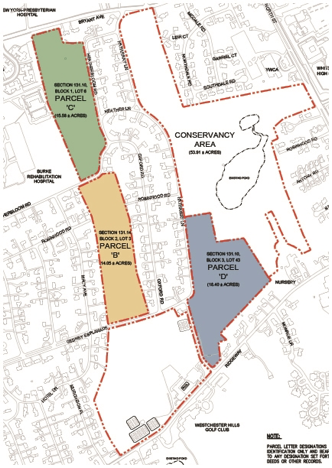
The Controversial FASNY proposed campus and “Development” Parcels B,C,D
WPCNR THE LETTER TICKER. From the Gedney Association April 27, 2019:
Dear Neighbors,
Please see the letter below that was sent to the Common Council April 25, 2019 with regard to FASNY’s recent announcement to sell a portion of its property.
The Gedney Association
April 25, 2019
Members of the Common Council White Plains City Hall 255 Main Street White Plains, New York 10601
Re: FASNY Press Release
Dear Members of the Common Council:
The recent Press Release by the French American School of New York (FASNY) announcing its intention to sell approximately 48 acres of the former Ridgeway Country Club has caused considerable confusion and indignation by many residents in Gedney Farms as well as other adjoining neighborhoods. In announcing its intention to sell a portion of its property, FASNY has contradicted the essence of its earlier assurances that it would not expand beyond the approved campus.
During the Common Council’s final deliberations on the FASNY proposal, Councilwoman Hunt-Robinson expressed concerns regarding the development of Parcels B, C and D and the need to consider, if necessary, mitigation of any adverse impacts. This question was entirely appropriate and essential under the New York State Environmental Quality Review Act (SEQRA), which mandates consideration of potential development of an entire property. Segmentation or limiting review to only part of a property is prohibited under the law. In response to Councilwoman Hunt-Robinson’s questions, FASNY proposed postponing any additional development on the property.
As a result, the Common Council’s approval letter stipulated that, “An application will not be filed to expand the school use on any of the four former Ridgeway Country Club parcels for at least fifteen (15) years from the date FASNY receives a temporary or permanent Certificate of Occupancy for the School”.
This clever subterfuge did not go unnoticed by the Gedney Association which cited non-compliance with the SEQRA requirement in its lawsuit challenging the approval. The announcement by FASNY to sell separate parcels clearly demonstrates how the SEQRA requirements were violated during the approval process.
Regrettably, the City Administration permitted FASNY to obfuscate their real intentions. In fact, the City Administration was complicit in this deception. For example, FASNY quietly removed the bike trail from Parcel C that previously was so integral to Mayor Roach. Why was this removed other than to enable FASNY to sell this and other parcels for development?
FASNY is now attempting to sell three parcels, presumably for development. One of the parcels slated for sale, Parcel D, is directly across from the entrance to the planned school on Hathaway Lane.
How would traffic circulation operate here with approximately 1,000 vehicles entering and exiting the school each day? Furthermore, Parcels B and C front on Gedney Esplanade and Heatherbloom Road, two already heavily trafficked streets. Doesn’t this highlight why the FASNY approval should only have been made after careful consideration of other potential development?
So where does that leave us? Instead of a carefully planned development of the former golf course we have a hodgepodge plan.
Since the approval, traffic on Ridgeway has measurably increased according to City studies. FASNY appears to change its plans weekly. Indeed, its own website suggested it might find a separate alternative location for its “unified” campus. Also, the so-called Conservancy isn’t permanent, in that, if FASNY leaves, the Conservancy disappears.
In the meantime, the property continues to be very poorly maintained with fallen trees and beer cans and other refuse littering the property. The City has lost hundreds of thousands of dollars in taxes for what now appears as an investment speculation by FASNY.
Is the City Administration assessing the loss of another 48 acres of open space or will it again take a reactive stance?
Last November, when reports of FASNY’s plans to sell all or part of the property became widespread, the Gedney Association wrote to the Mayor and Common Council requesting a meeting to discuss the neighborhood’s concerns and objectives for any new alternative development. With the exception of Councilwoman Lecuona, no response has been received from the City Administration. As residents and taxpayers, we would minimally have expected a response.
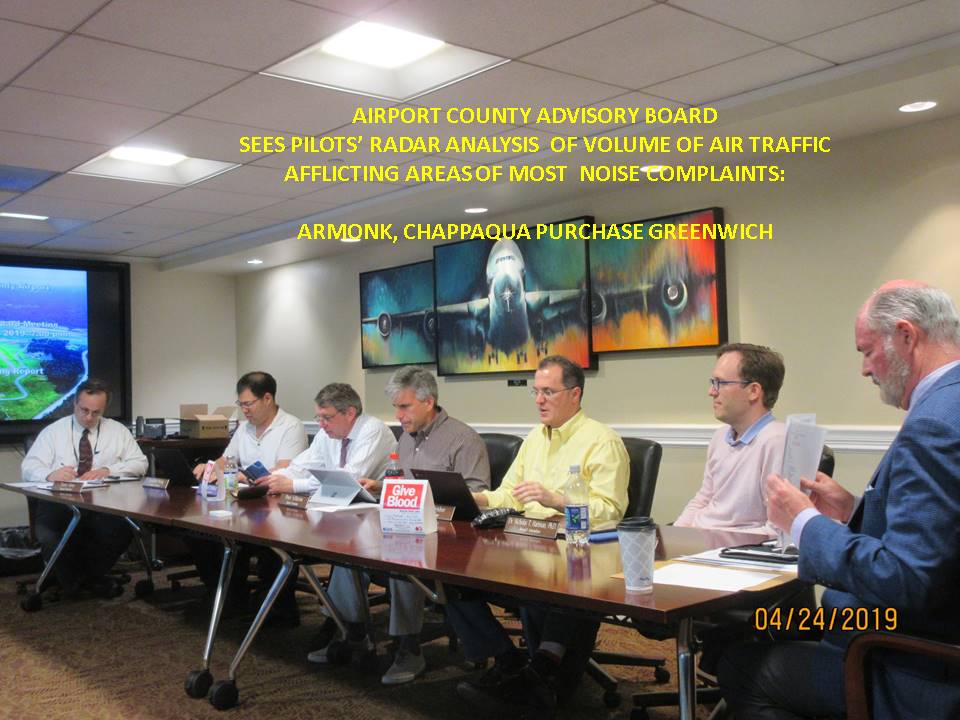
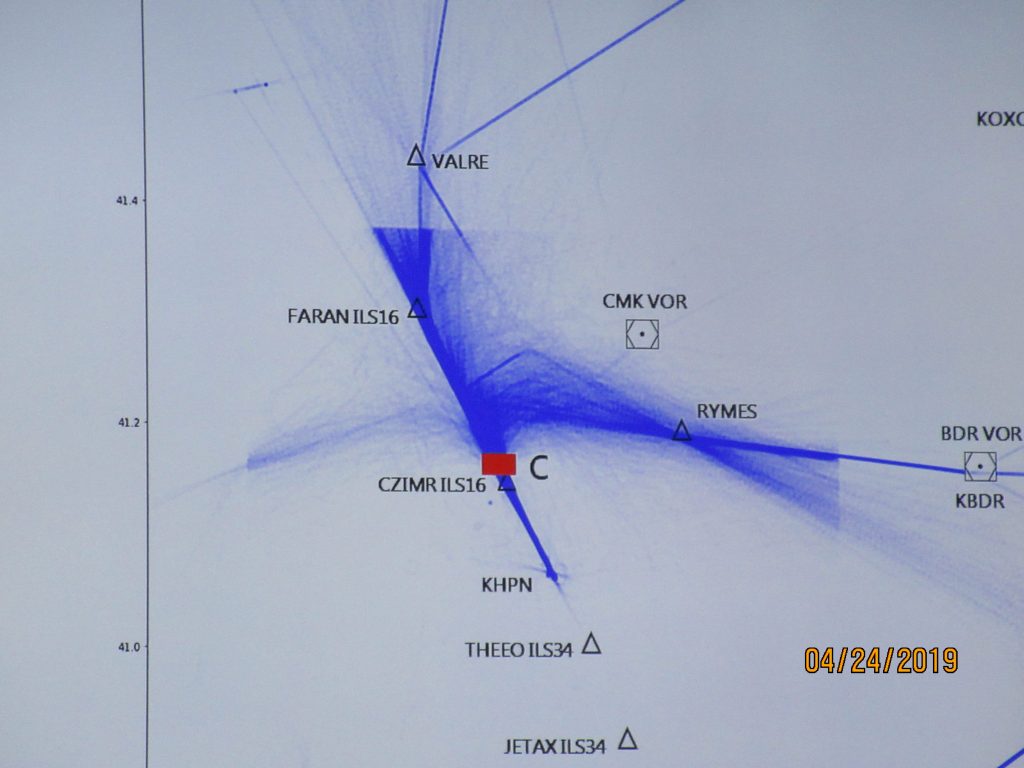
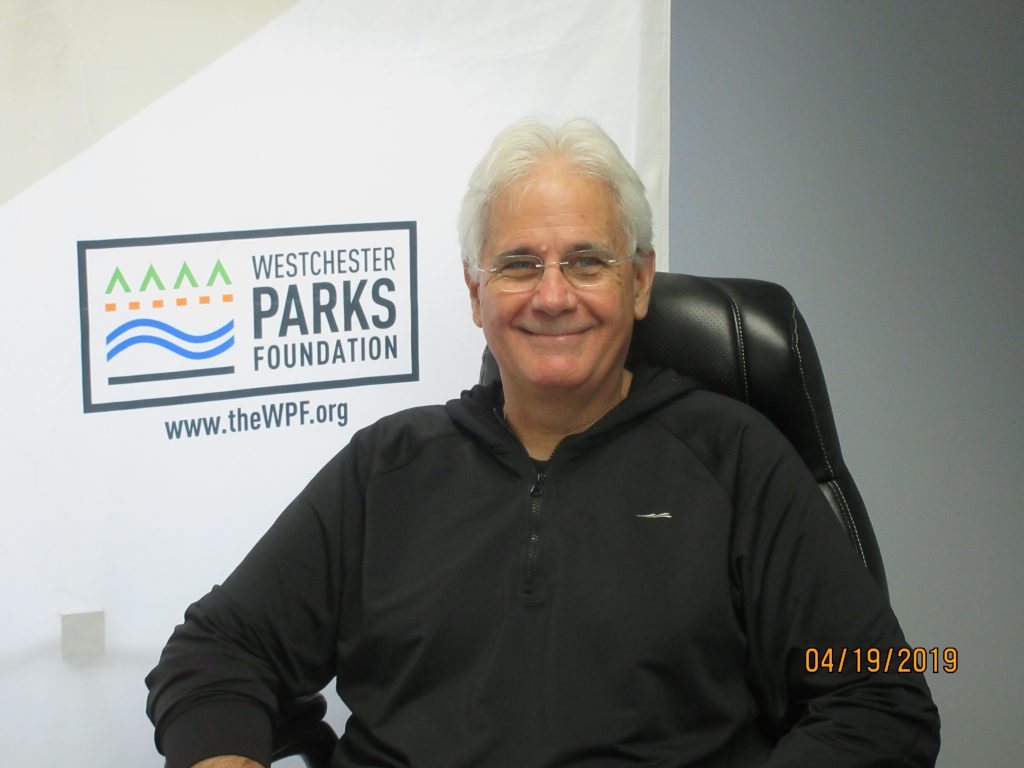
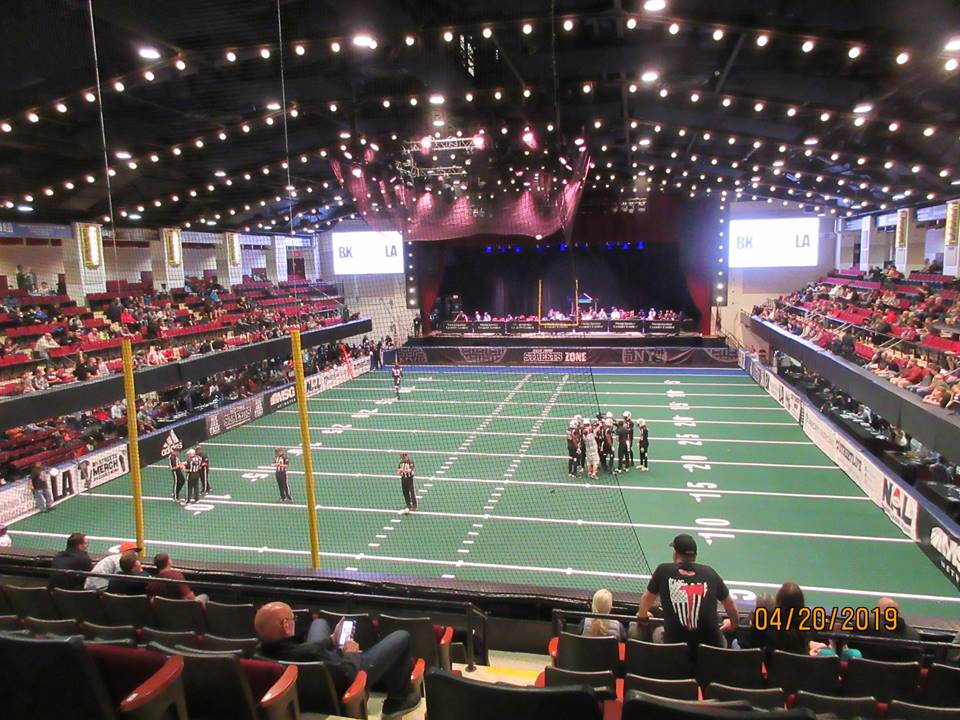
EXCLUSIVE VIDEO OF RADAR ANALYSIS OF WESTCHESTER AIRPORT TRAFFIC PRESENTED TO THE AIRPORT ADVISORY BOARDJOE STOUT (below)OF WESTCHESTER PARKS FOUNDATION ON THE PRICE TAG FOR PUTTING ALL WESTCHESTER PARKS INTO SHAPEARE YOU READY FOR SOME FOOTBALL? NEW YORK STREETS DEBUTJIM BENEROFE ON BIDEN BIDTHE TRUTH AND NOTHING BUT THE TRUTH EVERY WEEK FOR 19 YEARS
SEE IT AT 7:30 FRIDAYS AND 7 PM MONDAYS COUNTYWIDE ON FIOS CH 45 AND IN WHITE PLAINS ALTICE CH.76 AND ON www.wpcommunitymedia.org