Hits: 649
|
Hits: 649
|
Hits: 171
SAFER STREETS: GOVERNOR HOCHUL ANNOUNCES MAJOR DROP IN GUN VIOLENCE ACROSS NEW YORK, SHOOTINGS DOWN 14%
GIVE Communities Report 48 Fewer Shootings and Nearly 100 Fewer People Shot in First Seven Months of 2025
Albany, Buffalo, Syracuse Lead the Way With Double-Digit Declines in Gun Violence
New York City Sees Continued Reductions in Shootings
Governor Kathy Hochul YESTERDAY announced that shooting incidents with injury in communities that participate in the Gun Involved Violence Elimination (GIVE) initiative dropped 14 percent in the first seven months of 2025, thanks to record state investments and the work of the local law enforcement agencies and community organizations across the state. New statistics from the New York State Division of Criminal Justice Services also show a 21 percent decrease in shooting deaths compared to the same period in 2024.
“Gun violence in New York is falling as a direct result of our record investments in public safety and prevention initiatives,” Governor Hochul said. “As we work with our public safety partners to make real progress in the fight against gun crimes, I remain committed to investing in programs that keep guns out of the hands of dangerous individuals and keep our communities safe.”
Hits: 391
|
 |
|
|
|
|||||||||||||||

Due to the large, ongoing Legionnaires’ disease outbreak in New York City, we’re taking a closer look at the illness and its biology this week. While the outbreak data shared is specific to NYC, much of this information can apply to outbreaks elsewhere. For our readers outside of New York City, know that we’ll be back with state-level updates next week. Let’s dive in.
While the Legionnaires’ outbreak in New York City’s Central Harlem has slowed, it hasn’t stopped. As of August 21, there have been 109 cases, with 9 currently hospitalized and 5 deaths. The affected zip codes include 10027, 10030, 10035, 10037, and 10039.
The most recent case developed symptoms on August 12, which means we’re likely closer to the end of the outbreak. That’s good news. It means that mitigation efforts (like identifying and cleaning contaminated cooling towers) are working.
 |
Figure from the NYC Department of Health and Mental Hygiene. Annotations by YLE.
But we’re not entirely out of the woods—we still might have some cases trickling in. People who may have been exposed before the cooling towers were cleaned could still get sick several days after their exposure.
What does this mean for you? We still need to stay alert, especially if you are someone at higher risk for severe illness (more below).
Since the outbreak began, I’ve gotten a lot of questions about Legionella (the bacteria) and Legionnaires’ disease (the illness it causes). Here are your top 7 questions answered.
Symptoms usually start 2–10 days after exposure and can include:
Most healthy people exposed won’t get sick. Those at highest risk are adults over age 50, smokers, and people with chronic lung disease, diabetes, cancer, or weakened immune systems.
No.
On top of all this, outbreaks in NYC are typically caused by cooling towers, which are on different plumbing systems than residential water, meaning drinking water will not be contaminated.
The bacteria have to be inhaled in a concentrated enough dose to cause illness. Many people breathe in small amounts without getting sick because their immune systems clear the bacteria.
But older adults, people who smoke, and people with chronic lung disease (including asthma) or weakened immune systems are much more likely to develop severe pneumonia. For example, I don’t have any of the risk factors for severe Legionnaires’ disease, so I felt comfortable going on a run through Central Harlem during the outbreak. If I had asthma, I would have found a different area to run in.
In NYC, Legionnaires’ disease almost always comes from cooling towers (though elsewhere in the U.S., outbreaks have been linked to sources like hot tubs). Unlike the viruses that cause Covid-19 or flu, Legionella bacteria don’t spread easily between people—only one person-to-person case has ever been documented worldwide.
The reason lies in the biology of the Legionella bacteria.
This is also reflected in the way people are tested for Legionnaire’s disease: clinicians often need a lower respiratory sample because infections are typically deep in the lungs. In contrast, to diagnose Covid or the flu, a simple nose or throat swab usually works.
NYC has some of the most intensive and sensitive Legionella monitoring in the world, and was the first city in the world to have a cooling tower inspection program. Every day, special software scans health data across the city for clusters of pneumonia-like symptoms. If a pattern is detected, the health department springs into action: inspectors test cooling towers for Legionella, and any tower that tests positive must be cleaned, disinfected, and retested by the building owner. The goal is to stop ongoing exposure and prevent future cases.
The health department’s decision on whether to release specific addresses is based on a balance of risk vs. public benefit, and how far along the investigation is (e.g., if there are more cooling towers to test). For the recent Central Harlem outbreak, eventually the City did release information on the buildings with positive tests.
Knowing the address of a contaminated cooling tower shouldn’t really change how you act. That’s because Legionella bacteria from cooling towers can travel long distances in the air, sometimes up to several miles.
The health department likely worries that releasing an address can create a false sense of security. Someone might think, “I’m a few blocks away, so I’m safe,” when that’s not how this bacteria behaves. Risk doesn’t scale linearly with proximity, and public health decisions aim to protect everyone, not just those near a known source.
Instead, health departments focus on identifying and remediating the source quickly, which is the most effective way to reduce risk to the public.
If you live or work in a zip code with a Legionnaires’ disease cluster and develop symptoms, call your doctor right away.
If you have any of the risk factors (age 50 or older, smoke or used to smoke, have a chronic lung condition like COPD or asthma, or are immune-compromised), be on alert for any symptoms and seek medical care right away if you develop any. Also, reduce time in the area of the outbreak (which I know is hard) and spend less time outdoors. For anyone else without risk factors and with no symptoms, I don’t think you need to worry.
Legionnaires’ disease spreads through airborne water droplets, not by drinking water or through person-to-person spread. During outbreaks, spread is slowed by identifying and cleaning contaminated cooling towers. If you live or work in zip codes affected by a Legionnaires’ outbreak and develop flu-like symptoms, contact your doctor right away, especially if you are over 50 years old, have chronic lung conditions, smoke, or are immunocompromised.
As always, I love hearing what’s on your mind. Your questions help shape what I cover here, so drop a comment and let me know what you’re thinking about!
Love,
Your NY Epi
P.S. For paid subscribers: we’ve put together a downloadable PDF with answers to your top 7 questions about Legionnaires’ disease. Feel free to share it with friends and neighbors!
 |
||
|
||
Dr. Marisa Donnelly, PhD, is an epidemiologist, science communicator, and public health expert. This newsletter exists to translate complex public health data into actionable insights, empowering New Yorkers to make informed and evidence-based health decisions.
Hits: 327
A Report released by the State Comptroller shows that even with an 88% increase in state funding for senior services since 2018–19, ~16,000 older New Yorkers remain on waitlists for home care, meals and other vital supports. With federal funding becoming less predictable, DiNapoli says the New York State Office for the Aging must improve transparency and data reporting to ensure resources truly reach those most in need, especially as the state’s senior population is projected to hit 5.5 million by 2030.
|
Hits: 318
WPCNR THE LETTER TICKER. From Paul Feiner, Greenburgh Town Supervisor. August 20, 2025:
The Greenburg Town’s Engineering Department provided updates on the 100 E. Hartsdale Ave sewer repair project at Tuesday’s work session. The sewer break occurred over a year ago (around Memorial day 2024). You can watch the full update here: https://youtu.be/B6HMeOcyvTw
In summary, both stress the complications and sensitivity of such a job and the need for safety and precision.
The project is extremely costly (approx. $10-$16M estimates), for which the department is applying for various state grants.
The first was a $9M request from a Water Quality Improvement Grant that was due at the end of July and would cover a substantial part of the work. The Engineering Department believes the project is a great candidate for this grant since it involves lining sewage pipe from 100 E. Hartsdale to the Four Corners, an area that is in a floodplain and experiences both inflow (rain water) and outflow (sewage) problems and impacts water quality.
The second grant is due in September and targets aging infrastructure, which also makes this project competitive. The reward would provide up to a 25% match, which could be as much as $4M for this project.
Aging infrastructure is a problem throughout, not just in Greenburgh but regionally, statewide, in fact across the country, as we all face unprecedented storms that come with climate charge. Drainage systems are outdated but also were never designed with the 100 or 500 storms in mind that we now get regularly. We will always have flooding, but a number of studies and mitigation efforts are being made, to alleviate the effects as much as possible. The Engineering Department also indicated that the Town is currently conducting a flood mitigation study and looking for areas to help minimize flooding.
In terms of this project, the sewer break is extremely atypical. To the question of why this project is this long: the typical sewer break might be 5-8 feet deep in the middle of an easily accessible roadway with an 8 inch pipe. This break is 35 feet deep, alongside/under a 60 year old building, involving 90 year old piping that is twice as large, 16 inches. The attempt to fix in place was determined to be too risky and hard to access so the line will likely be rerouted. The sewage has been temporarily diverted with a pumping system.
There are multiple tracks the team is working on simultaneously. For one, applying for funding. The original design team, Collier’s Engineering, has been brought on to design a permanent rerouting plan to go around the building instead of under. The main line is about 80% designed but there’s still a significant amount of design work needed to figure out how to reconnect the building’s service line to the relocated sewer main. At the same time, an RFP is out for the exploratory work, to ensure there isn’t a better alternative the designers may have overlooked.
There are many players in this planning, and our engineers and attorneys meet to ensure we’re on the same page with the building’s team. “We’re all working towards the same goal,” members of the team said.
The department is also talking with the Town Comptroller about upcoming capital budget planning and ensuring extra funds are made available for these continuing repairs and planning. In general, most of the town’s neighborhoods (Babbitt Court ,Fulton Park, Saw Mill River area, Troublesome and Manhattan brooks, Sheldon, Hartsdale Brook) are involved in some project or study to mitigate flooding.
WHAT I LEARNED FROM THE SEWER BREAK—WE SHOULD INCLUDE AN ANNUAL CAPITAL BUDGET ALLOCATION FOR RELINING AGING UNDERGROUND PIPING
Our sewer system is old. The sewer break that happened on E Hartsdale Ave involved a sewer close to a century old!
There are other old sewer pipes around town. A Town sewer main maintenance program would consist of cleaning, camera inspection, and where necessary bypassing and epoxy lining of underground sanitary sewer pipes and manholes.
An annual budget of $1,500,000 would fund the rehabilitation of approximately 1,000 linear feet of sewer pipe and their associated manholes, depending on their size and condition.
Relining aging underground piping can extend its life expectancy 25-50 years, depending on the condition of the host pipe.
The process is also less expensive and invasive than traditional pipe replacement due to the significantly reduced excavation required. This leads to less disturbance to properties and other utilities while minimizing erosion and traffic interruptions. We could seek grants each year from NYS to increase the amount of sewer pipes that we will line each year. Could reduce the number of breaks in the future.
PAUL FEINER
Greenburgh Town Supervisor
Hits: 291
Enjoying this newsletter? Why not share it with a friend? Another Covid-19 wave is here. So far, it looks relatively mild. But even “mild” waves bring disruption—missed work, missed school, interrupted vacations—and risk of severe illness, especially for people who aren’t up to date on vaccines. And then there’s long Covid. Five years after it first appeared, hundreds of thousands of Americans are still living with its disabling effects. Progress in research has been slow and frustrating at times, but it has moved forward—study by study, patient by patient. Here’s what the science has revealed in the past year. Note: If you’re new here, we share a long Covid update once or twice a year. This post builds on our last roundup—if you’d like to catch up, you can read that one here. Most people with long Covid haven’t fully recoveredWhile some people gradually get better over time, full recovery is not guaranteed, and for the vast majority of people, symptoms persist or even evolve. For example:
This pattern isn’t unique to Covid. After the original SARS outbreak in 2003, many survivors were still disabled nearly 20 years later. For patients, the toll is wide-ranging: from brain fog to being bedridden, from repeat hospitalizations to major financial strain. One study found long Covid patients were three times more likely to be hospitalized again compared to with those without it. The risk has gone way down—but not to zeroMeasuring long Covid has always been messy. Definitions vary, the virus keeps changing, and immunity levels shift. Still, the best current estimates suggest about 3–8% of people in the general population have long Covid today. Encouragingly, the number of new cases is falling. Why? Mostly because vaccines and prior infections now protect many people from severe disease, which is strongly linked to long Covid risk.
But risk isn’t gone. A recent preprint found that reinfections still increase the likelihood of long Covid compared with never being reinfected. Put differently: reinfection raises relative risk by 35%, but the absolute increase is about 3 extra cases per 100 people. Risk isn’t the same for everyoneLike Covid-19 itself, long Covid risk varies by group. Women, older adults, and people with underlying conditions remain more vulnerable. This past year, studies added more detail:
The takeaway: risk is uneven, shaped by both biology and environment. Treatments: still slow, but not stalledThere are still no FDA-approved treatments for long Covid. Care today focuses on symptom relief, rehab, and trial-and-error management. What’s urgently needed are biomarkers—tests that could diagnose and track the disease—and therapies that target its root causes. That said, several promising randomized clinical trials are underway:
Research funding: a rocky yearFunding tells its own story. The Biden administration’s initial investment in 2021 went mostly to observational studies—helpful for understanding the problem but less so for finding treatments. To accelerate progress, Senator Bernie Sanders introduced the Moonshot Act in 2024, proposing $1 billion annually for long Covid research over the next decade. It has yet to move forward. In late March, the Trump administration rescinded 45 grants to study long Covid, but thanks to quick news coverage and advocacy efforts, the money was restored. However, other funding cuts continue to impact long Covid research and support. Still, there is bipartisan willpower. At a recent Senate hearing, Senator Bill Cassidy (physician, Republican in Louisiana) noted research support for long Covid was important, and RFK Jr agreed, saying: “I am 100% committed to finding treatments for long Covid,” and “I have a son who is really dramatically affected.” How I’m thinking about long CovidLong Covid is one of the reasons I still try to avoid getting Covid-19 infections. (That, and the fact that as a working mom, I don’t have the luxury of being knocked out for a week.) But like many risks in life, long Covid risk isn’t something I can reduce to zero. I think of it the same way I think about driving a car: every trip carries a small but real chance of an accident. I still drive, but I do what I can to lower my risk—seatbelts, airbags, safe driving. Right now, research suggests the risk of developing long Covid from a single infection is about 2–6%. To put that in perspective:
So long Covid isn’t a freak accident like a lightning strike. It’s in the same category as other common medical conditions—serious enough that I don’t want to ignore it, but not inevitable either. Bottom lineLong Covid remains one of the most serious legacies of the pandemic. Risk has decreased over time, but millions still live with symptoms that disrupt their lives. Treatments are not yet here, but the research pipeline is moving, and scientific and political willpower seem to remain strong. The best protection remains prevention: stay up to date on vaccines, reduce exposure during surges, and care for your overall health. Love, YLE A big thanks to Andrea Tamayo and Hannah Totte for all the research that went into this post. Your Local Epidemiologist (YLE) is founded and operated by Dr. Katelyn Jetelina, MPH PhD—an epidemiologist, wife, and mom of two little girls. YLE is a public health newsletter that reaches over 380,000 people in more than 132 countries, with one goal: to translate the ever-evolving public health science so that people are well-equipped to make evidence-based decisions. This newsletter is free to everyone, thanks to the generous support of fellow YLE community members. To support the effort, subscribe or upgrade below: |
Hits: 367

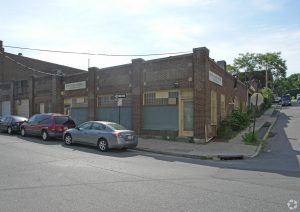
Special Permit and Site Plan approvals are being sought for The Sheffield, a proposed mixed-use development at 90-114 Westmoreland Avenue in White Plains. The project, represented by Cuddy & Feder Partner Bill Null, would bring 154 units of affordable housing along with 5,000 square feet of retail space to the neighborhood.
114 WESTMORELAND AVE
Located adjacent to the newly renovated Kittrell Park, the project site is currently occupied by one- and two-story warehouse buildings and parking. Plans call for a six-story residential building with a mix of studios, one-bedroom, and two-bedroom apartments, with rents set to be affordable to tenants earning between 60% and 80% of the Westchester Area Median Income (AMI).
“The Sheffield is an ideal location for an apartment building, particularly one focused on providing affordable housing in the City of White Plains,” said Bill Null. “This project advances the City’s vision to increase access to affordable housing near the downtown and train station, while also activating the pedestrian streetscape with new residents and neighborhood retail.”
The development is a collaboration among White Birch Development LLC, Marathon Development Group, and Lashins Development Corp., with architectural plans prepared by Warshauer Mellusi Warshauer Architects, P.C. The project includes 238 parking spaces and is designed to complement recent rezoning efforts intended to encourage residential growth in the Westmoreland Avenue area.
Hits: 301
The July 2025 unemployment rate for the Hudson Valley Region is 3.5 percent. That is up from 3.0 percent in June 2025 and down from 3.7 percent in July 2024. In July 2025, there were 43,500 unemployed in the region, up from 37,400 in June 2025 and down from 46,100 in July 2024. Year-over-year in July 2025, labor force decreased by 4,400 or 0.4 percent, to 1,236,100.
The Hudson Valley Region’s July 2025 unemployment rate (3.5 percent) is ranked second among the 10 labor market regions in New York State, trailing only the Capital Region (3.4 percent).
In July 2025, the lowest unemployment rate within the region (3.1 percent) was recorded in Putnam County.
Jobs data for August 2025 will be released on Thursday, September 18 and the labor force data will be released on Tuesday, September 23.
Private sector jobs in the Hudson Valley rose over the year by 11,400, or 1.4 percent, to 850,600 in July 2025.
Growth was centered in private education and health services (+6,300), leisure and hospitality (+3,000), professional and business services (+1,300), other services (+900), financial activities (+500), trade, transportation and utilities (+500) and manufacturing (+400).
Losses were greatest in mining, logging and construction (-800) and information (-700).
The region’s private sector job count reached 850,600 in July 2025 – its highest July employment count on record (dating back to 2000).
The over the year picture remained positive.
Seven sectors added jobs for the 12 months through July 2025 while just two lost jobs.
Private education and health services remained the region’s leading jobs generator. Year-over-year in July 2025, the sector grew by 2.8 percent, or 6,300 jobs to reach 229,700.
Private sector job growth was spread throughout most of the region. Year-over-year, Rockland County grew the fastest – up 2.1 percent. The second fastest growth was recorded in the Kingston MSA (+1.9 percent), followed by Sullivan County (+1.8 percent), Westchester County (+1.2 percent), the Kiryas Joel-Poughkeepsie-Newburgh MSA (+1.1 percent). Putnam County was unchanged over the period.
Hits: 294
|
|
Hits: 339
Enjoying this newsletter? Why not share it with a friend? REPRINTED WITH PERMISSION This week has a few things on deck worth your attention: the FDA is expected to change the Covid-19 vaccine label, cases of alpha-gal syndrome (the “tick that makes you allergic to steak”) are increasing, and Washington is shifting course on both chronic disease strategy and mRNA research. Also, where is bird flu? Welcome to another week in public health. Here’s what it means for you. But first, some announcements
Disease “weather” reportWe’re in the middle of a Covid-19 wave, with all indicators—from wastewater to hospitalizations and deaths—climbing. The pace isn’t as fast as last winter’s surge and levels remain below last summer’s wave, but the trend is clear. Wastewater data show “moderate” Covid activity in the West and South and “low” levels in the Northeast and Midwest, though rates are rising everywhere.
Covid-19 Wastewater Levels in the United States. Source: CDC NWSS; annotated by Your Local Epidemiologist Other viruses remain quiet for now. But with schools reopening and temperatures cooling, RSV typically starts climbing in September, followed by flu. Current levels are very low. What this means for you: If you want to avoid getting sick and/or missing back-to-school events and weddings, it’s time to mask in crowded indoor areas. I started while traveling because I just don’t have the time to get sick. Spotlight:The Lone Star Tick spreads alpha-gal syndrome in Central States East to the Atlantic, reaches New Jersey (see map).One health issue drawing increasing attention is alpha-gal syndrome, a tick-related allergy that’s been spiking on Google Trends.
Image: Alpha Gal Syndrome Google Trends over time The main culprit is the Lone Star tick, found mainly in the Southeast but steadily creeping northward as climate change and ecological shifts expand its territory. So how does a tick bite turn into a meat allergy? After feeding on mammal blood, the Lone Star tick carries a sugar molecule called alpha-gal in its gut. When it bites a person, trace amounts of that sugar slip into the body through its saliva. Because humans don’t naturally carry alpha-gal, our immune system may treat it as foreign and start making antibodies against it. Later, when that same person eats red meat or other mammal products, the immune system recognizes alpha-gal again—and can trigger an allergic reaction, often several hours after a meal.
Geographic distribution of suspected alpha-gal syndrome cases* per 1 million population per year—United States, 2017–2022. Source CDC. Recent CDC data suggest about 0.15% of Americans have been diagnosed, but that’s likely an underestimate. It’s very challenging to track this disease’s trends in real time because cases are not nationally notifiable. In other words, hospitals, doctors, and public health departments aren’t required to collect data. Local reports suggest cases are climbing fast: for example, Martha’s Vineyard Hospital—somewhere this used to be very rare—conducted 1,254 tests last year, with 523 positive—compared to just 2 positive tests (out of 9) in 2020.
The best protection against alpha-gal syndrome is the same as with Lyme disease: prevent tick bites in the first place. Expect a wave of Covid-19 vaccine news this weekFlu and RSV vaccines remain business as usual this fall: if you’re eligible, you should be able to get them without issue. Vaccinations should start in September. Covid-19 vaccines are another story. Federal policy shifts have left a vacuum, and multiple groups are stepping in to fill it. The key questions remain: Who qualifies? Where will vaccines be available? What’s covered by insurance? What’s not? There will be three key developments this week:
Expect discord. The Vaccine Integrity Project and professional organizations will almost certainly not align with RFK Jr.’s FDA license. This rarely happens, so it will cause confusion. What this means for you: Prepare for lots of headlines and mixed messages this week. I’ll return next week with a clear breakdown of what it all means for you. In the meantime, if you’re under 65 and not high risk, the window to get a Covid-19 vaccine is right now—before the FDA label changes. Once it happens, access will be limited immediately (if it isn’t already). Go here if you have more questions on why this process is a mess right now. And, as always, talk to your doctor or pharmacist for more guidance. Initial read of leaked MAHA draft strategy reportA few months ago, the Trump administration tapped RFK Jr. to develop a strategy to tackle chronic disease among kids in the U.S. Last week, RFK Jr.’s highly anticipated action plan was leaked. TL;DR: His plan is disappointing, but unsurprising, as it was more posture than policy to move the needle.
Bottom line: Unless the final report changes substantially, don’t expect transformation. The strategy is minor, performative, and at worst misleading—most notably in doubling down on the false claim that vaccines cause chronic disease. This soft-pedaling reflects growing tensions between MAHA and MAGA, where lobbying interests increasingly shape priorities instead of confronting root causes. Welcome to Washington, MAHA. In case you missed it: a reversal on mRNA researchRFK Jr. cut $500 million across 22 ongoing mRNA research grants—funding that was driving clinical trials for infectious disease vaccines, including bird flu. Trials for cancer and allergy treatments appear spared, which is a small win, but the overall loss is profound. This research was our front line for preparing against the next pandemic and seasonal viruses like influenza. The rationale? That mRNA vaccines don’t prevent all upper respiratory infections and that the risks outweigh the benefits. This is partially true—no vaccine prevents every single infection, especially against highly mutable viruses. But mRNA vaccines are no different from other vaccines in this regard, and the Covid-19 mRNA vaccines saved more than 3 million American lives during the pandemic. This is what makes the cut both fascinating and disappointing: it marks a stunning reversal from President Trump’s Operation Warp Speed—a rare, bipartisan moonshot that fast-tracked mRNA vaccines and stands as one of the most effective public health investments in U.S. history. Why it matters:
What this means for you: These cuts won’t affect existing Covid-19 mRNA vaccines. Those are still being made and will be available to some people this fall. But this will mean fewer options for future threats and stalled progress on next-generation vaccines. Question grab bag“Why haven’t I heard about bird flu lately?” Because the virus has been relatively quiet. There are a few hypotheses for the lull:
It’s also true that federal testing for humans has been scaled back, but a severe case would be very hard to miss since states and local health departments manage those. The U.S. has recorded only three cases of H5N1 in humans this year—compared with 67 in 2024. What we do know: The virus hasn’t disappeared. USDA continues to randomly find bird flu in wild animals, including a rabbit in Arizona last month. Also, Spain reported a large bird culling (6,895 turkeys), a reminder that the virus is still circulating globally. Epidemiologists have also seen cases in South American countries where the birds have migrated. Those birds will come back north, and time will tell what happens. The risk to the general public still remains very low. Bottom lineWishing you strength amid this week’s headlines. Dodge the viruses (and ticks), and we’ll be back soon with more clarity. Love, YLE |
||||||||||||||||||


