Hits: 164

Hits: 164
Hits: 227
Link to Youtube for 2-14 wpw: https://youtu.be/bJ6XObS650Y

Hits: 189
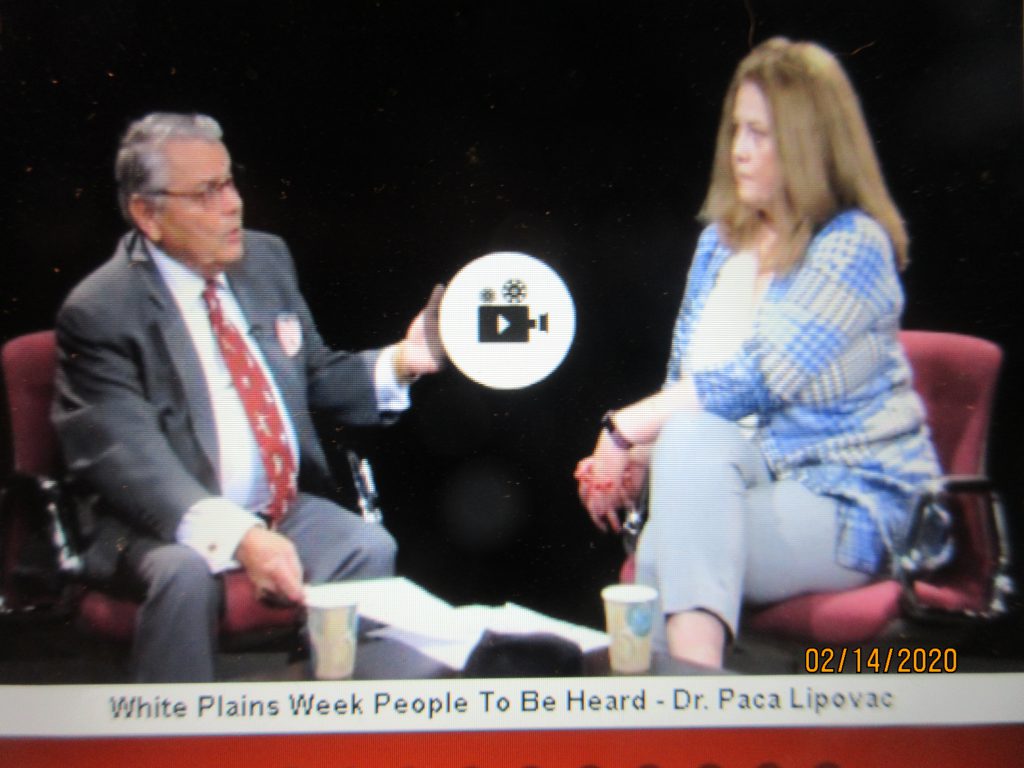
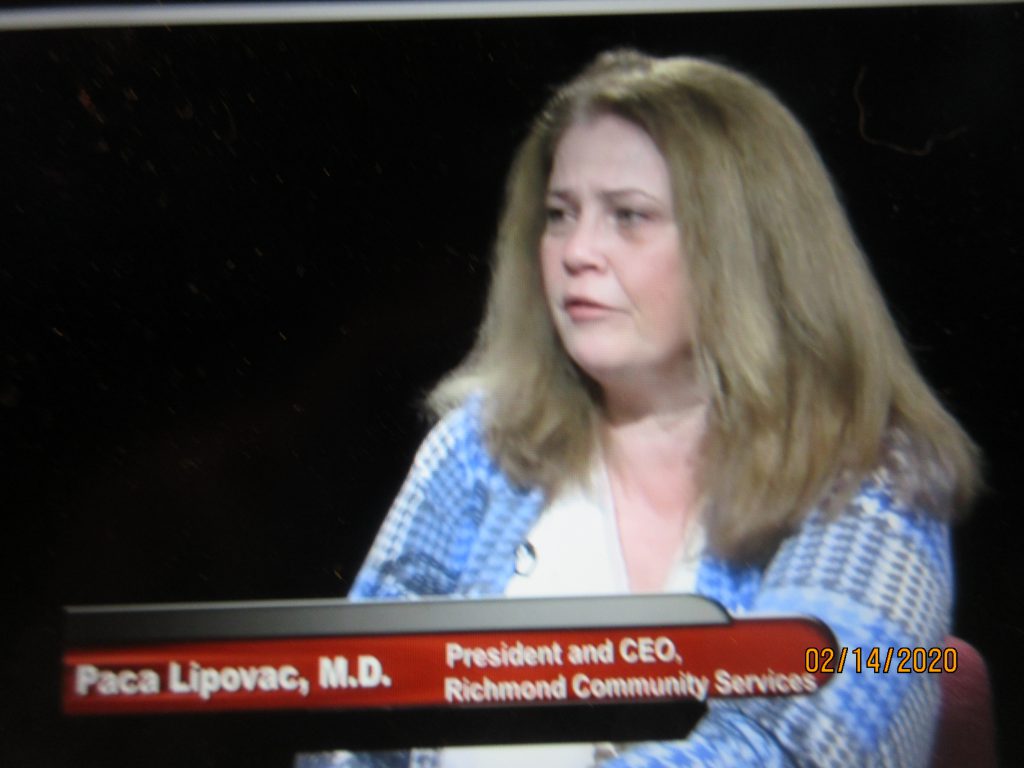
THE FUNDING CRISIS AT OFFICE FOR PERSONS WITH DISABILITIES AND CUTTING MEDICAID FOR THE DISABLED
THE FAILURE TO PAY CAREGIVERS A SALARY TO SUPPORT A FAMILY
THE GROUP HOME CRISIS
PARENTS UNABLE TO CARE FOR THEIR ADULT DISABLED CHILD
HOW MEDICAID CUTS WOULD AFFECT PERSONS WITH DISABILITIES
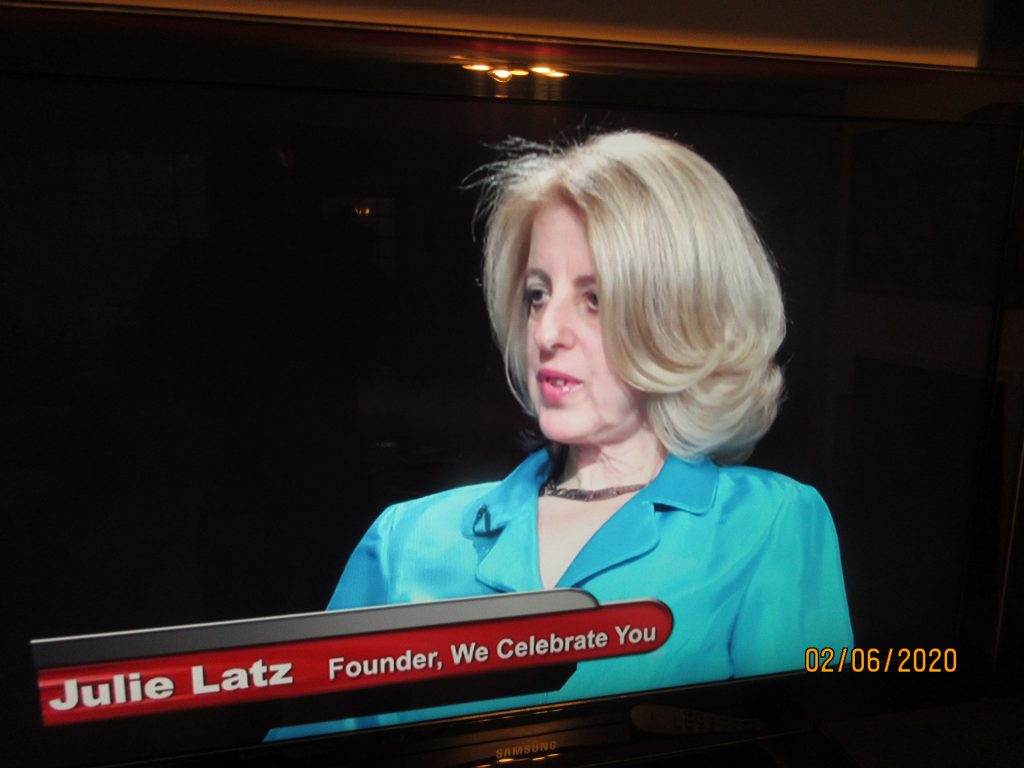
SATURDAY NIGHT ON “PEOPLE TO BE HEARD” CH 45 FIOS WESTCHESTER-WIDE AND IN WHITE PLAINS CABLEVISION CH. 76 AND RIGHT NOW AT www.wpcommunitymedia.org
Hits: 146
WPCNR WHITE PLAINS LAW JOURNAL. By John F. Bailey. February 13, 2020 updated 4:50 PM EST:
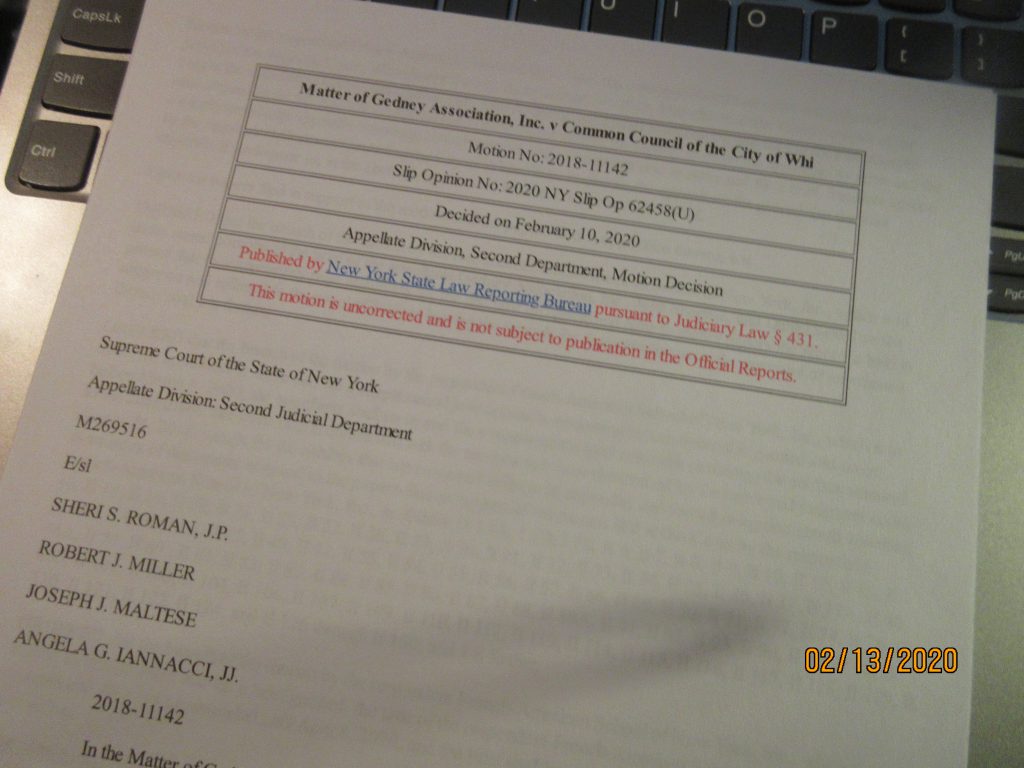
The Appellate Divison, Second Department Ruled Tuesday it would hear the Gedney Association of White Plains vs. French American School of New York, and dismissed the City of White Plains Common Council motion to dismiss the appeal on the ground that the joint appendix is inadequate (did not contain the complete record) because White Plains did not comply with the Electronic Filing Rules of the Appellate Division.
The court ruled the FASNY motion to dismiss the Gedney Association, Daniel Seidel, Claudia Jaffee appeal filed August, 2018, “on the grounds they improperly raise arguments for the first time on appeal and refer to matter dehors, (Editor’s note: matter dehors refers to something outside the scope of or not included in the agreement or records involved). The records may be a trial record, contract, will, or other matter. The record is held in abeyance and referred to the panel of Justices hearing the appeals for determination upon the argument ” (to be scheduled).
The court ruled that the Gedney Association and Daniel Seidel must “serve and file a supplemental joint appendix containing certain material is granted and must be filed by March 9.
The French American School of New York and the City of White Plains were given time to file a respondent briefs by April 8.
After the Gedney Association papers are delivered to the court, and the FASNY and White Plains brief are in, the appeal will seek a court date. Estimates are the case may not come up for as long as two years.
Hits: 219
WPCNR MILESTONES. By John F. Bailey. From the WPCNR Archives. February 12, 2020:
Today marks the birthday of Abraham Lincoln, whose Presidential performance during the Civil War (1861-1865) was perhaps the most admirable of any American President.
When I strode through the official “White House of the Confederacy” in Richmond, Virginia sometime ago, where President Lincoln met generals. I felt his giant shadow over the decades.
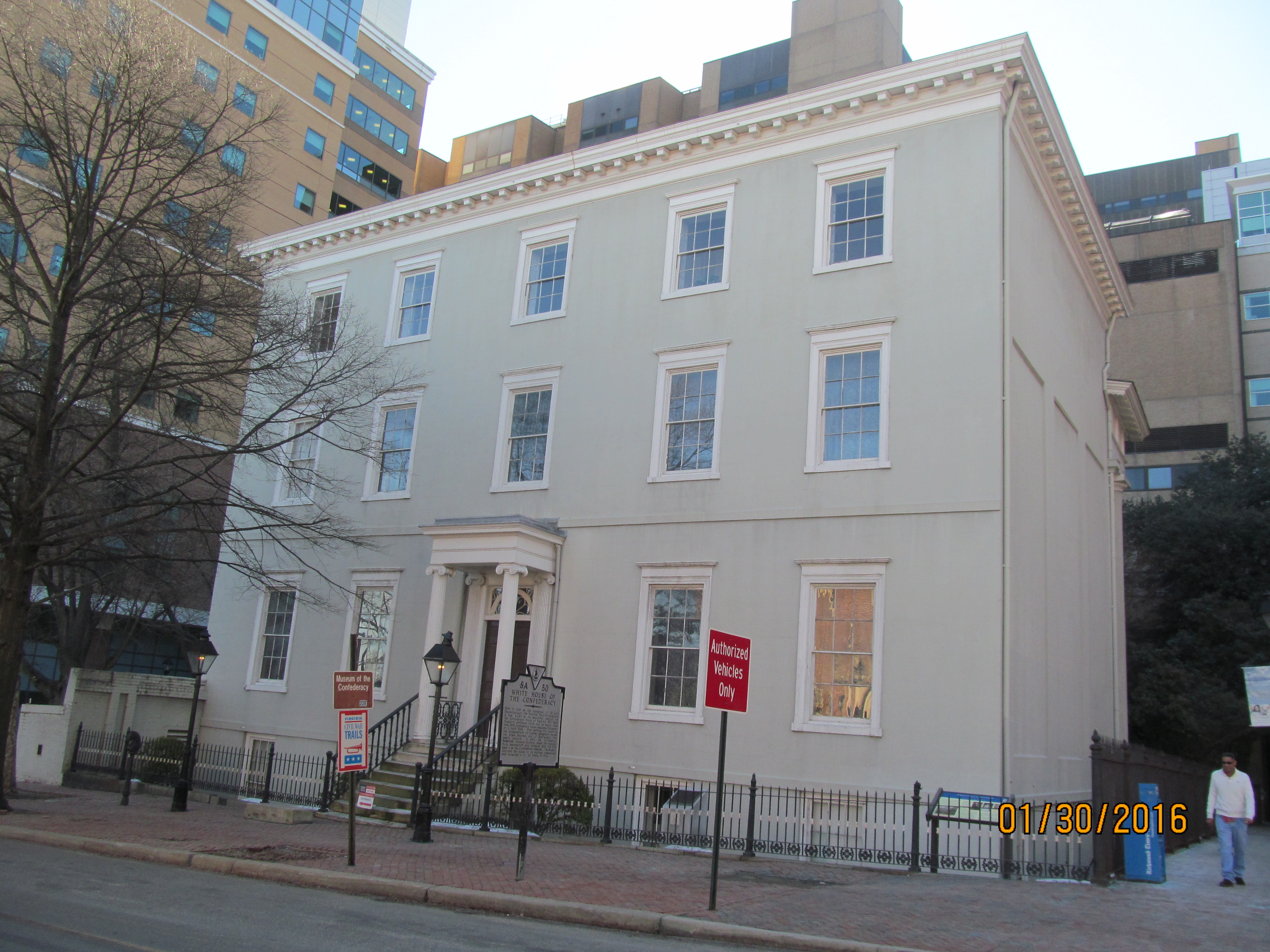
The “White House of the Confederacy,” Richmond, Virginia.
President Abraham Lincoln met with one of his Generals in the Library (lighted window)within hours after Union troops had secured Richmond.
In being in that room, I was awestruck by the spirit of the President and the spirits of the Confederate opposition that discussed strategy with Jefferson Davis the President of the Confederacy in the room on the second floor…a conference room:
Lee, Jackson, the Confederate Generals. That room is on the second floor of this house. The ghosts in this historic home speak to us today.
Lincoln had to create things as he went, dealing with a complex political issue: slavery, while deciding to fight a war to preserve a divided nation.

How did Abraham Lincoln handle pressure and political opportunists?
He did not have press agents and spinmasters and talk show hosts and superior punditry critiquing his every move and loading him up with advice.
Though he did have the “crusading editors” and “editorial boards” of his day. Let’s take a look at the Big Guy from Illinois
In the days of Lincoln, media coverage was simply print media. However, the amount of reporting on the burning issues of the day was far more detailed than today with dozens of newspapers presenting the chronicles of burning issues. People read. For Lincoln’s presidency was the presidency of the nation’s greatest crisis in its eighty-five year history (until World War II, 9/11, and perhaps, now:
The Civil War.
It is interesting to note how President Lincoln conducted himself in dealing with America’s interests, its factions, pulling him to free the slaves.
When Lincoln was running for the Presidency in 1860 at the Republican Convention in riproaring Chicago, he was up against James Seward, a powerful New York politician.
However, the western states at the time were highly distrustful of the New York political machine. (Has anything really changed? They are still distrustful today!)
Lincoln won over support by taking a position of what was good for the nation as a whole.
Taking a Position and Working To it
Lincoln first gave notice of his potential for the Presidency when he impressed Horace Greeley, influential editor of the New York Tribune with a fiery speech at the Cooper Union (still standing today) in February, 1860, delivering a sharp criticism of the South, hard on the heels of South Carolina’s secession from the Union. The speech included these words,
You say you will not abide the election of a Republican President. In that supposed event, you say, you will destroy the Union; and then, you say, the great crime of having destroyed it will be upon us! (The northern states) That is cool. A highwayman holds a pistol to my ear, and mutters through his teeth, “Stand and deliver, or I shall kill you, and then you will be a murderer!”
Greeley printed the speech in his Tribune the next day, scooping the other New York papers, by simply asking Lincoln for a copy of the speech. The subsequent printing in the popular Trib, sent Mr. Lincoln on his way. As William Harlan Hale’s biography of Mr. Greeley (Horace Greeley: Voice of the People)describes the scene at “The original Trib’s” offices, as remembered by Amos Cummings, a young proofreader:
Amos Cummings, then a young proofreader, remembered the lanky westerner appearing over his shoulder amid the noise of the pressroom late at midnight, drawing up a chair, adjusting his spectacles, and in the glare of the gaslight reading each galley (of the Cooper Union speech) with scrupulous care and then rechecking his corrections, oblivious to his surroundings.
A Comeback President
Lincoln had been a highly successful politician from Illinois in the 1830s and 1840s. He was three times elected to the state legislature, and The Kunhardts’ The American Presidency reports he was —
“a recognized expert at forming coalitions…he learned how to keep secrets, how to trade favors, how to use the press to his advantage. And he cultivated his relationship with the party hierarchy.”
Graff’s book writes that Lincoln was described as “ruthless,” that he “handled men remotely like pieces on a chessboard.” Humor and frankness were character traits.
Lincoln was elected a congressman, only to serve just one term.
Lincoln had been practicing corporate law privately and had lost interest in politics by 1854, until the repeal of The Missouri Compromise, which had restricted slavery to the southern states.
Lincoln felt stirred to come back. He spoke out against the spread of slavery, running for the senate in 1858 against William Douglas, unsuccessfully.
Saving the Union His Mantra
As the furor over slavery and the South’s threats to secede grew, a crisis of spirit and purpose in this nation (which, in my opinion, make today’s concerns about terrorism as a threat to America, pale in comparison, Lincoln realized that the Union was the larger issue.
He expressed this in response to Horace Greeley, editor of the New York Tribune, an influential figure at the Republican (Whig) Convention in Chicago in 1860.
Greeley was the kingmaker at the 1860 Chicago convention who eventually swung the western states for Lincoln, giving the man from Illinois the nomination on the third ballot over William Seward, the candidate of the Thurlow Weed “New York Machine.”
Greeley tried to influence the President-Elect to free the slaves. (Lincoln was being lobbied by the still-powerful Weed-Seward faction to compromise with the southern states on the issue of slavery).
Standing Tall Against Pressure.
Lincoln refused to free the slaves as one of the first acts of his presidency, standing firm to hold the union together, when he announced his attention not to do so, on his way to Washington after being elected. His words in this time of international tension, are worth remembering Lincoln said:
I have often inquired of myself what great principle or idea it was that kept this Confederacy (the Union, he means), so long together. It was not the mere matter of separation of the colonies from the motherland, but that sentiment in the Declaration of Independence which gave liberty not alone to the single people of this country, but hope to all the world, for all future time. It was that which gave promise that in due time the weights would be lifted from the shoulders of all men, and that all should have an equal chance.
Today, I teared up when I read this again. I tear up for the short-sighted, the selfish, the hollow souls who have profited from life in America, and now wish to keep suffering immigrants out. They support jailing children. How can anyone do that? I reject this fear that has been used as a weapon. What do you think Lincoln would say?
Seeing the Big Picture.
After Fort Sumter was fired upon, Lincoln was pressured harder to free the slaves. Still, Lincoln held firm. Mr. Greeley published a blistering open letter to the President, he called “The Letter of Twenty Millions,” meaning his readers (slightly exaggerated)in The New York Tribune.
Greeley’s letter took the President to task for not freeing the slaves now that the Civil War was on, writing, “all attempts to put down the rebellion and at the same time uphold its inciting cause are preposterous and futile.”
President Lincoln responded with an open letter which Greeley published in The Tribune. President Lincoln’s letter is instructive as to how a President moves in crisis, when a nation is ripped apart to calm and state his position. He begins with a conciliatory tone, calming Greeley’s bombast:
…If there be perceptible in it (Greeley’s letter) an impatient and dictatorial tone, I waive it in deference to an old friend whose heart I have always supposed to be right.
As to the policy I “seem to be pursuing,” as you say, I have not meant to leave any one in doubt. I would save the Union. I would save it in the shortest way under the Constitution.
The sooner the national authority can be restored the nearer the Union will be – the Union as it was.
If there be those who would not save the Union unless they could at the same time save slavery, I do not agree with them.
If there be those who would not save the Union unless they could at the same time destroy slavery, I do not agree with them.
If I could save the Union without freeing any slaves, I would do it – if I could save it by freeing all the slaves, I would do it – and if I could do it by freeing some and leaving others alone, I would also do that.
What I do about slavery and the colored race, I do because I believe it helps to save this Union, and what I forbear, I forbear because I do not believe it would help to save the Union.
I shall do less whenever I shall believe what I am doing hurts the cause, and I shall do more whenever I believe doing more will help the cause.
I shall try to correct errors when shown to be errors, and I shall adopt new views so fast as they shall appear to be new views.
I have here stated my purpose according to my views of official duty, and I intend no modification of my oft-expressed personal wish that all men everywhere could be free, Yours
A. Lincoln
(Editor’s Note:That is Presidential! It leaves no doubt as to who is in charge and who is responsible and why. How refreshing!)
Wearied by War
Horace Greeley described the toll the Civil War had taken on Mr. Lincoln, seeing him in person shortly before General Robert E. Lee surrendered. Greeley wrote:
Lincoln’s face had nothing in it of the sunny, gladsome countenance he first brought from Illinois. It is now a face haggard with care and seamed with thought and trouble…tempest-tossed and weatherbeaten, as if he were some tough old mariner who had for years been beating up against the wind and tide, unable to make his port or find safe anchorage…The sunset of life was plainly looking out of his kindly eyes.
He was the greatest President of them all.
Hits: 922

WPCNR COMMON COUNCIL CHRONICLE-EXAMINER. February 10, 2019:
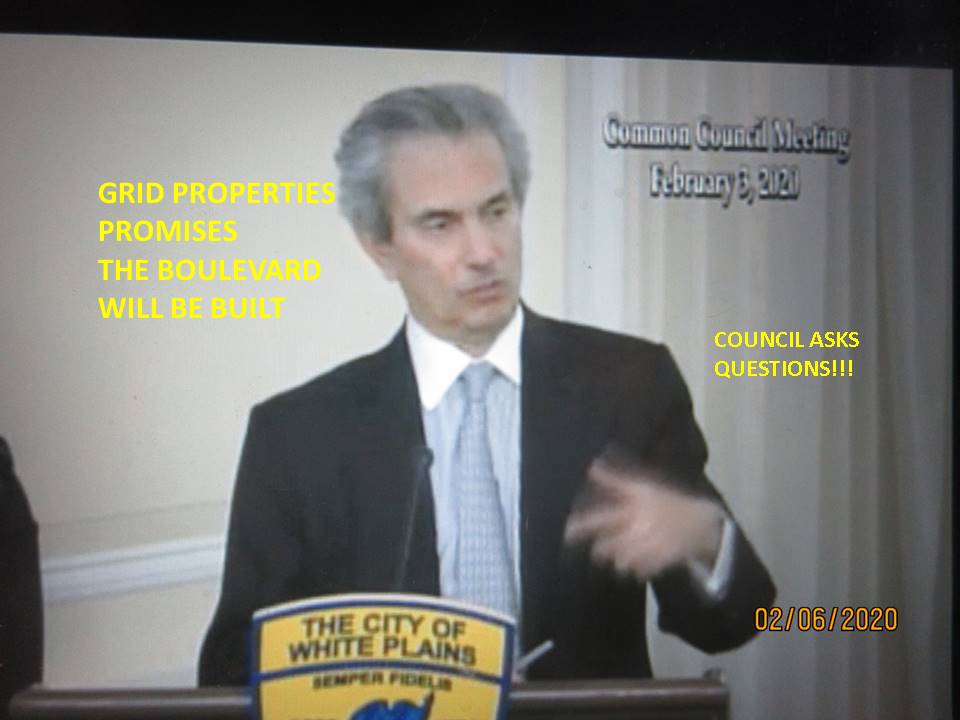
Drew Greenwald, Principal of Grid Properties the owner firm of the former Sholz and Lincoln Mercury properties located between Maple Avenue and West Post Road appeared at the Common Council meeting last Monday night to apply for an extension of the Grid Properties site plan for The Boulevard complex shown above. Mr. Greenwald explained why the project had not been started (reluctant retail market), inability to come to terms with a major tenant though he said the company was close to signing. At the close, the Common Council approved the site plan extension.
Hits: 270
WPCNR THE FEINER REPORT. By Greenburgh Town Supervisor Paul Feiner February 10, 2020:
(Editor’s Note: the cruise ship discussed in this article by Mr. Feiner is not the cruise ship, the Diamond Princess, currently quarantined in Yokohama, Japan. It is with regret, WPCNR notes that Japan authorities confirmed today that 130 persons of 3,700 passengers and crew on the Diamond Princess have caught the virus, doubling the number fallen ill on that ship.)
The Coronovirus has impacted members of our Greenburgh community in different ways.
There is a large Chinese population in Greenburgh. And some worry about discrimination against the Chinese community. We must not tolerate any racial discrimination. If any resident is victimized – please advise so we can forward the complaints to the Human Rights Committee and to other authorities..
As far as I know, so far no resident of Greenburgh who is part of the Chinese community has experienced any direct discrimination because of the virus. If that changes or if you know of any incident please advise.
Some residents of Greenburgh have family in Wuhan. They are anxious and stressed out – receiving bad news from people they know or someone who passed away or got critically ill. It’s a difficult time for the Chinese/Greenbugh community. It’s my hope that all Greenburgh residents will be understanding and help our Chinese neighbors during this difficult time.
CORONOVIRUS IS IMPACTING A FAMILY CRUISE FOR ONE GREENBURGH RESIDENT- WHO CAN’T DOCK AT ANY PORT IN ASIA
Earlier this week Glenn Eisen, a former member of the Greenburgh Ethics Board and a an instructor of Tai Chi for Balance and Minimizing Fall Risks at AF Veteran Park in Greenburgh, celebrated his 80th birthday. He and his wife, Barbara McNear decided to take a cruise on the Westerdam on the South China sea– a place he visited in 1960 when in the army on a Navy troop ship. Their cruise highlights the impact that the coronavirus has had on travelers.
I have been in touch with Glenn many times since he left for vacation. This is the most recent update.
The ship left from Hong Kong for different ports. Because of the coronavirus problems he and other passengers have been frustrated because they haven’t been allowed to dock in other ports. They haven’t been able to visit the Phillipines, Taiwan, Korea and Japan. As they approach each country the Captain told them the country decided to not allow them to dock.
And the cruise line (Holland American) hasn’t provided them with much info. For example, he learned that Guam denied the ship docking privileges through an article in the LA TImes. The Captain implies that they are exploring ports but refuses to name them.
One issue concerns passengers who were in China in the past 30 days, most places won’t allow them in the country. For the first time since February 1, yesterday all passengers and crew passports were collected and a questionnaire required with questions about Hong Kong, Macau and mainland China. The cruise line today(Monday) told passengers that an unnamed country may grant the passengers permission to dock and get off the ship –possibly as early as Monday. But as of this morning there was no final destination.
Cruise members feel that if they had not stopped in Hong Kong on February 1 they would not be in this mess They have been promised future cruise credits plus refunds of fares. But those who had additional air fares and hotel accommodations prior or after the cruise are worried that they will come out behind. The service crew in the food, beverages and staterooms continue to be very helpful and supportive. They don’t demonstrate any outward frustrations. They deserve great credit for an outstanding job
The captain reassured everyone that the ship was not in quarantine and that no one on board has coronavirus symptoms. He said that that Holland America is working with the US government, including the Navy and Dutch government to find an appropriate port for the ship to dock.
Hits: 131
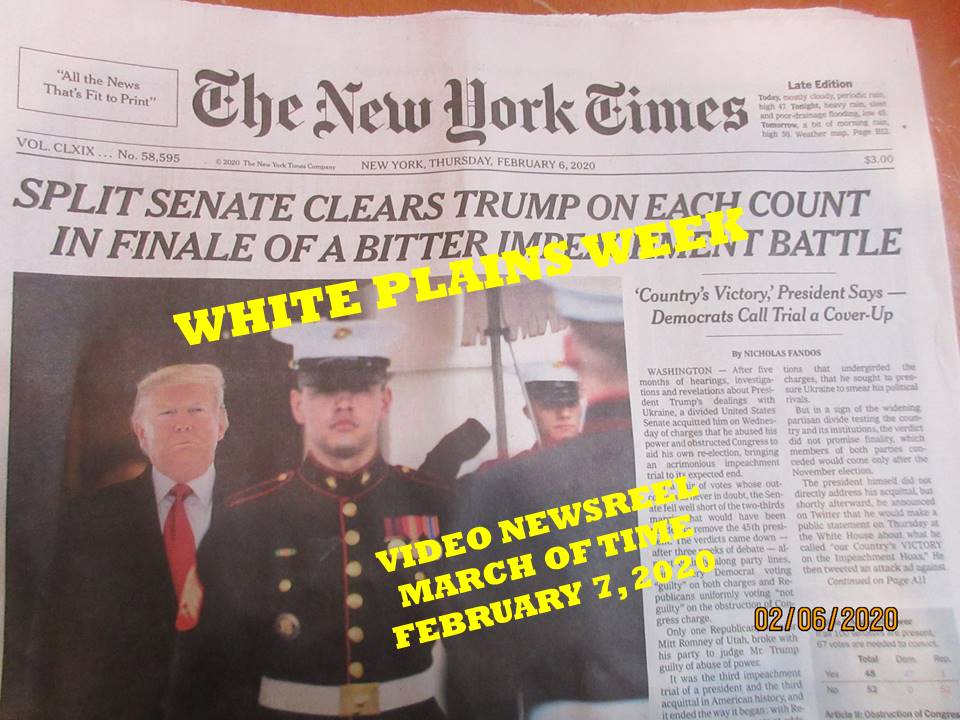
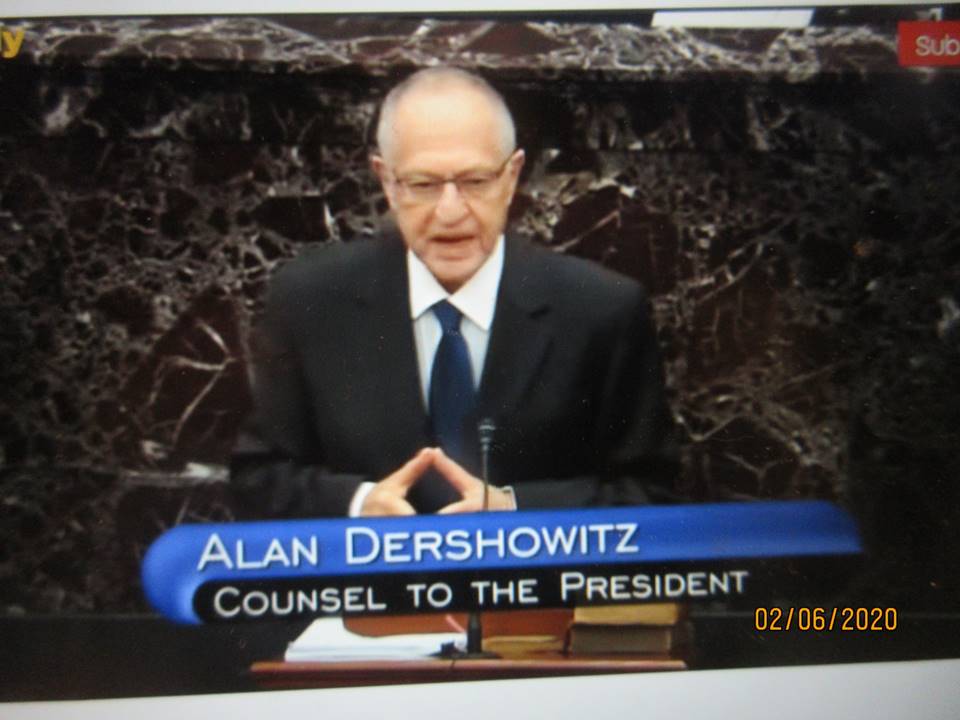
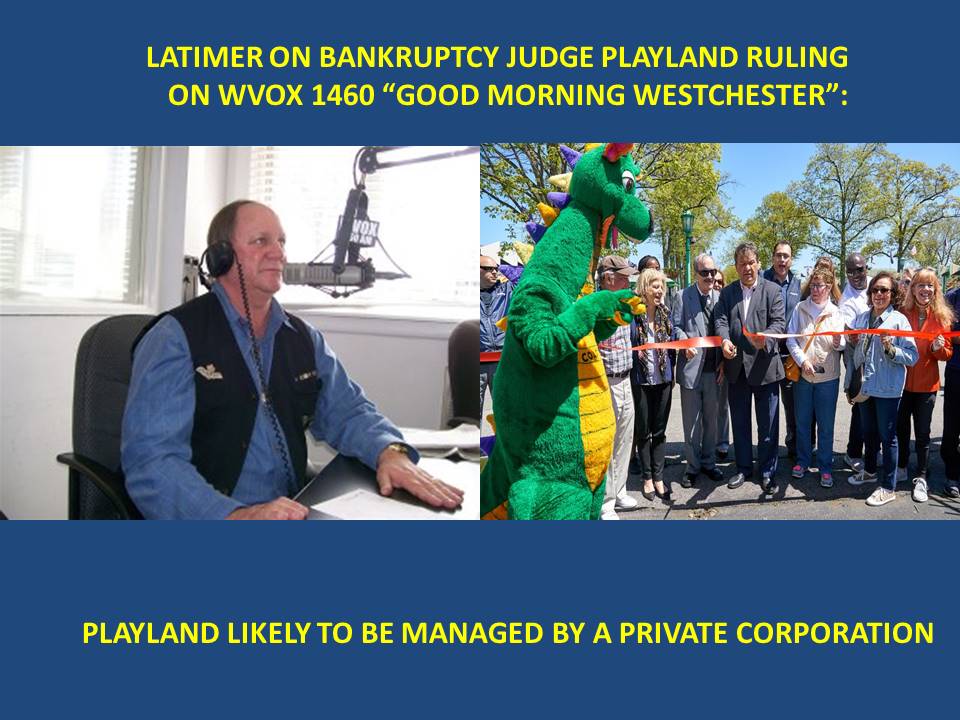
WPW for 2-7 on youtube — https://youtu.be/kDVlZLwGu-c
Hits: 150
Hits: 151
| WPCNR THE LETTER TICKER. February 6, 2020: In a letter to New York City Mayor Bill de Blasio, Bronx elected officials joined Borough President Ruben Diaz Jr. and City Council Member Mark Gjonaj to urge city agencies to provide more resources to ease the transition for Puerto Ricans relocating to New York City following the earthquakes that hit the island in early January. “The people of Puerto Rico are filled with anxiety and fearful of what lies ahead for their island,” states the letter. “Their relocation process should be streamlined to provide them with the emotional, spiritual and mental health care that they need as well as the basic resources that are needed to live in our city.” The letter was signed by 27 other city, state and federal elected officials from The Bronx. The letter notes that Puerto Rico has faced multiple natural disasters in the past few years, and that in many ways the island has not yet recovered from the devastation of Hurricane Maria in 2017. Borough President Diaz was able to see the devastation caused by the earthquakes firsthand during a recent trip to the island with New York Governor Andrew Cuomo in January. “The situation is still dire in Puerto Rico and this issue is not occurring in a vacuum,” said Bronx Borough President Ruben Diaz Jr. “There are more than 176 thousand people born in Puerto Rico who currently reside in our city and we are expecting that number to rise with these latest catastrophic incidents. We need to be ready to accommodate Puerto Ricans taking refuge in New York City and make it easy for them to thrive.” The borough president added that it is imperative that New York City agencies move quickly to counteract the negative affect of the Trump administration dragging its feet to help the more than three million Americans that call Puerto Rico their home. “As a city, we must act immediately to help the people of Puerto Rico as they cope with the aftermath of a series of recent natural disasters. New York City and Puerto Rico share a special relationship and it is our moral obligation to stand with and support our fellow Americans as they begin the long and difficult journey of recovery and rebuilding,” said Council Member Mark Gjonaj. Read the full letter here: https://on.nyc.gov/3bhpTVN “The Trump Administration has failed the people of Puerto Rico time and again. New York and Puerto Rico have a strong relationship, especially here in the Bronx, and as such we believe the City is uniquely equipped to help. We can and must do better for our fellow citizens from Puerto Rico and I will continue to stand with them during this difficult time. My thanks to Borough President Diaz Jr. for his commitment and partnership on this critical issue,” said Congressman Eliot L. Engel. “While the current administration continues to show their lack of compassion for our fellow citizens in Puerto Rico throughout numerous natural disasters, New York has continued to welcome displaced people with open arms. I am proud to join my colleagues in this request to provide supportive services to those people who are coming to our great city from Puerto Rico due to the recent earthquakes,” said Assembly Member Jeffrey Dinowitz. “Even as Puerto Rico attempts to rebuild and recover from Hurricane Maria, this recent string of earthquakes has created even more devastation for the thousands of residents who have been left without shelter and forced out of their homes. New York City must stand by our brothers and sisters by opening our doors to those seeking refuge and assisting in this difficult transition. Our City agencies have the power to expedite this process by streamlining access to essential services like healthcare and basic resources that will not only help in their recovery, but allow them to thrive and continue to have fulfilling lives,” said State Senator Jose M. Serrano. “The recent earthquakes have reminded us that Puerto Rico remains vulnerable to natural disasters – and that we must do all that we can to help our brothers and sisters on the island. The support of our city in creating a streamlined relocation process that helps these people gain access to municipal resources, as well as navigating any FEMA benefits they are entitled to as disaster survivors, would be a crucial step in helping those that have been displaced,” said Council Member Diana Ayala. “We must live up to the spirit that has always defined who we are as New Yorkers and mobilize our collective efforts to ensure the people of Puerto Rico who have been displaced from their homes have the support and resources to live and thrive here,” said Council Member Andrew Cohen. “Our city has shown great leadership assisting with ongoing earthquake relief and recovery efforts in Puerto Rico in the wake of recent tragedies, but we need to do more to provide for Puerto Ricans seeking refuge in New York City and support them with the full strength of our community as they navigate this difficult transition and rebuild their lives.” “As many of our brothers and sisters in Puerto Rico are still without power and reeling from the devastating effects of the earthquakes, we must continue to offer support in our neighborhoods and at City Hall to Puerto Ricans relocating to New York City. I am proud to join with all of my colleagues in government in calling on the administration to provide greater protections and resources for our neighbors relocating to the City of New York,” said Council Member Vanessa L. Gibson. “We are calling for urgent action to help the people of Puerto Rico who have endured unmeasurable devastation, financially, mentally, emotionally and health wise. Puerto Rico is an Island that many New Yorkers love, to visit families! Many benefit from the natural resources and beauty of the Island. And so with this is mind, it is time for the Administration to face the reality that you just can’t enjoy the best of what’s to offer and at time of dire need, such as now, ignore the people! Unfortunately The Trump Administration is only working on stagnating the process! We must ALL COME TOGETHER to support the people of Puerto Rico and help those seeking refuge in New York City with the transition! Timing is critical!” said Council Member Andy King. |