Buying Into the Blood: The Dennis Alvarez-Hernandez Verdict

WPCNR WHITE PLAINS LAW JOURNAL. Commentary By S. Richard Blassberg, WPCNR Legal Affairs Correspondent. With Introduction by John F. Bailey. May 8, 2003: The jury spoke yesterday at the Westchester County Courthouse, handing up a verdict of Guilty on All 14 Counts in the matter of the capital punishment Murder Trial of Dennis Alvarez-Hernandez, finding him to have committed First Degree Murder in causing the deaths of Patricia Torres and two of her children.

The jury’s decision makes the death penalty an option for the twelve to sentence Mr. Alvarez-Hernandez to death after they begin deliberations on the sentence next Wednesday. The two summations offered Monday were in stark contrast, and clearly pointed to two paths the jury might have taken on their way to a decision. Herewith, WPCNR’s Legal Affairs Correspondent S. Richard Blassberg examines the summations to determine the jury’s path to judgment as he observed them take place in court Monday:


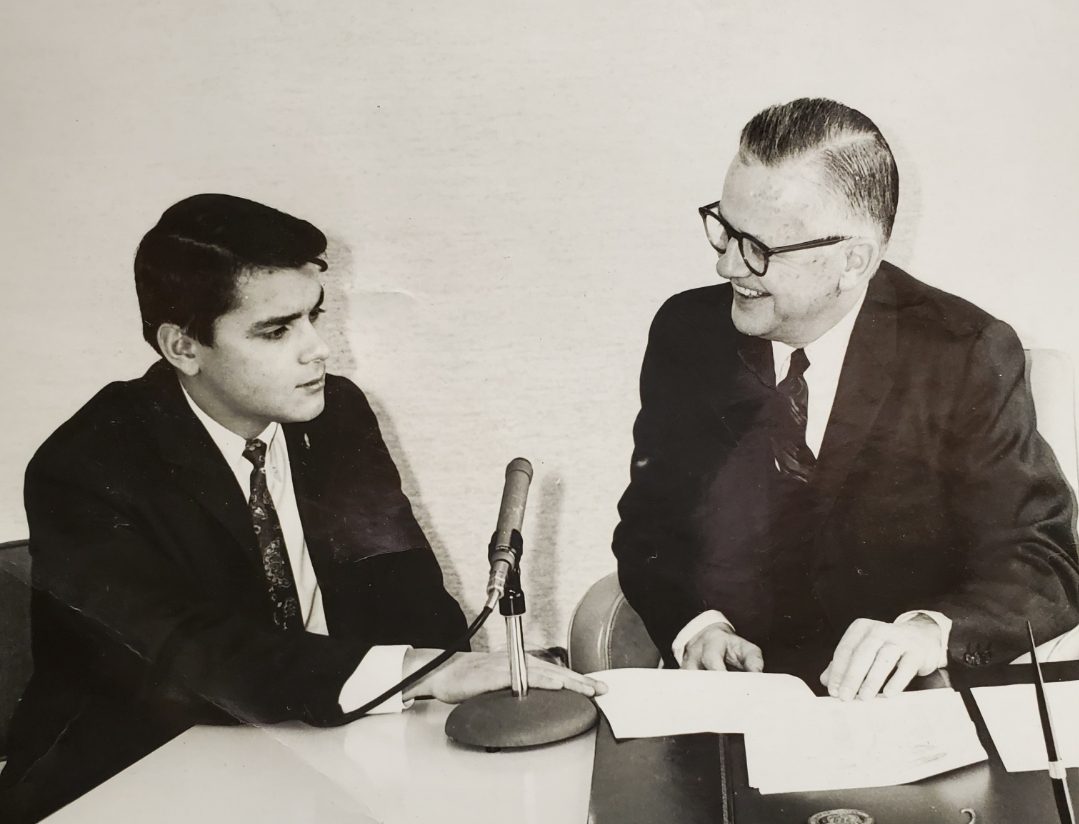
WPCNR LEGAL AFFAIRS CORRESPONDENT
S. RICHARD BLASSBERG
Photo by WPCNR News


It appeared in discussions with Mr. Blassberg, after the verdict, that of the two summations offered by Mr. Alvarez-Hernandez counsel and the Prosecution, and the highly explicit 2-hours of instructions Judge Kenneth Lange presented to the jury, that the jury reacted and responded and only saw the drama of the Prosecution’s relentless recreation of the crimes. They took less than 24 hours to come to their unanimous verdict. The early verdict concerned defense attorneys Spiegel and Aiello when they arrived for the verdict Wednesday.

Now Mr. Blassberg, picks up the court action:

The Final Arguments

In accordance with the Rules of Procedure in the State Court, the Defense presented its summation first. Defense counsel Robort Aiello delivered an account of the events which led up to the killings of Patricia Torres and two of her children, as well as the scenario by which they died.

Aiello commanded the rapt attention of each juror from the moment he opened by holding up enlarged photographs of each of the victims declaring, “Ladies and gentlemen, Dennis Alvarez-Hernandez did this, did this, and did this!” He held their intense interest thereafter for more than two hours in a presentation distinguished in its organization and brilliant in its common logic.

Appeal for Rational Analysis

Aiello gently appealed, “All any defendant can ask for is that you will be fair and impartial.” He went on, “His actions were the result of a blind rage, not planned or calculated.” He suggested that excessive alcohol consumption, instability, and impaired judgment all contributed to the tragedy. He quickly focused the jury’s attention declaring, “The only issue is: What was Dennis’ state of mind on September 3, 2003?” He urged that the conduct was not the result of some “grand scheme” but rather a blind rage fueled by excessive alcohol consumption.

Highly Irregular Objections by the Prosecution During Defense Summation.

At several points in Aiello’s presentation, prosecutor Bolen interrupted with objections, some of which he quickly withdrew. It appeared to this reporter, that the Prosecution was uncomfortable with the effectiveness of the Defense effort and was attempting to break their momentum. Nevertheless, Aiello went on calmly, if dramatically, reasoning that all of the evidence which had been presented in nearly four weeks of testimony was “completely consistent with a frenzied madness.”

Time of Death Critical

Aiello consistently kept the Defense argument that the killings took place around 2:30 A.M. in bold relief before the jurors, frequently referring to the statements of the Prosecution’s own expert witnesses as scientific proof. The time of occurrence had been a matter of great dispute throughout the trial, with the Prosecution claiming that the killings occurred around 6:30 A.M. The issue, of course, would speak to the level of the Defendant’s intoxication at the time of the killings given the fact that he had a .09 blood-alcohol reading when tested at 8:19 A.M. when taken to the hospital.

The Prosecution Steps Up the Pressure.

Following a break for lunch, it was Patricia Murphy’s turn to present the Prosecution’s version. In a presentation described by one highly qualified observer as “a litany of everything a prosecutor should not do in a summation,” Ms. Murphy declared “Patricia Torres, William Santiago and Ashley Dominguez were not just killed, they were slaughtered.” While conceding that alocohol fueled Dennis Alvarez-Hernandez’s rage, she insisted that it was his “urge to control his girlfriend that led him to kill her and two of her children.”

Murphy once again led the jury through the model of the apartment laid out before them throughout the trial. She reminded jurors to re-examine photographs of blood stained walls in an effort to establish the brutality of the Defendant’s acts. She did her very best to inflame and motivate the jurors, as had been the Prosecution’s approach from the start. She made an effort to rehabilitate the testimony of Detective William Craft as well as that of a neighborhood “pothead,” each of whom had been effectively discredited by Aiello earlier.

The Abused Woman Syndrome Invoked.

Describing the victim, Patricia Torres, Murphy observed, “She’s not the first woman who thought she could work things out with an angry drunk man.” This was an obvious reference intended to overcome Defense evidence that Dennis had tried to move away from Patricia, following a violent incident two months before the killings, but was prevailed upon by her, and brought back by her from Maryland.

Call for a Mistrial Based on the Prosecution’s Summation.

Tuesday morning, before the Judge’s charge was delivered, Defense attorney Spiegel moved for a mistrial based upon numerous improper and misleading statements which he went on to detail for the Court from the Prosecution’s summation. Many of Spiegel’s examples involved vouching, and violation of the Unsworn Witness Rule. Additionally, Spiegel was outraged by Ms. Murphy’s reference to the Defendant’s failure to tesitify, a very serious instance of prosecutorial misconduct.

After listening to prosecutor Bolen’s response, the judge denied Defense’s application.

The Judge’s Charge

Judge Kenneth Lange, who throughout the trial had taken great pain to be both even-handed and careful in the discharge of his duties, was not disappointing in any aspect of his charge.

Taking approximately two hours to inform carefully and fully the jurors of their responsibilities, and their options under the law, he went on to discuss thoroughly the necessary elements of each crime with which the Prosecution had charged the Defendant. He explained that in each instance, they would have to find that each and every element of a crime had been satisfied “beyond a reasonable doubt” if guilt were to be found.

Judge Lange had obviously taken great care in the preparation of his instructions and now took the time and effort to inform the jury fully. He was compelled to repeat the definitions and elements of each of the fourteen counts of the original indictment which involve First Degree Murder, Second Degree Intentional Murder, Attempted Murder and Attempted Assault. To all of the charged offenses he then proceeded to add six counts of Depraved Indifference Murder, an alternative finding, which more closely conforms to the Defense theory of the killings.

The Jury Decides

Upon completion of the charge, the jury retired Tuesday afternoon to consider their verdict, which they delivered Wednesday, rejecting the Defense theory, and finding the client guilty of murder in the First Degree.

Posted in Uncategorized

Who Will Be the Toast of the Town of City Center Theatre? 3 Impresarios Audition

WPCNR WHITE PLAINS STAGE DOOR. By John F. Bailey. May 8, 2003 UPDATED 1:00 A.M. E.D.T. May 9, 2003: City Hall has announced the three organizations, and as of Thursday, a fourth have submitted proposals to manage the new White Plains Performing Arts Centre, being built as part of the City Center theatre and retail complex in White Plains.

Benjamin Boykin, City Council President told WPCNR Thursday evening the council would be hearing presentations of all three candidates on May 19.

A fourth “walk-on” organization has just applied as of Thursday afternoon, which the Mayor’s Office may identify Friday, if Mr. Webb recommends adding the new walk-on to the mix.


A THEATRE RISES IN WHITE PLAINS: View of the section of the City Center where the White Plains Performing Arts Centre will be housed. Two organizations contending to run the theatre are nonprofit organizations based in White Plains, one with lengthy history of staging theatrical productions throughout the tri-state area, the other a new consortium of Broadway producers, performers, and the third is a professional theatre management firm based in Providence, Rhode Island with professionally successful arts centers in five diverse metropolitan areas. A fourth organization, City Hall reports, not yet identified may also be considered pending Duncan Webb’s update to the Mayor’s Office scheduled for Friday. George Gretsas clarified that approval of any organization could not come before June 2 at the earliest. The process of selection sequence is being determined.
Photo by WPCNR BACKSTAGE


GRETSAS: WE’RE WAITING FOR WEBB: On May 19, Duncan Webb, the city’s theatre consultant is expected to make a recommendation, now characterized by Mr. Gretsas as more of an “analysis” of what Mr. Webb has learned so far, of one or a combination of one of the three known applicants to respond to the Request for Proposals, according to George Gretsas, the Mayor’s Executive Officer, shown here at the April 29 groundbreaking for the City Center Renaissance Plaza Fountain. Webb’s recommendation is subject to approval of the Common Council, Gretsas made clear early Thursday. Benjamin Boykin, Common Council President said Thursday evening that the council would be hearing presentations from all three candidates on May 19. Gretsas confirmed the three organizations were going to be presenting in person on May 19 late Thursday evening.
Photo by WPCNR Stage Door


Thursday evening, Gretsas said the theatre is scheduled to open in October on schedule and expressed confidence there was ample time to book the theatre with attractive presentations starting in October. He said Duncan Webb would be updating the Mayor on his research and analysis on the three organizations so far Friday.

Three for the Show

Gretsas named the three already in the hunt as Professional Facilities Management, of Providence, R.I.; Centerpoint Stage, a nonprofit organization involving principals of three major entertainment organizations with a strong representation of New York and Westchester performers, producers, and impresarios, and Westco, the nonprofit theatre group with strong local contacts around the county that has staged productions across the county at local theatres, schools and hospitals for 23 years.

Gretsas expressed disappointment that more organizations had not applied, and attributed that to the economy in the area and the fact that the entertainment business has been suffering.

Gretsas told WPCNR that Duncan Webb, the city’s theatre consultant was currently reviewing the three proposals by the organizations.

Professional Facilities Management: Running the classic Providence Center for the Performing Arts

“PFM” is an established regional arts center operator, professionally adept at programming aimed at attracting the affluent arts aficionado. It manages four toney arts center facilities in upscale, demanding markets: Skokie, Illinois, north of Chicago; Fort Myers, and Coral Springs Florida. They also have managed the seasonal arts facilities in Lee, and Springfield, Massachussetts., and a small theatre just about the size of the planned City Centre theatre in Vail, Colorado.

The organization programs and manages the refurbished (in 2000) Providence Center for the Performing Arts, a grand old show palace of the ‘30s, which seats 3,200 persons. It presents opera, musicals, plays, orchestras, dance, and provides a vast number of community theatre and arts programs to the Providence area.

Providence is a working class city of 700,000 persons with an ethnic diversity similar to White Plains, populated with colleges and a surrounding suburban service area. “PCPA” caters to a sophisticated and arts-centered suburban citizenry, particular in the summer months, drawing from Newport’s summer colony to the South. This month they will present a national tour of Grease,, The Three Divas, Burt Bacharach and in June, Willie Nelson, to name a few of the PPCA acts.


LONG RUNS: Professional Facilities Management runs the North Shore Center for the Performing Arts in Skokie, Illinois, another upscale community that serves the sophisticated, wealthy North Side suburbs of Chicago: Arlington, Glenview, Evanston, and Arlington Heights. Here on the company website, www.pfmcorp.com, are some of the state-of-the-art facilities, PFM manages.
Photo by WPCNR Stage Door


The PFM group also caters to the sophisticated snowbird trade of Florida’s Golden Gulf Coast in Fort Myers, Florida, where PFM manages the Barbara Mann Performing Arts Hall, and the Coral Springs City Centre in Coral Springs, which plays to the eclectic tastes of the clientele frequenting the “American Riviera”of Palm Beach, West Palm Beach, Boca Raton, DelRay Beach and Fort Lauderdale.

Providence Group Proposes to do “Programming only.”

WCNR interviewed Norbert Mungeon, Vice President of Professional Facilities Management recently, and Mr. Mungeon told me that PFM did not submit a proposal to manage the City Centre theatre on a day-to-day basis. He said they proposed to “program” the facility for a management firm selected by the city.

Experience Programming a “small” community Arts Center.

Mungeon said that Mr. Webb, the city’s consultant, was familiar with PFM, and suggested PFM put in a proposal to execute the programming. Mudgeon said a 425-seat theatre like the City Centre facility under construction “is difficult to make work,” however, his firm is the programmer for the Vilar Center, a seasonal 500-seat house, near Vail, Colorado, where they have attracted 60 events per year to that facility the last four years at a profit for that facility. Mungeon added that the 60 events include a mix of “local artists and groups” to indicate the firm’s familiarity with White Plains’ needs.

Mungeon explained how the firm consults with facilities they program, listens to “what they would like,” and constructs a schedule according to community needs.

PFM services Would Fit In with Two Local Impresarios

The PFM group could conceivably work with either of the two local groups that have stepped forward to manage the “White Plains City Centre for the Performing Arts” and would book national and touring acts from opera, to musicals, to dance, to orchestras, which they do regularly for their five facilities. The other two would-be theatre management companies do not have programming facilities in place, though both report they are able to program based on their contacts in the theatre business.

The Professional Facilities Management strength is a reputation, and active, effective presence in the programming arena, and credibility. Mungeon said he expected to take his programming need ques from the management selected for the “WPPAC,” White Plains Performing Arts Centre, and felt, with his company’s roster of performers, that it was possible to program the Centre for a start-up when it was still possible to schedule and open towards the end of this year.

Westco Productions of White Plains: Local Thespians for 23 Years.

Westco Productions is White Plains’ own nonprofit theatre troup, founded by Susan Katz in 1979. Ms. Katz has been operating the troup, employing professional actors to preach and present the theatre arts to Westchester and surrounding counties for 23 years. The group presents regular commercial productions, attracting audiences of 35,000 persons a year around the Westchester County area, and is perhaps best known for its children’s theater presented in hospitals, theatres and White Plains own “The Roch,” the Rochambeau School.

Westco is always “on,” somewhere in the Westchester County community around the area, adapting children’s classics and classic productions for the stage. Over the recent Passover and Easter vacations, the group presented “The Adventures of Peter Cottontail,” for example. Westco performs regular commercial productions, pulling in audiences of about 35,000 persons per year to their shows. More about WESTCO is available on their website at www.westcoprods.com.


SUSAN KATZ OF WESTCO IN A FAMILIAR ROLE: Ms. Katz has extensive professional knowledge and technical commercial expertise in both the commercial and amateur theatre circles, acquired through her relationships with arts and performing groups locally, and nationally, as they have evolved over the last quarter century. She is a former actress, director and producer in the musical theatre. She was the National Tour Manager for Godspell before beginning Westco in 1979.
Photo, Courtesy of Peter Katz


Katz said she would program the WPPAC using two professional talent agencies based in New York and local groups, in line with guidance from the “Friends of the White Plains Centre for the Performing Arts.”

The Mayor’s proposal for the management of the theatre, as presented by the consultant, Duncan Webb in January was to have the financing handled by a group of community leaders and the programming direction of the theatre supervised by a voluntary board of citizens from the community, corporations and arts personalities from White Plains and Westchester County. That committee, WPCNR was told, has not been selected as of one week ago.

Westco Awaits Their Cue.

From a financing standpoint, Ms. Katz is expecting capital for the booking of acts and hiring of theatre staff to be raised by the “Friends of the White Plains Centre for the Performing Arts,” this consortium of community and corporate elite is expected to be formed by Mayor Joseph Delfino. If necessary, Ms. Katz said she is in position to fundraise on her own. Currently, she said, 70% of Westco endowment comes from direct sales, 30% is fundraising. In 2002, the organization’s 990 form, required to be filed by the IRS reported revenues of $312,088.

The Mayor’s Office reports members of this committee have yet to be selected, and fundraising to capitalize the theatre has not begun.

Ms. Katz said that programming could begin to be explored and booked when official, realistic “opening” dates for the theatre are set, community needs spelled out, technical specifications detailed, and programming mix and funding budgets outlined by the city committee.

Centerpoint Stage Created to Run the Centre

The third actor upon the White Plains Performing Arts Centre mythical stage is Jonathan Mann, Executive Director of Centerpoint Stage. Mr. Mann is presently Director of Community Arts for the Westchester Arts Council. Mann has been with the Council since 1993 and has been “building and maintaining partnerships with school districts, day care centers, shelters, seniors and local governments, as well as corporate and individual donors,” according to his biography.

In his tenure he says he has increased community arts programs and funding by 300% since 1998 and has coordinated events for the Arts Council, among them over 1,000 arts education programs in schools and human service agencies.


THE STUFF THAT DREAMS ARE MADE OF: Jonathan Mann shown on Martine Avenue introducing the two stories of the White Plains Performing Arts Centre. He told WPCNR he hopes for a Regional Theatre. Mann said he plans to make White Plains Performing Arts Centre a showcase featuring national productions of dance, music and theatre seamlessly programmed with ample opportunity for local arts groups to use the unique venue, from White Plains and other communities “throughout the county and region.”
Photo by WPCNR Stage Door


Mr. Mann dreams of the WPPAC presenting unique original performances “with the thought that when you get up on stage (in White Plains) and perform, you .should be presenting with a relevance to the community.”

Mann is intimately familiar with presenting original works of relevance. In 1997, he ran a “staged reading series for new plays and serves as development and arts education for Circle in the Square Theatre School. In that position, he has increased fundraising revenue by 1500% in six years.

Mann has theatre in his blood, literally. He grandmother, Ida Moulton was from Butte, Montana who traveled to New York at age 19 to become an actress. She built a following working with legends Sam Harris and George M. Cohan., even performing in the RKO Keith Albee Theater in White Plains during her vaudeville career. His grandfather, Martin Goldman owned New York jazz clubs: Birdland, Basin Street West and The Embers in the ‘40s and ‘50s. His father is Theodore Mann, Tony award-winning Artistic Director and Co-Founder of Broadway’s Circle in the Square Theatre, and recognized as a leader in the development of Off-Broadway Theater.

Major Names in Theatre Wait in Wings to Provide Programming Resources, Financing.

Mr. Mann told WPCNR that Centerpoint Stage will, if selected by White Plains to manage White Plains Performing Arts Centre, draw upon well-connected movers, shakers, producers, agents and achievers in the theatre today. He will have at his disposal the programming resources and opportunities available to Circle in the Square and the national theatre organization, Jujamcyn Theatres, managers of New York’s Eugene O’Neill, Martin Beck, St. James, Virginia and Walter Kerr Theatres, 5 of New York’s 39 Broadway theatres. He feels White Plains will be a major attraction to music, dance, and theatrical productions that play these venues and others like them.

Mann said he will draw on the expertise and opportunities available to Paul Libin, Producing Director and Vice President for Jujamcyn Theatres, to program Centerpoint Stage. For national music, recording, and dance groups, he said he will call on the resources of the key recording company executive, Neil J. Foster, Executive Vice President of Operations for RCA Music Group, BMG North America, to explore the possibilities of bringing major music and recording performers to the WPPAC.

Local Expertise at Running a Regional Arts Center.

In addition to Mr. Lubin and Mr. Foster as heavyweight programming resources, Mr. Mann will be relying on Deborah Sommers of Purchase, N.Y., currently Director of Programming for Quick Center for the Arts at Fairfield University for the important piece of creating a financial identity, base and business operations of WPPAC.

Sommers, according to her profile, created the strategic plan for the Quick Center in the 1990s, raising 90% of funds through sponsorships, fund-raising and grant-writing. Mann notes Ms. Sommers got the Quick Center up and running and based on her personal credentials she brings expertise to WPPAC in both “programming, earned revenue development, and contract negotiations.” Ms. Sommers reports she increased revenue at the Quick Center 80% in five years, and audiences 300% and as Director of Marketing was responsible for the Quick Center’s promotion,

Angels of Westchester Poised to Contribute. “On Stand-By”

Centerpoint Stage is an organization ready to go, according to Mann. He said he has a roster of angels living in Westchester who are eager to contribute initial capital to the theatre, and to aid in fundraising and corporate sponsorship efforts.

He said he has a core group of about 30 prominent arts personalities around the region whom he will work with together with the city committee overseeing the White Plains Performing Arts Centre to present programming.

The Envelope, Please

The highly visible and political job of running the theatre is now scheduled to be given away to one of these three organizations or the possible fourth in late May, Gretsas indicated last night. WPCNR was told by Gretsas that May 19 was the day of decision just last week. When WPCNR interviewed Professional Facilities Management Mr. Mungeon said he was told a decision was to be made May 5. Mr. Boykin said Thursday the council would be having presentations of the three on that date.

Webb might recommend perhaps a combination of Professional Facilities Management and Westco, giving the city the local presence of Katz and the national reach of Professional Facilities Management.

On the other hand Mr. Mann’s Centerpoint Stage, seems to appear in theory to have a “complete package” of resources to draw upon, but the resources are not under contract. They are on “stand by,” pending the awarding of the job of managing the new theatre.

Curtain going up on the next act, May 19.
Posted in Uncategorized

Jury Finds Dennis Alvarez-Hernandez Guilty on All Counts

WPCNR WHITE PLAINS LAW JOURNAL. By John F. Bailey with S. Richard Blassberg, WPCNR Legal Correspondent. May 7, 2003. UPDATED 3:25 PM E.D.T.: After deliberating for less than 24 hours, the jury reached a verdict in the Alvarez-Hernandez capital punishment murder trial at the County Courthouse Wednesday, reading the verdict to Judge Kenneth Lange at the Westchester County Courthouse at 1:45 PM.

The jury found the defendent guilty of the number one count, First Degree Murder, and all 13 other counts in the murders of his common law wife, Patricia Torres and her two children on September 3, 2000. They deliberated less than 24 hours after 4 weeks and 2 days of trial proceedings.

Judge Lange in his remarks before the jury was seated, said it had been agreed by the attorneys for Defense and Prosecution that the sentencing phase of the trial will be convened on Wednesday, May 14, should a verdict of Guilty of First Degree Murder be returned. The Judge said the attorneys of both sides requested of the judge that the jury be released and allowed to be unsequestered until that date.

When the jurors will take up the matter of sentencing one week from today, they will be asked to decide whether Mr. Alvarez-Hernandez will be sentenced to death by lethal injection or life imprisonment. The death penalty punishment now becomes a possible option with the jury’s finding Mr. Alvarez-Hernandez guilty of First Degree Murder, while the possibility of life imprisonment had always been on the table. Mr. Alvarez-Hernandez had previously expressed a willingness to plead guilty to second degree murder and accept a life sentence without parole.

Defense attorneys arriving for the announcement of the verdict shortly before 1:15 PM, appeared to this correspondent, concerned for their client because of the swiftness of the jury’s deliberations.

Posted in Uncategorized

Operation Safe Streets Pulls Over 600 Speeders in 14 days. 25 in 1 Hour

WPCNR Police Gazette. By John F. Bailey. May 7, 2003 UPDATED WITH PICTURES, 4 P.M. E.D.T.: The White Plains Department of Public Safety Operation Safe Streets which began April 14 has resulted in police handing out summons for 1,200 moving violations, 600 of them for speeding, and approximately 100 for illegal cell phone use, according to Captain Dennis O’Keefe, the balance of “vios” were for not wearing seatbelts, expired inspections, too dark window tints, and other moving violations.


CAN YOU SPOT THE POLICE CAR? An Operation Safe Streets detail was enforcing the speed limit on North Broadway early Friday afternoon. If you were speeding, the team would have had your speed clocked, and if you were exceeding the 30 MPH Speed Limit, a friendly “Summons Distribution Team” was waiting on Otis Avenue to give you a summons. The operation is similar to operations being conducted daily in the city to emphasize safe driving.
Photo by WPCNR News

WPCNR observed a speed enforcement operation conducted last Friday afternoon on North Broadway, just above the Cross Westchester Expressway. Officer John Lick was doing the spotting with Lieutenant Bill Bertram as his in-car supervisor (a standard operating practice in these speed enforcement deployments).


COMMAND CAR ON BROADWAY: Officer John Lick and Lieutenant William Bertram recorded 25 speeding violations in one hour from 1:11 PM to 2:11 PM from their post on the southband lane of North Broadway. Motorists stopped averaged 49 miles an hour, and three were clocked at 57, 61 and 71 miles an hour. Speeding is a way of life in White Plains, judging from one hour’s observation of a Operation Safe Streets Speed team in action.

Photo by WPCNR News


No chases. No Intimidation. Just the Summons, Ma’am.

The speeding enforcement strategy observed by WPCNR last Friday set up with the “Low Profiler” a police car with police markings on its side, but no “give-away” light apparatus on its roof spotting speeders and radioing back to the Summons Distribution Team about a block behind the Low Profiler.


STAGING THE OPERATION: Captain Dennis O’Keefe, Director of the Traffic Division, sets up the deployment of “The Low Profile” Police Vehicle Friday. The Low Profiler is parked at a vantage point with up to 5 officers stationed farther down the street out of sight to step out into traffic, wave the offender to the side of the road, and ticket the identified speeding cars. Note the absence of rooftop lights, but clearly visible Police markings on the side of the vehicle.
Photo by WPCNR News


Lieutenant Bertram noted to WPCNR that speeders identified in these typical operations will not be chased by a police car (“No chase, no pursuit.”). Officers will walk carefully out into the street and wave the already slowing vehicles to the side.


OFFICERS WAVING IDENTIFIED SPEEDING CARS TO THE CURB AT OTIS AVE AND BROADWAY: By the time the White Plains “Mario and Maria Andrettis” hit the brakes, it is too late, they’ve already been clocked before they see the police car and the small posse of officers awaiting their arrival.
Photo by WPCNR News


Speed Control is Hard to Preach. Easy to Ticket. Not Enough Officers to Ticket All Violators

In the operation I observed, officers waved identified speeding cars over at Otis Avenue, in clusters of 4-5 cars at a time– as easy as scooping salmon out of the Columbia River at spawning season. Lieutenant Bertram noted police cannot pull over every violator because they can only write a ticket at a time. Officer Lick’s duty as “Speed Traffic Controller” included checking with his 5 Summons-Writers to complete their “paperwork” down on Otis and get back “up” again after 5 speeders had been pulled over.


SUPERVISING OFFICER ACCOMPANIES THE SPOTTER ON EVERY SAFE STREETS OPERATION: Lieutenant William Bertram said, depending on the violator flow, (and it is a flow, ladies and gentlemen), they can generally ticket “5 out of every 7, or 7 of every 10” speeders with a 5-officer ticketing detail. “If we had more men,” Bertram said, “We’d get them all.”
Photo by WPCNR News


WPCNR noted that the police wrote 25 tickets in one hour with about a minute per ticket to write up. At that pace, the police might have been able to write 50 tickets in the hour with 10 officers instead of 5. The point is here, that there are a lot of speeders in White Plains.

Car Watchers Wanted. Report Chronic Speeding Problems to 422-6227.

Captain Dennis O’Keefe, who briefed me on the operation, said one of the criteria for setting up a speed enforcement operation is police go where the complaints are. He said the police had received reports from residents on Holland Avenue about speeding down the hill of North Broadway to the Holland Avenue light and beyond. That’s where the Speed Enforcement Detail began action last Friday afternoon.


I WANT YOU TO REPORT SPEEDING: The WPPD’s Captain Dennis O’Keefe demonstrating one of the “freeway flyer handouts” every motorist stopped is given. “We’re rotating two teams from neighborhood to neighborhood, each day,” Captain O’Keefe told WPCNR, “and not just thoroughfares. We’re looking at side streets, too, and we return on a rotating basis.”
Photo by WPCNR


Each motorist stopped by police, whether they are issued a summons or not, receives a 3” x 7” handout, printed in both English and Spanish explaining “the main focus” of the Operation Safe Streets program, and “increase voluntary compliance in the following areas: Observe Local Speed Limits. Never Drink and Drive. Always Wear Your Seatbelt. Only Use Hands-Free Cell Phone Equipment.”

The “Freeway Flyers” are also being distributed through the school system to young drivers.

Residents concerned about speeding in their neighborhoods which they feel merit review by the speed enforcement teams, should contact Captain O’Keefe at 422-6227. The police will survey the area promptly, and based on what they find, schedule it for stepped-up enforcement. Just such a series of tips from Holland Avenue residents prompted Friday’s operation. The Traffic Commission can also be contacted with speeding and excessive moving violation complaints at 422-1315.

Captain O’Keefe said the WPPD had 21 vehicles it used in various methods to implement Operation Safe Streets: 5 motorcyles, 10 vehicles, including 2 unmarked cars and 8 marked police cars, 6 bicycles, and an additional 2 officers on horseback who are being used for speed enforcement for the first time.

No Speeder Shortage

The enforcement operation I watched in action began at 1:10 PM with the police “Low Profiler” parked in the southbound lane on the gentle upslope of North Broadway opposite the Holland Avenue “downhill” rise. Officers Lick and Bertram fired up their radar, training it on oncoming Northbound traffic on North Broadway where the posted speed limit is 30 Miles per Hour at 1:10 PM.

It did not take long for the first “salmon.”.

Like salmon on a run to spawn, our first “speedo” is hooked visually by Officer Lick at 1:11 going 49 miles per hour, which he confirms by checking his radar readout beside him.


FORWARD OBSERVER: Officer John Lick in contact with the “Summons Distribution Team” behind him Friday afternoon. He jots the time, description and speed of each car down on the pad in front of him. The radar transmitter can be seen slightly above the steering wheel. The unit can pick up speeders to the rear of the vehicle, and the front.
Photo by WPCNR News


Lieutenant Bertram said that Officer Lick spots and “I.D.’s” the cars with his naked eye from his training and experience with what different speeds look like, confirming it on the radar readout.

After radioing the make and color of the speeding car to the summons-issuing team back at Otis Avenue, without taking his eye off oncoming traffic, he has another “cruiser” at 1:14 PM doing 46 miles per hour. Then at 1:14, a taxi doing 46, and simultaneously, a sedan doing 47.

“There’s Nobody Left to Write.”

Looking back, I saw White Plains Police officers in their new stylish “crunch hats” stepping out to wave the offenders over to the curb of North Broadway. Officer Lick on his 2-way, waited about 3 to 4 minutes while the first four tickets were written. To speed the process, officers bring pre-typed tickets with them, leaving only the drivers identification and infractions to be written in by the “Summons Distribution Team.”


AN EXPENSIVE AND HUMBLING INVITATION: The faster the ticket is written by the “Summons Distribution Team,” (WPCNR’s violater-friendly nomenclature, not the police department’s), the faster more speeders can be caught. I noticed, each time Officer Lick had locked onto four speeders, that some speeders, (one black SUV doing 67 miles an hour), were not be pulled over because the ticket detail was busy writing the previous tickets
Lick sighed, “There’s nobody left to write.”
Photo by WPCNR News


They See You Before You See Them. Your every move is tracked on video.

The “Low Profiler” the officers were sitting in to “make” the speeders, is described by Captain O’Keefe as “low profile, high visibility.” It cannot be identified instantly from the distance radar is effective as a police car because there are no “chase lights” on the roof. It’s dark roof, particularly at night makes it virtually undetectable and not conspicuous by day, either. Until they drive within 50 feet of it, a driver cannot “make” the friendly yellow seal of White Plains on its white side doors. However, it definitely identifies the vehicle as a police car.

Observing the “Low Profiler,” from the Holland Avenue intersection, it was parked alone on the side facing the northbound traffic. I knew it was a police car, but when you’re careening down the hill at 50, as a lot of motorists were, you are not going to slowdown fast enough to avoid being “locked on.” Officer Lick at the radar controls already has any speeder spotted before they know his car is a police car.

X-Ray Radar.

The radar equipment is very helpful in terms of giving Officer Lick a sense of what’s coming from a good quarter mile away. It sees “through trees.” it can alert Officer Lick to to watch for cars he cannot quite see. One speeder was driving double the speed limit and Lick had not spotted it, until the vehicle came out of the tree copse near McKinley Avenue. The radar had “cued” Officer Lick for a clean visual spot.

The Action Does Not Let Up

The sheer volume of the speeders is eye-opening. At 1:24, a white SUV was clocked at 57, at 1:29, a sedan at 51; at 1:34 an SUV at 47. In less than 30 minutes, 10 speeders had been ticketed. At 2:08 PM, one speeder had accelerated from a stop at the red light at Holland to 48 miles an hour within just 100 feet from the light.

Inattention a Factor.

I asked Lick why people speed. His theory: “Drivers are not paying attention to what they’re doing. They should be more aware of what they are doing and where they are going.”

It should be noted that just because you are not pulled over for speeding, doesn’t mean that they missed you, they just did not have enough officers available to write you a summons. Because they got you.

The Cost.

Speeding Tickets are expensive. For first-time speeders caught Friday afternoon doing 20 miles over the limit (the average), they face a fine of $125 plus a $30 surcharge. If you were more than 26 to 30 miles over the limit (our speeders going over 60, of which there were several), you face a fine of $175 plus $30 surchrage. The fines are set by New York State Department of Transportation.


HANDY PER MILE PRICE LIST: Each summons issued comes in this convenient white return envelope identifying the fine for your infraction. Some examples: Handheld Mobile Telephone Use will cost you $105; Seat Belt Violations, $80; Disobeying a Traffic Control Device, $105.
Photo by WPCNR News


The Excuse of the Day.

Officer Lick shared with Lieutenant Bertram, the Excuse of the Day, May 2, 2003:

“I was trying to blow off the yellow tree blossoms off my windshield.”

Posted in Uncategorized