SEPTEMBER 26–8:30 AM SATURDAY MORNING WHITE PLAINS WEEK THE SEPT 26 REPORT ON FIOS CH 45, WP OPTIMUM CH 76 AND WWW,WPCOMMUNITYMEDIA.ORG

Hits: 142

COFFEE WITH FRIDAY NIGHT’S WHITE PLAINS WEEK


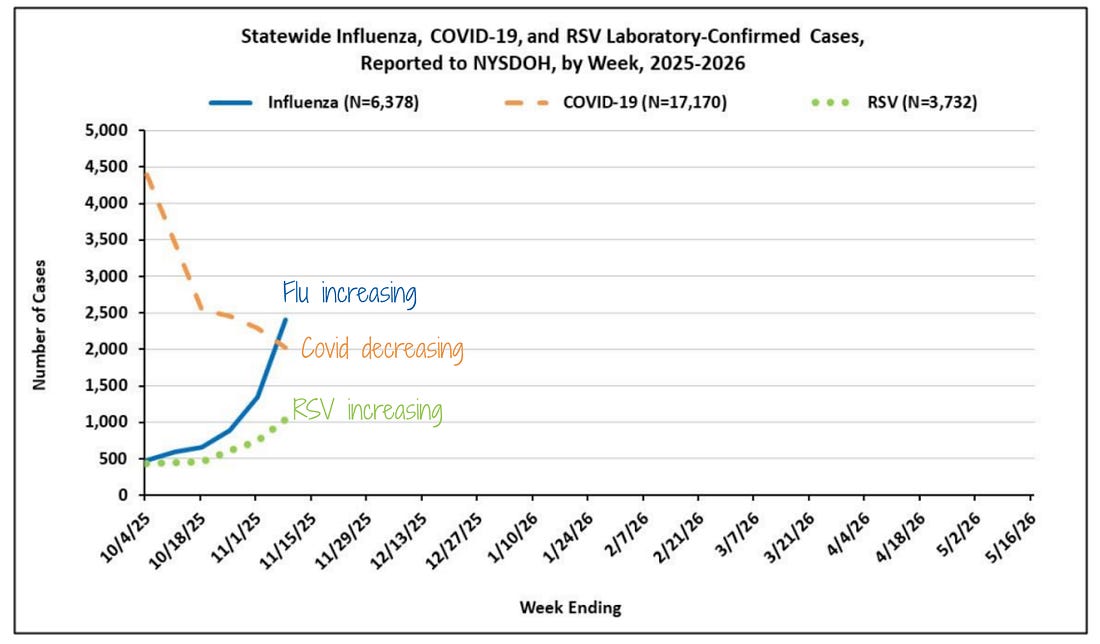
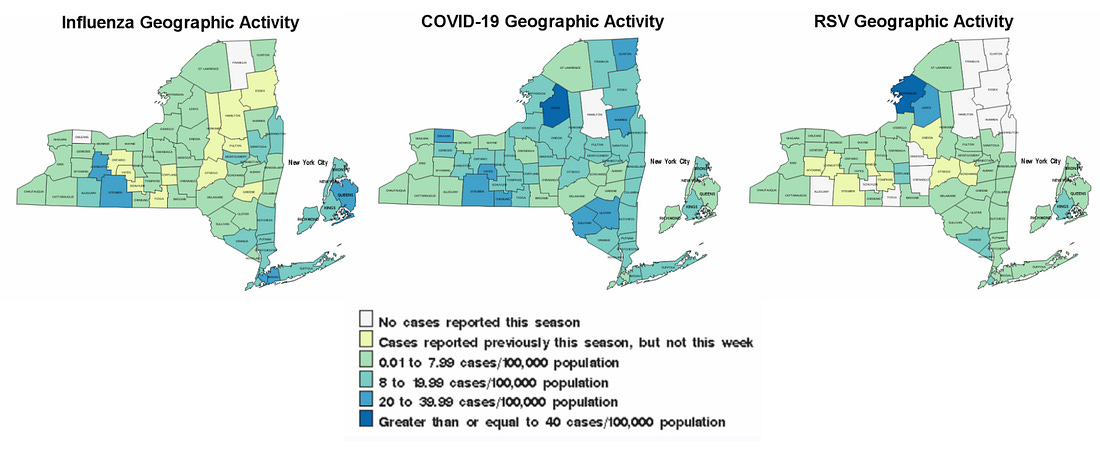
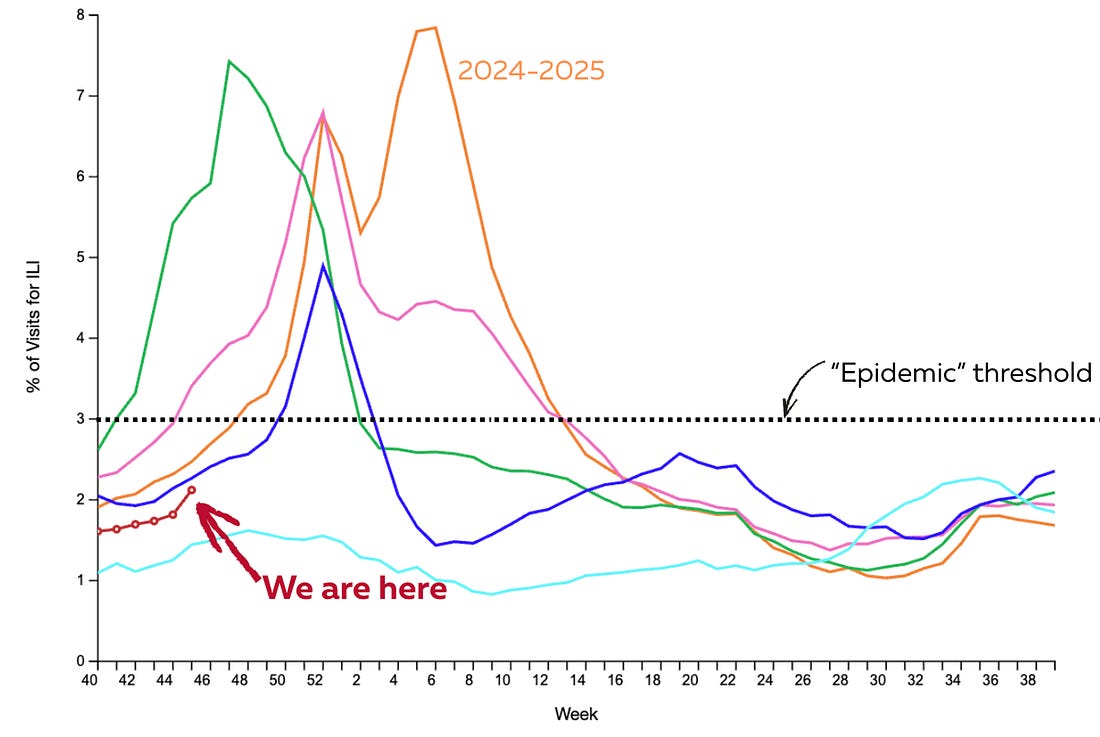
EPIDEMIOLOGISTS DECLARE COVID IN DECLINE IN NEW YORK 

BUT NOT IN WESTCHESTER COUNTY 2,215 NEW CASES FIRST 3 WEEKS


YONKERS COMMITEE APPROVES MGM GRAND PROPOSAL FOR FULL CASINO IN YONKERS.

D.A. SUSAN CACACE : WESTCHESTER WILL SEEK EXTRADITION IF ACCUSED FUGITIVES FLEE ABROAD

THE ARK OF WESTCHESTER OPENS ANN MANZI DAY PROGRAM BUILDING IN MOUNT KISCO

HOCHUL NEWS NETWORK THIS WEEK:

ONE BILLION DOLLARS DEDICATED TO CLEANING UP NEW YORK ENERGY CREATION


IRS SWITCHES TO ELECTRONIC TRANSMISSION OF REFUNDS AND MORE 

WITH JOHN BAILEY AND THE NEWS

THIS WEEK EVERY WEEK

ON WHITE PLAINS WEEK

FOR 24 YEARS


Posted in Uncategorized

SEPTEMBER 25–PLACE YOUR BETS! CASINO APPROVED FOR EMPIRE CITY YONKERS BY CITIZENS ADVISORY COMMITTEE

Hits: 135


RENDERING OF THE MGM GRAND CASINO PROPOSED FOR THE EMPIRE CITY SITE FROM MGM GRAND

WESTCHESTER COUNTY EXECUTIVE KEN JENKINS STATEMENT ON MGM EMPIRE CITY IN YONKERS

“I applaud the Community Advisory Committee’s unanimous 5-0 vote in favor of granting a full casino license to MGM Empire City in Yonkers. This decision marks an important step toward immeasurable growth for the City of Yonkers and the surrounding communities.

“A full casino license will bring thousands of good-paying permanent jobs, attract new investments, generate significant tax revenue and create greater opportunities for the people of Westchester. I am excited that we are now one step closer to seeing MGM Empire City realize its full potential.

“At the same time, we remain committed to monitoring the quality of life for residents in the neighborhoods surrounding Empire City. Increased development must deliver positive change for the community, and that will continue to be our priority.”

Resorts World was approved for a second casino at Aqueduct in Queens.

Posted in Uncategorized

SEPTEMBER 25–CONSTITUTION DAY

Hits: 142

September 24, 2025, New York, NY

Honoring Constitution Day and the Significance
of the Protections of the U.S. Constitution

Last week, our nation honored Constitution Day — a powerful reminder of the enduring promise of liberty, justice, and equality enshrined in the U.S. Constitution – and a reaffirmation of the foundational principles that have guided our democracy. The Constitution together with the Bill of Rights provides fundamental protections that safeguard essential freedoms including due process, equal protection under the law, and freedom of speech.


While our country navigates debates around issues such as immigration, national security, and public broadcasting, the importance of upholding these constitutional protections remains paramount. It is essential that governmental regulation be exercised consistently and in accordance with constitutional principles. As legislative and policy reforms evolve and legal challenges on Constitutional issues make their way through the courts, WBASNY stands against unjustified and discriminatory actions that infringe upon due process, free speech, and equal protection under the law.

 
The Women’s Bar Association of the State of New York (WBASNY) is the professional membership organization of choice for more than 4,100 attorneys throughout New York State and the largest statewide women’s bar association in the country.  For 45 years, WBASNY has been a singularly important resource for women lawyers, providing professional networking, continuing legal education programming, leadership training, and advocacy for the rights of women, children, and families.  Through involvement with WBASNY’s 20 regional chapters and its 50 committees, WBASNY’s members collaborate with one another on a variety of issues and perform public and community service, in furtherance of its mission to promote the advancement of the status of women in society and women in the legal profession; to promote the fair and equal administration of justice; and to act as a unified voice for its members with respect to issues of statewide, national and international significance to women generally and women attorneys in particular. WBASNY holds United Nations NGO status with the U.N.’s Department of Public Information, and Special Consultative status in association with the U.N. Economic and Social Council (ECOSOC). WBASNY is also a founding member of the National Conference of Women’s Bar Associations.


Posted in Uncategorized

SEPTEMBER 25–DROUGHT WARNING

Hits: 142

GOVERNOR HOCHUL DIRECTS DEPARTMENT OF ENVIRONMENTAL CONSERVATION TO ISSUE DROUGHT WARNING FOR 12 COUNTIES, ADD 6 MORE COUNTIES TO DROUGHT WATCH

New Yorkers Urged to Conserve Water During Ongoing Dry Conditions

View Map of New York State Drought Conditions


Governor Kathy Hochul, with the New York State Department of Environmental Conservation, today announced a drought warning was issued in 12 counties in the Adirondack and Southern Tier regions and a drought watch was expanded to include six counties in the Susquehanna region. New York State is encouraging all residents, including those dependent on private groundwater wells, to conserve water whenever possible during the coming weeks. 

“The less-than-normal amounts of rain have led to dry conditions for many counties in New York, resulting in the Adirondacks and Southern Tier counties being elevated to drought warning status and Susquehanna counties elevated to drought watch,” Governor Hochul said. “While New York State experts continue to closely monitor the data and conditions on the ground, we are taking proactive steps to support communities, farmers and local water suppliers. At the same time, we are urging everyone to do their part to conserve water so we can reduce stress on our resources and prevent more severe impacts in the weeks ahead.”

A drought watch or warning is now in effect for the entire state except for New York City and Westchester County. Drought conditions in this region are determined by New

York City in close coordination with DEC. There are four levels of State drought advisories: watch, warning, emergency, and disaster. There are no mandatory State restrictions under a drought watch or warning. A warning declaration is a notice of impending and imminent severe drought conditions and includes increasing public awareness and voluntary water conservation. Public water supply purveyors and industries are urged to continue to implement local drought contingency plans.

The counties under the drought warning are Allegany, Cattaraugus, Chemung, Clinton, Essex, Franklin, Hamilton, northern Herkimer, Lewis, Steuben, St. Lawrence, and Warren. The counties added to the drought watch are Broome, Chenango, Cortland, Otsego, Madison, and Tioga.

New York State Department of Environmental Conservation (DEC) Commissioner Amanda Lefton said, “Drought preparedness and prevention requires an active, coordinated effort by all New Yorkers to prevent a water crisis affecting our environment, public health, and economy. Reducing outdoor water use and checking for leaks in homes and businesses can go a long way in conserving water and preventing conditions that could have long-term effects on water resources.”  

There is rain in the forecast for many parts of New York State, but the National Weather Service’s forecast suggests a minimal likelihood of significant relief from dry conditions. Observed precipitation over the past 90 days was less than normal across virtually the entire state. Observed precipitation deficits across the state range from two to eight inches. Stream flows and groundwater levels are declining in certain areas.

State Drought Index 

In New York, drought status determinations are based on a State Drought Index that uses New York State-specific attributes, so it may differ from national drought assessments. In addition, local conditions may vary, so some areas of the state may make their own determinations of drought stage using locally focused criteria. DEC supports efforts by local governments and other stakeholders to undertake water conservation measures based on specific circumstances.  

Drought Preparedness

Certain sectors have the potential to be impacted by drought conditions, including water supply, agriculture, ecosystems, navigation and transportation, energy and manufacturing, and planning and preparedness. 

Drought preparedness includes monitoring and evaluation of climatological and conditions for early awareness of a potential drought and the implementation of short- and long-term options for programs and projects to minimize drought impacts. DEC and the U.S. Geological Survey are partners in evaluating hydrologic conditions across the state.

The State’s Drought Management Task Force monitors drought conditions, communicates information, and coordinates with affected communities. The Task Force is governed by the State Drought Management Coordination Annex, which focuses on research, monitoring and possible legislative actions to help prevent and mitigate impacts from droughts.  Task Force members include DEC, New York State Office of Emergency Management, Department of Health, Department of Agriculture and Markets, Canal Authority, Thruway Authority, and New York Power Authority. With this coordinated preparedness and response effort, the impact of drought conditions on communities and commerce can be reduced.  

Know Your Water  

The public can contact their local water system for information about drought preparedness, impacts, and response notices and activities. Additional tips for the public on water conservation can also be found in each water system’s Annual Water Quality Report (AWQR).  

Water system contact information and AWQRs can be accessed using the Know Your NY Waterwebsite or water systems own websites. 

Support for Farmers

It is recommended that on-farm water supplies are monitored regularly, and concerns are communicated with county emergency management and local Soil and Water Conservation Districts. The Cornell Cooperative Extension Disaster Education Network and the New York State Department of Agriculture and Marketsoffer additional resources and local support. 

Ecosystems

Drought conditions can impact aquatic and terrestrial ecosystems. Reduced stream flows can impact the health of aquatic life. Decreased precipitation impacts terrestrial plants and animals through reduced plant growth. Drought conditions may be a contributing factor to Harmful Algae Bloom (HAB) formation. Additional factors, including calm, sunny, and warm days and changing mixing dynamics can create conditions conducive to HAB formation. DEC maintains a HABs Reporting and Notifications page of waterbodies that currently have blooms.

Wildfire Prevention

When wildfire risk is elevated, fire departments should check that their water sources have adequate supply and that the intakes for dry hydrants are sufficiently submerged.  

Residents should check with local authorities to see if a burn ban is in place before lighting any fires and ensure that any potential fire sources, including campfires and cigarettes, are fully extinguished.  

Private Water Well Assistance 
For assistance with water wells that may be affected by drought: 

  • Check that the well is dry due to drought and no other issues. Sometimes the solution is quite simple, like a broken valve or electrical issue. The only way to definitively tell if a well is dry is to measure the water level in the well. 
  • Consider adding a water storage tank to help get through dry periods. 
  • Clean or redevelop existing wells. 
  • Deepen existing wells or drill a new well. If drilling a new well, properly decommission the old well to protect groundwater quality. 

Water Conservation Tips

To protect water resources, water users are encouraged to voluntarily reduce outdoor water use and follow these tips: 

  • Water lawns only when necessary, choose watering methods that avoid waste, and water in the early morning to reduce evaporation and maximize soil hydration; 
  • Reuse water collected in rain barrels, dehumidifiers, or air conditioners to water plants; 
  • Raise lawn mower cutting heights. Longer grass is healthier with stronger roots and needs less water; 
  • Use a broom, not a hose, to clean driveways and sidewalks; 
  • Fix leaking pipes, hoses, and faucets; 
  • Wash only full loads of dishes and laundry; 
  • Take shorter showers or fill the bathtub partly; 
  • Install water saving plumbing fixtures; 
  • Don’t run the tap to make water hot or cold; and 
  • Wash cars less frequently. 

For more water saving tips, visit DEC’s Water Use & Conservation webpage. For more information about drought in New York, visit DEC’s website. 

Posted in Uncategorized

SEPTEMBER 25–THE NEW YORK HEALTH REPORT FROM DR. MARISSA DONNELLY: COVID DECLINES. MOSQUITOS A THREAT

Hits: 179

Posted in Uncategorized

SEPTEMBER 24–TYLENOL AND AUTISM FALLOUT ANALYZED BY YOUR LOCAL EPIDEMIOLOGIST

Hits: 124

Posted in Uncategorized

SEPTEMBER 24–$1 BILLION TO MAKE NEW YORK LECTRIC ENERGY— CLEAN. GREEN SOURCED. AIR CLEAN.

Hits: 142

GOVERNOR HOCHUL ANNOUNCES  $1 BILLION SUSTAINABLE FUTURE PROGRAM SUPPORTING CLIMATE ACTION AND JOBS

Major Investment will Advance Clean Energy, Cut Emissions, and Expand Green Infrastructure Statewide

Governor Hochul today, while participating in the U.S Climate Alliance’s roundtable, announced the next steps for her landmark $1 billion Sustainable Future Program to accelerate capital projects in New York’s transition to a cleaner, greener future.

This historic investment will create good-paying jobs, lower energy costs for New Yorkers, and slash harmful emissions in the face of federal rollbacks.

“New York is a national leader in climate action, and we’re proving that we can build a thriving green economy while protecting our planet,” Governor Hochul said. 

“While others may retreat, we are doubling down. The $1 billion investment from our Sustainable Future Program will directly benefit New Yorkers by making our homes more energy-efficient, our schools healthier, and our communities more resilient. We are creating jobs, improving public health, and ensuring a just and affordable transition for every community.”

The $1 billion Sustainable Future Program, announced in this year’s State of the State, is the largest climate investment in New York’s history.

Today’s announcement allocates funding to key areas of the state’s climate plan to help make the transition more affordable for all New Yorkers.

Empowering New Yorkers with Energy Efficiency

$50 million will be allocated to the EmPower+ program to provide low- and moderate-income residents with no-cost home energy assessments and energy efficiency upgrades.

NYSERDA will focus this funding on heat pump installations, a key technology for reducing reliance on fossil fuels in residential heating and cooling.

Greening Our Schools

$50 million will be used to help under-resourced public schools across the state decarbonize their building portfolios. This investment will improve indoor air quality for students and staff and reduce the schools’ carbon footprint.

Investing in Thermal Energy Networks

$200 million is dedicated to expanding thermal energy networks, which use a system of pipes to share heating and cooling resources among multiple buildings. This funding will support projects at municipal and State-owned buildings, and will specifically include several projects within the State University of New York (SUNY) system:

  • SUNY Purchase: $50 million to design and construct the first phase of a thermal energy network and establish a framework for future geothermal systems on campus.
  • State University of New York at Buffalo: $68 million to design and build energy hubs and thermal energy networks, phasing out fossil fuel-based systems and replacing them with on-site electrical systems.
  • State University of New York at Stony Brook: $22 million to design and construct thermal energy systems at two buildings on campus.

Making The Transition To Clean Energy More Affordable for Homeowners and Small Buildings

$150 million will support the launch of a new Green Small Buildings Program, administered by New York State Homes and Community Renewal (HCR) to assist eligible homes with making energy-efficient upgrades, including heat pumps.

Expanding Clean Transportation Infrastructure

To accelerate the transition to electric vehicles, Governor Hochul announced several significant investments:

  • $100 million for zero-emission school buses and their supporting infrastructure.
  • At least $50 million to support medium- and heavy-duty vehicle charging, including $15 million for depot charging for fleets and $35 million for shared “charging hubs” at distribution centers and ports.
  • At least $50 million to provide rebates for EV charging stations at workplaces, multifamily buildings, and large public sector organizations, making charging more affordable and accessible.

Accelerating Renewable Energy Projects

$200 million will be provided to the New York Power Authority (NYPA) to finance multiple renewable energy generation projects. This funding will help reduce ratepayers costs as NYPA continues to build new renewables to power New York State.

Any further funding details regarding the Sustainable Future Program will be announced at a later date, as New York is committed to making strategic, high-impact investments that will benefit all New Yorkers.

New York State Energy Research and Development Authority President and CEO Doreen M. Harris said, “Governor Hochul has made clear her commitment to supporting generational investments like the Sustainable Future Program to foster an improved quality of life for all New Yorkers. Cleaning the air we breathe while lowering energy costs by advancing renewable energy projects, zero-emission transportation options and energy efficient building upgrades provides communities across the state with a critical foundation for a sustainable future.”

New York State Department of Environmental Conservation Commissioner Amanda Lefton said, “Governor Hochul is making nation-leading investments to meaningfully fight climate change and make a future truly sustainable in New York. This landmark $1 billion Sustainable Future Program is supporting New York’s transition to an affordable and accessible green future that will offer relief for homeowners, create clean energy jobs, and reduce pollution statewide.”

New York Power Authority President and CEO Justin E. Driscoll said, “The Power Authority is advancing the largest portfolio of utility-scale, clean energy generation in decades, and the Sustainable Future Program will help us move viable projects to fruition. When we build projects, alone or in partnership, we must consider capital costs, long-term maintenance, fuels costs and financing. The Governor’s investment in renewable projects from the sustainability fund will enable us to be shovel-ready sooner on priority projects.”

Posted in Uncategorized

SEPTEMBER 23: TOMORROW SEP 24–GET YOUR COVID AND FLU SHOTS WITH WESTCHESTER COUNTY EXECUTIVE KEN JENKINS IN NEW RO WEDNESDAY AT 2 PM

Hits: 113

Westchester County Executive Ken Jenkins to Join Stop & Shop Pharmacists in Call for Residents to Get Their Flu and COVID-19 Shots

Westchester County Executive Ken Jenkins will join with Stop & Shop Pharmacy experts and receive both his flu and COVID-19 vaccines along with local community members at 2 p.m. on Wednesday, September 24th at the New Rochelle Stop & Shop located at 2425 Palmer Avenue.

(Editor’s note: Stop & Shop in White Plains at 154 Weschester Avenue is also offering covid and flu shots by walk-in or appointment, call your favorite Stop & Shop location to call for an appointment or do a search on Stop & Shop locations in Westchester County))

Westchester County Executive Jenkins is calling on residents of his county to get their flu and COVID-19 shots as early as possible this fall. The flu vaccine helps reduce serious respiratory illness and can help protect a person throughout the entire year. Stop & Shop pharmacies have been providing more immunizations year over year to protect its community, and according to the Centers for Disease Control and Prevention (CDC), the flu vaccine has been shown to reduce the risk of having to go to the doctor with flu by 40% to 60%.

“Stop & Shop Pharmacies are proud to continue our longstanding mission of caring for our communities this flu season,” said Katie Thornell, Director of Pharmacy at Stop & Shop. “We’re fully stocked and ready to provide same-day flu and COVID-19 shots, whether by appointment or walk-in. Our goal is to be a trusted wellness partner not only this fall, but throughout the year, making it simple for everyone to access the care they need to keep themselves and their loved ones healthy.”


Flu shots and COVID-19 vaccines are available for a fee from many area pharmacists and medical offices.

To find a vaccine near you, go to www.vaccines.gov.

Flu vaccines are also available for uninsured and underinsured adults and children covered through the Vaccines for Adults and Vaccines for Children programs at

Westchester County Department of Health clinics by appointment. Call 914-995-5800 weekdays before 4:30 p.m. to discuss eligibility.

“Book a flu and COVID-19 vaccine for you and your children,” said Westchester County Executive Ken Jenkins. “Take time to prioritize your health, as I do, by scheduling these vaccines to help you fight off the worst effects of influenza and COVID-19 throughout the season. Getting sick with these viruses is no fun.”

The CDC also recommends everyone 6 months of age and older, with rare exceptions, receive a flu vaccine each year to help reduce the risk of influenza and its potentially serious complications. September and October remain the best times for most people to get vaccinated.


What: Westchester County Executive Ken Jenkins joins Stop & Shop Pharmacists to receive both his flu and COVID-19 vaccines and calls on residents to get their flu shot. Local community members will also join the County Executive to receive their flu immunizations.


When: Wednesday, September 24th at 2 p.m.

Posted in Uncategorized

SEPTEMBER 23 — ARTIFICIAL INTELLIGENCE IS OUT TO GET YOU: ARE YOU A FUTURE VICTIM OF ARTIFICIAL INTELLIGENCE TO COME? THE MOST LIKE WORKERS TO BE ELIMINATED BY CORPORATE EMBRACE OF ARITIFICIAL INTELLIGENCE ANALYTICAL CAPABILITIES AND PERFORMANCE.

Hits: 2

WPCNR DATA AT LARGE.  Printed with permission FROM Elevate-UK https://elevate.uk/


Elliott Mueller, CEO of Elevate-UK  Comments,
“AI’s rapid advancement is reshaping the workforce, particularly in roles involving repetitive tasks. While automation offers efficiency, it also presents challenges for millions facing job displacement.
It’s crucial for businesses and policymakers to prioritize reskilling and create pathways that help workers transition into roles where human skills remain essential.”
  • Data entry clerks face the highest risk of complete replacement by AI by 2030, with a 95% likelihood of AI automation.
  • Clerical roles are among the most vulnerable, with six jobs facing an average AI automation risk of 80%, according to GPT-5 estimates.
  • One of the more unexpected roles facing automation is that of legal assistants, with an estimated 88% likelihood of being replaced by AI.

By 2030, up to 30% of all jobs worldwide are at risk of being transformed or replaced by AI and automation, signaling a major shift in the future of work.
A new study by Elevate analyzed 26 job titles across different sectors to identify the roles that will be fully AI-only by 2030.
The research evaluated the likelihood of a role being taken over by AI, the projected growth by 2030 to understand market availability, and risk estimations by GPT-5.
Jobs involving repetitive, rule-based tasks show higher automation risk, while those requiring creativity or human judgment appear less vulnerable.
These key factors were combined into an AI-only risk score, ranking the jobs most at risk of being fully automated in the next five years.
Here is the summary of the findings:
Job Title AI Automation RIsk Projected Job Growth (by 2030)  Risk Estimation by GPT 5 AI-Only Risk Score
Data entry clerk 95% -25.00% 95% 100
Telemarketer 94% -21.50% 85% 92
Cashiers 93% -10.60% 75% 79
Receptionist 91% -0.50% 80% 71
Billing clerk 89% 0.50% 80% 69
Legal assistant 88% 1.20% 75% 66
Admin assistant 83% -0.30% 80% 66
Proofreader 85% -3.40% 70% 65
Production workers 89% 0.60% 70% 65
Customer service representative 76% -5.00% 75% 62
Human Resources Assistants 73% -4.80% 65% 56
Data entry clerks have the highest risk of full AI replacement by 2030, with a perfect AI-only risk score of 100. Both AI automation risk and GPT-5 estimate this probability at 95%, showing clear vulnerability. The job is also set to decline the most in growth, dropping by 25% in the next five years.
Telemarketers follow in second, with an AI-only risk score of 92. The chance of automation is estimated at 94%, placing it just one percentage point behind data entry clerks. The role faces the second-largest decline in job growth, projected to fall by 21% over the next five years. GPT-5 also views the job as highly replaceable, estimating an 85% likelihood of automation.
Cashiers come in third for jobs most likely to be fully controlled by AI by 2030, with an AI automation risk of 93%. GPT-5 estimates a 75% likelihood of automation, highlighting the role’s high exposure. Job growth is expected to fall by 11% over the next five years, which ultimately contributes to its AI-only risk score of 79.
Receptionists take fourth place, carrying an AI-only risk score of 71. GPT-5 predicts an 80% chance of automation, five percentage points higher than cashiers. Other estimates put the risk even higher, at 91%, reflecting the growing AI threat. A decline in job growth is likely a factor, as it is anticipated to fall by 0.5% in the following 5 years.
Billing clerks round out the top five most vulnerable jobs to AI, with an AI-only risk score of 69. GPT-5 assigns billing clerks the same 80% automation likelihood as receptionists. Other estimates place the risk higher, predicting an 89% chance of AI takeover, nearly 10 points above GPT-5’s estimate.
Legal assistants come in sixth as the jobs most likely to be AI-only by 2030. Just one percentage point behind production workers, legal assistants face an AI automation risk of 88%. New GPT model estimates legal assistants are more vulnerable than production workers, at 75%, 5 points higher. These combined lead to an AI-only risk score of 66.
Admin assistants tie with legal assistants with an AI-only score of 66. Their automation risk stands at 83%, influenced in part by declining job growth. Based on GPT’s assessment, admin assistants are 80% likely to be replaced by AI shortly, getting a 5 percent higher chance than legal assistants.
Proofreaders stand in eighth place among roles most likely to be replaced by AI by 2030, with a final score of 65. Tools like Grammarly are increasing this shift, contributing to an automation risk of 85%. These advancements have already affected workers, with job growth falling by 3.4%, twice the decline seen for legal assistants.
Production workers tie with proofreaders, sharing an AI-only risk score of 65. Though they hold the same score, their AI automation risk is higher at 89%, four percentage points more than proofreaders. GPT-5’s evaluation places the likelihood at 70%, identical to proofreaders.
Customer service comes in tenth in the ranking of jobs most at risk of AI automation by 2030, finishing off the list with a score of 62. AI automation risk stands at 76%, closely aligned with GPT-5’s estimate of 75%, matching cashiers. Job growth is projected to fall by 5%, marking the sharpest decline after cashiers.
Posted in Uncategorized