WHITE PLAINS WESTCHESTER DAILY NEWS SERVICE VISITS SINCE 2000 A.D. 25TH YEARl REPORTING THE NEWS YOU NEED TO KNOW News Service Since 2000 A.D. 2026 WILL BE OUR 26TH YEAR OF COVERING WHITE PLAINS NEW YORK USA . John F. Bailey, Editor (914) 997-1607 wpcnr@aol.com Cell: 914-673-4054. News Politics Personalities Neighborhoods Schools Finance Real Estate Commentary Reviews Policy Correspondence Poetry Philosophy Photojournalism Arts. The WHITE PLAINS CITIZENETREPORTER. TELEVISION: "White Plains Week" News Roundup, 7:30 EDT FRI, 7 EDT MON & the incisive "People to Be Heard" Interview Program 8PM EDT THURS, 7 PM EDT SAT on FIOS CH 45 THROUGHOUT WESTCHESTER AND, ALTICE OPTIMUM WHITE PLAINS CH 1300 Fighting for Truth, Justice and the American Way. TOP 10 VISITORS FROM AROUND THE WORLD :1. USA. 2.BRAZIL3.VIET NAM 4. CHINA 5. JAPAN 6.UK. 7.CANADA. 8.INDIA. 9.AUSTRALIA 10.IRELAND 11.GERMANY 12..ARGENTINA 13.BANGLADESH 14.RUSSIA. 15.NEWZEALAND. 16. FRANCE. 17.MEXICO. 18.UKRAINE. 19.SOUTH AFVRICA. 20. IRAQ.
Statement by Secretary Mayorkas on the President’s Supplemental Budget Request
WASHINGTON—Today, Secretary of Homeland Security Alejandro N. Mayorkas released the following statement:
“The request we have made of Congress today provides critically needed funding to equip the Department of Homeland Security with the people and tools it needs to prevent cartels from moving fentanyl through our ports of entry and to enforce our immigration laws in an orderly and effective way. At this time of unprecedented hemispheric and global challenges, we must come together to strengthen our ability to protect the American people. I strongly urge Congress to give the men and women of DHS the resources and support they need to achieve our safety and security mission.”
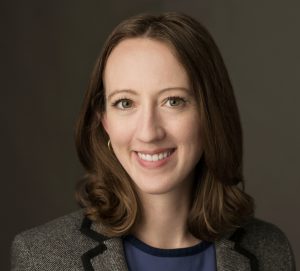
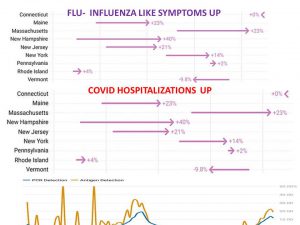
DR. CAITLIN RIVERS STATE OF COVID, FLU, RSV INFECTIONS IN THE NORTHEAST.. WESTCHESTER COVID CASES DECLINE 5TH CONSECUTIVE WEEK. 50% OF LAST OCTOBER INFECTIONS OF COVID
AUTUMN IN NEW YORK THIS WEEKEND FOILAGE SHOULD BE IN FULL SPLENDOR. (PEEKSKILL NY LAST SUNDAY
THE PLAGUE OF THE NEW NEWSWEBSITES– THE NEW PROPAGANDA. PEOPLE WATCH THEM BECAUSE THE “STORIES” THEY CHURN OUT HOURLY REINFORCE YOUR COMMITMENT TO DONALD TRUMP AND MISSTATE THE FACTS. THE NEW NEWSWEBSITES ARE PROPAGANDA UNCLEAR, OPINIONATED, YET COMPELLING, PROPELLING DONALD TRUMP BACK TO WASHINGTON
DR. KATELYN JETELINA YOUR LOCAL EPIDEMIOLOGIST ON THE EFFECTS OF TELEVISION AND SOCIAL MEDIA COVERAGE OF DISASTERS, TERRORISM ATTACKS CREATING POST TRAUMATIC STRESS SYNDROME
WHITE PLAINS SALES TAX RECEIPTS DOWN 2% IN FIRST QUARTER.
WESTCHESTER COUNTY SALES TAX RECEIPTS EVEN NO GAIN FROM LAST YEAR
WHERE IS THE INFLATION EFFECT? BUDGETS IN TROUBLE
JOBS CENTRAL OPENED BY LIFTING UP WESTCHESTER
COMMON COUNCIL FORUM COMING UP (BATTLE HILL FORUM LAST WEEK)
DHS Issues Proposed Rule to Modernize the H-1B Specialty Occupation Worker Program
USCIS seeks to update regulations with proposed rulemaking to improve program efficiency and integrity
WASHINGTON –
Today, the Department of Homeland Security (DHS), through U.S. Citizenship and Immigration Services (USCIS), published a Notice of Proposed Rulemaking (NPRM) that would modernize the H-1B specialty occupation worker program by streamlining eligibility requirements, improving program efficiency, providing greater benefits and flexibilities for employers and workers, and strengthening integrity measures.
The H-1B program helps U.S. employers hire the employees they need to meet their business needs and remain competitive in the global marketplace, while adhering to all U.S. worker protections under the law.
“DHS continues to develop and implement regulations that increase efficiency and improve processes for employers and workers navigating the immigration system,” said Secretary of Homeland Security Alejandro N. Mayorkas. “The Biden-Harris Administration’s priority is to attract global talent, reduce undue burdens on employers, and prevent fraud and abuse in the immigration system.”
The H-1B nonimmigrant visa program allows U.S. employers to temporarily employ foreign workers in specialty occupations, defined by statute as occupations that require highly specialized knowledge and a bachelor’s or higher degree in the specific specialty, or its equivalent.
The proposed rule would change how USCIS conducts the H-1B registration selection process to reduce the possibility of misuse and fraud.
Under the current process, the more registrations that are submitted on behalf of an individual, the higher chance that individual will be selected in a lottery.
Under the new proposal, each unique individual who has a registration submitted on their behalf would be entered into the selection process once, regardless of the number of registrations submitted on their behalf.
This would improve the chances that a legitimate registration would be selected by significantly reducing or eliminating the advantage of submitting multiple registrations for the same beneficiary solely to increase the chances of selection.
Furthermore, it could also give beneficiaries more choice between legitimate job offers because each registrant who submitted a registration for a selected beneficiary would have the ability to file an H-1B petition on behalf of the beneficiary.
Among additional provisions, the proposed rule would improve the H-1B program by:
Streamlining eligibility requirements – criteria for specialty occupation positions would be revised to reduce confusion between the public and adjudicators and to clarify that a position may allow a range of degrees, although there must be a direct relationship between the required degree field(s) and the duties of the position;
Improving program efficiency –The proposed rule codifies that adjudicators generally should defer to a prior determination when no underlying facts have changed at time of a new filing;
Providing greater benefits and flexibilities for employers and workers – certain exemptions to the H-1B cap would be expanded for certain nonprofit entities or governmental research organizations as well as beneficiaries who are not directly employed by a qualifying organization. DHS would also extend certain flexibilities for students on an F-1 visa when students are seeking to change their status to H-1B. Additionally, DHS would establish new H-1B eligibility requirements for rising entrepreneurs; and
Strengthening integrity measures – in addition to changing the selection process, misuse and fraud in the H-1B registration process would be reduced by prohibiting related entities from submitting multiple registrations for the same beneficiary. The rule would also codify USCIS’ authority to conduct site visits and clarify that refusal to comply with site visits may result in denial or revocation of the petition.
The 60-day public comment period starts following publication of the NPRM in the Federal Register.
Please join me, Mayor Tom Roach, County Executive George Latimer, and County Legislator Ben Boykin on *Sunday, November 5* from 8:30 to 10 a.m. for Coffee and Conversation atThe Pampelmousse Project! Space is limited, so please be sure to register below. If you have already registered, you do not need to register again.
Urging residents to follow his lead, Latimer said: “Schedule your flu and COVID-19 shots today, for yourself and your children. The flu can be miserable, and this vaccine offers the best protection we have throughout flu season.”
Flu and COVID-19 vaccines are available for a fee for people with insurance at many pharmacists and medical offices. To find a vaccine near you, go to https://www.vaccines.gov.
Vaccines are also available for uninsured and underinsured adults and children through the Vaccines for Adults and Vaccines for Children programs at Health Department clinics by appointment. Call 914-995-5800 weekdays before 4:30 p.m. to discuss eligibility. To reach residents who have difficulty accessing flu shots, the Health Department is holding clinics at some soup kitchens and homeless shelters.
Health Commissioner Sherlita Amler, MD, said:
“I urge everyone six months and older to get both these vaccines, and the sooner the better. Both flu and COVID-19 cases tick up as it gets colder and we spend more time indoors. Knowing this, I urge you to schedule flu shots for all your children and yourself as soon as possible. Vaccination protects you and it protects those around you who are more vulnerable to complications, such as infants too young to be vaccinated, seniors and people with chronic health conditions.”
In the U.S., there are usually more flu cases between December and February, but flu can linger into May. One flu vaccine now provides protection all season long and can prevent illness or reduce the severity of flu symptoms. The vaccine becomes fully effective after about two weeks.
Dr. Amler said that anyone who does get a respiratory infection should consider COVID/influenza testing. To avoid spreading germs to others, the CDC recommends residents wear a mask; cough or sneeze into their elbow; wash their hands frequently with soap and water. Those with flu should stay home for 24 hours after their fever subsides. Those who test positive for COVID should stay home for five days to avoid spreading germs and then wear a mask in public for another five days; clean surfaces they touch frequently, such as doorknobs, water faucets, refrigerator handles and telephones; and get plenty of rest.
LIFTING UP WESTCHESTER STAFF and SUPPORTERS JOIN CHIEF EXECUTIVE OFFICER ANAHAITA KOTVAL (CENTER,RIGHT) AND KEYBANK MARKET PRESIDENT, JOHN MANGINELLI (CENTER LEFT) IN CUTTING THE RIBBON ON THE NEW LUW JOB CENTRAL (Photo Courtesy, Lifting Up Westchester, KeyBank)
WPC ECONOMIC OUTLOOK.From KEYBANK and LIFTING UP WESTCHESTER. October 18, 2023:
Lifting Up Westchester (LUW) staff, clients, supporters, and community partners were on hand to celebrate the opening of LUW’s Job Central, a new facility to provide job readiness and placement services for the unemployed and underemployed in Westchester County.
The new facility was made possible through a two-year, $200,000 community impact grant from KeyBank Foundation, originally announced in a press release issued in November 2022. The grant enabled LUW to renovate the physical space at 148 Hamilton Avenue in White Plains, hire staff, establish employment partnerships, and work with the Department of Social Services and other social welfare organizations to build a pipeline to targeted populations.
The center strives to assist an estimated 175 unemployed and significantly under-employed individuals over the grant’s two-year funding period.
A ribbon-cutting and brief speaking program led by Anahaita Kotval, Chief Executive Officer of Lifting Up Westchester was held earlier today for media and the community introducing the center and thanking KeyBank for their partnership.
“The opening of Job Central is an exciting milestone for us,” said Kotval. “It allows us to expand our employment services to a broader segment of the Westchester community at a time when employers are struggling to find candidates. Job Central will help community members who want to work overcome challenges to finding – and maintaining – employment. We thank KeyBank for supporting our mission and helping us lift individuals out of poverty.”
John Manginelli. President of KeyBank explained why KeyBank Foundation delivered the $200,000 to fund Jobs Central:
In its organization phase, Sandra Williams, Employment Specialist told WPCNR, the new Jobs Center had already found jobs for 30 persons.
“KeyBank is thrilled to see Job Central open its doors to the Westchester community and proud to be a partner in bringing it to fruition,” he said. “Earning a living wage is essential to an individual’s and family’s financial health and self-sufficiency, and we are committed to supporting organizations who are breaking down employment barriers that hinder many of our unemployed and underemployed neighbors.”
Lifting Up Westchester’sJob Central aims to assist extremely low-income and Asset Limited, Income Constrained, Employed (ALICE) individuals who face a variety of unique challenges to employment stability and wage advancement. Job Central will take a comprehensive approach to providing job readiness and skills training, individual job coaching, job placement services and other resources to help achieve living wage jobs and employment advancement.
DEBORAH HERTZ TOLD THE GUESTS WHAT MAKES JOB CENTRAL DIFFERENT:
Its program will complement existing employment programs in Westchester County, while addressing the high barriers people with extremely low-income face every day, such as access to computers and proper interview clothes, thus creating a centralized hub for services traditionally acquired through multiple agencies.
The new Lifting Up Westchester Jobs Center is located at 148 Hamilton Avenue on the third floor of the St. John the Evangelist Church school. Entrance is gained just past the church in the back of the building. There is no disabled persons access, but if you are disabled you will be directed to other offices of Lifting Up Westchester.
LOCATION: 148 Hamilton Avenu on third Floor, left side of the building.
LOOK FOR THIS SIGN
ENTRANCE TO RIGHT OF THE AWNING.
OFFICES AND EMPLOYMENT COUNCILORS (4)
COMPUTER CENTER FOR CLIENTS.
SPACIOUS TRAINING ROOM FOR CLASSES
lEFT TO RIGHT: KEYBANK AREA RETAIL LEADER, ELONA SHAPE,
WHITE PLAINS BRANCH MANAGER, MARIA BASSALLO,
MR. MANGINELLI AND MS. KOVTAL, CEO OF LIFTING UP WESTCHESTER
Public health touches all aspects of our lives, not just during a pandemic and not just with infectious diseases. Thanks to your feedback, this newsletter will continue with Covid-19 updates and address other public health topics, like mental health. To choose what topics land in your inbox, click HERE.
The darkest parts of humanity continue to unfold with the Israel-Hamas War— millions face pain, suffering, separation, fear, loss, hunger, thirst, disease, and desperation. It’s beyond devastating.
Bearing witness to these experiences is nothing like being on the ground, but can be unrelenting in its own right. And, never has there been so much coverage of terror and horror on social media. The pictures. The details. The heinous acts. The constant exposure. The accompanying slurs.
It can evoke deep sadness, significant stress, and vicarious trauma that is far-reaching and potentially long-lasting.
I partnered with a friend and colleague, Dr. Julie Kaplow—a psychologist specializing in the study and treatment of trauma and grief—to dive deep into what we’ve learned from other traumatic events, who is most impacted by this media coverage, and what we can do as individuals to lessen the blow.
What is vicarious trauma?
Events can negatively affect people a world away from the scene, especially when this involves witnessing fear, pain, grief, and terror that others have experienced. This is the “cost of caring”:
We empathize with victims and this can cause us to “feel their pain.”
We may also feel directly threatened, especially when we relate in some way to those most impacted—“this could be me” or “this will be me.”
We feel helpless to do anything.
Our attitudes and worldviews shift after exposure to distressing images of these events. This is vicarious trauma—the psychological impact of second-hand exposure to traumatic events. If left unrecognized and, in some cases, untreated, it can lead to depression, anxiety, PTSD, social withdrawal, substance abuse, or suicidal thoughts.
How many people experience it?
It’s challenging to estimate. Some studies find about 1 out of 30 people, some up to 1 in 8, and some closer to 1 in 4 people.
Regardless of the exact number, it does seem to impact mental health service surge capacity. One study in the Lancet found that heavy social media use after such events translates into an excess of 12% mental health service burden.
Prevalence varies because of variation in how vicarious trauma is measured and where it’s been studied. But, perhaps most importantly, the extent of suffering depends on the dose of exposure and socio-demographic predisposing factors.
Dose: Media exposure matters
Widespread media coverage of war, and particularly terrorism, has harmful effects on mental and physical health. And the more you interact with social media and television, the worse its impact. We’ve seen this over and over in the literature from other events:
In a 2014 Israeli study, the higher the media exposure during terror attacks, the higher the distress and post-traumatic stress symptoms levels.
After 9/11, those who watched 4+ hours of TV coverage daily were more likely to experience acute stress.
After 9/11, frequent early exposure to 9/11-related television predicted posttraumatic stress symptoms and physical health problems two to three years later.
After the Boston Marathon bombings, repeated bombing-related media was associated with higher stress than direct exposure. Acute stress steadily increased with additional hours of media exposure.
Holman et al., Psychological and Cognitive Sciences. Source here.
Unfortunately, most research has focused on television exposure. For example, in a systematic review, 97% of studies were about watching TV. Of course, the information landscape has changed. Social media is not unfiltered, mis/disinformation is rampant, and exposure can be unexpected (for example, encountering gruesome photos while scrolling through feeds of pets).
Some recent studies have tried to fill the space. One simulation study found community PTSD prevalence almost doubled after social media video sharing of a terror attack compared to television.
Everyone can experience vicarious trauma, but certain socio-demographic groups are at higher risk:
Shared social identity with victims. For example, a study on the Pulse nightclub terror attack, which occurred on Latin night, found Hispanics and LGBTQ individuals were more likely to develop acute stress through media exposure than other demographics.
Females are at far higher risk. One study in Pakistan found vicarious trauma among adolescent females was particularly high.
Pre-event traumatic exposure and/or traumatic loss. Your experience before an event significantly impacts how you experience a current event. One study found direct exposure to 9/11 or Sandy Hook was more likely to cause acute stress after the Boston Marathon bombing.
What can we do?
Of course, social media use can be a positive force too, like increasing social connectedness. One study found that social media was protective against vicarious trauma when the content was focused on heroic acts and viewing information about the conflict itself (rather than the suffering).
There are a number of things we can do to reduce vicarious trauma while remaining up-to-date on the Israel-Hamas War:
Turn off auto-play videos on social media.
Walk away from social media after a time. Put on a timer.
Pay attention to how you’re feeling. If you’re feeling overwhelmed, do activities that make you feel calm or relaxed.
Seek social support. Being around other people who care about you is one of the best ways to reduce stress.
Talk to someone you trust. This can be a family member, a friend, clergy, or a therapist.
Find ways to feel useful. This can include donating to causes that help address the needs of those suffering or even just reaching out to a neighbor or friend who is struggling.
If you have children, monitor what they’re seeing or hearing. As overwhelming as the media exposure is for adults, it can be even more confusing and stressful for kids. The National Child Traumatic Stress Network is a helpful resource for discussing war with kids.
Bottom line
Being witness to terrorist attacks and war can set off a cascade of collective trauma that results in physical, mental, and emotional impairment for thousands; far more extensive and for far longer than we may think. If you’re hurting, overwhelmed, and exhausted, you’re not alone.
Love, YLE and JK
Julie Kaplow, PhD, ABPP, is Executive Vice President of Trauma and Grief Programs and Policy and Executive Director of the Trauma and Grief Center at the Meadows Mental Health Policy Institute.
“Your Local Epidemiologist (YLE)” is written by Dr. Katelyn Jetelina, MPH Ph.D.—an epidemiologist, wife. During the day, she is a senior scientific consultant to several organizations. At night she writes this newsletter. Her main goal is to “translate” the ever-evolving public health world so that people will be well-equipped to make evidence-based decisions. This newsletter is free, thanks to the generous support of fellow YLE community members. To support this effort, subscribe below:
Final Call for Voter Registration and Absentee Ballot Voting for the November 7, 2023 General Election
REGISTRATION DEADLINES
Monday, October 23, 2023 is the last day change of address must be received by the Board of Elections for the General Election.
Saturday, October 28, 2023 is the last day a voter registration application must be received by the Board of Elections to vote in the General Election.
NEW ABSENTEE BALLOT PROCEDURE
Due to a recent change in law, New York State voters are no longer permitted to cast a ballot on a voting machine if they have already been issued an absentee ballot for that election. Voters who have already been issued an absentee ballot can still vote in person using an affidavit ballot.
Qualifications to vote by Absentee Ballot:
Absent from your county on Election Day.
Unable to appear at the polls due to temporary or permanent illness or disability.
Unable to appear because you are the primary care giver of one or more individuals who are ill or physically disabled.
A resident or patient of a Veterans Health Administration Hospital.
Detained in jail awaiting Grand Jury action or confined in prison after conviction for an offense other than a felony.
Absentee Ballot Deadlines:
Oct. 23, 2023 is the last day for Board of Elections to RECEIVE application or letter of application* by mail or online portal for general ballot.
Nov. 6, 2023 is the last day for an applicant or agent to apply in person at the Board of Elections for the General Election absentee ballot.
Nov. 7, 2023 is the last day to postmark the General Election absentee ballot by mail. The ballot must be received by the Board of Elections at 25 Quarropas St., White Plains, NY, 10601 no later than Nov. 14, 2023.
Nov. 7, 2023 is the last day to deliver the General Election absentee ballot in-person to the Board of Elections or at any poll site throughout the County, by the close of the polls on Election Day.
You may apply for an absentee ballot in any of the following ways:
*The letter must contain the following information:
Name and date of birth of the voter
The address where you are registered
An address where the ballot is to be sent
The reason for the request, and
The signature of the voter
An application form will be mailed with your ballot. The application form must be completed and returned with your ballot.
If you cannot pick up your ballot, or will not be able to receive it through the mail: You have the right to designate someone to pick it up for you. Only that person designated on your application may pick up and deliver your ballot. Please note: The maximum amount any person can pick up is five (5) ballots including their own. If you are permanently ill or disabled you have the right to receive an Absentee Ballot for each subsequent election without further application. Simply file an application with the Westchester County Board of Elections indicating permanent illness or physical disability. You will then automatically receive an absentee ballot for every election until your registration is cancelled.
In-person voting using an accessible Ballot Marking Device (“BMD”) during early voting or on Election Day is still available to voters with a disability who do not want to vote by absentee ballot using the accessible absentee ballot system.
Please carefully review and follow the instructions below. Each step is important and required.
Once you have received the ballot, mark the ballot according to your choices for each office following the instructions on the ballot.
Once you have completed marking your ballot, fold it up and place it in the Security Ballot Envelope. This envelope will have a place for your signature.
Sign and date the outside of the Security Ballot Envelope.
Seal the Security Ballot Envelope.
Place the Security Ballot Envelope in the Return Ballot Envelope. (This envelope will have the return address of the Westchester County Board of Elections on the outside and should have a logo that reads, “Official Election Mail”)
Seal the Return Ballot Envelope.
You may return the ballot in any of the following ways:
Put it in the mail ensuring it receives a postmark no later than Tuesday, Nov. 7, 2023.
Bringing it to the Westchester County Board of Elections’ Office no later than Tuesday, Nov. 7, 2023 by 9 p.m.
Bringing it to any General Election day poll site within Westchester County on Tuesday, Nov. 7, 2023 by 9 p.m.
Mail time considerations when returning an Absentee Ballot
When mailing your completed ballot, the USPS recommends that voters allow enough time for ballots to be returned to the Board, which is generally fifteen (15) days ahead of the General Election. New York State requires your ballot to be both postmarked by Nov. 7, 2023 and received by our Board Nov. 14, 2023. Voters who mail in their ballots on Election Day must be aware of the posted collection times on collection boxes and at the Postal Service’s retail facilities, and that ballots entered after the last posted collection time will not be postmarked until the following business day.
Convocatoria Final para el Registro de Votantes y el Voto en Ausencia para las Elecciones Generales del 7 de noviembre de 2023
PLAZOS DE INSCRIPCIÓN
El lunes, 23 de octubre de 2023 es el último día que la Junta Electoral debe recibir el cambio de dirección para las Elecciones Generales.
El sábado, 28 de octubre de 2023 es el último día que la Junta Electoral debe recibir una solicitud de registro de votante para votar en las Elecciones Generales.
NUEVO PROCEDIMIENTO DE VOTO EN AUSENCIA
Debido a un cambio reciente en la ley, los votantes del estado de Nueva York ya no pueden emitir su voto en una máquina de votación si ya se les ha emitido una boleta de voto ausente para esa elección. Los votantes a quienes ya se les ha emitido una boleta de voto ausente aún pueden votar en persona utilizando una boleta de declaración jurada.
Calificaciones para Votar Mediante Voto Ausente:
Ausente de su condado el día de las elecciones.
No poder presentarse a las urnas debido a enfermedad o discapacidad temporal o permanente.
No puede presentarse porque es el cuidador principal de una o más personas que están enfermas o físicamente discapacitadas.
Un residente o paciente de un Hospital de la Administración de Salud para Veteranos.
Detenido en la cárcel en espera de la acción del Gran Jurado o confinado en prisión después de una condena por un delito que no sea un delito grave.
Plazos para la Boleta de Voto Ausente:
El 23 de octubre de 2023 es el último día para que la Junta Electoral RECIBA la solicitud o carta de solicitud* por correo o portal en línea para la boleta general.
El 6 de noviembre de 2023 es el último día para que un solicitante o agente presente su solicitud en persona ante la Junta Electoral para la boleta de voto en ausencia de las Elecciones Generales.
El 7 de noviembre de 2023 es el último día para enviar por correo el matasellos de la boleta de voto ausente de las Elecciones Generales. La boleta debe ser recibida por el Board of Elections en 25 Quarropas St., White Plains, NY, 10601 a más tardar el 14 de noviembre de 2023.
El 7 de noviembre de 2023 es el último día para entregar la boleta de voto ausente de las Elecciones Generales en persona a la Junta Electoral o en cualquier sitio de votación en todo el Condado, antes del cierre de las urnas el Día de las Elecciones.
Puede solicitar una boleta de voto ausente de cualquiera de las siguientes maneras:
Se enviará por correo un formulario de solicitud con su boleta. El formulario de solicitud debe completarse y devolverse con su boleta.
Si no puede recoger su boleta o no podrá recibirla por correo: tiene derecho a designar a alguien para que la recoja por usted. Sólo la persona designada en su solicitud puede recoger y entregar su boleta. Tenga en cuenta: la cantidad máxima que cualquier persona puede recoger es cinco (5) boletas, incluida la suya. Si está permanentemente enfermo o discapacitado, tiene derecho a recibir una boleta de voto en ausencia para cada elección posterior sin necesidad de presentar más solicitudes. Simplemente presente una solicitud ante la Junta Electoral del Condado de Westchester indicando enfermedad permanente o discapacidad física. Luego recibirá automáticamente una boleta de voto ausente para cada elección hasta que se cancele su registro.
La votación en persona utilizando un dispositivo de marcado de boletas (“BMD”) accesible durante la votación anticipada o el día de las elecciones todavía está disponible para los votantes con discapacidad que no desean votar mediante boleta en ausencia utilizando el sistema de boleta en ausencia accesible.
Revise cuidadosamente y siga las instrucciones a continuación. Cada paso es importante y requerido.
Una vez que haya recibido la boleta, márquela según sus elecciones para cada cargo siguiendo las instrucciones de la boleta.
Una vez que haya terminado de marcar su boleta, dóblela y colóquela en el sobre de seguridad para la boleta. Este sobre tendrá un lugar para su firma.
Firme y feche el exterior del sobre de la boleta de seguridad.
Sellar el sobre de la boleta de seguridad.
Coloque el sobre de la boleta de seguridad en el sobre de la boleta de devolución. (Este sobre tendrá la dirección del remitente de la Junta Electoral del Condado de Westchester en el exterior y debe tener un logotipo que diga (“Official Election Mail”)
Selle el sobre de devolución de la boleta.
Puede devolver la boleta de cualquiera de las siguientes maneras:
Envíelo por correo asegurándose de que reciba el matasellos a más tardar el martes, 7 de noviembre de 2023.
Llevarlo a la Oficina de la Junta Electoral del Condado de Westchester a más tardar el martes, 7 de noviembre de 2023 a las 9 p.m.
Llevarlo a cualquier sitio de votación el día de las Elecciones Generales dentro del Condado de Westchester el martes, 7 de noviembre de 2023 antes de las 9 p.m.
Consideraciones sobre el tiempo de envío al devolver una boleta de voto en ausencia
Al enviar por correo su boleta completa, el Servicio Postal (USPS) recomienda que los votantes dejen suficiente tiempo para que las boletas sean devueltas a la Junta, que generalmente es quince (15) días antes de las Elecciones Generales. El Estado de Nueva York exige que su boleta tenga matasellos del 7 de noviembre de 2023 y que nuestra Junta la reciba el 14 de noviembre de 2023. Los votantes que envíen sus boletas por correo el día de las elecciones deben conocer los horarios de recolección publicados en las urnas de recolección y en el en las instalaciones minoristas del Servicio Postal, y que las boletas ingresadas después de la última hora de recolección publicada no tendrán matasellos hasta el siguiente día hábil.