Welcome to the Northeast edition of Outbreak Outlook! It is only available to paid subscribers. If you wish to become a paid subscriber and access region-specific information, please click the Subscribe now button below. Thanks for reading! -Caitlin Respiratory DiseasesInfluenzaFlu is ratcheting up quickly, but unevenly, across the Northeast. It is now high in several states, but remains low (though growing) in others. New York and New Jersey are at the center of the wave. Outpatient ILI in the states have risen to 7.8% and 8.0%, respectively, which is really quite high. Emergency department (ED) visits have also increased sharply in both states, to 5.7% and 5.0%, respectively. Hospitalizations in New York have increased to 8.1 hospitalizations per 100,000 people. New York City is seeing a rapid escalation as well: ED visits have jumped from 4.2% to 6.7% in the last week, and hospitalizations have also jumped. Northeast: Outpatient influenza-like illness (%)
% of visits to the doctor that are for fever and cough or sore throat
 Outpatient ILI data is not available for Connecticut, but its ED visits are on par with those in New York at 5.7%. Similarly, hospitalizations have increased sharply, to 9.5 hospitalizations per 100,000 people. In Rhode Island, outpatient ILI is up to 6% and in Massachusetts, outpatient ILI activity is up to 4.2%. Both states reported notable increases in ED visits this past week, to 2.8% and 2.7%, respectively. Northeast: ED visits for influenza (%)
% of visits to the emergency department that are for influenza
 Activity still remains fairly low in several states, however. In Pennsylvania, outpatient visits are at 2.2% and ED visits, while increasing, are still low at 1.8%. ED visits in New Hampshire are also low at 1.8%. In Maine, outpatient ILI increased slightly this past week to 1.9%, and in Vermont, outpatient ILI is at just 1.4%. Both states have ED visits for flu at 1.2%. *Please note: for a few states, outpatient ILI data was not in the centralized dataset used to create the graphics, but I was able to find the data directly from the state and have referenced it in-text here. COVID-19Covid-19 activity is increasing, with some states seeing much more activity than others. ED visits were stable or increasing in most states in the region, though they remain low overall, ranging from 0.4-0.8% of all ED visits. Wastewater activity dipped slightly this week, dropping from moderate to low wastewater activity. Nevertheless, activity remains more than double what it was back in November, and the overall trend still appears to be one of increasing activity. Connecticut has the highest rate of ED visits in the region, at 0.8%, and wastewater activity there is also high and increasing. Hospitalizations have also started to catch up, and increased notably this past week, to 3.1 hospitalizations per 100,000 people. In Maine, wastewater activity is also high and increasing, but ED visits dipped slightly this week, to 0.5%. Northeast: ED visits for Covid-19 (%)
% of visits to the emergency department that are for Covid-19
 In New Hampshire, ED visits have increased to 0.73, and wastewater activity is moderate. Massachusetts also has moderate wastewater activity, and stable ED visits (0.63%). In Rhode Island and Vermont, wastewater activity is low and decreasing, and ED visits declined in both states this past week. In Pennsylvania, ED visits increased slightly, and wastewater activity held roughly steady or declined slightly to low levels. Forming an inverse of what is happening with flu, things are very quiet in both New York and New Jersey — wastewater activity is very low, and ED visits are very low and stable (at 0.4 and 0.5%, respectively). This is also the case in New York City, where ED visits for Covid-19 are very low at just 0.2%. However, hospitalizations increased slightly in New York, to 3.1 (though they held steady in New York City). Northeast: Covid-19 wastewater concentration
Wastewater concentration of SARS-CoV-2
 RSVRSV remains unusually quiet for this time of year. Wastewater activity remains very low in most states in the region. Connecticut is the only state with low (rather than very low) wastewater activity. But ED visits remain very low and stable in the state (at 0.15) and hospitalizations are flat, at 0.8 hospitalizations per 100,000 people. ED visits remain <0.4% for all states in the region. There were slight increases in ED rates in Rhode Island, New York, and New Hampshire this last week. In New York, however, there has been an uptick in hospitalizations this past week, to 1.4 hospitalizations per 100,000 people. In New York City, RSV remains very low and stable, at 0.3% of all ED visits. Hospitalizations have decreased slightly over the past few weeks, to 0.2%. Northeast: ED visits for RSV (%)
% of visits to the emergency department that are for RSV
 Other Bugs
Stomach BugsNorovirus test positivity data was not updated this week. However, my back-up data source shows that norovirus wastewater activity is high, but decreasing slightly at the national level. In the Midwest, Northeast, and South wastewater activity is high and increasing. In the West, wastewater activity is also high, but has dipped slightly. Food recallsThe following foods are being recalled because they are contaminated. Please check your cupboards and throw out any of these items: New:
Previously Reported:
In other news
|
DECEMBER 19–WHITE PLAINS WEEK TONIGHT 7:30 PM THE DEC 19 REPORT ON FIOS 45 AND WP OPTIMUM CH 76 OR WWW.WPCOMMUNITYMEDIA.ORG

SHOCKER OF THE CENTURY
STATE THROWS OUT GOV CUOMO GREENHOUSE GASES POLICY AFTER 6 YEARS
SHIFTS TO MODULAR NUCLEAR POWER AND GREEN ENERGY BALANCED APPROACH
TO EASE STRESS ON BUSINESSES, COMMUNITIES
ZERO EMISSIONS GOAL 2050 20 YEARS AWAY
WHERE’S THE MONEY TO PAY FOR IT?

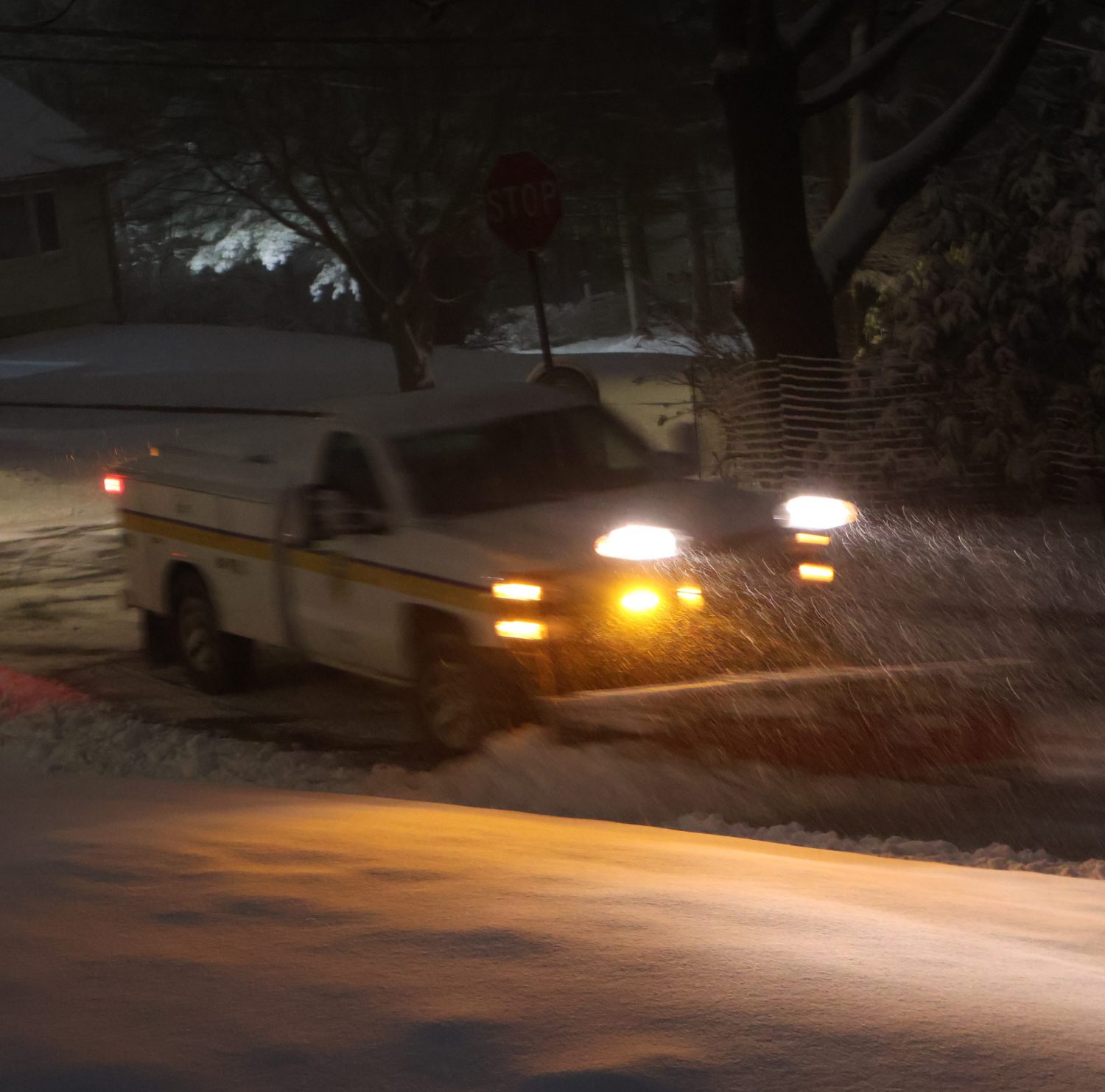
6 INCHES OF SNOW!

NO PROBLEM FOR THE WHITE PLAINS DEPARTMENT OF PUBLIC WORKS

PUBLIC HEALTH ENEMY NUMBER ONE
DR. KATELYN JETTELINA ON MASS SHOOTING EPIDEMIC

CONGESTION PRICING MONEY PAYS FOR BROOKLYN QUEENS SUBWAY IMPROVEMENTS

THOMPSON & BENDER 40 YEARS PROMOTING PROGRESS IN WESTCHESTER COUNTY

A PERSPECTIVE ON HOW ERIC SEVEREID MIGHT LOOK AT THE NEW NEW YORK STATE ENERGY POLICY

WITH JOHN BAILEY AND THE NEWS
EVERY WEEK ON WHITE PLAINS WEEK
FOR 24 YEARS
DECEMBER 18–
ANNIVERSARY OF THE OFFICE FOR PEOPLE WITH DISABILITIES
Established in 1975, the County Honors Five Decades of Leadership in Accessibility, Advocacy and Inclusion
Watch the News Conference Here:
https://www.youtube.com/watch?v=vRN1x9gqHPI
(White Plains, NY) – Westchester County is celebrating the 50th Anniversary of the Office for People with Disabilities (OFPWD), marking five decades of service, innovation and leadership in accessibility and supporting residents with disabilities across the County.
The Office, which was formally established on January 1, 1975, was originally named the Westchester County Office for the Handicapped/Disabled. Created to help the County comply with Section 504 of the Rehabilitation Act of 1973, it opened as one of the earliest local government offices of its kind, setting a statewide standard for accommodations and support for people with disabilities.
Westchester County Executive Ken Jenkins said: “For 50 years, the Westchester County Office for People with Disabilities has been a driving force in ensuring that every resident — regardless of their unique abilities — can access the services, programs and opportunities they deserve. This Office has led the way in this space since before the Americans with Disabilities Act (ADA) existed, and it continues to shape a more inclusive Westchester County today. Celebrating this milestone reaffirms our commitment to removing barriers, expanding access, and uplifting the voices of people with disabilities across our County.”
Director of OFPWD Carin Horowitz said: “It is an honor to join the Office for People with Disabilities in its 50th year. I am dedicated to continuing its legacy of access, advocacy education and inclusion.”
Advocate and Community Work Assistant for OFPWD Jeffrey Zitofsky said: “This anniversary is deeply personal to me. Because I live with the challenges and triumphs of disability, I know it’s vital to have a place that listens, advocates and acts. This is what our office does and I’m honored and grateful to not only include, but seek out and embrace our constituents with these same lived experiences to inform our work shaping policy.”
Westchester County Board of Legislators Chair Vedat Gashi said: “Fifty years ago, the Westchester County Board of Legislators led the creation of an office dedicated to ensuring access, dignity, and opportunity for residents with disabilities. That leadership helped set a standard that still guides our work today. As we celebrate this milestone, we remain committed to building a more inclusive and accessible Westchester.”
Chair of the Board’s Human Services Committee and Legislator Nancy Barr said: “Congratulations to the Office for People with Disabilities on reaching this milestone; this Office is a valuable resource which has only become more important over time. In 2020, I was pleased to help formalize the Advisory Council for People with Disabilities, which serves as a voice from people with lived experiences to help guide the County’s policy and programs. The result has been improved and expanded programs, additional partnerships, and the inclusion of new voices from the impacted community.”
In its earliest years, OFPWD focused on program accessibility, employment opportunities for people with disabilities, physical modifications to public facilities, and ensuring equal access to County-administered services. Early achievements include a survey of all County-owned buildings to identify and eliminate physical barriers (1979), the provision of sign-language interpretation for public programs and appointments, and program design for Westchester County’s ParaTransit System (1983). The Office also published resource guides to help residents more easily identify services available to them.
In 1977, the Office was recognized by the New York State Department of Health, Education and Welfare as a leader in service provision for the disability community. In 1978, the Office formed a council made up of community members with disabilities, County staff and service providers, ensuring that the voices of people with lived experience guided its mission and priorities. In 2020, Westchester County reinstituted the Advisory Council on People with Disabilities.
Fifty years later, OFPWD continues to serve as a critical resource for information, referrals, technical assistance and advocacy for individuals with disabilities and their families. The Office also serves as the ADA Coordinator for Westchester County, advising on compliance with State and Federal disability rights laws and supporting local government activities to prevent discrimination on the basis of disability.
The Office’s services include:
- Information and referral
- ParaTransit application processing
- Advocacy for constituents, County staff and County departments
- Service connections
- Site surveys to ensure equal access
- Education and community outreach
For more information about OFPWD, visit our website or call 914-995-2957.
DECEMBER 18 —- ILLEGAL KICKBACKS AND UNNECESSARY SCAMS RAISE COSTS FOR CONSUMERS
WPCNR BUNKO DIVISION. From New York Alliance Against Insurance Fraud. December 18, 2018
NEW YORK, NY — The New York Alliance Against Insurance Fraud is highlighting the federal sentencing of a Long Island physician who admitted to taking illegal kickbacks for ordering medically unnecessary brain scans, resulting in nearly $900,000 in fraudulent insurance billings.
According to the U.S. Attorney’s Office for the District of Massachusetts, Dr. Kenneth Fishberger, 76, of East Setauket, New York, ordered hundreds of unnecessary transcranial doppler (TCD) scans between 2013 and 2019, using false diagnoses to bill Medicare and private insurers. He received about $100 per test in kickbacks. The scheme generated approximately $891,978 in fraudulent billings.
Dr. Fishberger was sentenced on December 9, 2025, to two years of supervised release, including one year of home confinement, and ordered to pay more than $440,000 in restitution, forfeiture, and fines.
Frank Sztuk, Chair of the Public Outreach Committee at the New York Alliance Against Insurance Fraud, emphasized the broader impact on consumers and the insurance system:
“Health care fraud like this inflates insurance premiums, burdens taxpayers, and undermines confidence in the medical profession. Strong enforcement protects patients, honest providers, and the integrity of our health care system.”